
About The AI Birder
Practical birding trips, planned from useful sources.
The AI Birder helps people plan birdwatching visits across the UK. It brings reserve information, seasonal context, practical access details and buying guidance together so that you can choose a visit that suits your interests, time and circumstances.
Who operates the site
The AI Birder is operated by Does Your Duck Quack, 5 South Charlotte Street, Edinburgh, EH2 4AN. Questions about the site, its content or commercial links can be sent to webmaster@aibirder.co.uk.
Peter Taylor trading as Does Your Duck Quack? · 5 South Charlotte Street, Edinburgh, EH2 4AN.
What the guides are for
A birdwatching day starts before you reach the hide. Admission, opening times, parking, public transport, walking distance and facilities can determine whether a promising destination works for you. Our guides bring those questions alongside the birds and habitats you may encounter, with links to the organisations responsible for the places described.
The site covers different kinds of visits, from a short local outing to a longer reserve day. It also provides fieldcraft and equipment guidance. A reserve guide is a planning aid: current operator notices, conditions and your own needs still matter. Seasonal descriptions explain possibilities, rather than promising that a particular bird will be present.
Research and the role of AI
We research each page from the sources linked on it, using AI tools to help draft and organise, and check facts against those sources before publishing.
The linked sources let you follow the practical information back to its origin. Reserve operators are the starting point for details such as opening hours, admission, facilities and access restrictions. Where information is incomplete or conflicting, the wording should make that uncertainty visible rather than replace it with an estimate presented as fact.
AI helps with drafting and organisation; it does not visit a reserve or test a pair of binoculars. A page should not imply personal experience that has not taken place. Equipment recommendations distinguish published specifications and editorial reasoning from hands-on testing. Review dates describe the check recorded for the content, rather than guaranteeing that every detail remains unchanged.
Making a visit easier to judge
People need different information to decide whether a place is suitable. A step-free entrance alone does not describe a whole visit. Where reliable information is available, guides consider surfaces, distances, gradients, hides, toilets and facilities alongside transport and parking. Details that depend on an individual arrangement should be checked directly with the operator.
The aim is to make those decisions clearer for beginners, experienced birders and people planning around mobility, fatigue or other access needs. A short route with a comfortable viewpoint can be a worthwhile visit. The site should help you judge the practical options without assuming that everyone can walk the same distance or use the same equipment.
Wildlife comes before a closer view
Sensitive wildlife information needs restraint. The site avoids giving precise directions that could expose vulnerable birds or disturb breeding and resting places. Follow reserve instructions, keep to permitted routes and give wildlife space. A public report elsewhere is not permission to approach a bird, enter restricted land or share a sensitive location more widely.
The AI Birder does not collect sightings through its contact address. Use an appropriate recording scheme or the reserve operator for records and follow their guidance about sensitive species. If a page contains an unsuitable location detail, contact us with its URL and explain the concern without sending additional precise information unnecessarily.
Funding and buying guidance
The site can earn a commission from qualifying accommodation bookings made through Booking.com links provided through CJ. Commercial links should be identifiable, and a reader can choose to visit a provider independently. Other affiliate programmes will be named in the disclosure when their links go live.
Commercial availability does not establish which reserve or product is right for you. Buying guidance explains its selection method and the evidence used, including relevant specification conflicts. Paid placements must not be presented as independent editorial recommendations. The affiliate disclosure explains the current arrangement and how commercial content is distinguished.
Corrections and images
If something has changed, send the page URL, the detail that needs attention and a reliable source to webmaster@aibirder.co.uk. Operator announcements are particularly useful for changes to access, charges and facilities. Please distinguish an enduring change from a temporary situation, and include the relevant date when it affects the correction.
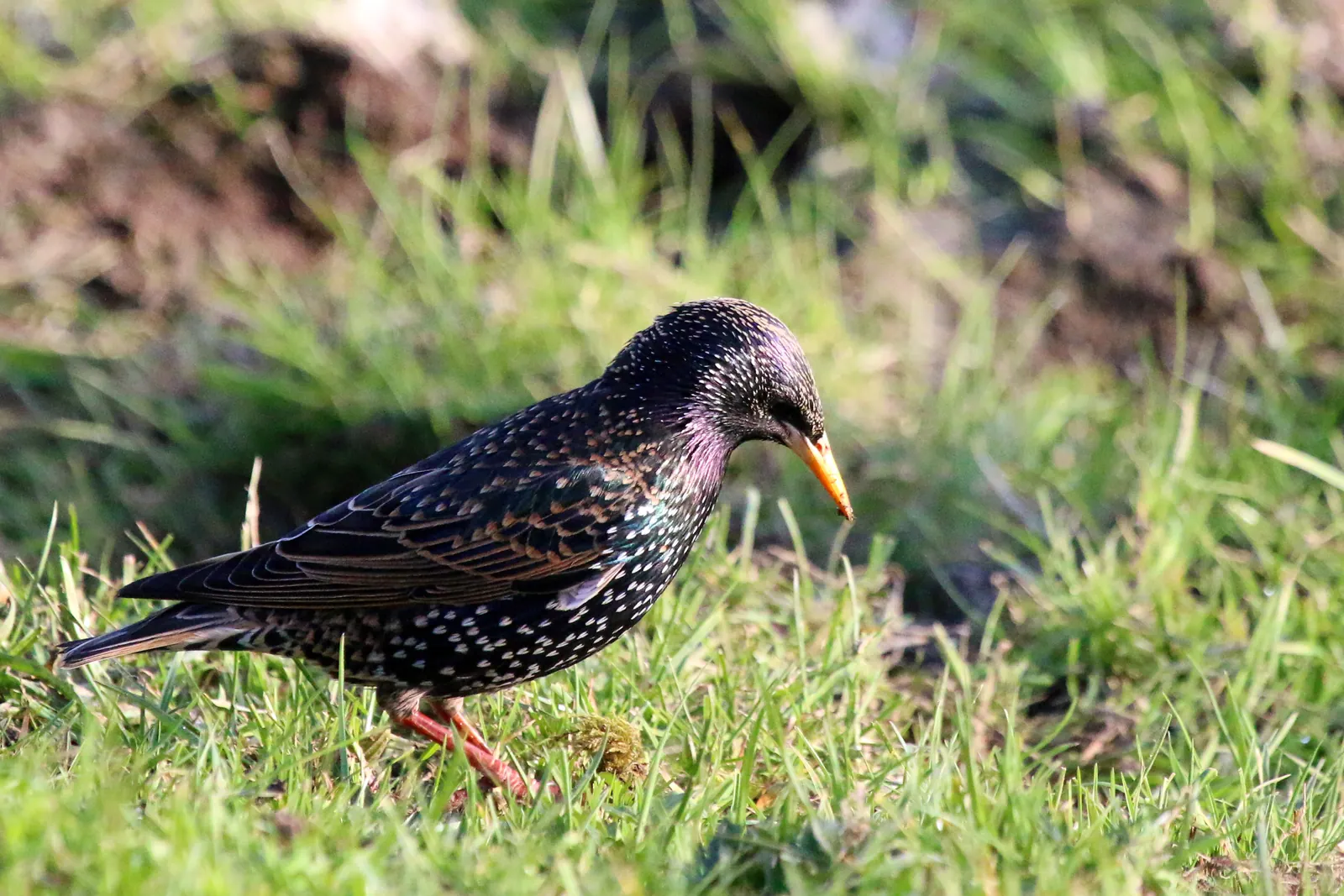
Images should not misrepresent a location or imply that a bird was photographed there when that is not established. Credits, licences and attribution matter, and any image concern can be reported using the same address. If you believe an image is incorrectly credited or used without the necessary permission, identify the page and image and provide the information needed to investigate.