
Birdwatching kit and buying guides
Choose the view, not the badge.
Choose the view, not the badge. Start with binoculars that fit your face and a simple field guide, then add equipment when a real birdwatching need becomes clear. An 8x42 pair is a useful first comparison; lighter 8x30 or 8x32 models suit many daytime walks.
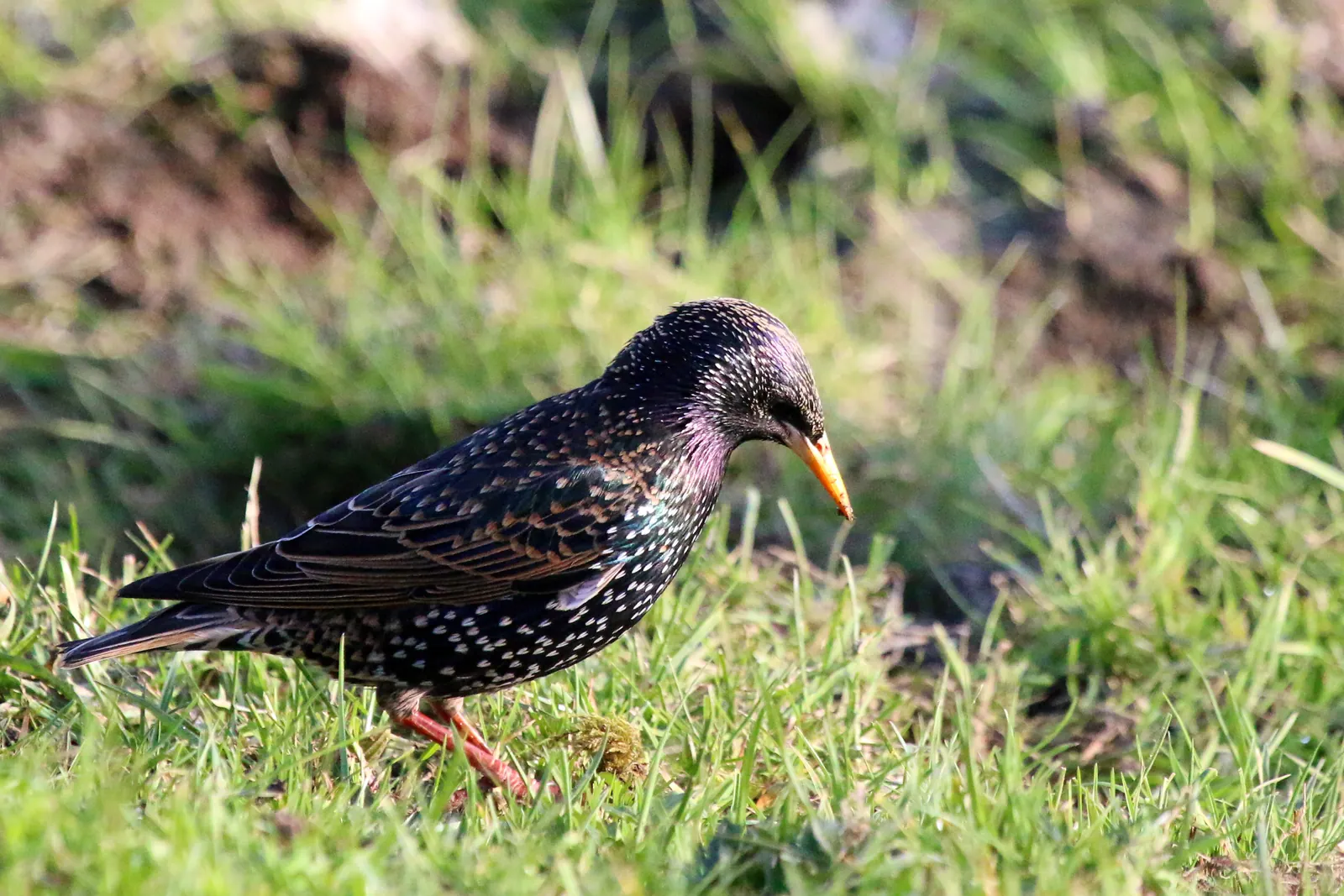
Your first visit: binoculars, a field guide and layers
A useful first kit fits into an ordinary day bag. Bring binoculars if you have them, a field guide or identification app, weather-appropriate layers and a way to make notes. Check the reserve’s route, facilities and forecast before leaving. You can learn a great deal from a familiar local patch without buying a scope, specialist clothing or a camera.
Borrow or try equipment before replacing what you own. Notice whether your current binoculars are difficult to focus, uncomfortable with glasses or simply too heavy to carry. That observation gives the next purchase a purpose. Keep enough room in the budget for the things that make a visit comfortable, including suitable footwear, travel and a warm pause.
Binoculars: choose a budget, then test the fit
The binocular guide starts with 8x42 for general-purpose birdwatching and compares lighter formats for walkers. Its twelve-model shortlist includes three options in each band. The cards below are routes into that comparison, rather than a ranking: different faces, hands and walking routines change which pair works well.
At the shop, adjust the eyecups, set the distance between the barrels and compare the same target through each pair. Take your normal glasses. A published weight or eye-relief figure helps narrow the choice, but a complete view and comfortable handling decide whether you will enjoy using it.
- Under £150: compare an entry-level 8x42 with lighter 8x30 and 8x32 alternatives; check bulk and close focus.
- £150–400: compare full-size ED models with a compact 8x32; confirm model codes where specifications differ.
- £400–1000: compare a full-size upgrade with a lighter 8x32; include carrying weight in the decision.
- Over £1000: compare grip, viewing comfort and field of view carefully before committing to a premium pair.
Spotting scopes, tripods and digiscoping
A scope becomes useful when you regularly watch waders across a scrape, ducks on a large reservoir or seabirds from a fixed viewpoint. Try one at a reserve or demonstration day first. Decide whether the closer view answers a recurring need, then consider how far you will carry the complete outfit.
Budget for the scope, tripod and head together. Check working height, stability and whether the head moves smoothly before comparing magnification alone. For phone photographs through the eyepiece, an adapter must fit the phone and scope combination and hold them in alignment. Our scope guide and tripod guide explain those choices in sequence.
Books and apps: build identification habits
Choose a field guide that makes common local birds easy to compare. Look at the size of the illustrations, the way similar species are grouped and whether you can read it comfortably outdoors. A smaller book can be easier to carry, while a larger reference can stay at home for checking notes afterwards.
An app can support identification and record keeping, but check its coverage, download needs and offline behaviour before relying on it away from signal. Record shape, size, movement, habitat and sound before opening a suggested identification. Our books and apps guide helps you choose a reference that supports observation rather than replacing it.
Membership: compare the visits you would make
A conservation membership may support work you care about and change the cost of some visits. Start with the reserves you actually expect to use, then check the organisation’s current terms for admission, parking, guests and partner sites. An included visit is useful only if the journey and facilities work for you.
Do not assume that benefits transfer between organisations or every reserve carrying a familiar name. Use our organisation guides to understand the choices, then confirm current membership details with the provider. Keep equipment spending and membership decisions separate enough to see what each adds to your year of birdwatching.
How we choose and check
These guides use manufacturer specifications and UK retailer availability checks, with sources and a review date on each researched shortlist. For binoculars, twelve models were checked on 25 October 2026. Differences between manufacturer and retailer specifications are disclosed, and exact product codes help distinguish generations. Availability reflects the retrieved page and can change.
There are no paid placements in these shortlists. Product suitability is editorial reasoning from published information, not a claim of hands-on testing or measured comparative performance. The buying guides include practical tests for you to carry out. Start with the guide that answers your next question, then use the same target and light when comparing equipment.
Questions visitors ask
Which optics should a beginner buy first?
Start with binoculars that fit your face and feel comfortable to carry. An 8x42 is a useful general-purpose starting point; consider an 8x30 or 8x32 for lighter daytime walks.
Do I need a spotting scope for birdwatching?
Many garden and woodland visits work well with binoculars alone. A scope becomes useful when you regularly watch distant birds from a reasonably fixed position.
Can one tripod work for a scope and a phone?
Possibly, but check the head, mounting plate and complete load. For digiscoping, the phone adapter also needs to fit the eyepiece and keep the camera aligned.