

EN 92 · RSPB reserve guide
RSPB Hodbarrow
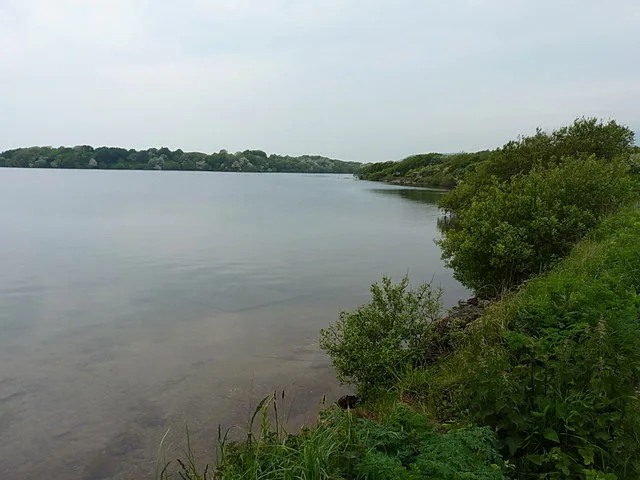
Millom and Haverigg, Cumbria
Summer Little, Common and Sandwich Terns from the public seawall
Decide if the visit fits.
RSPB Hodbarrow at a glance
Last checked 18 October 2026.
- Open
- Reserve open 24 hours; sea-wall hide open, with no separate locking timetable.More about open
- Price / parking
- Free entry; parking tariff not published.More about price / parking
- Best time
- May–July terns; winter lagoon wildfowlMore about best time
- Dogs
- Dogs are allowed on the reserve but must stay on a lead.More about dogs
- Toilets
- There are no reserve toilets or baby-changing facilities; the RS…More about toilets
- Step-free
- The operator describes a rolled-stone route towards the hide wit…More about step-free
Opening and charges information · checked .
Stay nearby →On this page
Reserve overview
Hodbarrow reserve and habitat
Summer Little, Common and Sandwich Terns from the public seawall
Eight checks for a smoother visit.
Planning your visit to Hodbarrow
Conditions change: check the operator and transport notices before travelling.
Hodbarrow best time to visit and seasonal birds
January: Usually start with Great Crested Grebe and Cormorant from Sea wall hide. Compare the lagoon with the estuary side only from the permitted route. A short settled session can suit a cold day better than trying to cover every exposed path. February: Red-breasted Merganser is typically a winter possibility from Sea wall hide, while Redshank and Oystercatcher reward Sea wall public route. Look carefully at feeding actions and allow generous time for the return over the stone surface. March: Great Crested Grebe activity usually adds interest to Sea wall hide. Sea wall public route offers Ringed Plover and Oystercatcher possibilities without entering their habitat. Give birds space as the breeding season approaches, and keep dogs on leads. April: Typically compare Eider from Sea wall public route with Great Crested Grebe from Sea wall hide. Listen for returning Sedge and Reed Warblers along Central grassland and scrub paths. Stay on the route rather than following sound into reed cover. May: Our choice is Sea wall hide for Little and Common Terns, with Sandwich Tern and Eider from Sea wall public route. Patient watching gives repeated chances to compare flight styles. The protected islands remain closed to visitors. June: Little, Common and Sandwich Terns typically lead the visit. Alternate Sea wall hide with a stationary Sea wall public route watch, keeping clear of nesting habitat. Central grassland and scrub paths offer Sedge Warbler and Reed Warbler by sound. July: Usually give Sea wall hide time for Little and Common Terns before watching Sandwich Tern movements from Sea wall public route. Great Crested Grebe provides a slower comparison. A breeding spectacle is observed from the established public route without approaching the islands. August: Eider and Oystercatcher typically offer an estuary-side comparison from Sea wall public route, while Great Crested Grebe rewards Sea wall hide. The tern spectacle is changing after its main May–July period, so keep expectations flexible rather than treating an old report as a timetable. September: Usually scan Sea wall public route for Ringed Plover, Redshank and Little Egret. Sea wall hide adds a sheltered lagoon angle for Great Crested Grebe. County reports may mention passage rarities, but those records do not establish a guaranteed seasonal target. October: Little Egret and Redshank typically make Sea wall public route worthwhile, with Cormorant on the lagoon from Sea wall hide. Choose the more comfortable view as wind changes, and do not approach any group of resting birds. November: Usually compare Red-breasted Merganser with Great Crested Grebe from Sea wall hide. Oystercatcher and Redshank add interest on Sea wall public route. Plan a daylight return and allow for a slower pace on wet or rough surfaces. December: Typically make Sea wall hide the focus for Great Crested Grebe, Cormorant and winter waterbirds. A brief Sea wall public route scan can add Oystercatcher. Carry enough warm clothing for the exposed approach even when the hide is your main destination.
Best conditions: Our choice is a calm, clear session during May–July for the public tern watch, with binoculars for commuting birds and a telescope for settled lagoon groups. Typically strong wind makes the seawall approach tiring and glare can require a different public angle. Light and scope ratings are editorial guidance; keep the hide as a fallback, stay out of the lagoon and leave breeding islands undisturbed.
Hodbarrow opening times, entry and facilities
The RSPB's October 2026 charges page gives free adult and child admission for members and non-members. Its opening calendar lists the nature reserve as open 24 hours. The official facilities page identifies the parking area at the end of Mainsgate Road, but the charges table does not give a separate parking tariff. A current parking price is therefore not confirmed here; contact the reserve team before travelling if it affects your plan. The generic charges-page direction to pay at a visitor centre is unsuitable for Hodbarrow, whose facilities page says there is no centre. Check the operator's current updates before setting off, especially when coastal weather may make the seawall uncomfortable.
Access times: Reserve: RSPB lists the nature reserve open 24 hours; follow current signs and protect breeding islands. · Hides: RSPB confirms the sea wall hide is open. No separate daily locking timetable is published on the checked facilities page. · Car park: RSPB identifies parking at the end of Mainsgate Road but does not state a separate gate timetable. Do not infer parking hours from the reserve listing. · Dawn access: partly. Operator opening information.
Hodbarrow trails, hides and visit length
The lagoon and its seawall form the backbone of a Hodbarrow visit. This is a former iron-mining landscape now managed for coastal wildlife, with open water, limestone grassland and scrub providing quite different kinds of watching. Follow the signed public route towards the seawall hide, pausing to compare the lagoon side with the estuary side rather than walking with binoculars fixed in one direction. The RSPB lists a 1.5-mile, or 2.5-kilometre, path to the hide. Treat that as an outward distance when budgeting time, with additional pauses for birds and the return. For a 2-hour plan, choose a manageable section of the lagoon route and give it a proper watch, turning back in good time. Reaching the hide and returning may occupy much of that window at a birdwatching pace, so do not promise yourself a complete circuit as well. In the tern season a stationary public seawall watch can be more productive than pressing on. For a full-day plan, allow a generous morning for the lagoon and hide, followed by a break in Millom or Haverigg and an afternoon exploring the public grassland paths. Warm conditions favour insects and flowers, while changing estuary water levels can make a second seawall stop worthwhile. Remain on established paths across the old industrial ground; the lagoon island is a protected breeding area and is not a visitor destination. Photography should follow birds' movements from public observation points, without encouraging them towards the shore. For identification, concentrate on the birds' proportions and flight pattern before attempting a name. The summer terns can pass quickly against a bright sky, so a patient watch from one place makes comparisons easier than walking while trying to follow them. A telescope is useful for a settled lagoon group, whereas binoculars usually give a wider view of commuting birds. On grassland, take a moment to examine the plants beside the path without stepping into them. The reserve's old industrial origin is particularly clear when the lagoon, seawall and varied vegetation are considered together.
Where to watch at Hodbarrow
Use the linked reserve map and directions with current access notices. Species are typical seasonal targets. Light and telescope advice reflects our choice of viewpoint.
Sea wall hideWinter · Spring · Summer · Autumn
Lagoon, islands and open water from the official hide
Operator confirms the hide is open. The listed approach is 1.5 miles/2.5 km on rolled stone, without gates, steps or stiles; check barrier width for your equipment.
Winter: Great Crested Grebe, Red-breasted Merganser, Cormorant
Spring: Little Tern, Common Tern, Great Crested Grebe
Summer: Little Tern, Common Tern, Great Crested Grebe
Autumn: Great Crested Grebe, Cormorant
Light: either. Scope: useful.
Sea wall public routeWinter · Spring · Summer · Autumn
Duddon estuary on one side and lagoon on the other
Use the established seawall. Lagoon islands and protected breeding areas are not visitor destinations.
Winter: Redshank, Oystercatcher, Little Egret
Spring: Sandwich Tern, Ringed Plover, Eider
Summer: Sandwich Tern, Oystercatcher, Eider
Autumn: Redshank, Ringed Plover, Little Egret
Light: either. Scope: useful.
Tide: Check Duddon Bar predictions for the estuary-side watch; the managed lagoon provides a separate water view.
Central grassland and scrub pathsSpring · Summer · Autumn
Scrub, reed edges and grassland beside the established inland paths
Keep to the improved public paths; do not enter reed cover or old mining ground off the route.
Spring: Sedge Warbler, Reed Warbler
Summer: Sedge Warbler, Reed Warbler
Autumn: Sedge Warbler, Reed Warbler
Light: either. Scope: not needed.
| Spot | Overlooks | Key species by season | Best light | Scope | Tide |
|---|---|---|---|---|---|
| Sea wall hideOperator confirms the hide is open. The listed approach is 1.5 miles/2.5 km on rolled stone, without gates, steps or stiles; check barrier width for your equipment. | Lagoon, islands and open water from the official hide | Winter: Great Crested Grebe, Red-breasted Merganser, Cormorant Spring: Little Tern, Common Tern, Great Crested Grebe Summer: Little Tern, Common Tern, Great Crested Grebe Autumn: Great Crested Grebe, Cormorant | either | useful | — |
| Sea wall public routeUse the established seawall. Lagoon islands and protected breeding areas are not visitor destinations. | Duddon estuary on one side and lagoon on the other | Winter: Redshank, Oystercatcher, Little Egret Spring: Sandwich Tern, Ringed Plover, Eider Summer: Sandwich Tern, Oystercatcher, Eider Autumn: Redshank, Ringed Plover, Little Egret | either | useful | Check Duddon Bar predictions for the estuary-side watch; the managed lagoon provides a separate water view. |
| Central grassland and scrub pathsKeep to the improved public paths; do not enter reed cover or old mining ground off the route. | Scrub, reed edges and grassland beside the established inland paths | Spring: Sedge Warbler, Reed Warbler Summer: Sedge Warbler, Reed Warbler Autumn: Sedge Warbler, Reed Warbler | either | not needed | — |
Target species at Hodbarrow
Month chips show typical presence or our preferred viewing season. Choose birds that suit the time of your visit.
Headline birds
- MayJunJul
- MayJunJul
- MayJunJul
Regular birds
- Great Crested GrebeSea wall hideSea wall hideJanFebMarAprMayJunJulAugSepOctNovDec
- JanFebMarAprMayJunJulAugSepOctNovDec
- JanFebMarAprMayJunJulAugSepOctNovDec
- JanFebMarAprMayJunJulAugSepOctNovDec
- AprMayJunJulAug
- Red-breasted MerganserSea wall hideSea wall hideJanFebMarOctNovDec
- CormorantSea wall hideSea wall hideJanFebMarAprMayJunJulAugSepOctNovDec
- JanFebMarAprMayJunJulAugSepOctNovDec
- AprMayJunJulAugSep
- AprMayJunJulAugSep
Tide planning
Check the Duddon Bar prediction before an estuary-side seawall watch. The lagoon is managed water and a useful alternative through the tide; no operator tide-height threshold or exact arrival offset is published.
Hodbarrow accessibility and step-free routes
The operator describes a rolled-stone route towards the hide without gates, steps or stiles. That is useful information, but it comes with a long outward approach and an exposed coastal setting. Some paths have been improved for wheelchairs and pushchairs; the RSPB also specifies that barriers intended to deter motorbikes and quad bikes leave a width of 28 inches. Measure a mobility aid against that restriction before assuming the route will accommodate it. The parking area has a firm stone surface. A byway links the car park and seawall, and the operator says viewing from a vehicle is possible there, while warning that the surface is rough for vehicles. Discuss the present condition and legitimate access with the team before relying on that option. Seating is spread around the reserve, but a bench is not necessarily close to every observing point. Mobility planning should include wind exposure, fatigue on the return and the possibility that loose or wet stone will make propulsion harder than on a paved path.
Hodbarrow visitor facilities
Hodbarrow has an open seawall hide and seating, including a picnic bench at the seawall's end. It has no staffed visitor centre, café or shop. Food and drinks are available in Millom and Haverigg, so carry water for the outward walk and arrange a break around those settlements. There are no reserve toilets or baby-changing facilities; the RSPB points to facilities in Haverigg about a mile away. Bring a bag for litter and protect food from the wind.
Hodbarrow dog rules
Dogs are allowed on the reserve but must stay on a lead. Avoid allowing a dog to swim towards the lagoon island or approach resting shorebirds. Visitors with assistance dogs are welcome at RSPB Hodbarrow, including throughout its visitor routes. Collect waste promptly and keep the lead short enough for other visitors to pass comfortably on narrow sections.
Hodbarrow public transport and getting there
Millom railway station is the practical car-free gateway. The RSPB gives an approximately 1.5-mile walk to the reserve, directing visitors through Millom town square and eastwards before taking Mainsgate Road towards the lagoon entrance. Northern's Cumbrian Coast services serve Millom; choose a return train before leaving the station because a late coastal walk is a poor time to discover a long service gap. The station approach adds walking to the reserve's own hide route, so a taxi for one or both legs may be worthwhile for a party carrying a telescope or using a mobility aid. Book any vehicle in advance and identify the Mainsgate Road reserve parking area explicitly. A town-centre refreshment stop can fit naturally between the train and the outdoor visit. By car, follow the official signed approach rather than looking for access through neighbouring holiday accommodation.
Useful bases for an early start.
Where to stay near Hodbarrow
Booking.com links are affiliate links: we may earn a commission at no extra cost to you. How these links work.
- 01
Millom
About 0.7 miles by road, roughly 3 minutes’ drive to the reserve arrival point (OSRM, measured 18 October 2026; estimate without live traffic).
Measured driving route · 18 October 2026. Map estimates exclude live traffic.
Rail access near the lagoonFind places to stay in Millom on Booking.com - 02
Haverigg
About 1.4 miles by road, roughly 6 minutes’ drive to the reserve arrival point (OSRM, measured 18 October 2026; estimate without live traffic).
Measured driving route · 18 October 2026. Map estimates exclude live traffic.
A coastal base beside the reserve areaFind places to stay in Haverigg on Booking.com - 03
Broughton-in-Furness
About 8.6 miles by road, roughly 15 minutes’ drive to the reserve arrival point (OSRM, measured 18 October 2026; estimate without live traffic).
Measured driving route · 18 October 2026. Map estimates exclude live traffic.
Combining the coast with southern LakelandFind places to stay in Broughton-in-Furness on Booking.com
Explore Cumbria’s full guides and smaller birding sites
Hodbarrow official sightings, safety and contact
The RSPB lists Hodbarrow enquiries through campfield.marsh@rspb.org.uk and 01697 351330. Mention Hodbarrow by name, as the contact also serves Campfield Marsh. Ask about current route condition, vehicle access arrangements or group visits before planning around an option that matters to your party. Records of unusual birds are most useful with a date, time and public observing point; send information about vulnerable breeding birds directly to the reserve.
Hodbarrow recent bird sightings
Check RSPB Liverpool group: Hodbarrow visit report, May 2026. dated trip report; not a daily reserve feed Reports show what has been seen, not what will be.
- RSPB Liverpool group: Hodbarrow visit report, May 2026operator · updated dated trip report; not a daily reserve feed
- Cumbria Bird Club-linked county bird newscounty club or recorder · updated as reports are submitted
Birding sources
- RSPB: lagoon species and tern season
- RSPB: sea wall hide, path surface and access
- RSPB: reserve opening
- RSPB: arrival map and location
- RSPB Liverpool group: actual May 2026 species report
- Cumbria Bird Club: official bird-news link
- Going Birding: Cumbria county sightings
- Cumbria Bird Club: autumn 2022 locality corroboration
- Met Office: Millom forecast
- UKHO: select Duddon Bar
Follow the BTO Birders’ Code and give wildlife space.
Questions visitors ask
Is RSPB Hodbarrow free to visit?
RSPB Hodbarrow: Free entry; parking tariff not published.
Can I take my dog to RSPB Hodbarrow?
RSPB Hodbarrow: Dogs are allowed on the reserve but must stay on a lead.
When is the best time to visit RSPB Hodbarrow?
RSPB Hodbarrow: May–July terns; winter lagoon wildfowl.
Is RSPB Hodbarrow accessible for wheelchairs?
RSPB Hodbarrow: Some paths have been improved for wheelchairs and pushchairs; the RSPB also specifies that barriers intended to deter motorbikes and quad bikes leave a width of 28 inches.
How do I get to RSPB Hodbarrow without a car?
RSPB Hodbarrow: Millom railway station is the practical car-free gateway.
Best months for this reserve
Nearby complete guides.
Bird reserves near Hodbarrow
Stops with a purpose: use one as a contrasting habitat or weather-proof Plan B. Distances are straight-line estimates, not road journeys.
- About 11 miles away · A useful habitat changeSouth Walney Nature Reserve and ObservatoryYear-round coastal wildlife; spring migrants and winter wildfowl
- About 19 miles away · A useful habitat changeRSPB Leighton MossSpring · rewarding year-round
- About 20 miles away · A useful habitat changeRSPB Hest Bank at Morecambe BayAutumn and winter waders; passage birds in spring and late summer