Short entry11.6 miles away
Heysham Nature Reserve
Near Heysham docks, Morecambe · Reedbed · grassland · wetland · scrub
 the ai birderBirding near me
The AI Birder · one-page field sheet
Walney Island, Barrow-in-Furness, Cumbria · LA14 3YQ

Current planning alert (2026-10-18): Cumbria Wildlife Trust notice checked 18 October 2026: Groyne Hide is temporarily closed while a replacement is built; no confirmed reopening date is given. Use the other signed routes and open hides.
Eider · Oystercatcher · Shelduck · Redshank · Curlew · Turnstone
Sea Hide · Niko Tinbergen Hide · Observation Hide · Bank Hide · Waders Hide · Bay Hide · Groyne Hide — temporarily closed
Check current access, hide closures and operator notices before travelling. Seasonal birds are possibilities, not promised sightings. Keep to authorised routes and give wildlife space.
Opening and charges checked 2026-10-19. Operator: https://www.cumbriawildlifetrust.org.uk/nature-reserves/south-walney
Full guide and current source links: https://aibirder.co.uk/reserves/south-walney-nature-reserve-and-observatory
EN 70 · Cumbria Wildlife Trust reserve guide
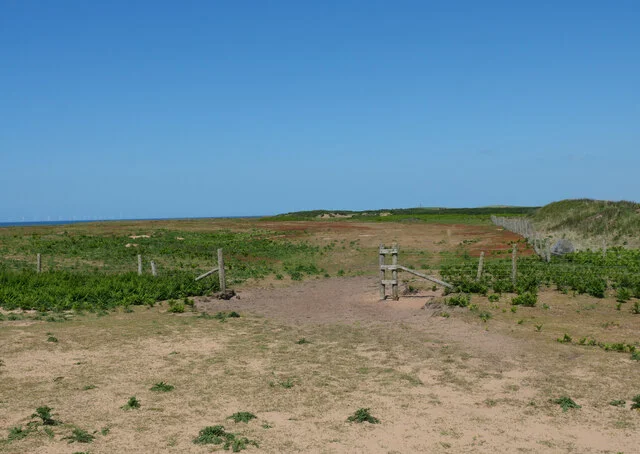
Walney Island, Barrow-in-Furness, Cumbria
Eiders, winter shorebirds, passage migrants and grey seals from permitted viewpoints
Decide if the visit fits.
Last checked 18 October 2026.
Cumbria Wildlife Trust notice checked 18 October 2026: Groyne Hide is temporarily closed while a replacement is built; no confirmed reopening date is given. Use the other signed routes and open hides.
Opening and charges information · checked .
Stay nearby →Reserve overview
Eiders, winter shorebirds, passage migrants and grey seals from permitted viewpoints
Eight checks for a smoother visit.
Conditions change: check the operator and transport notices before travelling.
January: Wigeon is usually worth looking for from Bank Hide. Compare the freshwater Gate Pool with the bay only after checking that the tidal approach road is safe. Use South Walney’s recent reports to judge that season’s activity before travelling. February: Redshank is usually worth looking for from Niko Tinbergen Hide. Keep flocks settled by watching through the hide windows rather than trying for a closer shore photograph. Use South Walney’s recent reports to judge that season’s activity before travelling. March: Shelduck is usually worth looking for from Observation Hide. The inner-pool view offers a manageable first session before committing to the longer exposed marked circuit. Use South Walney’s recent reports to judge that season’s activity before travelling. April: Wheatear is usually worth looking for from Observation Hide. Look over public trail edges without walking into grassland or approaching gull and wader breeding areas. Use South Walney’s recent reports to judge that season’s activity before travelling. May: Little Tern is usually worth looking for from Sea Hide. The Trust identifies this official sea-viewing hide for fishing terns; their breeding ground is not a visitor destination. Use South Walney’s recent reports to judge that season’s activity before travelling. June: Arctic Tern is usually worth looking for from Sea Hide. A scope makes offshore identification easier, but stop if strong wind prevents a steady, comfortable watch. Use South Walney’s recent reports to judge that season’s activity before travelling. July: Eider is usually worth looking for from Bay Hide. Use the public hide and keep the beaches, Spit and seal area undisturbed, regardless of apparently quiet conditions. Use South Walney’s recent reports to judge that season’s activity before travelling. August: Sandwich Tern is usually worth looking for from Sea Hide. Late-summer feeding activity varies. An advertised seasonal bird does not guarantee a close pass beside a particular window. Use South Walney’s recent reports to judge that season’s activity before travelling. September: Turnstone is usually worth looking for from Niko Tinbergen Hide. Rising water changes the distribution of waders, but an attractive tide is irrelevant if the access road is unsafe. Use South Walney’s recent reports to judge that season’s activity before travelling. October: Curlew is usually worth looking for from Bay Hide. The observatory covers all Walney, so check the locality of a report before assuming it concerns this reserve. Use South Walney’s recent reports to judge that season’s activity before travelling. November: Teal is usually worth looking for from Bank Hide. Opening finishes earlier in winter; allow the return walk and departure before the reserve gate is locked. Use South Walney’s recent reports to judge that season’s activity before travelling. December: Oystercatcher is usually worth looking for from Waders Hide. A compact entrance-side visit can be better than a full circuit in short daylight or exposed winter weather. Use South Walney’s recent reports to judge that season’s activity before travelling.
Best conditions: Usually choose a calmer day for exposed sea scanning, and use the entrance-side pools when wind makes the longer circuit uncomfortable. The current operator warns that tides above 10.5 m and storm conditions may flood the approach road; this is an access warning, not a preferred watching height. Check local advice and the forecast before travelling. Waders redistribute with water level; keep to hides and never enter the beach to intercept a flock.
Cumbria Wildlife Trust’s visitor information checked 19 October 2026 gives admission of £3 for an adult non-member and £1 for a child; members enter free. No separate parking tariff is published in the reviewed operator information. Pay the reserve admission rather than assuming nearby roadside parking provides free access. This is a protected working nature reserve with waymarked visitor routes, bird hides, toilets, picnic facilities and cycle parking. Dogs are excluded apart from assistance dogs, and the beaches and seal area are not public walking alternatives. Groyne Hide is temporarily closed during replacement work, without a confirmed reopening date. Check the operator’s live notice before travelling and ask about current diversions on arrival. Bring food, drink and suitable exposed-coast clothing; the Curiosity Cabin is normally staffed Friday to Monday.
Access times: Reserve: Daily 10:00–17:00; winter closing 16:00. Gate is locked shortly after closing. Do not enter beaches or the seal area. · Hides: Plan hide use within reserve hours. Groyne Hide temporarily closed for replacement, with no confirmed reopening date. · Car park: Within gated reserve access,10:00–17:00 or winter 16:00 closing; approach road can flood above 10.5 m tides and in storms according to current operator page. · Dawn access: no. Operator opening information.
Three waymarked routes give South Walney a useful choice of scale: orange is 1.5km, blue 3km and red 5km, according to the Trust. Pick a route that leaves time to stop. The combination of old gravel workings, shingle, saltmarsh and maritime grassland makes a slow circuit more interesting than simply reaching the farthest point. Stay on the waymarks throughout. The pools offer feeding and resting birds at different distances. Pause before opening a hide window or moving to the front of a viewpoint, then let the scene settle. Sea Hide provides the Trust's suggested summer tern watch; other open hides give views of the pools and offshore wildlife. Grey seals can be watched swimming or at distant haul-outs without approaching the colony. There is strictly no public access to the reserve beaches or the area occupied by seals, a restriction that protects vulnerable pups as well as birds. Walney Bird Observatory is based at South Walney and records birds across the island. Its activities include licensed ringing and long-term recording; the reserve walk does not confer entry to working traps or ringing areas. Contact the observatory about taking part rather than interrupting a ringing session. Two-hour plan: choose the orange route with a substantial pause at an available hide. Use a second watch at the pools to compare small waders with gulls and ducks, then return without adding a rushed coastal detour. A short visit should feel like a birdwatch, not a race to include all the hides. Full-day plan: begin with the blue or red circuit after opening, have a picnic break and revisit the most productive open hide in different light. Leave room for migrant watching along the marked route and time to return before the gate closes. The exact combination should follow that day's waymarks and any habitat-protection signs.
Use the linked reserve map and directions with current access notices. Species are typical seasonal targets. Light and telescope advice reflects our choice of viewpoint.
Irish Sea and offshore feeding water
Keep to waymarked path; beaches are closed to visitors.
Winter: Cormorant, Knot
Spring: Sandwich Tern, Cormorant
Summer: Arctic Tern, Little Tern, Sandwich Tern
Autumn: Cormorant, Knot
Light: either. Scope: essential.
Lighthouse Bay mudflats and water
Use current signed trail; no walk onto mudflats or The Spit.
Winter: Redshank, Curlew, Turnstone
Spring: Oystercatcher, Shelduck
Summer: Eider, Oystercatcher
Autumn: Redshank, Curlew, Turnstone
Light: either. Scope: essential.
Inner lagoons, meadow edge and bay panorama
The operator’s current-linked illustrated map names this hide; follow current local diversions.
Winter: Shelduck, Teal
Spring: Wheatear, Shelduck
Summer: Herring Gull, Lesser Black-backed Gull
Autumn: Curlew, Redshank
Light: either. Scope: useful.
Gate Pool freshwater and adjacent banks
Named on current-linked operator map beside entrance route; access conditions can be wet.
Winter: Wigeon, Teal, Moorhen
Spring: Mallard, Coot
Summer: Moorhen, Coot
Autumn: Wigeon, Teal
Light: either. Scope: useful.
Pools and wet margins near reserve entrance
Named on operator map; remain inside the hide and waymarked route.
Winter: Redshank, Oystercatcher
Spring: Shelduck, Oystercatcher
Summer: Mallard, Oystercatcher
Autumn: Curlew, Redshank
Light: either. Scope: useful.
Lighthouse Bay and adjacent shoreline habitat
Named on current-linked operator map; private lighthouse grounds are excluded.
Winter: Curlew, Redshank
Spring: Oystercatcher, Eider
Summer: Shelduck, Eider
Autumn: Curlew, Redshank
Light: either. Scope: essential.
Operator seal-viewing facility under replacement
Closed on 19 October 2026 review; replacement construction has no confirmed opening date. Do not seek an alternative beach approach.
Light: either. Scope: useful.
| Spot | Overlooks | Key species by season | Best light | Scope | Tide |
|---|---|---|---|---|---|
| Sea HideKeep to waymarked path; beaches are closed to visitors. | Irish Sea and offshore feeding water | Winter: Cormorant, Knot Spring: Sandwich Tern, Cormorant Summer: Arctic Tern, Little Tern, Sandwich Tern Autumn: Cormorant, Knot | either | essential | — |
| Niko Tinbergen HideUse current signed trail; no walk onto mudflats or The Spit. | Lighthouse Bay mudflats and water | Winter: Redshank, Curlew, Turnstone Spring: Oystercatcher, Shelduck Summer: Eider, Oystercatcher Autumn: Redshank, Curlew, Turnstone | either | essential | — |
| Observation HideThe operator’s current-linked illustrated map names this hide; follow current local diversions. | Inner lagoons, meadow edge and bay panorama | Winter: Shelduck, Teal Spring: Wheatear, Shelduck Summer: Herring Gull, Lesser Black-backed Gull Autumn: Curlew, Redshank | either | useful | — |
| Bank HideNamed on current-linked operator map beside entrance route; access conditions can be wet. | Gate Pool freshwater and adjacent banks | Winter: Wigeon, Teal, Moorhen Spring: Mallard, Coot Summer: Moorhen, Coot Autumn: Wigeon, Teal | either | useful | — |
| Waders HideNamed on operator map; remain inside the hide and waymarked route. | Pools and wet margins near reserve entrance | Winter: Redshank, Oystercatcher Spring: Shelduck, Oystercatcher Summer: Mallard, Oystercatcher Autumn: Curlew, Redshank | either | useful | — |
| Bay HideNamed on current-linked operator map; private lighthouse grounds are excluded. | Lighthouse Bay and adjacent shoreline habitat | Winter: Curlew, Redshank Spring: Oystercatcher, Eider Summer: Shelduck, Eider Autumn: Curlew, Redshank | either | essential | — |
| Groyne Hide — temporarily closedClosed on 19 October 2026 review; replacement construction has no confirmed opening date. Do not seek an alternative beach approach. | Operator seal-viewing facility under replacement | — | either | useful | — |
Month chips show typical presence or our preferred viewing season. Choose birds that suit the time of your visit.
Consult tide predictions and the operator before using the approach road. Operator warns of flooding at tides above 10.5 m and storms but does not identify the prediction datum/port; do not apply that number mechanically to this nearby port. Watch waders from official hides and never access beaches.
South Walney is an exposed coastal reserve with a choice of trail lengths. Contact the Trust about the particular route, hide entrances and current surface conditions before bringing a wheelchair or other mobility aid. A route distance alone does not describe the effort involved on loose shingle, uneven grass or wind-affected ground, and a shorter route can still require more effort than a town promenade. A Tramper mobility scooter is advertised through the Trust's local visitor arrangements. Arrange its availability and the permitted route in advance, including any induction and return requirements; do not assume a machine will be waiting without a booking. Check whether a companion is needed for the intended outing and discuss access to an appropriate toilet at the same time. The weather matters particularly when remaining stationary at a hide or exposed viewpoint. Bring layers and allow breaks so that the person who walks most slowly is not rushed at the end of the day. Choose an out-and-back or shorter waymarked option if the party cannot comfortably complete a circuit. Any temporary works or locally signed diversion should be assessed on its own merits.
The Trust lists a visitor centre, bird hides, toilets, picnic area and cycle parking. The visitor cabin's separate opening days appear in the entry information. Bring lunch and drinks for a longer stay; no everyday reserve café service is listed. The cabin and interpretation help explain the landscape's former salt, sand and gravel workings. Keep the picnic area tidy, avoid feeding wildlife and take rubbish away. Barrow-in-Furness provides the larger range of shops and refreshments before or after the reserve visit.
Only assistance dogs are permitted at South Walney. Ordinary pet dogs must be left out of the reserve visit, including its trails and beaches; the exclusion protects seals and ground-nesting and wintering birds. Arrange suitable care before travelling rather than leaving an animal waiting in a parked vehicle.
Barrow-in-Furness is the rail gateway. A pre-booked taxi from the station to South Walney gives a practical car-free connection, especially with optical equipment or when winter daylight is short. Arrange the return before setting out: the reserve is beyond the built-up part of the island, so an unplanned roadside pickup is a poor end to a coastal day. The Trust's directions mention buses from Barrow to Biggar, but do not give a route number or a current timetable. Stagecoach's current service 1 runs to Biggar Bank; that coastal suburb is not the same place as Biggar village and is not a reserve-door service. Do not use the similar names to assume that the remaining walk is short. Confirm an actual connection with the operator before choosing a bus-and-walk itinerary. Cyclists can approach via local roads from the Bay Cycleway, National Cycle Network 700, or Walney to Wear route 70. The Trust says the reserve is approximately three miles from those cycle routes. Follow the signed road approach through Biggar and use the provided cycle parking.
Useful bases for an early start.
Booking.com links are affiliate links: we may earn a commission at no extra cost to you. How these links work.
About 7.0 miles by road, roughly 22 minutes’ drive to the reserve road arrival (OSRM, measured 18 October 2026; estimate without live traffic).
Measured driving route · 18 October 2026. Map estimates exclude live traffic.
A base in Barrow-in-Furness suits a longer break that includes South Walney Nature Reserve and Observatory.Find places to stay in Barrow-in-Furness on Booking.comAbout 15.9 miles by road, roughly 37 minutes’ drive to the reserve road arrival (OSRM, measured 18 October 2026; estimate without live traffic).
Measured driving route · 18 October 2026. Map estimates exclude live traffic.
A base in Ulverston suits a longer break that includes South Walney Nature Reserve and Observatory.Find places to stay in Ulverston on Booking.comAbout 10.8 miles by road, roughly 31 minutes’ drive to the reserve road arrival (OSRM, measured 18 October 2026; estimate without live traffic).
Measured driving route · 18 October 2026. Map estimates exclude live traffic.
A base in Dalton-in-Furness suits a longer break that includes South Walney Nature Reserve and Observatory.Find places to stay in Dalton-in-Furness on Booking.comExplore Cumbria’s full guides and smaller birding sites
Cumbria Wildlife Trust publishes 01229 471066 and mail@cumbriawildlifetrust.org.uk for South Walney enquiries. Use its reserve page for current hide notices and visitor arrangements, and the Walney Bird Observatory blog for dated bird reports and ways to support its recording work. Ask the Trust about the access road, assisted visiting or a group outing before making the journey. Report distressed seals through the appropriate wildlife rescue service rather than approaching them across a closed beach.
Check Walney Bird Observatory actual daily island reports. frequent dated field reports; October 2026 reviewed, recording area includes whole island Reports show what has been seen, not what will be.
Follow the BTO Birders’ Code and give wildlife space.
South Walney Nature Reserve and Observatory: Non-member adult £3, child £1; members free; separate parking tariff not published.
South Walney Nature Reserve and Observatory: Only assistance dogs are permitted at South Walney.
South Walney Nature Reserve and Observatory: Year-round coastal wildlife; spring migrants and winter wildfowl.
South Walney Nature Reserve and Observatory: Contact the Trust about the particular route, hide entrances and current surface conditions before bringing a wheelchair or other mobility aid.
South Walney Nature Reserve and Observatory: Barrow-in-Furness is the rail gateway.
Shorter stops within 15 miles in a straight line. Use the operator’s arrival directions for the journey.
Near Heysham docks, Morecambe · Reedbed · grassland · wetland · scrub
Nearby complete guides.
Stops with a purpose: use one as a contrasting habitat or weather-proof Plan B. Distances are straight-line estimates, not road journeys.