
Short entry4.7 miles away
Aughton Woods
Lune Valley, between Aughton and Caton · Ancient semi-natural woodland · meadow
 the ai birderBirding near me
The AI Birder · one-page field sheet
Hest Bank, Lancashire · LA2 6DZ

Oystercatcher · Knot · Dunlin · Curlew · Redshank · Black-tailed Godwit
Shore Road landward coastal edge
Check current access, hide closures and operator notices before travelling. Seasonal birds are possibilities, not promised sightings. Keep to authorised routes and give wildlife space.
Opening and charges checked 2026-10-18. Operator: https://www.rspb.org.uk/days-out/reserves/hest-bank-at-morecambe-bay
Full guide and current source links: https://aibirder.co.uk/reserves/rspb-hest-bank-at-morecambe-bay
EN 68 · RSPB reserve guide
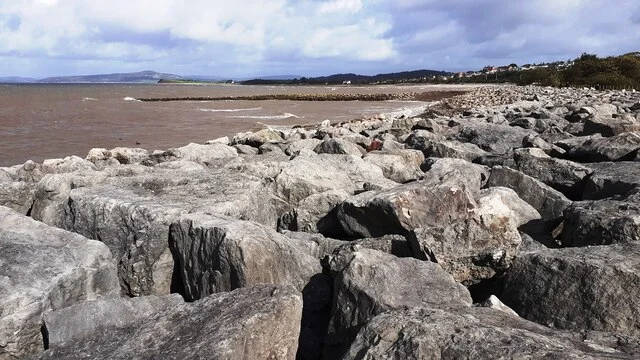
Hest Bank, Lancashire
Oystercatchers, knots, curlews and other waders on the changing tide
Decide if the visit fits.
Last checked 18 October 2026.
Opening and charges information · checked .
Stay nearby →Reserve overview
Oystercatchers, knots, curlews and other waders on the changing tide
Eight checks for a smoother visit.
Conditions change: check the operator and transport notices before travelling.
January: Usually watch Knot, Dunlin and Oystercatcher from Shore Road landward coastal edge. Use a steady telescope to compare flock shapes, keeping well back when birds gather. The dry public edge is the viewing place, never a starting point for walking across the bay. February: Grey Plover and Bar-tailed Godwit typically add interest from Shore Road landward coastal edge. Check several parts of the visible feeding ground slowly. Cold wind can make a short settled session more useful than a long exposed wander. March: Usually compare Redshank, Curlew and Dunlin from Shore Road landward coastal edge. The incoming water changes the birds’ feeding space; your own position should remain landward. Move back promptly if a flock becomes alert or repeatedly takes flight. April: Bar-tailed Godwit and Ringed Plover typically provide spring comparisons from Shore Road landward coastal edge. Look at bill shape and feeding pace before deciding on a name. Choose a safe dry position with light behind you rather than pursuing a closer view. May: Our choice is a quiet Oystercatcher and Curlew watch from Shore Road landward coastal edge. Numbers and species change through migration, so avoid judging the day by winter expectations. A few carefully watched birds can be more instructive than a distant busy flock. June: Usually use Shore Road landward coastal edge for Oystercatcher, Redshank and Black-headed Gull. This is an open shore watch without a hide. Make the session fit the weather and keep visitors and dogs away from feeding birds. July: Curlew and Oystercatcher typically remain useful targets from Shore Road landward coastal edge. Scan quietly for returning shorebirds without assuming every flock is a new arrival. Give birds room to settle and keep the public route clear for other people. August: Dunlin and Ringed Plover typically bring renewed passage interest from Shore Road landward coastal edge. Compare birds against the larger Oystercatchers before moving to the next sector. A changing tide is a reason to reassess your distance, not to walk onto the mud. September: Usually scan for Knot, Black-tailed Godwit and Turnstone from Shore Road landward coastal edge. Binoculars show movement across the scene; a telescope helps with distant bills and plumage. Stay outside the space needed by feeding and resting flocks. October: Wigeon and Grey Plover typically strengthen the autumn shore watch from Shore Road landward coastal edge. Check the day’s tide predictions before leaving home. Keep a village break available if exposed conditions make continuous watching uncomfortable. November: Usually prioritise Knot and Dunlin from Shore Road landward coastal edge, comparing them with Redshank and Curlew. Leave plenty of undisturbed space as water rises. The best photograph is the one made without sending the flock into the air. December: Typically watch Oystercatcher, Wigeon and Bar-tailed Godwit from Shore Road landward coastal edge. Short winter daylight favours an uncomplicated visit and a warm break afterwards. Neither round-the-clock reserve access nor a low tide makes an independent bay crossing safe.
Best conditions: Our choice is a calm morning with the light behind you, watching a rising tide from the landward coastal edge. Typically late-day glare across the westward bay and strong onshore wind make distant identification harder. Scope and light ratings are editorial advice. Leave resting flocks undisturbed and never step out onto the mud to improve an angle.
The RSPB adult admission table gives free entry to members and non-members, checked on 18 October 2026, and the opening calendar lists the reserve as open 24 hours. A daylight visit from the coastal edge is the useful option for birdwatching; opening status does not make the intertidal bay safe to explore. For parking, the RSPB directs visitors to Shore Road, Hest Bank, LA2 6HN and states that this is not an RSPB car park. The reserve's main contact address instead uses LA2 6DZ. Follow the actual Shore Road arrival instructions rather than expecting those two postcodes to mark the same entrance. A current parking tariff was not published on the RSPB pages checked, so consult the car park signs. Check current weather, local tide information and any access notices before travelling. The charges page's generic instruction to pay at a visitor centre conflicts with the facilities page, which explicitly says there is no centre here.
Access times: Reserve: RSPB lists the nature reserve open 24 hours; use the established landward public edge and obey any temporary restrictions. · Hides: No hide or formal RSPB viewpoint is provided. Watching is outdoors without shelter. · Car park: Shore Road parking is not operated by the RSPB; no independent gate or overnight timetable is established by the checked operator pages. Follow local signs. · Dawn access: partly. Operator opening information.
Hest Bank works as a shore watch with a modest walk, rather than a circuit between hides. From the Shore Road arrival area, find a comfortable place on the established landward coastal edge and scan the exposed feeding grounds. The RSPB provides neither managed trails nor formal viewing points. Choose your turning point by the weather, the available dry route and the needs of the party, rather than a target distance across the bay. The high-tide roost deserves particular care. A settled flock is conserving energy; if birds become alert, move away, or repeatedly lift as people approach, increase the distance. Binoculars let you follow movements across the shore, while a telescope is useful for sorting dunlins and knots among the larger birds. Never walk towards a flock over mud or sand to improve the photograph. Morecambe Bay's channels and rapidly changing water make an independent cross-bay route inappropriate. Two-hour plan: arrive with time to observe the incoming tide from the coastal edge. Spend an initial scan identifying the largest birds and the direction in which they are feeding. Take a short landward stroll only if it improves the light without pressing the birds, then return to one comfortable watch as the water rises. Finish when the conditions or disturbance risk make a quiet watch difficult; two hours is an editorial allowance, not a safe tidal crossing window. Full-day plan: combine an earlier feeding watch with a break back in the village, returning to the shore for the day's chosen rising tide. Use the quieter interval to compare bills, body sizes and feeding actions in the groups still visible. A longer day here benefits from a meal and warm break rather than continuous exposure. If the tide is unsuitable or the shore too windy, shorten the coastal portion and leave the bay itself untouched.
Use the linked reserve map and directions with current access notices. Species are typical seasonal targets. Light and telescope advice reflects our choice of viewpoint.
Morecambe Bay feeding mudflats and tidal water, watched from the dry public coastal edge
There are no managed RSPB trails, hides or formal viewpoints. Stay on the landward route; do not enter mudflats or approach a roost.
Winter: Knot, Dunlin, Grey Plover, Wigeon
Spring: Bar-tailed Godwit, Ringed Plover, Shelduck
Summer: Curlew, Oystercatcher, Black-headed Gull
Autumn: Black-tailed Godwit, Redshank, Turnstone
Light: morning. Scope: essential.
Tide: A rising tide can bring feeding birds into view; maintain distance and move away if the remaining space becomes crowded.
| Spot | Overlooks | Key species by season | Best light | Scope | Tide |
|---|---|---|---|---|---|
| Shore Road landward coastal edgeThere are no managed RSPB trails, hides or formal viewpoints. Stay on the landward route; do not enter mudflats or approach a roost. | Morecambe Bay feeding mudflats and tidal water, watched from the dry public coastal edge | Winter: Knot, Dunlin, Grey Plover, Wigeon Spring: Bar-tailed Godwit, Ringed Plover, Shelduck Summer: Curlew, Oystercatcher, Black-headed Gull Autumn: Black-tailed Godwit, Redshank, Turnstone | morning | essential | A rising tide can bring feeding birds into view; maintain distance and move away if the remaining space becomes crowded. |
Month chips show typical presence or our preferred viewing season. Choose birds that suit the time of your visit.
Plan an incoming-tide feeding watch from the dry coastal edge and retain generous distance from birds as the available shore narrows. No fixed arrival offset or safe crossing window is claimed.
There is no managed accessible trail at Hest Bank. The RSPB lists both wheelchair and pushchair access as unavailable and makes no promise of a surfaced route through the intertidal ground. A shore-based view may still suit some visitors, but the precise surface between the parking place and a comfortable observation position needs individual assessment. Keep the practical distinction between the public arrival area and the tidal shore. Loose stones, wet sand, mud and uneven ground can present different difficulties for a wheelchair, walking frame or someone with limited balance. Do not use an exposed-flat route to get around an obstacle on land. A companion should assess the immediate route while the visitor remains somewhere secure. There is no shelter or staffed reception to provide assistance. Allow for the effort of standing in a coastal wind, and consider a shorter watch with a seat that can be used on stable ground. For detailed questions about suitable access, contact the RSPB before travelling. Public accessible toilets are in Morecambe or Carnforth, so make a separate facilities stop part of the journey.
Hest Bank has no RSPB visitor centre, shop, toilets or baby changing. The RSPB identifies a café beside the car park and local businesses whose toilets are for their customers. Public toilets are in Morecambe or Carnforth. Carry drinking water and enough food for the planned watch rather than relying on a reserve service. Bring a waterproof layer and a means of keeping binoculars dry: the birdwatch is in the open, and there is no hide to retreat into when rain arrives.
The RSPB asks for dogs on short leads and a respectful distance from bird flocks. Keep that distance even when the dog is quiet; a close approach can make resting waders leave the shore. Visitors with assistance dogs are welcome at RSPB Hest Bank at Morecambe Bay. Remove dog waste and keep the coastal walking line clear for other visitors.
Stagecoach service 55 links Lancaster and Carnforth and serves Hest Bank's Peacock Lane. The operator's current route page includes the Hest Bank stop and a September 2026 notice confirming the normal route resumed after overhanging trees were cut back. Use its travel-date timetable for the actual outward and return journeys, then follow mapped village streets to the Shore Road coastal arrival area. Lancaster and Carnforth provide rail connections for the bus leg; allow time to transfer to the relevant bus stop rather than assuming the railway and bus platforms coincide. A pre-arranged taxi from either station is another practical option for a short winter outing with a telescope. The old Hest Bank station is not a passenger rail destination. For the final approach, use legal pedestrian access and any controlled railway crossing exactly as signed. Do not cross the railway elsewhere to reach the bay. Keep the return bus or taxi arrangement independent of the point where a distant bird flock happens to settle, so that there is no pressure to rush across unsuitable ground.
Useful bases for an early start.
Booking.com links are affiliate links: we may earn a commission at no extra cost to you. How these links work.
About 3.8 miles by road, roughly 11 minutes’ drive to the coastal arrival point (OSRM, measured 18 October 2026; an estimate without live traffic).
Measured driving route · 18 October 2026. Map estimates exclude live traffic.
Rail connections and a city stayFind places to stay in Lancaster on Booking.comAbout 2.9 miles by road, roughly 8 minutes’ drive to the coastal arrival point (OSRM, measured 18 October 2026; an estimate without live traffic).
Measured driving route · 18 October 2026. Map estimates exclude live traffic.
A seafront base on the bayFind places to stay in Morecambe on Booking.comAbout 3.6 miles by road, roughly 10 minutes’ drive to the coastal arrival point (OSRM, measured 18 October 2026; an estimate without live traffic).
Measured driving route · 18 October 2026. Map estimates exclude live traffic.
The northern approach to Hest BankFind places to stay in Carnforth on Booking.comExplore Lancashire’s full guides and smaller birding sites
Use the RSPB's Hest Bank at Morecambe Bay reserve pages for the current official arrival and facilities information. Its published address is Morecambe, Lancashire, LA2 6DZ, while its parking instructions give Shore Road, LA2 6HN. There are no reserve staff based at the shore, so resolve access questions before the journey through the RSPB's contact channels. For a coastal emergency, call 999 and ask for the Coastguard; do not attempt to retrieve someone from the bay without professional help.
Check Lancaster and District Bird Watching Society: district sightings. as reports are submitted Reports show what has been seen, not what will be.
Follow the BTO Birders’ Code and give wildlife space.
RSPB Hest Bank at Morecambe Bay: Free entry; Shore Road parking is not RSPB-run and its tariff is not published by RSPB.
RSPB Hest Bank at Morecambe Bay: The RSPB asks for dogs on short leads and a respectful distance from bird flocks.
RSPB Hest Bank at Morecambe Bay: Autumn and winter waders; passage birds in spring and late summer.
RSPB Hest Bank at Morecambe Bay: There is no managed accessible trail at Hest Bank.
RSPB Hest Bank at Morecambe Bay: Stagecoach service 55 links Lancaster and Carnforth and serves Hest Bank's Peacock Lane.
Shorter stops within 15 miles in a straight line. Use the operator’s arrival directions for the journey.
Lune Valley, between Aughton and Caton · Ancient semi-natural woodland · meadow
Near Heysham docks, Morecambe · Reedbed · grassland · wetland · scrub
Near Witherslack · Raised peat bog · pools · scrub edge
Near Witherslack · Raised peat bog · pools · woodland edge
Nearby complete guides.
Stops with a purpose: use one as a contrasting habitat or weather-proof Plan B. Distances are straight-line estimates, not road journeys.