Llandudno Junction
Rail-based approach to the reserve
Find stays in Llandudno Junction on Booking.com the ai birderBirding near me
UK birdwatching calendar
September offers one of the broadest choices of the birding year: passage waders, departing summer birds and the first signs of winter can overlap. Our choice is an estuary weekend with enough flexibility to follow the conditions.
Another seasonal option is Seaforth’s permit-only lagoon hides. Check access and local timing before adding it to your route.
Another seasonal option is Spurn’s migration and public-route guide. Check access and local timing before adding it to your route.
Another seasonal option is Portland Bill’s seawatching and observatory guide. Check access and local timing before adding it to your route.
Another seasonal option is Flamborough’s seabird cliffs and migration guide. Check access and local timing before adding it to your route.
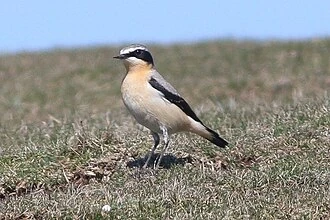
September asks you to look in more than one direction. Summer visitors are typically departing while other birds arrive or pass through, and the balance changes during the month. Choose a main interest before choosing a destination: wader comparison, woodland migration or broad wetland watching each suggests a different day. Our recommendation for a first September trip is a reserve with several habitats, where the visit remains rewarding if one particular view is quiet.
Berry bushes deserve a stop as well as open water. The RSPB highlights Blackbirds, other thrushes and warblers feeding on autumn fruit in September, and Jays collecting acorns. Choose a public path with a comfortable view and wait quietly, allowing birds to return to feeding. Look at how a bird handles the fruit and where it goes afterwards. It is an excellent alternative when glare makes distant wetland identification difficult, and adds a different scale of observation to a migration day.
Migration is often easier to appreciate through repeated ordinary observations than through a single dramatic arrival. Keep a note of familiar birds, the size of feeding groups and which habitats they use. Return to the same public viewpoint a week later if you can. A change from scattered summer families to larger mixed groups tells a seasonal story without requiring a rare bird, a large count or a journey to the most fashionable coastline.
The month also offers a useful identification lesson. Juvenile waders can look different from adults, ducks may be changing appearance and birds seen briefly in autumn vegetation give fewer clues than singing spring birds. Be patient with partial views. Write down the features that rule species in or out, then wait for movement to reveal more. Keeping some records unresolved is a normal part of good birdwatching, especially while learning a new group.
Wetland reserves give September a reliable focus because food and safe resting space bring birds into observable places. RSPB Frampton Marsh and RSPB Titchwell Marsh are our English choices for a day built around different water depths and habitat edges. Compare the reserve guides before deciding which journey suits you. One well-chosen site gives more time to recognise patterns than a long drive connecting several places whose best viewing periods overlap.
RSPB Conwy makes tide and lagoon watching easy to consider together: the operator describes birds moving from the estuary towards the lagoons around high water. At RSPB Belfast Window on Wildlife, the relationship between mudflat feeding and high-tide views gives another example of why timing matters. Watch the birds' movement as an unfolding sequence. Avoid interpreting every departure as migration; local feeding and resting movements happen alongside the much longer journeys of the season.
For a larger spectacle, compare RSPB Snettisham with the conditions of your dates. Its published tide advice should drive the plan if you want the whirling wader experience. In Scotland, RSPB Loch of Strathbeg offers an autumn wetland alternative, with the operator highlighting geese in the autumn and winter season. Choose between these experiences by interest and location, and allow arrivals and numbers to vary naturally from one year to another.
For a different balance of shelter and open water, compare RSPB Mersehead, RSPB Newport Wetlands and RSPB Portmore Lough with the coastal choices. These are alternatives in their respective regions, not stops on one enormous journey. Our advice is to choose the manageable local day first, then reserve a longer trip for a clear reason. September offers enough change that watching a familiar reserve properly can be more satisfying than travelling far simply because the month is associated with migration.
September can feel like summer at lunchtime and much cooler during an early or late watch. Pack a windproof layer and enough food for a longer pause, even when the outward walk feels warm. Look at the actual forecast for the viewpoint rather than relying on conditions where you live. If rain makes the exposed route unattractive, choose a sheltered official view and spend more time watching a smaller area well.
At tidal reserves, begin with the local guide's explanation of the site's rhythm. Some views improve as water pushes birds towards safe resting places; others offer their best feeding observation while mud remains exposed. Write the relevant tide stage into your plan and leave a margin for walking back. Stay within authorised access throughout. A compelling flock on the far side of a creek is a reason to use distance viewing, not to improvise a route.
For seawatching, comfort and visibility matter as much as a promising wind direction. Use an established safe public position and keep the horizon watch short enough to maintain concentration. If the sea produces only distant unidentified shapes, switch to a different habitat or compare the birds you can actually see. Our preference for a mixed-experience group is a practical wetland fallback, agreed before everyone becomes cold and reluctant to change the day's plan.
Use the North Norfolk weekend trip as a framework, with one main reserve each day. Begin at Titchwell with a deliberate comparison of waterbird feeding methods, then choose the next day's plan around tide and forecast. Snettisham belongs in that plan when the operator's selected conditions align. Leave a space for repeating a productive watch rather than adding another destination solely to make the itinerary appear fuller.
September is a good month to give each person a small observation project. One could sketch bills, another compare flock movement and another record which habitats held the most activity. Over a meal, discuss what helped each identification and what remains uncertain. That makes a weekend useful for beginners and experienced birders together. If a rare-bird report tempts a detour, weigh the remaining travel, permission and daylight against the pleasure already available where you are.
Give newly arrived birds room to rest and feed. Approach public hides without standing in exposed doorways, keep conversations quiet near close birds and share useful views without crowding them. On open shores, choose a route that leaves the flock undisturbed, even if it means a less direct walk. A bird that repeatedly changes direction ahead of you is already showing that the distance needs to increase.
Keep photographs and reports proportionate to the place. Respect any operator request to withhold sensitive detail, and avoid adding directions to private land or resting sites that lack authorised viewing. For your own record, distinguish something heard from something clearly seen, and note when a number is only an estimate. September's excitement is best enjoyed with careful observation; there is no need to turn every brief glimpse into a definitive claim or every flock into an exact count.
Titchwell is our September choice for a party with different interests. Compare birds on freshwater with those using the saltmarsh and coastal setting, choosing a pace that leaves time to notice behaviour. The reserve guide contains practical arrangements. A sustained watch can reveal which shapes belong together and which bird is different, an especially useful skill when a mixed wader group first seems confusing.
Frampton is suited to a September wetland day with an identification focus. Select a useful view, make a broad scan and then work through the nearer birds in smaller groups. Our advice is to use relative size and movement before fine plumage detail. Light can change the apparent colour remarkably, so return to proportions when a bird looks different after turning.
Snettisham is our recommendation for visitors willing to let the tide dictate the September timetable. Match the plan to the official spectacle guidance and keep travel comfortably outside the main viewing period. Once there, enjoy the changing geometry of the flock as well as individual birds. Leave the roosting space to wildlife and watch from the authorised positions described in the guide.
Loch of Strathbeg is a Scottish option for observing the development of autumn waterbird activity. Read the operator's seasonal guidance and use the established views, allowing the birds visible that day to set the agenda. Our preference is a broad landscape watch followed by closer comparisons through binoculars. Check access advice in the full guide before building a longer journey around the visit.
Mersehead suits a September Solway day with room for both wetland and coastal observation. Autumn is a changing season here, so plan to appreciate habitat and ordinary bird activity rather than depend on a fixed arrival date. Use a manageable public route and compare the scene at the beginning and end of the visit. A notebook helps make those differences clear.
Lochwinnoch gives western Scotland a freshwater alternative when an exposed coast is unappealing. Use the reserve for careful watching rather than treating it as a place to hurry through on the way elsewhere. Our suggested exercise is to follow one feeding group and describe how its members use different parts of the water. Take practical route and weather advice from the guide.
Conwy is our Welsh choice for studying the connection between estuary birds and lagoon refuge. Time the visit thoughtfully, then compare where birds were feeding with where they gather later. The operator explains that the lagoons themselves are freshwater, which makes this a useful place to separate tide effects from local water depth. Keep the actual movements central to the watch.
Ynys-hir provides a September day with both woodland shelter and wider wetland scenery. Choose the route that suits your party and pause where calls or movement suggest a feeding group. Our preference is to work one woodland section carefully before settling into an open view. A varied day need not mean completing every trail or expecting every habitat to be equally busy.
Newport Wetlands is a South Wales option for comparing reeds, open water and estuary in early autumn. Start by listening, then use movement to direct a more careful look. Our advice is to choose one comfortable viewpoint for an extended session, keeping the rest of the circuit flexible. Avoid following every fleeting shape into cover; patient watching from the path gives birds space.
Belfast Window on Wildlife is our Northern Irish recommendation for a September tide-aware wetland visit. Read the guide, select the authorised visitor areas and observe how the groups change through the session. Compare familiar Curlew and Oystercatcher shapes with other birds nearby. Useful learning comes from understanding the ordinary pattern first, making an unusual individual easier to recognise without relying on expectation.
Portmore Lough suits someone who wants a freshwater autumn watch. The operator highlights gathering wildfowl during the season, so spend time comparing the groups spread across the lough. Be cautious with distant plumages and use several views before deciding. Our choice is a relaxed session with enough room to revisit a difficult bird, followed by notes while the details are fresh.
Castle Espie offers a Strangford Lough wetland day that can include companions who prefer shorter watching sessions. Plan the visit through the guide and distinguish the wider lough experience from the centre itself. Our September suggestion is to compare feeding and resting activity, then take a break before returning to the same view. A changing scene can make a modest outing feel surprisingly rich.
Explore Norfolk’s full guides and smaller birdwatching sites
Some links earn us a small commission at no extra cost to you. Choose a settlement base for the seasonal reserve visit, then confirm access before booking.
Rail-based approach to the reserve
Find stays in Llandudno Junction on Booking.comA town stay beside the North Wales coast
Find stays in Conwy on Booking.comGuesthouses and hotels for a longer regional trip
Find stays in Llandudno on Booking.comStart with a bird, then compare the linked guides’ public watching places and access. These are seasonal choices from the reserve guides, not current sightings. Up to three starting points are shown for each species, prioritising headline birds and flagship guides; other sites may suit you better. Protected birds have no precise location here.