

SC 40 · Fair Isle Bird Observatory Trust reserve guide
Fair Isle Bird Observatory
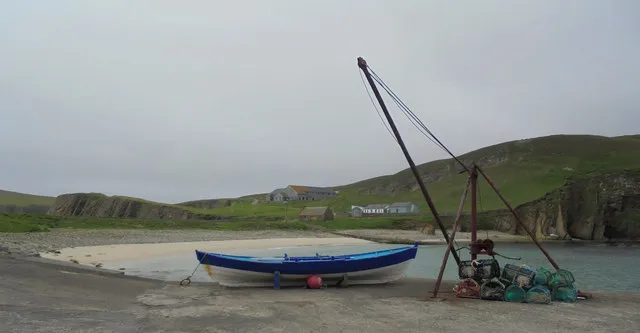
North Haven, Fair Isle, Shetland
Puffins, Wheatears, Redwings, Gannets
Decide if the visit fits.
Fair Isle Bird Observatory at a glance
Last checked 18 October 2026.
- Open
- Guesthouse 20 May–31 Oct 2026; 26 Apr–26 Oct 2027. Ferry timetable varies by season.More about open
- Price / parking
- Fair Isle ferry £19.50 adult non-resident single (2026/27); 2027 full-board shared room £163 per person/night.More about price / parking
- Best time
- Spring and autumn passage; seasonal breeding and winter birdsMore about best time
- Dogs
- Confirm any proposed dog stay directly with the Observatory and…More about dogs
- Toilets
- See facilitiesMore about toilets
- Step-free
- The Observatory says it can accommodate guests with particular m…More about step-free
Opening and charges information · checked .
Stay nearby →On this page
Reserve overview
Fair Isle reserve and habitat
Puffins, Wheatears, Redwings, Gannets
Eight checks for a smoother visit.
Planning your visit to Fair Isle
Conditions change: check the operator and transport notices before travelling.
Fair Isle best time to visit and seasonal birds
January: typically look for Greylag Goose from Public road through the crofting area. The observatory guesthouse is seasonal, so arrange an independent island stay and travel before considering winter birding. Keep to the public road, leave crofts and gardens private, and allow considerable weather flexibility. February: typically look for Rock Pipit from North Haven public shore viewpoints. Watch from a safe public shore position without obstructing boats or working harbour access. A sheltered daylight session is preferable to an exposed headland walk when wind or rain limits visibility. March: typically look for Skylark and Twite from Public road through the crofting area. The operator calendar describes spring returns, not fixed arrival dates. Listen while walking the road slowly and respect residents; a reported migrant does not grant permission to enter a garden or ringing area. April: typically look for Black Guillemot from North Haven public shore viewpoints. Calm water can make coastal birds easier to pick out. Leave rocks, nesting cavities and working landing places alone; use binoculars and check the ranger board for any organised walk available during your stay. May: typically look for Puffin from Ranger-led Puffin walk. Ask the ranger about the advertised walk rather than finding your own route into breeding ground. The new observatory opened in May 2025; the verified 2026 guesthouse season begins on 20 May. June: typically look for Guillemot and Razorbill from South Light public approach. Compare the birds from the established public approach, with generous space from unprotected edges. Seabird viewing depends on safe wind and visibility; do not follow birds down slopes or onto occupied ledges. July: typically look for Kittiwake from South Light public approach. Give flying birds time before moving to another part of the island. On a busy summer visit, coordinated ranger advice is more useful than approaching colonies for closer photographs or searching for a particular nest. August: typically look for Puffin from Ranger-led Puffin walk. The operator says most leave by mid-August, so the month is not a uniform viewing window. Check current ranger advice before building a journey around a late visit, and keep alternative island walks in mind. September: typically look for Wheatear and Meadow Pipit from Public road through the crofting area. Autumn migration is weather-led. Establish the common birds first, scan from public places and accept a quiet day; no wind direction or recent report promises that an exceptional migrant will arrive for your visit. October: typically look for Redwing and Song Thrush from Public road through the crofting area. Read the actual daily observatory reports before choosing a route. The verified 2026 guesthouse season ends on 31 October; allow travel contingency rather than assuming the last available bed also guarantees a departure. November: typically look for Robin from Public road through the crofting area. Use the available daylight and respect island privacy during the quieter season. Accommodation and transport need separate arrangements after the observatory closes, and weather may make a planned short stay considerably longer. December: typically look for Starling and Wren from Public road through the crofting area. Keep winter expectations centred on familiar resident birds and the landscape. A short public-road walk can be the sensible choice; exposed lighthouse approaches are optional, never an obligation in a poor forecast.
Best conditions: Our choice is a calm morning for coastal birds and an unhurried public-road walk for migrants. Strong wind, rain, short winter days and disrupted island transport can dominate the plan. Ranger-led walks are the appropriate introduction to breeding seabirds; use a scope only from a stable, safe position.
Fair Isle opening times, entry and facilities
The Observatory's official 2027 guesthouse season is Monday 26 April to Tuesday 26 October. Published full-board rates per person per night are £184 single, £163 in a shared twin/family room, and £199 for single use of a twin. The dated discounted periods have separate rates on the prices page. The 2027 booking deposit is 20%, with the balance due eight weeks before arrival. Those terms differ from the adjacent 2026 section, which specifies a 10% deposit; use the terms for the booked year. General 2027 bookings were advertised to follow Friends' priority booking from 1 September 2026. For the remainder of 2026, the guesthouse is advertised through 31 October. Arrange accommodation and transport together. There is no mainland car park serving as an island entrance; the postcode below identifies the Tingwall flight departure point.
Access times: Reserve: National Trust for Scotland lists island access daily all year; this does not open private gardens, crofts or observatory research areas. · Hides: No public enclosed hide inventory verified. Observatory interiors and grounds require staff permission or guest arrangements. Guesthouse: 20 May–31 October 2026; 26 April–26 October 2027. · Car park: Island walking destination; no separate visitor car-park gate timetable applies to these public walking approaches. · Dawn access: partly. Operator opening information.
Fair Isle trails, hides and visit length
Fair Isle is a lived-in island with crofts, gardens, working buildings and a scientific observatory. The best introduction is an Observatory ranger walk, which puts the birds into their landscape and explains where visitors may go. Follow public routes and the current local advice; a report from a garden does not confer access to it. Watch ringing only when staff invite visitors to a demonstration, keeping away from traps and nets during ordinary work. Two-hour plan: after settling into the guesthouse, make a local orientation walk around the Observatory and the permitted North Haven viewpoints. Spend time watching the water and the birds moving through nearby open ground. Note what is already present before heading farther afield: a later repeat of the same short walk can reveal genuine change. Return for the agreed meal or activity rather than turning a first outing into a rushed tour of every named location. Full-day plan: start with a substantial morning walk on public island routes, using the ranger's advice to choose an area appropriate to the season. Return for a break, review uncertain identifications with available expertise, then make an afternoon outing with a different emphasis: coast after landbirds, or a quieter repeat of a productive local patch. Join the evening bird log if offered and contribute accurately located, non-sensitive observations. The pleasure is sustained attention over several days. An unfamiliar rare bird, a tired migrant or a breeding seabird should never be crowded for a photograph. Keep the cliff edge, croft boundaries and island residents' privacy central to route choices.
Where to watch at Fair Isle
Use the linked reserve map and directions with current access notices. Species are typical seasonal targets. Light and telescope advice reflects our choice of viewpoint.
Public road through the crofting areaWinter · Spring · Summer · Autumn
Crofting grassland, walls and roadside vegetation
Use only the official public route or viewing facility; current signs and staff advice take priority.
Winter: Starling, Wren, Greylag Goose
Spring: Starling, Wren, Greylag Goose, Skylark, Meadow Pipit, Twite, Wheatear, Redwing, Song Thrush, Robin
Summer: Starling, Wren, Skylark, Meadow Pipit, Twite, Wheatear
Autumn: Starling, Wren, Greylag Goose, Skylark, Meadow Pipit, Twite, Wheatear, Redwing, Song Thrush, Robin
Light: either. Scope: useful.
North Haven public shore viewpointsWinter · Spring · Summer · Autumn
Harbour water and rocky coast from public ground
Use only the official public route or viewing facility; current signs and staff advice take priority.
Winter: Rock Pipit
Spring: Shag, Black Guillemot, Rock Pipit
Summer: Shag, Black Guillemot, Rock Pipit
Autumn: Shag, Black Guillemot, Rock Pipit
Light: either. Scope: useful.
South Light public approachSpring · Summer · Autumn
Sea and cliffs visible from the established lighthouse approach
Use only the official public route or viewing facility; current signs and staff advice take priority.
Spring: Gannet, Fulmar, Guillemot, Razorbill, Kittiwake
Summer: Gannet, Fulmar, Guillemot, Razorbill, Kittiwake
Autumn: Gannet, Fulmar
Light: either. Scope: useful.
North Light public approach
Sea and exposed northern headland from the public approach
Use only the official public route or viewing facility; current signs and staff advice take priority.
Light: either. Scope: useful.
Ranger-led Puffin walkSpring · Summer
Operator-chosen public route for observing summer Puffins
Use only the official public route or viewing facility; current signs and staff advice take priority.
Spring: Puffin
Summer: Puffin
Light: either. Scope: useful.
| Spot | Overlooks | Key species by season | Best light | Scope | Tide |
|---|---|---|---|---|---|
| Public road through the crofting areaUse only the official public route or viewing facility; current signs and staff advice take priority. | Crofting grassland, walls and roadside vegetation | Winter: Starling, Wren, Greylag Goose Spring: Starling, Wren, Greylag Goose, Skylark, Meadow Pipit, Twite, Wheatear, Redwing, Song Thrush, Robin Summer: Starling, Wren, Skylark, Meadow Pipit, Twite, Wheatear Autumn: Starling, Wren, Greylag Goose, Skylark, Meadow Pipit, Twite, Wheatear, Redwing, Song Thrush, Robin | either | useful | — |
| North Haven public shore viewpointsUse only the official public route or viewing facility; current signs and staff advice take priority. | Harbour water and rocky coast from public ground | Winter: Rock Pipit Spring: Shag, Black Guillemot, Rock Pipit Summer: Shag, Black Guillemot, Rock Pipit Autumn: Shag, Black Guillemot, Rock Pipit | either | useful | — |
| South Light public approachUse only the official public route or viewing facility; current signs and staff advice take priority. | Sea and cliffs visible from the established lighthouse approach | Spring: Gannet, Fulmar, Guillemot, Razorbill, Kittiwake Summer: Gannet, Fulmar, Guillemot, Razorbill, Kittiwake Autumn: Gannet, Fulmar | either | useful | — |
| North Light public approachUse only the official public route or viewing facility; current signs and staff advice take priority. | Sea and exposed northern headland from the public approach | — | either | useful | — |
| Ranger-led Puffin walkUse only the official public route or viewing facility; current signs and staff advice take priority. | Operator-chosen public route for observing summer Puffins | Spring: Puffin Summer: Puffin | either | useful | — |
Target species at Fair Isle
Month chips show typical presence or our preferred viewing season. Choose birds that suit the time of your visit.
Headline birds
- AprMayJunJulAug
Regular birds
- AprMayJunJulAugSep
- AprMayJunJulAugSep
- AprMayJunJul
- AprMayJunJul
- AprMayJunJulAug
- AprMayJunJulAugSep
- AprMayJunJulAugSep
- JanFebMarAprMayJunJulAugSepOctNovDec
- JanFebMarAprMayJunJulAugSepOctNovDec
- JanFebMarAprMayJunJulAugSepOctNovDec
- JanFebMarOctNovDec
- MarAprMayJunJulAugSepOct
- MarAprMayJunJulAugSepOct
- MarAprMayJunJulAugSepOct
- AprMayJunJulAugSepOct
- MarAprSepOctNov
- MarAprSepOctNov
- MarAprSepOctNov
Tide planning
The public road and lighthouse approaches do not depend on an intertidal crossing. Watch harbour and coastal birds from safe public ground; do not move onto rocks to follow a falling tide. Sea state, weather and transport-operator decisions govern travel, and no ideal viewing tide or safe landing height is asserted.
Fair Isle accessibility and step-free routes
The Observatory says it can accommodate guests with particular mobility or access needs on the ground floor. Discuss the exact room, bathroom and evacuation requirements before confirming a stay; a ground-floor room alone does not describe the suitability of the whole journey. Both the small aircraft and the ferry impose their own boarding and baggage constraints, and assistance must be agreed with the transport operator as well as the guesthouse. Outdoors, the island's public roads may offer a more manageable birdwatching option than rough coastal paths. Ask the ranger to suggest a route that fits walking distance, balance and fatigue needs. Coastal ground can be slippery, steep and exposed, and gusts can make apparently short sections difficult. A car-free stay also means carrying equipment between the accommodation and viewpoints; lighter binoculars may be more useful than a heavy telescope. Request pickup from the arrival point through the Observatory rather than assuming a vehicle will be waiting without notice. Plan rest time after travel, especially if rough seas or disrupted connections have made the journey tiring.
Fair Isle visitor facilities
The full-board guesthouse provides meals, a lounge, library and access to the Observatory's birdwatching expertise and ranger activities. The 2027 price information also describes a bar, bird-news group and ringing demonstrations among the included services. Meal arrangements are set rather than an unrestricted restaurant timetable, so explain dietary requirements when booking. Carry water and a packed snack on longer walks. Keep wet outdoor equipment away from shared seating and give other guests room to use the library quietly.
Fair Isle dog rules
Confirm any proposed dog stay directly with the Observatory and with the aircraft or ferry operator before booking. Do not infer pet permission from general island access. Around crofts, livestock and ground-nesting birds, keep a dog close and under effective control, following the Scottish Outdoor Access Code and any local signs.
Fair Isle public transport and getting there
Scheduled access to Fair Isle is via Shetland. Airtask operates the small-aircraft connection from Tingwall, with a summer Saturday Sumburgh option described by the Observatory; the individual timetable decides what is bookable. The Good Shepherd IV ferry links Fair Isle's North Haven with Grutness, with some Lerwick sailings. It is a passenger service, not a route for taking a private car onto the island. ZetTrans service 6 links Lerwick with South Mainland and Sumburgh; confirm the Grutness connection and final walk against the sailing time. For Tingwall, arrange the council's booked dial-a-ride transfer or a taxi rather than assuming an airport bus. Reach Shetland by Loganair to Sumburgh or NorthLink to Lerwick. Flights and boats can both be disrupted, so leave buffer nights and tell the Observatory how you plan to arrive.
Useful bases for an early start.
Where to stay near Fair Isle
Booking.com links are affiliate links: we may earn a commission at no extra cost to you. How these links work.
- 01
Fair Isle Bird Observatory
Once you have arrived at Fair Isle Bird Observatory, staying on the island removes the daily road transfer.
Official on-site accommodation · 18 October 2026. No road transfer is needed.
Time for repeated watches across a booked island stayBook this accommodation with its operator - 02
Lerwick
About 7.0 miles by road, roughly 14 minutes’ drive to Tingwall Airport on mainland Shetland, before the flight (OSRM, measured 18 October 2026; estimate without live traffic).
Measured driving route · 18 October 2026. Map estimates exclude live traffic.
A distinct mainland base for the island journeyFind places to stay in Lerwick on Booking.com - 03
Scalloway
About 4.8 miles by road, roughly 11 minutes’ drive to Tingwall Airport on mainland Shetland, before the flight (OSRM, measured 18 October 2026; estimate without live traffic).
Measured driving route · 18 October 2026. Map estimates exclude live traffic.
A distinct mainland base for the island journeyFind places to stay in Scalloway on Booking.com
Explore Shetland’s full guides and smaller birding sites
Fair Isle official sightings, safety and contact
Use bookings@fairislebirdobs.co.uk or 01595 767020 for a room enquiry; general questions can go to info@fairislebirdobs.co.uk. Quote the year, room arrangement and intended travel route, including access or dietary needs. The official prices page separates 2026 and 2027 terms, and the getting-here page links the transport operators. Ask about ranger activities through the Observatory rather than arranging an independent approach to sensitive wildlife. Keep staff informed if a transport cancellation changes your arrival.
Fair Isle recent bird sightings
Check Fair Isle Bird Observatory latest bird sightings. frequent during staffed season; October 2026 reports read Reports show what has been seen, not what will be.
- Fair Isle Bird Observatory latest bird sightingsoperator · updated frequent during staffed season; October 2026 reports read
- Shetland Bird Club regional sightings archivecounty club or recorder · updated historical archive; latest visible entries June 2025
Birding sources
- FIBO current reports and confirmed May 2025 reopening
- FIBO seasonal birding calendar
- FIBO local seabird information
- FIBO ranger walks and summer Puffin walks
- FIBO map resources; 1996 drawn map is historical
- NTS owner: public island access and lighthouse walks
- FIBO confirmed guesthouse seasons
- FIBO travel arrangements
- FIBO Fair Isle Wren
- FIBO local Starlings
- Shetland Bird Club regional sightings archive
Follow the BTO Birders’ Code and give wildlife space.
Questions visitors ask
Is Fair Isle Bird Observatory free to visit?
Fair Isle Bird Observatory: Fair Isle ferry £19.50 adult non-resident single (2026/27); 2027 full-board shared room £163 per person/night.
Can I take my dog to Fair Isle Bird Observatory?
Fair Isle Bird Observatory: Confirm any proposed dog stay directly with the Observatory and with the aircraft or ferry operator before booking.
When is the best time to visit Fair Isle Bird Observatory?
Fair Isle Bird Observatory: Spring and autumn passage; seasonal breeding and winter birds.
Is Fair Isle Bird Observatory accessible for wheelchairs?
Fair Isle Bird Observatory: The Observatory says it can accommodate guests with particular mobility or access needs on the ground floor.
How do I get to Fair Isle Bird Observatory without a car?
Fair Isle Bird Observatory: Scheduled access to Fair Isle is via Shetland.
Best months for this reserve
Nearby complete guides.
Bird reserves near Fair Isle
Stops with a purpose: use one as a contrasting habitat or weather-proof Plan B. Distances are straight-line estimates, not road journeys.
- About 26 miles away · A useful habitat changeRSPB Sumburgh HeadSpring and summer seabird colony · winter coastal birds
- About 30 miles away · A useful habitat changeRSPB Loch of SpiggieSpring and autumn passage; seasonal breeding and winter birds
- About 31 miles away · A useful habitat changeNorth Ronaldsay Bird ObservatorySpring and autumn passage; seasonal breeding and winter birds