
Responsible wildlife guide
Where to experience winter geese.
Watch winter geese from safe viewpoints: compare species, plan dawn and dusk roost flights, and choose reserves across Britain for a quieter flock watch.
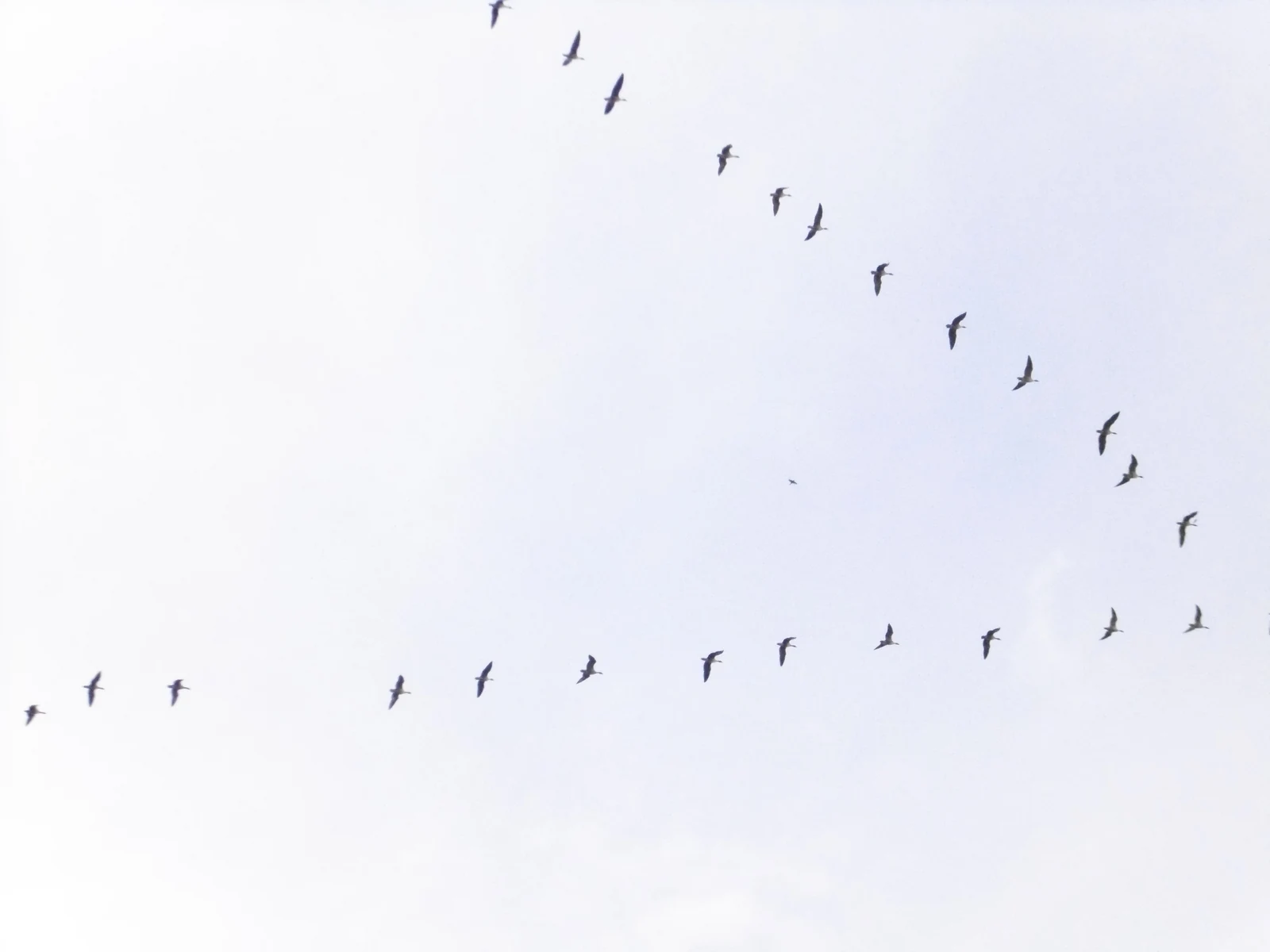
Start with the species and the landscape
A winter goose visit works best when you decide whether to watch a commuting flight or study a feeding flock. The first gives sound, silhouettes and movement across the sky; the second gives time to compare plumage, size and behaviour. Both can fit the same day, but they need different viewpoints and different expectations. A field full of grazing geese can be as absorbing as a dramatic departure.
Pink-footed Geese are a strong starting point at Snettisham, Martin Mere, Loch of Strathbeg, Montrose Basin and Loch Leven. Barnacle Geese give a different focus on the Solway at Caerlaverock and Mersehead. NatureScot distinguishes the Svalbard Barnacle Geese of the Solway from Greenland Barnacle and Greenland White-fronted Geese on Islay. Loch Gruinart is a useful Islay base for that comparison; Ynys-hir protects a separate wintering Greenland White-fronted Goose population in Wales.
How the season changes a visit
Autumn usually brings arrivals and the first large movements between roosts and feeding areas. Numbers can build or redistribute rapidly, so use the reserve operator’s recent reports to select a place rather than expecting the same flock size throughout winter. WWT describes Caerlaverock’s main winter-wildlife period as October–April, while the RSPB identifies autumn and winter as the key goose season at Strathbeg and Mersehead.
Midwinter typically offers long periods of feeding interrupted by resting, vigilance and flights between fields. Cold, flooded or disturbed feeding areas can change where birds settle. By early spring, departing migrants and resident geese can overlap, so a large goose seen in April is not automatically the same kind of visitor as the flocks watched in November. Record what you can identify confidently and leave uncertain birds unnamed.
Dawn departures and dusk returns
At Snettisham, the RSPB treats Pink-footed Goose flights as a separate experience from the tide-driven Wader Spectacular. Geese usually commute at dawn and dusk, so a high-tide wader timetable does not by itself select the right goose watch. NatureScot also highlights winter dawn departures and dusk arrivals at Loch Leven. Choose the event you want to watch before planning the journey.
For dawn, identify the legal approach and viewing position beforehand, allow time to reach it quietly and settle without shining lights towards roosting birds. For dusk, arrive with enough daylight to understand the paths and the route back. Check whether the relevant car park, hide and gate actually remain available for that watch; a reserve’s wider outdoor access does not mean its staffed facilities stay open.
Keep listening when the first flock passes. Several smaller skeins can follow different lines, and changing calls may reveal another group before it becomes visible. Avoid running towards a flight line or repositioning through resting birds. Binoculars are useful, but a broad unaided view often conveys the shape and scale of the movement better than trying to follow every individual.
Learn from a settled flock
Begin with the commonest-looking birds and notice the range within them. Compare body proportions, neck length, bill shape, face markings and the contrast between the head and breast. Leg colour is useful only when it is visible in trustworthy light; muddy feet and a distant view can make a confident-sounding identification unreliable. A telescope helps with a remote flock, while binoculars are easier for tracking birds in flight.
Watch behaviour as well as appearance. Grazing, sleeping, bathing and standing alert tell you how birds are using the site. If many birds stop feeding, raise their heads and watch your direction, stop advancing and give them more space. Remain behind screening where available. Never use a vehicle, person, dog or drone to lift a flock for photographs.
Choose a reserve for the visit you can make
Snettisham suits a Wash roost-flight plan, while Martin Mere offers a hide-based wetland day alongside its Pink-footed Geese. Strathbeg and Loch Leven allow a Scottish loch-focused trip, with Montrose Basin another established Pink-footed Goose location. Caerlaverock and Mersehead provide contrasting Solway approaches to Barnacle Geese. Use the individual guides below to compare the actual access and facilities.
For a longer island stay, Loch Gruinart adds Greenland geese to an Islay itinerary, with ferry and onward travel requiring a separate plan. Ynys-hir combines its winter-goose interest with woodland and estuary habitats. Whichever base you choose, leave room for a quiet second viewpoint or a return visit: understanding where geese feed and rest is more rewarding than chasing an old count across the countryside.
Should you watch a settled flock before planning a dawn flight?
For someone still learning goose identification, our choice is often a comfortable daytime public watch before a more demanding dawn outing. A settled flock gives you time to understand the common birds and how viewing distance changes what is visible. Choose one small group within the permitted panorama and study its range of size and posture. You need not identify a scarce goose before the session becomes useful; learning what ordinary variation looks like is progress in its own right.
Begin with two or three features you can check repeatedly, such as the broad contrast of head and body, bill proportions and overall stance. Revisit those features as the birds turn. If one individual looks different only at a particular angle, hold the question open rather than immediately announcing a rarity. A photograph through your normal public view may help later, but it should support the observation rather than justify approaching the flock. Leave an uncertain bird unidentified when distance prevents a reliable conclusion.
That patient session can improve a later commuting-flight experience. You will have a clearer idea of the species you are hoping to recognise, while accepting that silhouettes and calls may not allow the same detail as a feeding view. Use the operator-supported dawn or dusk arrangement for the reserve you actually choose. The purpose is to add another way of understanding the birds, not to trace their movements into a sensitive resting place or follow a flock between private fields. A good two-part visit connects behaviour and identification while leaving the geese undisturbed.
Where to watch
These rows use existing reserve watching-place records and typical local seasons. Sensitive locations are withheld. Follow current operator restrictions.
| Reserve and public watching place | Typical months | Best light | Scope |
|---|---|---|---|
| RSPB Snettisham: Sea wall — first Wash view | January, February, October, November, December | morning | essential |
| RSPB Snettisham: Sea wall — first Wash view | January, February, March, October, November, December | morning | essential |
| RSPB Loch Garten: Two Lochs Trail — Loch Mallachie viewpoint | January, February, March, April, May, June, July, August, September, October, November, December | either | useful |
| RSPB Loch Garten: Two Lochs Trail — Loch Garten viewpoint | January, February, March, October, November, December | either | useful |
| RSPB Lough Foyle: Public roadside lay-by views of Lough Foyle | November, December, January, February | either | essential |
| RSPB Loch Lomond: Gaels View (Skein Dial viewpoint) | January, February, March, October, November, December | either | useful |
| RSPB Loch Lomond: Gaels View (Skein Dial viewpoint) | January, February, March, October, November, December | either | useful |
| WWT Slimbridge: Estuary Tower | January, February, March, October, November, December | either | essential |
| WWT Martin Mere: Ron Barker Hide | January, February, March, September, October, November, December | either | useful |
| WWT Caerlaverock: Glengoyne Hide | January, February, March, April, October, November, December | morning | useful |
| WWT Caerlaverock: Sir Peter Scott Observatory | January, February, March, October, November, December | either | useful |
| WWT Castle Espie: Limekiln Observatory | January, February, March, April, September, October, November, December | either | essential |
Where to see winter geese by month
The months below come from each reserve’s local birding guide. They describe typical presence or a preferred watching season; national occurrence can be broader. Reports show past observations and cannot promise an encounter. Sensitive birds have no published watching position.
| Species | Reserve guide | Typical or preferred months |
|---|---|---|
| Pink-footed Goose | RSPB Snettisham | January, February, October, November, December |
| Brent Goose | RSPB Snettisham | January, February, March, October, November, December |
| Greylag Goose | RSPB Loch Garten | January, February, March, April, May, June, July, August, September, October, November, December |
| Pink-footed Goose | RSPB Loch Garten | January, February, March, October, November, December |
| Brent Goose | RSPB Lough Foyle | November, December, January, February |
| Pink-footed Goose | RSPB Loch Lomond | January, February, March, October, November, December |
| Greylag Goose | RSPB Loch Lomond | January, February, March, October, November, December |
| White-fronted Goose | WWT Slimbridge | January, February, March, October, November, December |
| Pink-footed Goose | WWT Martin Mere | January, February, March, September, October, November, December |
| Barnacle Goose | WWT Caerlaverock | January, February, March, April, October, November, December |
| Greylag Goose | WWT Caerlaverock | January, February, March, October, November, December |
| Brent Goose | WWT Castle Espie | January, February, March, April, September, October, November, December |
| Greylag Goose | RSPB Conwy | January, February, March, April, May, June, July, August, September, October, November, December |
| Greylag Goose | RSPB Portmore Lough | January, February, March, April, October, November, December |
| Pink-footed Goose | RSPB Loch of Strathbeg | January, February, March, April, September, October, November, December |
| Brent Goose | RSPB Titchwell Marsh | January, February, March, October, November, December |
| Brent Goose | Murlough National Nature Reserve | January, February, March, April, October, November, December |
| Pink-footed Goose | Montrose Basin | January, February, September, October, November, December |
| Barnacle Goose | RSPB Mersehead | January, February, March, April, October, November, December |
| Brent Goose | RSPB Frampton Marsh | January, February, March, April, May, October, November, December |
| Barnacle Goose | RSPB Loch Gruinart | January, February, March, April, October, November, December |
| White-fronted Goose | RSPB Loch Gruinart | January, February, March, April, October, November, December |
| Greylag Goose | RSPB Cors Ddyga | January, February, March, April, May, June, July, August, September, October, November, December |
| Pink-footed Goose | RSPB Dee Estuary - Burton Mere Wetlands | January, February, March, October, November, December |
| Brent Goose | RSPB Arne | November, December, January, February, March |
| Brent Goose | NWT Cley and Salthouse Marshes | January, February, March, October, November, December |
| Pink-footed Goose | NWT Cley and Salthouse Marshes | January, February, March, October, November, December |
| Greylag Goose | Loch of the Lowes Wildlife Reserve | January, February, March, October, November, December |
| Brent Goose | Spurn National Nature Reserve | January, February, March, April, May, October, November, December |
| Pink-footed Goose | Loch Leven National Nature Reserve | January, February, March, April, September, October, November, December |
| Greylag Goose | RSPB Insh Marshes | January, February, March, April, May, June, July, August, September, October, November, December |
| Barnacle Goose | Cors Dyfi Nature Reserve and Dyfi Wildlife Centre | January, February, March, October, November, December |
| Pink-footed Goose | Holkham National Nature Reserve | January, February, March, September, October, November, December |
| Brent Goose | Holkham National Nature Reserve | January, February, March, October, November, December |
| White-fronted Goose | Holkham National Nature Reserve | January, February, November, December |
| Brent Goose | Lindisfarne National Nature Reserve | September, October, November, December, January, February, March |
| Pink-footed Goose | Lindisfarne National Nature Reserve | October, November, December, January, February, March |
| Pink-footed Goose | NWT Hickling Broad and Marshes | January, February, March, October, November, December |
| Brent Goose | Elmley National Nature Reserve | January, February, March, October, November, December |
| Brent Goose | RSPB Wallasea Island | January, February, March, October, November, December |
| Pink-footed Goose | RSPB Marshside | January, February, March, September, October, November, December |
| Brent Goose | Freiston Shore | October, November, December, January, February, March |
| Pink-footed Goose | Far Ings National Nature Reserve | January, February, March, October, November, December |
| Brent Goose | Pagham Harbour Local Nature Reserve | January, February, March, October, November, December |
| Brent Goose | Gibraltar Point National Nature Reserve | October, November, December, January, February, March, April |
| Brent Goose | Hilbre Island and Bird Observatory | January, February, March, April, September, October, November, December |
| Pink-footed Goose | RSPB Buckenham Marshes | October, November, December, January, February, March |
| White-fronted Goose | RSPB Buckenham Marshes | November, December, January, February |
| Pink-footed Goose | RSPB Berney Marshes and Breydon Water | October, November, December, January, February, March |
| Brent Goose | RSPB Old Hall Marshes | January, February, March, October, November, December |
| Brent Goose | RSPB Medmerry | January, February, March, April, October, November, December |
| Brent Goose | Lymington–Keyhaven Marshes Nature Reserve | October, November, December, January, February, March |
| White-fronted Goose | RSPB North Warren | January, February, March, November, December |
| Barnacle Goose | RSPB North Warren | January, February, March, October, November, December |
| Greylag Goose | RSPB North Warren | January, February, March, April, May, June, July, August, September, October, November, December |
| Greylag Goose | Brandon Marsh Nature Reserve | January, February, March, April, May, June, July, August, September, October, November, December |
| Greylag Goose | RSPB Valley Wetlands | January, February, March, April, May, June, July, August, September, October, November, December |
| Pink-footed Goose | RSPB Haweswater | September, October, November |
| Greylag Goose | Isle of Mull white-tailed eagles | January, February, March, April, May, June, July, August, September, October, November, December |
| Greylag Goose | Lunga and the Treshnish Isles | June |
| White-fronted Goose | RSPB Coll | January, February, March, April, October, November, December |
| Barnacle Goose | RSPB Coll | January, February, March, April, October, November, December |
| Greylag Goose | RSPB Coll | January, February, March, April, May, June, July, August, September, October, November, December |
| Barnacle Goose | RSPB The Oa | January, February, March, April, October, November, December |
| White-fronted Goose | RSPB The Oa | January, February, March, April, October, November, December |
| Pink-footed Goose | RSPB Cottascarth and Rendall Moss | September, October |
| Greylag Goose | Fair Isle Bird Observatory | January, February, March, October, November, December |
| Greylag Goose | Walthamstow Wetlands | January, February, March, April, May, June, July, August, September, October, November, December |
| Brent Goose | Farlington Marshes | January, February, March, October, November, December |
| Brent Goose | Newborough Warren National Nature Reserve | January, February, March, October, November, December |
| Brent Goose | Whiteford National Nature Reserve | January, February, March, November, December |
| Barnacle Goose | Kielder Water ospreys | March, April, October, November |
| Pink-footed Goose | Aberlady Bay Local Nature Reserve | September, October, November, December, January, February, March |
| Pink-footed Goose | Findhorn Bay Local Nature Reserve | January, February, March, October, November, December |
| Pink-footed Goose | RSPB Crook of Baldoon | December, January, February, March |
| Barnacle Goose | RSPB Crook of Baldoon | December, January, February, March |
| Greylag Goose | Isle of Rum National Nature Reserve | January, February, March, April, May, June, July, August, September, October, November, December |
Reserve guides for winter geese
- RSPB Snettisham · England
- RSPB Loch Garten · Scotland
- RSPB Lough Foyle · Northern Ireland
- RSPB Loch Lomond · Scotland
- WWT Slimbridge · England
- WWT Martin Mere · England
- WWT Caerlaverock · Scotland
- WWT Castle Espie · Northern Ireland
- RSPB Conwy · Wales
- RSPB Portmore Lough · Northern Ireland
- RSPB Loch of Strathbeg · Scotland
- RSPB Titchwell Marsh · England
- Murlough National Nature Reserve · Northern Ireland
- Montrose Basin · Scotland
- RSPB Mersehead · Scotland
- RSPB Frampton Marsh · England
- RSPB Loch Gruinart · Scotland
- RSPB Cors Ddyga · Wales
- RSPB Dee Estuary - Burton Mere Wetlands · England
- RSPB Arne · England
- NWT Cley and Salthouse Marshes · England
- Loch of the Lowes Wildlife Reserve · Scotland
- Spurn National Nature Reserve · England
- Loch Leven National Nature Reserve · Scotland
- RSPB Insh Marshes · Scotland
- Cors Dyfi Nature Reserve and Dyfi Wildlife Centre · Wales
- Holkham National Nature Reserve · England
- Lindisfarne National Nature Reserve · England
- NWT Hickling Broad and Marshes · England
- Elmley National Nature Reserve · England
- RSPB Wallasea Island · England
- RSPB Marshside · England
- Freiston Shore · England
- Far Ings National Nature Reserve · England
- Pagham Harbour Local Nature Reserve · England
- Gibraltar Point National Nature Reserve · England
- Hilbre Island and Bird Observatory · England
- RSPB Buckenham Marshes · England
- RSPB Berney Marshes and Breydon Water · England
- RSPB Old Hall Marshes · England
- RSPB Medmerry · England
- Lymington–Keyhaven Marshes Nature Reserve · England
- RSPB North Warren · England
- Brandon Marsh Nature Reserve · England
- RSPB Valley Wetlands · Wales
- RSPB Haweswater · England
- Isle of Mull white-tailed eagles · Scotland
- Lunga and the Treshnish Isles · Scotland
- RSPB Coll · Scotland
- RSPB The Oa · Scotland
- RSPB Cottascarth and Rendall Moss · Scotland
- Fair Isle Bird Observatory · Scotland
- Walthamstow Wetlands · England
- Farlington Marshes · England
- Newborough Warren National Nature Reserve · Wales
- Whiteford National Nature Reserve · Wales
- Kielder Water ospreys · England
- Aberlady Bay Local Nature Reserve · Scotland
- Findhorn Bay Local Nature Reserve · Scotland
- RSPB Crook of Baldoon · Scotland
- Isle of Rum National Nature Reserve · Scotland
Questions birdwatchers ask
Where is the best place to see winter geese in the UK?
Public places covered in this guide include RSPB Snettisham, RSPB Loch Garten, RSPB Lough Foyle.
When is the best time to see winter geese?
Typically autumn to early spring, with arrivals, peak numbers and departure varying between species and places.
How do I watch winter geese responsibly?
Give feeding and roosting geese space. Remain on public routes, follow local restrictions and keep farm gates, roads and passing places clear.
Sources and review
Reviewed 2026-10-19.