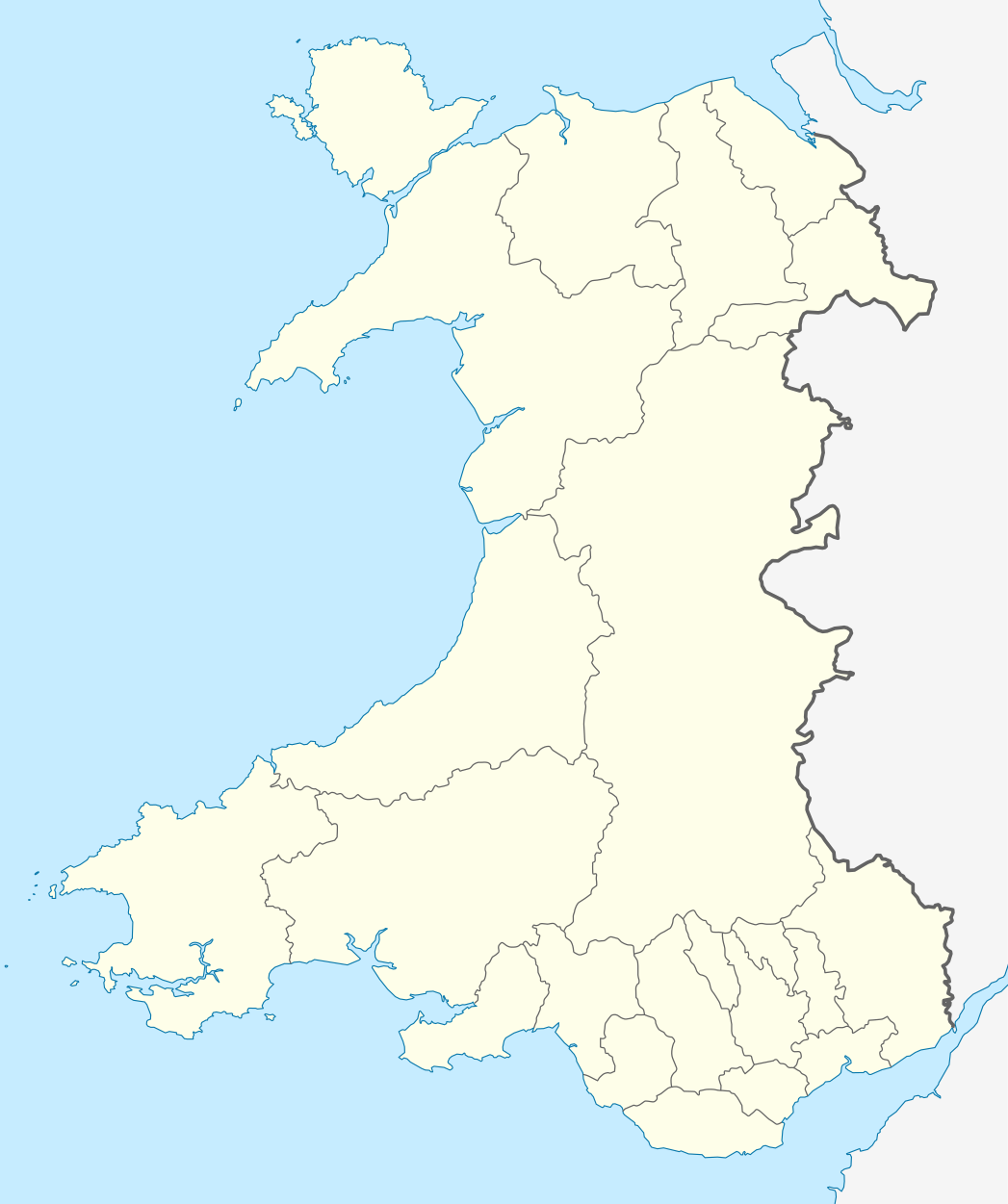

Short entry3.9 miles away
Cors Bodeilio National Nature Reserve
Near Pentraeth · Fen, reedbed and meadow
 the ai birderBirding near me
The AI Birder · one-page field sheet
Tai'r Gors, Pentre Berw, Gaerwen, Isle of Anglesey, Wales · LL60 6LB · LL60 6LB

Marsh Harrier · Reed Bunting · Buzzard · Starling · Shoveler · Gadwall
Visitor trail · Lôn Las Cefni public cycle path · Berw Colliery compound · Naturally surfaced public footpath
Check current access, hide closures and operator notices before travelling. Seasonal birds are possibilities, not promised sightings. Keep to authorised routes and give wildlife space.
Opening and charges checked 2026-10-25. Operator: https://www.rspb.org.uk/days-out/reserves/cors-ddyga
Full guide and current source links: https://aibirder.co.uk/reserves/rspb-cors-ddyga
WA 10 · RSPB reserve guide
Tai'r Gors, Pentre Berw, Gaerwen, Isle of Anglesey, Wales · LL60 6LB
Listen for booming Bitterns and wetland warblers in spring, watch Marsh Harriers quarter the reeds and look for breeding Lapwings, Curlews and Skylarks across one of Wales's largest lowland wetlands.
Decide if the visit fits.
Last checked 18 October 2026.
Opening and charges information · checked .
Stay nearby →Reserve overview
Listen for booming Bitterns and wetland warblers in spring, watch Marsh Harriers quarter the reeds and look for breeding Lapwings, Curlews and Skylarks across one of Wales's largest lowland wetlands.
Eight checks for a smoother visit.
Conditions change: check the operator and transport notices before travelling.
January: Typically scan the pools from the Visitor trail for Shoveler, Teal and Gadwall, then compare hunting Marsh Harriers from Lôn Las Cefni public cycle path. Choose the tarmac route if the natural circuit is waterlogged, without stepping around barriers.
February: Winter ducks usually remain useful on the Visitor trail pools, with Canada Geese and Greylag Geese providing larger comparison birds. A separate Lôn Las Cefni public cycle path watch can add Buzzard or Marsh Harrier over the wider wetland.
March: Typically listen quietly for booming Bittern from the Visitor trail as spring develops, then watch displaying Lapwings from existing views. Skirting the reedbed to locate a calling bird would disturb habitat and is unnecessary for enjoying the sound.
April: Lapwing, Curlew and Skylark usually make the grassland views from Lôn Las Cefni public cycle path rewarding. Combine that with a Bittern listening session on the Visitor trail; calm conditions help, but neither a call nor a close view is guaranteed.
May: Typically give the Visitor trail an early, slow circuit for Reed Bunting and Bittern, checking pools for Gadwall and Shoveler. ActualMay2026county observations support the ducks here; the published counts are historical records, not today’s birds.
June: Curlews and Skylarks usually remain useful from the Lôn Las Cefni public cycle path, with Marsh Harriers crossing the reeds. Stay on the route and leave alarm-calling birds space, rather than investigating breeding activity in the grassland.
July: Typically alternate Reed Bunting watching on the Visitor trail with a broad Marsh Harrier scan from Lôn Las Cefni public cycle path. Song can become less conspicuous after spring, so a patient stationary watch may beat a fast full circuit.
August: Marsh Harriers and Buzzards usually offer a reason to keep scanning above Lôn Las Cefni public cycle path. Canada and Greylag Geese on visible pools add a quieter Visitor trail stop, with route condition deciding how far to walk.
September: Typically compare returning Teal and Shoveler from the Visitor trail pools, then use Lôn Las Cefni public cycle path for a wider Marsh Harrier watch. Migrant arrivals vary between days; local records help identify possibilities without promising a particular flock.
October: Gadwall and Teal usually become more relevant from the Visitor trail as autumn advances. Starling gatherings can add a late-day Lôn Las Cefni public cycle path watch, but check the return route in daylight and leave within dawn-to-dusk access.
November: Typically favour Shoveler and Teal from the Visitor trail where ground conditions permit, with Marsh Harrier over the reeds from Lôn Las Cefni public cycle path. A winter Starling watch is weather-dependent and should never require entering the reedbed.
December: Winter usually suits a deliberate pool scan for Gadwall and Shoveler from the Visitor trail, followed by Buzzard or Marsh Harrier from Lôn Las Cefni public cycle path. Keep the last part of daylight for a safe return rather than waiting beyond the permitted dusk finish.
Best conditions: Our choice is a calm early Visitor trail listening session, followed by the firmer Lôn Las Cefni route for wider views. Typically light wind makes distant Bittern calls easier to hear and steadies a telescope on the open landscape. Flooding and mud can affect the natural paths; use the permitted tarmac alternative when necessary. All light/scope ratings and habitat-to-public-path selections are editorial, not claims of fixed bird positions.
Entry and opening information checked on 18 October 2026. The RSPB lists free adult and child admission, with no ordinary advance booking required. Its opening calendar gives dawn-to-dusk access for the reserve and car park. Use the signed visitor entrance and return before darkness makes it difficult to follow the route. The council-maintained parking area is at the start of the visitor trail. A parking tariff is not published in the RSPB pages checked; confirm any charge with the reserve team before travelling if it affects your plans. Keep neighbouring access and gateways clear, especially when several parties arrive together. Check weather, flood conditions and current reserve notices before setting off; rainfall can change which part of the wetland is practical to explore.
Access times: Reserve: Dawn–dusk on the October2026 RSPB calendar. · Hides: Open-path reserve; no public bird hide is listed in the current operator facilities inventory. · Car park: Dawn–dusk on the current calendar. · Dawn access: yes. Operator opening information.
The RSPB visitor circuit is 1.25 miles, linking wetland views from the car-park area. A separate 2.5 miles of tarmac path runs through and beside the reserve as part of Lôn Las Cefni, and another naturally surfaced public route offers a different approach to the landscape. These routes have different purposes and rules, so use the signs to distinguish the visitor trail from public rights of way. Cors Ddyga is principally an open-path birdwatching reserve. Plan around views across pools, grassland, ditches and reedbeds, using changes in habitat to choose where to pause. Stop where the path gives a clear view without blocking walkers or cyclists. Birds using cover can appear after several quiet minutes, so a modest circuit can provide much more birdwatching than its map length suggests. Two-hour plan: begin with a slow visitor-trail circuit if its condition suits your party, pausing for a reedbed listening session and an open-water scan. In spring, give extra time to calls and display; in winter, compare ducks on different pools. Finish near the entrance with a final look above the reeds for Marsh Harriers. Choose a short public-path alternative when the circuit is unsuitable rather than pressing through wet sections. Full-day plan: combine the visitor circuit with a separate out-and-back along the public tarmac route, bringing a picnic and revisiting a promising viewpoint later in the day. Change the balance between grassland, open water and reedbed watches with the season. The full day need not mean covering every path: a long stationary watch can reveal feeding movements and birds crossing between habitats. Keep a comfortable turnaround point, with enough food, water and clothing for time spent standing still. Leave vegetation intact beside the paths, avoid following animals into ditches and give livestock room where routes pass grazing areas.
Use the linked reserve map and directions with current access notices. Species are typical seasonal targets. Light and telescope advice reflects our choice of viewpoint.
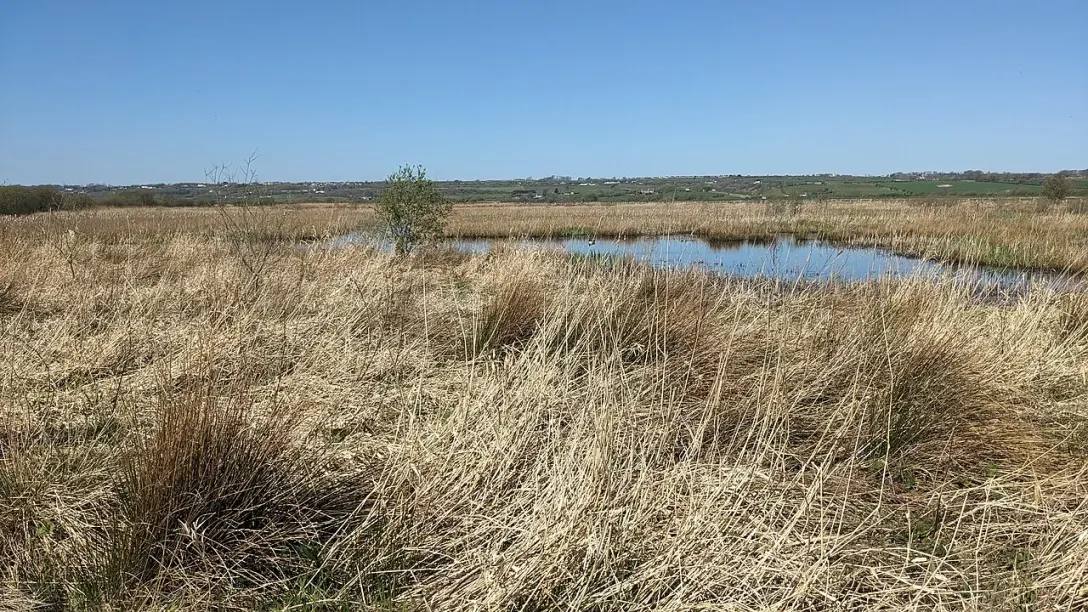
Reedbeds, pools, ditches and adjacent wet grassland from the visitor circuit
1.25-mile level circuit, with stone and natural surfaces. Flooding and mud can affect autumn/winter use; pet dogs are excluded.
Winter: Shoveler, Gadwall, Teal, Canada Goose, Greylag Goose
Spring: Bittern, Lapwing, Curlew, Reed Bunting, Shoveler, Gadwall, Teal
Summer: Marsh Harrier, Buzzard, Reed Bunting
Autumn: Shoveler, Teal, Marsh Harrier
Light: either. Scope: useful.
Open wetland and grassland from the tarmac public route
2.5 miles of tarmac path run through and beside the reserve. Share the route with cyclists and do not enter adjoining fields.
Winter: Marsh Harrier, Buzzard, Starling
Spring: Skylark, Lapwing, Curlew, Marsh Harrier
Summer: Skylark, Marsh Harrier, Buzzard
Autumn: Marsh Harrier, Starling
Light: either. Scope: useful.
Reserve-edge habitat from the official picnic compound
A short wheelchair/pushchair-suitable approach leads from the car park to the monument. No separate bird assemblage was verified for this compound.
Light: either. Scope: not needed.
Wetland margins from the operator-listed public right of way
Operator lists1.25 miles of stone track and naturally surfaced public footpath, which can flood. Follow signs rather than taking an apparent shortcut through reeds.
Light: either. Scope: useful.
| Spot | Overlooks | Key species by season | Best light | Scope | Tide |
|---|---|---|---|---|---|
| Visitor trail1.25-mile level circuit, with stone and natural surfaces. Flooding and mud can affect autumn/winter use; pet dogs are excluded. | Reedbeds, pools, ditches and adjacent wet grassland from the visitor circuit | Winter: Shoveler, Gadwall, Teal, Canada Goose, Greylag Goose Spring: Bittern, Lapwing, Curlew, Reed Bunting, Shoveler, Gadwall, Teal Summer: Marsh Harrier, Buzzard, Reed Bunting Autumn: Shoveler, Teal, Marsh Harrier | either | useful | — |
| Lôn Las Cefni public cycle path2.5 miles of tarmac path run through and beside the reserve. Share the route with cyclists and do not enter adjoining fields. | Open wetland and grassland from the tarmac public route | Winter: Marsh Harrier, Buzzard, Starling Spring: Skylark, Lapwing, Curlew, Marsh Harrier Summer: Skylark, Marsh Harrier, Buzzard Autumn: Marsh Harrier, Starling | either | useful | — |
| Berw Colliery compoundA short wheelchair/pushchair-suitable approach leads from the car park to the monument. No separate bird assemblage was verified for this compound. | Reserve-edge habitat from the official picnic compound | — | either | not needed | — |
| Naturally surfaced public footpathOperator lists1.25 miles of stone track and naturally surfaced public footpath, which can flood. Follow signs rather than taking an apparent shortcut through reeds. | Wetland margins from the operator-listed public right of way | — | either | useful | — |
Month chips show typical presence or our preferred viewing season. Choose birds that suit the time of your visit.
The access arrangements for RSPB Cors Ddyga were checked on 18 October 2026. The RSPB identifies a short wheelchair-and-pushchair-suitable approach from the parking area towards the Berw Colliery monument. Beyond that, stone track and grass-covered clay occur. The visitor circuit is generally level, but autumn and winter flooding and mud after rain can make a nominally short walk difficult. The tarmac Lôn Las Cefni path provides a different surface from the visitor circuit. Choose a starting point and turnaround that match your party’s requirements, rather than assuming that every route through the reserve offers the same access. A level route can still involve exposure, a long return and few opportunities to change the plan once away from the vehicle. There is no accessible toilet on the reserve; the RSPB directs visitors towards public facilities in Llangefni, about 3.5 miles away. Plan that stop before reaching the wetland. Describe mobility-aid width, tolerance for soft ground and any need for rest stops when contacting the reserve team. Their route advice is especially useful after wet weather or when a particular viewpoint is essential to the visit.
A sheltered picnic table is provided in the Berw Colliery compound, giving somewhere to pause with your own refreshments. Bring food and enough drinking water for the whole visit. There is no café, shop, visitor centre or resident visitor staff on site, and the RSPB points to Llangefni for additional food and drink options. General toilets and baby changing are also absent. Prepare the map before leaving home and carry a charged phone, suitable clothing and a way to take litter away.
Pet dogs may use public footpaths, bridleways and cycle paths, but are excluded from the RSPB visitor trail. Keep them on a lead where routes cross fields with livestock or ground-nesting birds. Visitors with assistance dogs are welcome at RSPB Cors Ddyga, including throughout its visitor routes. Choose the correct public route before leaving the parking area so a dog walk does not enter the dog-free circuit.
Travel information for RSPB Cors Ddyga was checked against its sources on 18 October 2026. Arriva’s current 4A timetable includes Pentre-Berw at Lon Tyddyn Mawr on the Bangor–Llangefni corridor. The RSPB directs visitors from the A5 bus stops down the hill to Lôn Coliar, then towards the visitor-trail entrance, with a final walk of roughly 600 metres. Match the stop and direction with the operator’s timetable before setting out. Llanfairpwll is the nearest railway station identified by the RSPB, about four miles from the reserve, with Bangor around nine miles away. A pre-booked taxi provides another connection when rail and bus timings do not suit; agree the visitor-trail parking area as the destination rather than simply naming the wider wetland. Arriva has announced timetable changes from 1 November 2026, including minor changes to 4A, so select the actual date when planning onward travel. Cyclists can use Lôn Las Cefni and the link from Gaerwen. Drivers approach via the A5 through Gaerwen and Pentre Berw. Stay-base road estimates use OSRM/OpenStreetMap measurements from 18 October 2026 without live traffic.
Useful bases for an early start.
Booking.com links are affiliate links: we may earn a commission at no extra cost to you. How these links work.
About 2.9 miles by road, roughly 6 minutes’ drive to the reserve. OSRM measured the Llangefni journey for RSPB Cors Ddyga on 18 October 2026; the estimate excludes live traffic.
Measured driving route · 2026-10-18. Map estimates exclude live traffic.
An Anglesey town base close to the wetland.Find places to stay in Llangefni on Booking.comAbout 4.5 miles by road, roughly 11 minutes’ drive to the reserve. OSRM measured the Llanfairpwll journey for RSPB Cors Ddyga on 18 October 2026; the estimate excludes live traffic.
Measured driving route · 2026-10-18. Map estimates exclude live traffic.
Rail arrival and exploring the south-east of Anglesey.Find places to stay in Llanfairpwll on Booking.comAbout 12.3 miles by road, roughly 19 minutes’ drive to the reserve. OSRM measured the Bangor journey for RSPB Cors Ddyga on 18 October 2026; the estimate excludes live traffic.
Measured driving route · 2026-10-18. Map estimates exclude live traffic.
A mainland city base with rail and bus connections.Find places to stay in Bangor on Booking.comExplore Anglesey’s full guides and smaller birding sites
The published reserve telephone number is 01248 421949, and the address is Tai’r Gors, Gaerwen, Isle of Anglesey, LL60 6LB. Contact the RSPB before travelling for route-specific enquiries, organised visits or questions about waterlogged ground. The linked RSPB Cymru account provides regional updates, while the reserve page supplies visitor information. When reporting an observation, name the path or nearby landmark and give the time and date so the team can locate it within the wider wetland.
Check Anglesey Bird News: completed2022island bird report hosted by WOS. completed2022report Reports show what has been seen, not what will be.
Follow the BTO Birders’ Code and give wildlife space.
RSPB Cors Ddyga: Free adult and child entry; separate parking price not published.
RSPB Cors Ddyga: Pet dogs may use public footpaths, bridleways and cycle paths, but are excluded from the RSPB visitor trail.
RSPB Cors Ddyga: Spring Bitterns and breeding waders · autumn migration · winter wildfowl and dusk murmurations.
RSPB Cors Ddyga: The RSPB identifies a short wheelchair-and-pushchair-suitable approach from the parking area towards the Berw Colliery monument.
RSPB Cors Ddyga: Travel information for RSPB Cors Ddyga was checked against its sources on 18 October 2026.
Shorter stops within 15 miles in a straight line. Use the operator’s arrival directions for the journey.
Near Pentraeth · Fen, reedbed and meadow
Capel Coch · Fen, reedbeds, wet heath, lake and woodland
Llanbedrgoch · Fen, wetland, grassland and lowland heath
Abergwyngregyn · Oak woodland, river, grassland and upland slopes
Llanfairfechan, Conwy · Ancient oak woodland, stream and pond
Nearby complete guides.
Stops with a purpose: use one as a contrasting habitat or weather-proof Plan B. Distances are straight-line estimates, not road journeys.