Short entry9.9 miles away
Cors Erddreiniog National Nature Reserve
Capel Coch · Fen, reedbeds, wet heath, lake and woodland
 the ai birderBirding near me
The AI Birder · one-page field sheet
Llanfair-yn-neubwll, Anglesey · LL65 3NA

Tufted Duck · Pochard · Bittern · Shoveler · Gadwall · Great Crested Grebe
Llyn Penrhyn knoll viewpoint · Public and permissive lakeside trail · Eastern public-footpath approach · Northern public-footpath approach
Check current access, hide closures and operator notices before travelling. Seasonal birds are possibilities, not promised sightings. Keep to authorised routes and give wildlife space.
Opening and charges checked 2026-10-25. Operator: https://www.rspb.org.uk/days-out/reserves/valley-wetlands
Full guide and current source links: https://aibirder.co.uk/reserves/rspb-valley-wetlands
WA 19 · RSPB reserve guide
Llanfair-yn-neubwll, Anglesey
Winter ducks and reedbed birds around Llyn Penrhyn
Decide if the visit fits.
Last checked 18 October 2026.
Opening and charges information · checked .
Stay nearby →Reserve overview
Winter ducks and reedbed birds around Llyn Penrhyn
Eight checks for a smoother visit.
Conditions change: check the operator and transport notices before travelling.
January: typically look for Pochard and Tufted Duck from Llyn Penrhyn knoll viewpoint. Use a scope for distant waterbirds if the approach is confirmed open. Check the conflicting undated works notices before travel rather than assuming a winter date means current closure. February: typically look for Shoveler and Gadwall from Llyn Penrhyn knoll viewpoint. Compare feeding action and shape in clear light. The rocky climb and muddy trail remain relevant even if the lake looks close to the car park on a map. March: typically look for Great Crested Grebe from Llyn Penrhyn knoll viewpoint. Watch from the established knoll without approaching the bank. A short session in good visibility may be more productive than walking every path in a strong crosswind. April: typically look for Willow Warbler and Whitethroat from Public and permissive lakeside trail. Listen along the authorised trail as migrants typically return. Use pauses and binoculars, avoiding playback or repeated approaches to birds singing from the same patch of cover. May: typically look for Swift and Reed Bunting from Public and permissive lakeside trail. Combine listening near reeds with a scan of the sky from the path. Do not enter the reedbed to identify a call or locate the source of booming. June: typically look for Cormorant and Great Crested Grebe from Llyn Penrhyn knoll viewpoint. The actual June 2025 operator-group visit supports these lake targets. Work the open water slowly, then check the edge; neither a previous report nor a month chip promises a sighting. July: typically look for Cetti’s Warbler and Wren from Public and permissive lakeside trail. Listening is often the better approach in dense cover. Leave an unseen bird unseen if obtaining a photograph would require leaving the public route or disturbing vegetation. August: typically look for Swift and Meadow Pipit from Public and permissive lakeside trail. Departure and dispersal vary between years. Check current regional reports for context and keep the plan flexible, especially when wind makes small birds difficult to hear. September: typically look for Gadwall and Tufted Duck from Llyn Penrhyn knoll viewpoint. A patient lake scan suits autumn planning. Choose manageable wind and check the usable approach before carrying a scope; there is no enclosed hide or shelter here. October: typically look for Pochard and Shoveler from Llyn Penrhyn knoll viewpoint. Typically increasing winter wildfowl make the open water worth time. Scan in sections, using the bench only if the route is safe and confirmed accessible under current operator notices. November: typically look for Reed Bunting and Robin from Public and permissive lakeside trail. Before relying on the main approach, ask the operator which works notice applies. Alternative public approaches do not justify crossing private ground or assuming the knoll is reachable. December: typically look for Tufted Duck and Pochard from Llyn Penrhyn knoll viewpoint. Use the best daylight and a short, safe route. Dawn–dusk parking information and public-right-of-way access describe different things; neither overrides a specific closure notice at the entrance.
Best conditions: Our choice is calm, clear daylight for a steady lake scan and quiet listening beside reeds. Wind can obscure calls and make scope use uncomfortable. Mud, shallow flooding and natural rock steps decide which route is usable; there is no enclosed shelter. Confirm the actual open approach before setting out.
Checked 18 October 2026: the RSPB lists free adult and child admission and free parking for members and non-members. Its current calendar gives dawn-to-dusk access to both reserve and car park. The small parking area has 12 spaces. There is an important unresolved official notice: the overview describes midweek infrastructure-related partial closure from 7 November to 12 February, whereas the facilities page says 7 November to 7 January. Neither passage supplies a year. The facilities notice also says weekend and bank-holiday access depends on the works programme. Contact the team before a November-to-February journey to establish which dates and entrances apply. The charges page's generic instruction to pay at a visitor centre conflicts with its free tariff and the facilities page, which confirms there is no visitor centre.
Access times: Reserve: Operator calendar lists dawn–dusk reserve access. Public/permissive footpath is described separately as open access; current works restrictions take priority. · Hides: No enclosed hide. Natural knoll viewpoint has exposed seating and rocky steps; use only an authorised open approach. · Car park: Operator calendar lists dawn–dusk; main Llyn Penrhyn approach has conflicting undated works notices, so check current access before travel. · Dawn access: partly. Operator opening information.
Llyn Penrhyn is the natural starting point for a first visit. The public footpath and connecting permissive section cross a compact mixture of reed edges, open water, grassland and rocky knolls. Let those habitat changes set the pace: first scan the open lake, then spend time on the vegetation margin, and finally watch the higher ground for passing birds. The RSPB identifies the main viewpoint reached from the car park; use this established watching place rather than trying to open a new gap through the reeds. Its facilities description gives slightly different distances to the viewpoint, 270 metres in the trail text and 300 metres in the viewpoint entry. For a 2-hour plan, when the main access is confirmed open, walk directly to that viewpoint and devote most of the visit to a careful circuit of the visible lake. Compare each duck group twice, with a short walk along the permitted path between scans. Return the same way, leaving a little time to look at the grassland. A full-day plan works best as a slow Anglesey wetland outing rather than repeated circuits of one small reserve. Give Valley Wetlands the morning, take a break away from the site, and add Cors Ddyga if its current access suits your party. Return to Llyn Penrhyn only if the light or wind has changed enough to make another watch useful. The operator's works notice identifies alternative public approaches from Llanfairyneubwll and Ffordd Cerrig Mawr; confirm the current map with the team before substituting either for the normal entrance. A useful fieldcraft exercise here is to divide the lake into three bands: near vegetation, open water and the far reed edge. Work through each in turn, then repeat in reverse. Shovelers often reveal themselves by the broad bill even when the light is poor, while diving ducks need more careful comparison after they surface. Keep a notebook of the groups you have already identified rather than repeatedly disturbing your concentration with a phone. A low, steady silhouette at the viewpoint helps other watchers too, and quiet conversation lets everyone hear calls from the reeds.
Use the linked reserve map and directions with current access notices. Species are typical seasonal targets. Light and telescope advice reflects our choice of viewpoint.
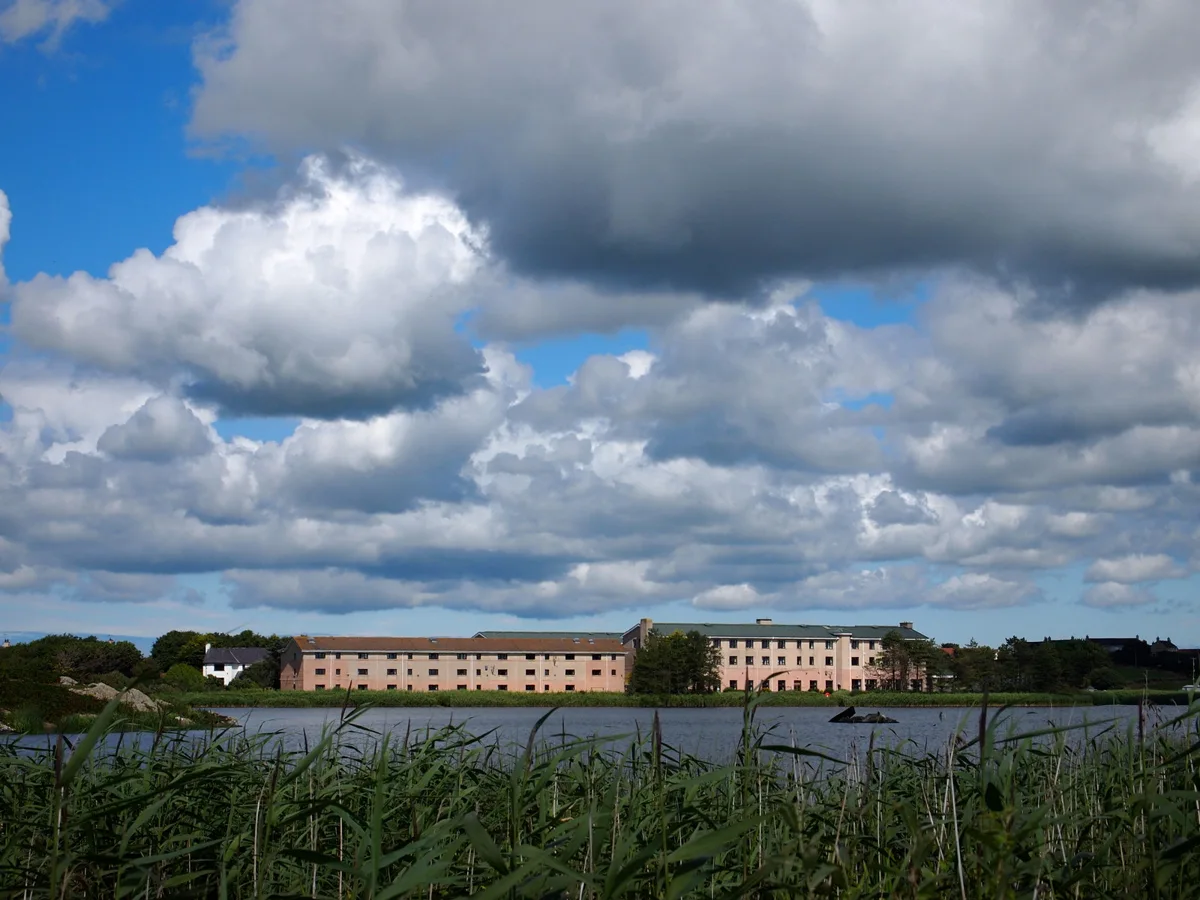
Freshwater lake, reeds and open sky
Operator pages show conflicting undated weekday closure notices for the main car-park approach (7 November–7 January or 12 February); confirm current access. Do not assume weekends are available. Natural rock steps and short steep slope; bench has back and arms.
Winter: Tufted Duck, Pochard, Shoveler, Gadwall, Great Crested Grebe, Cormorant, Greylag Goose, Bittern, Red Kite
Spring: Tufted Duck, Pochard, Shoveler, Gadwall, Great Crested Grebe, Cormorant, Greylag Goose, Swift, Bittern, Red Kite
Summer: Tufted Duck, Gadwall, Great Crested Grebe, Cormorant, Greylag Goose, Swift, Bittern, Red Kite
Autumn: Tufted Duck, Pochard, Shoveler, Gadwall, Great Crested Grebe, Cormorant, Greylag Goose, Bittern, Red Kite
Light: either. Scope: useful.
Freshwater lake margins, reed edge and scrub
Operator pages show conflicting undated weekday closure notices for the main car-park approach (7 November–7 January or 12 February); confirm current access. Do not assume weekends are available. Uneven natural surfaces, mud and shallow flooding possible; unsuitable for wheelchairs/pushchairs.
Winter: Reed Bunting, Wren, Cetti’s Warbler, Chaffinch, Blue Tit, Robin, Pied Wagtail, Blackbird, Meadow Pipit
Spring: Reed Bunting, Wren, Cetti’s Warbler, Willow Warbler, Whitethroat, Chaffinch, Blue Tit, Robin, Pied Wagtail, Blackbird, Skylark, Meadow Pipit
Summer: Reed Bunting, Wren, Cetti’s Warbler, Willow Warbler, Whitethroat, Chaffinch, Blue Tit, Robin, Pied Wagtail, Blackbird, Skylark, Meadow Pipit
Autumn: Reed Bunting, Wren, Cetti’s Warbler, Willow Warbler, Whitethroat, Chaffinch, Blue Tit, Robin, Pied Wagtail, Blackbird, Skylark, Meadow Pipit
Light: either. Scope: not needed.
Public approach from Llanfairyneubwll
Operator identifies this alternative approach during works; no separate viewpoint or species list verified.
Light: either. Scope: not needed.
Public approach from Ffordd Cerrig Mawr
Operator identifies this alternative approach during works; respect signs and private land.
Light: either. Scope: not needed.
| Spot | Overlooks | Key species by season | Best light | Scope | Tide |
|---|---|---|---|---|---|
| Llyn Penrhyn knoll viewpointOperator pages show conflicting undated weekday closure notices for the main car-park approach (7 November–7 January or 12 February); confirm current access. Do not assume weekends are available. Natural rock steps and short steep slope; bench has back and arms. | Freshwater lake, reeds and open sky | Winter: Tufted Duck, Pochard, Shoveler, Gadwall, Great Crested Grebe, Cormorant, Greylag Goose, Bittern, Red Kite Spring: Tufted Duck, Pochard, Shoveler, Gadwall, Great Crested Grebe, Cormorant, Greylag Goose, Swift, Bittern, Red Kite Summer: Tufted Duck, Gadwall, Great Crested Grebe, Cormorant, Greylag Goose, Swift, Bittern, Red Kite Autumn: Tufted Duck, Pochard, Shoveler, Gadwall, Great Crested Grebe, Cormorant, Greylag Goose, Bittern, Red Kite | either | useful | — |
| Public and permissive lakeside trailOperator pages show conflicting undated weekday closure notices for the main car-park approach (7 November–7 January or 12 February); confirm current access. Do not assume weekends are available. Uneven natural surfaces, mud and shallow flooding possible; unsuitable for wheelchairs/pushchairs. | Freshwater lake margins, reed edge and scrub | Winter: Reed Bunting, Wren, Cetti’s Warbler, Chaffinch, Blue Tit, Robin, Pied Wagtail, Blackbird, Meadow Pipit Spring: Reed Bunting, Wren, Cetti’s Warbler, Willow Warbler, Whitethroat, Chaffinch, Blue Tit, Robin, Pied Wagtail, Blackbird, Skylark, Meadow Pipit Summer: Reed Bunting, Wren, Cetti’s Warbler, Willow Warbler, Whitethroat, Chaffinch, Blue Tit, Robin, Pied Wagtail, Blackbird, Skylark, Meadow Pipit Autumn: Reed Bunting, Wren, Cetti’s Warbler, Willow Warbler, Whitethroat, Chaffinch, Blue Tit, Robin, Pied Wagtail, Blackbird, Skylark, Meadow Pipit | either | not needed | — |
| Eastern public-footpath approachOperator identifies this alternative approach during works; no separate viewpoint or species list verified. | Public approach from Llanfairyneubwll | — | either | not needed | — |
| Northern public-footpath approachOperator identifies this alternative approach during works; respect signs and private land. | Public approach from Ffordd Cerrig Mawr | — | either | not needed | — |
Month chips show typical presence or our preferred viewing season. Choose birds that suit the time of your visit.
The RSPB describes the paths as unsuitable for wheelchairs and pushchairs. Their combination of unsurfaced earth, stone and gravel becomes uneven, muddy and sometimes shallowly flooded, so a short line on the map can require considerable effort. The viewpoint involves a steep short ascent over natural rock steps, with about five metres of uneven slope mentioned in the facilities description. These are different obstacles from an ordinary level lakeside promenade. A narrow pedestrian gate leaves the parking area, with a wider field gate immediately beside it; establish whether that wider option can be used if gate width affects your visit. The knoll has seating with a back and arm rests, but there is no sheltered observing building. For anyone who needs frequent rests, allow enough energy for the return over the same ground. Sturdy footwear is sensible even outside winter, and a walking companion can help assess difficult patches without leaving the marked route. Describe your particular requirements to the reserve contact before making a long journey.
This is a simple outdoor reserve without a staffed visitor centre, café or shop. Bring drinking water and a snack, and take all litter away. There are no toilets or baby-changing facilities on the reserve; the RSPB points visitors towards Valley, about 3.5 miles away, for these services. A picnic area is listed, but the lake viewpoint remains exposed to the weather. Pack a windproof layer so that a stationary duck watch stays comfortable.
Dogs must remain on a lead throughout a visit to Valley Wetlands. Give feeding waterbirds and the reed margins plenty of room, and collect all dog waste. Assistance dogs are welcome across the reserve. Keeping to the established path also avoids trampling fragile wetland vegetation.
Valley railway station is the rail starting point identified by the RSPB, about three miles from the reserve. Its travel text still refers to buses 4 and X4 passing the entrance. Arriva's current Bangor–Holyhead timetable instead presents services 4 and 4A, with selected journeys serving Anglesey Airport outside Valley. Use that current timetable and its stop list to select an actual airport-side journey rather than relying on the older X4 label. Check the onward walk against the reserve map, particularly while the runway-work notice remains unresolved. A taxi booked from Valley or Holyhead provides a simpler connection if the bus pattern does not fit; arrange the collection as well as the outward ride. By road, follow the RSPB directions towards RAF Valley and the lakeside reserve entrance, staying out of operational airfield roads. Plan the train home before choosing how long to spend at the viewpoint.
Useful bases for an early start.
Booking.com links are affiliate links: we may earn a commission at no extra cost to you. How these links work.
About 7.6 miles by road, roughly 11 minutes’ drive to the reserve arrival point (OSRM, measured 18 October 2026; estimate without live traffic).
Measured driving route · 18 October 2026. Map estimates exclude live traffic.
Rail and ferry connections on western AngleseyFind places to stay in Holyhead on Booking.comAbout 8.7 miles by road, roughly 14 minutes’ drive to the reserve arrival point (OSRM, measured 18 October 2026; estimate without live traffic).
Measured driving route · 18 October 2026. Map estimates exclude live traffic.
A coastal Anglesey baseFind places to stay in Rhosneigr on Booking.comAbout 11.5 miles by road, roughly 17 minutes’ drive to the reserve arrival point (OSRM, measured 18 October 2026; estimate without live traffic).
Measured driving route · 18 October 2026. Map estimates exclude live traffic.
An inland Anglesey baseFind places to stay in Llangefni on Booking.comExplore Anglesey’s full guides and smaller birding sites
The RSPB lists ian.sims@rspb.org.uk and 01248 421949 for Valley Wetlands. Give the proposed date, arrival point and any mobility requirements when asking about the runway works; the specific question is whether the Llyn Penrhyn car park path is available on that day. Groups can also enquire about occasional guided walks. Send useful wildlife records with the date and public viewing area, keeping sensitive breeding information out of public posts.
Check RSPB Chester actual Valley Wetlands visit. dated June 2025 report Reports show what has been seen, not what will be.
Follow the BTO Birders’ Code and give wildlife space.
RSPB Valley Wetlands: Free entry and parking.
RSPB Valley Wetlands: Dogs must remain on a lead throughout a visit to Valley Wetlands.
RSPB Valley Wetlands: Winter wildfowl; spring and summer reedbed birds.
RSPB Valley Wetlands: The RSPB describes the paths as unsuitable for wheelchairs and pushchairs.
RSPB Valley Wetlands: Valley railway station is the rail starting point identified by the RSPB, about three miles from the reserve.
Shorter stops within 15 miles in a straight line. Use the operator’s arrival directions for the journey.
Capel Coch · Fen, reedbeds, wet heath, lake and woodland
Cemlyn Bay, near Cemaes · Coastal lagoon, shingle ridge, grassland and rocky headland
Near Pentraeth · Fen, reedbed and meadow
Llanbedrgoch · Fen, wetland, grassland and lowland heath
Nearby complete guides.
Stops with a purpose: use one as a contrasting habitat or weather-proof Plan B. Distances are straight-line estimates, not road journeys.