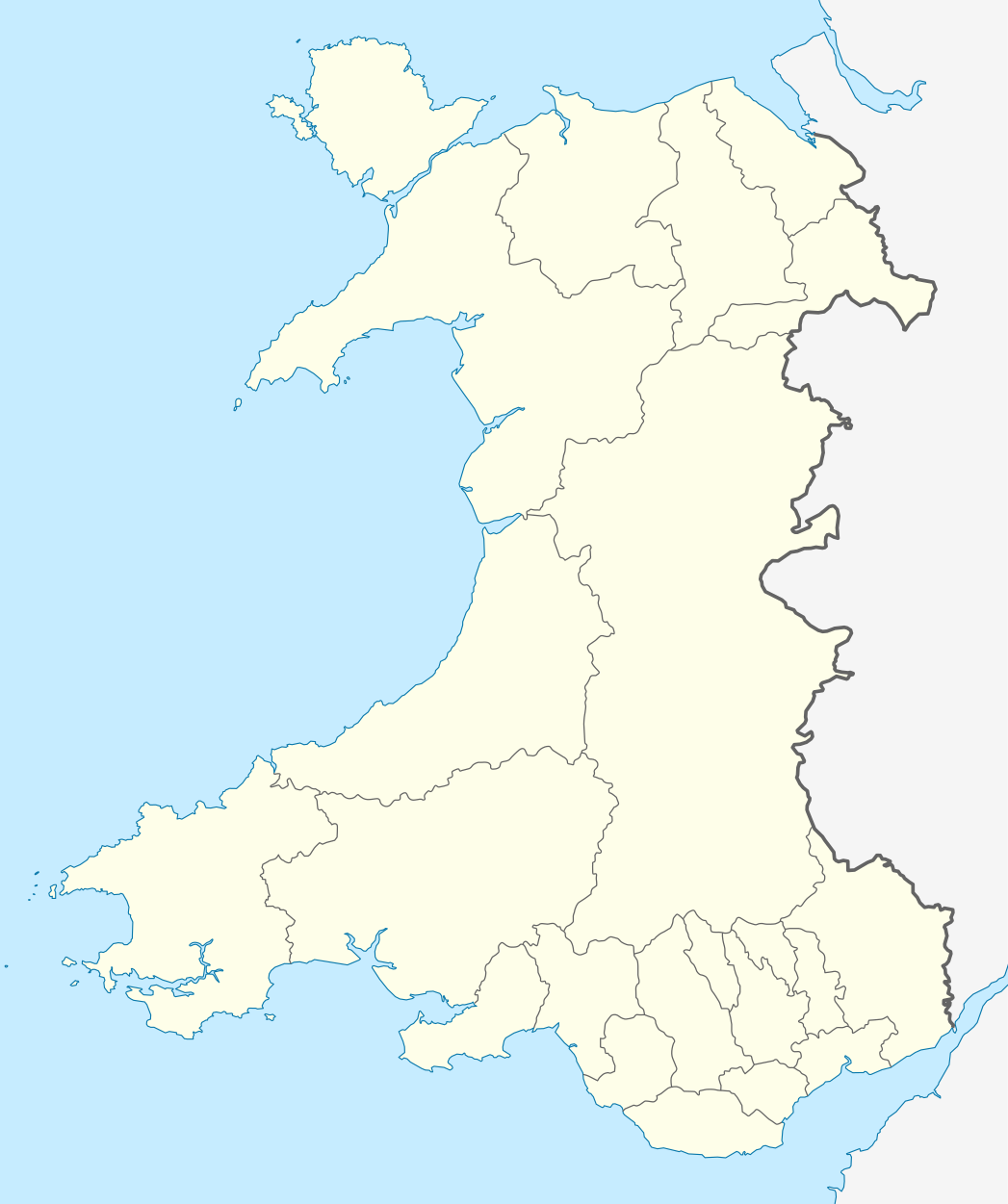
Short entry9.3 miles away
Cors Bodeilio National Nature Reserve
Near Pentraeth · Fen, reedbed and meadow
 the ai birderBirding near me
The AI Birder · one-page field sheet
Newborough, Anglesey, Wales · LL61 6RS · LL61 6RS

Mallard · Coot · Wigeon · Shoveler · Teal · Pintail
Llyn Rhos Ddu bird hide · Pen Cob Estuary View Walk viewpoints · Dune Walk waymarked path · Llyn Parc Mawr Lake View Trail viewpoint · Princes and Pines Heritage Trail
Check current access, hide closures and operator notices before travelling. Seasonal birds are possibilities, not promised sightings. Keep to authorised routes and give wildlife space.
Opening and charges checked 2026-10-25. Operator: https://naturalresources.wales/days-out/places-to-visit/north-west-wales/newborough/?lang=en
Full guide and current source links: https://aibirder.co.uk/reserves/newborough-warren-national-nature-reserve
WA 23 · Natural Resources Wales reserve guide
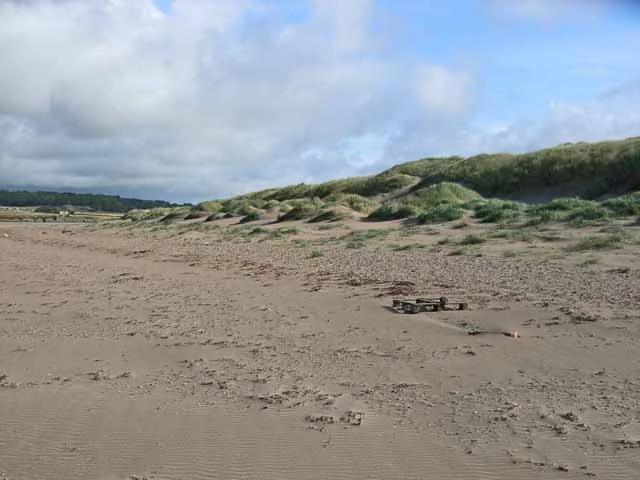
Newborough, Anglesey, Wales · LL61 6RS
Choose between freshwater, forest and a dune landscape, with tidal Llanddwyn kept as an optional coastal extension.
Decide if the visit fits.
Last checked 18 October 2026.
Opening and charges information · checked .
Stay nearby →Reserve overview
Choose between freshwater, forest and a dune landscape, with tidal Llanddwyn kept as an optional coastal extension.
Eight checks for a smoother visit.
Conditions change: check the operator and transport notices before travelling.
January: typically look for Shoveler from Llyn Rhos Ddu bird hide. Keep to the appropriate mapped trail. Pool, dune and estuary watches need different entrances; tidal Llanddwyn is optional and must never compromise a safe return. February: typically look for Pintail from Pen Cob Estuary View Walk viewpoints. Keep to the appropriate mapped trail. Pool, dune and estuary watches need different entrances; tidal Llanddwyn is optional and must never compromise a safe return. March: typically look for Skylark from Dune Walk waymarked path. Keep to the appropriate mapped trail. Pool, dune and estuary watches need different entrances; tidal Llanddwyn is optional and must never compromise a safe return. April: typically look for Whitethroat from Dune Walk waymarked path. Keep to the appropriate mapped trail. Pool, dune and estuary watches need different entrances; tidal Llanddwyn is optional and must never compromise a safe return. May: typically look for Mallard from Llyn Rhos Ddu bird hide. Keep to the appropriate mapped trail. Pool, dune and estuary watches need different entrances; tidal Llanddwyn is optional and must never compromise a safe return. June: typically look for Coot from Llyn Rhos Ddu bird hide. Keep to the appropriate mapped trail. Pool, dune and estuary watches need different entrances; tidal Llanddwyn is optional and must never compromise a safe return. July: typically look for Linnet from Dune Walk waymarked path. Keep to the appropriate mapped trail. Pool, dune and estuary watches need different entrances; tidal Llanddwyn is optional and must never compromise a safe return. August: typically look for Stonechat from Dune Walk waymarked path. Keep to the appropriate mapped trail. Pool, dune and estuary watches need different entrances; tidal Llanddwyn is optional and must never compromise a safe return. September: typically look for Teal from Llyn Rhos Ddu bird hide. Keep to the appropriate mapped trail. Pool, dune and estuary watches need different entrances; tidal Llanddwyn is optional and must never compromise a safe return. October: typically look for Wigeon from Pen Cob Estuary View Walk viewpoints. Keep to the appropriate mapped trail. Pool, dune and estuary watches need different entrances; tidal Llanddwyn is optional and must never compromise a safe return. November: typically look for Brent Goose from Pen Cob Estuary View Walk viewpoints. Keep to the appropriate mapped trail. Pool, dune and estuary watches need different entrances; tidal Llanddwyn is optional and must never compromise a safe return. December: typically look for Crossbill from Princes and Pines Heritage Trail. Keep to the appropriate mapped trail. Pool, dune and estuary watches need different entrances; tidal Llanddwyn is optional and must never compromise a safe return.
Best conditions: Usually begin with a calm morning for dune song and use the forest for shelter when the open coast is windy. A scope helps on the Cefni-side pools and estuary. Check weather, forestry notices and tide before any Llanddwyn extension; the island can be cut off and estuary mud must not be crossed.
Visitor information checked 18 October 2026: Natural Resources Wales manages the Newborough reserve and forest. At its main Beach, Airman’s and Cwningar car parks, up to 30 minutes for pick-up or drop-off is free, up to two hours costs £5, each additional 20 minutes costs 70p, and the all-day maximum is £15. Use the official payment machine or RingGo instructions; overnight parking is prohibited. Blue Badge free parking requires registration under the operator’s procedure. Other named car parks serve different trails, so check the map before choosing your destination. The postcode here identifies the Braint and Llyn Rhos Ddu approaches, not the distant Beach entrance. Check the NRW page for current forestry work and visitor changes before setting out.
Access times: Reserve: Outdoor routes available subject to forestry operations, weather closures and signed restrictions; no separate reserve gate opening is stated. · Hides: Llyn Rhos Ddu hide and public viewpoints are listed, but no independent hide door hours are published. · Car park: Beach, Airman’s and Cwningar parking permitted 06:00–23:59; parking 00:00–06:00 prohibited. Other trail car parks have separate arrangements; no unverified barrier hours asserted. · Dawn access: partly. Operator opening information.
A good birding route starts with the habitat you most want to watch. Llyn Rhos Ddu and Braint give access to the Warren's dune country; the operator's Dune Walk is 3.5 miles and is described as taking two to three hours before birding stops. Llyn Parc Mawr and Pen Cob offer another approach near the Cefni estuary. The Beach car park serves forest trails and the Saint, Sand and Sea route towards Llanddwyn. Do not try to include every entrance in one walking circuit. Two-hour plan, our suggestion: start at Llyn Rhos Ddu, spend time watching the freshwater view, and walk a manageable portion of the signed dune route before retracing your path. Make the return a second listening session rather than a forced march. Full-day plan, our suggestion: devote the morning to a mapped pool-and-dune outing, then take a break and change to the forest or Cefni-side public viewpoints. Compare the birds using each habitat and leave a tide-dependent coastal extension for a day with enough spare time. Llanddwyn can be cut off by high water, and the estuary contains dangerous soft mud and sand. Stay out of the mudflats, keep to safe paths and turn back while the return is straightforward. Within the forest, forestry closure signs apply even if an appealing path appears clear. Keep lunch and rest stops on firm public ground rather than wandering into wetland edges for a better view. For a useful comparison across the day, select one common bird and notice how its behaviour changes between the pool, forest edge and more open ground. Listen for calls before raising binoculars, then place the bird against a recognisable branch or landmark so another person can find it. The broad reserve can encourage ambitious walking, but a smaller route with repeat stops often makes identification easier. Photograph from the path and keep a clear passage for other visitors using the same trail. The strongest memory of Newborough may come from returning to an ordinary pool after the light has changed, rather than reaching a distant beach landmark.
Use the linked reserve map and directions with current access notices. Species are typical seasonal targets. Light and telescope advice reflects our choice of viewpoint.
Freshwater lake and vegetated margin
Use the operator-mapped hide beside Llyn Rhos Ddu; a separate door timetable is not published.
Winter: Wigeon, Shoveler, Teal
Spring: Mallard, Coot
Summer: Mallard, Coot
Autumn: Wigeon, Teal
Light: either. Scope: useful.
Cefni estuary, saltmarsh and pools behind the Cob
Two official viewing points on the signed walk from Pen Cob; stay out of estuary mud.
Winter: Pintail, Wigeon, Teal, Lapwing, Redshank
Spring: Shelduck, Lapwing, Osprey
Summer: Shelduck, Osprey
Autumn: Wigeon, Brent Goose, Redshank, Osprey
Light: either. Scope: essential.
Dune grassland, scrub and open woodland
Waymarked dune trail from Braint or Llyn Rhos Ddu; grazing animals and uneven sand.
Winter: Stonechat, Linnet, Raven
Spring: Skylark, Whitethroat, Linnet, Raven
Summer: Skylark, Whitethroat, Stonechat, Raven
Autumn: Stonechat, Linnet, Raven
Light: either. Scope: not needed.
Forest lake and surrounding pine woodland
Accessible 0.3 km trail: flat, 1.5 m wide surfaced path, rests about every 50 m.
Winter: Crossbill
Spring: Crossbill
Summer: Crossbill
Autumn: Crossbill
Light: either. Scope: not needed.
Pine forest, dune and woodland edge
Signed trail from Cwningar; current forestry closures take precedence.
Winter: Crossbill, Linnet
Spring: Whitethroat, Linnet
Summer: Whitethroat, Linnet
Autumn: Crossbill, Linnet
Light: either. Scope: not needed.
| Spot | Overlooks | Key species by season | Best light | Scope | Tide |
|---|---|---|---|---|---|
| Llyn Rhos Ddu bird hideUse the operator-mapped hide beside Llyn Rhos Ddu; a separate door timetable is not published. | Freshwater lake and vegetated margin | Winter: Wigeon, Shoveler, Teal Spring: Mallard, Coot Summer: Mallard, Coot Autumn: Wigeon, Teal | either | useful | — |
| Pen Cob Estuary View Walk viewpointsTwo official viewing points on the signed walk from Pen Cob; stay out of estuary mud. | Cefni estuary, saltmarsh and pools behind the Cob | Winter: Pintail, Wigeon, Teal, Lapwing, Redshank Spring: Shelduck, Lapwing, Osprey Summer: Shelduck, Osprey Autumn: Wigeon, Brent Goose, Redshank, Osprey | either | essential | — |
| Dune Walk waymarked pathWaymarked dune trail from Braint or Llyn Rhos Ddu; grazing animals and uneven sand. | Dune grassland, scrub and open woodland | Winter: Stonechat, Linnet, Raven Spring: Skylark, Whitethroat, Linnet, Raven Summer: Skylark, Whitethroat, Stonechat, Raven Autumn: Stonechat, Linnet, Raven | either | not needed | — |
| Llyn Parc Mawr Lake View Trail viewpointAccessible 0.3 km trail: flat, 1.5 m wide surfaced path, rests about every 50 m. | Forest lake and surrounding pine woodland | Winter: Crossbill Spring: Crossbill Summer: Crossbill Autumn: Crossbill | either | not needed | — |
| Princes and Pines Heritage TrailSigned trail from Cwningar; current forestry closures take precedence. | Pine forest, dune and woodland edge | Winter: Crossbill, Linnet Spring: Whitethroat, Linnet Summer: Whitethroat, Linnet Autumn: Crossbill, Linnet | either | not needed | — |
Month chips show typical presence or our preferred viewing season. Choose birds that suit the time of your visit.
Use public Cefni-side paths for the changing estuary view. NRW allows the Llanddwyn route at low water and warns the island can be cut off at high water. Check predictions before setting out and leave ample return time; no universal safe height is published. Never cross the estuary’s soft mud or sand.
Natural Resources Wales publishes detailed descriptions for individual trails, which is more helpful than calling the whole site accessible. Some forest routes are suitable for adaptive cycles, adaptive wheelchairs and mobility scooters, while dune and beach sections include loose sand and uneven ground. Its Bike Quest and Corsica routes have specific information and films for users of adaptive equipment. Use those resources to match the surface to your own needs before selecting a route. A beach wheelchair can be hired free from the Beach car park; arrange availability with NRW rather than assuming it will be waiting. The beach access and facilities are a different starting point from Llyn Rhos Ddu. Ask about the particular car park, toilet, gate and viewing point you intend to use, as moving between these places can require another road journey. For anyone who needs frequent rests, a short pool watch followed by a suitable forest section is a more manageable plan than the complete dune walk. Strong wind and soft sand can add substantially to effort even where the map shows little ascent.
Toilets, picnic areas and visitor information are associated with the main Beach approach, while the reserve's other starts offer different levels of provision. Carry water and food for a route beginning at the quieter pool entrances. Download the NRW leaflet and car-park map so the names on signs make sense when you reach them. Protect optics from sand, keep food away from livestock and take all litter home. Open fires and camping are prohibited.
Dogs are welcome on many forest trails and beach areas, but seasonal restrictions apply. On Llanddwyn keep dogs on short leads and marked paths from 1 April to 1 September. The Blue Flag beach excludes dogs from 1 May to 30 September. Consult the map at the Beach car park and keep well away from all feeding and resting birds.
Natural Resources Wales identifies Bangor and Holyhead as the nearest main-line stations and notes the request stop at Bodorgan, about four miles from Newborough village. A station on the island is not the same as a convenient reserve entrance: arrange the final taxi leg if you cannot comfortably manage the connecting walk. There is a bus stop in Newborough village; check Traveline Cymru for the actual service and return time on your date. Village arrival leaves a separate journey to whichever pool, forest or beach start you have chosen. Drivers should follow the NRW directions for that named car park. The published postcode covers a broad area and may not deliver you to its entrance. For Llyn Rhos Ddu use the signed minor-road approach described by NRW; for the main Beach car park use the separate forest entrance. Avoid parking in village passing places when the popular beach car park is full.
Useful bases for an early start.
Booking.com links are affiliate links: we may earn a commission at no extra cost to you. How these links work.
About 0.9 miles by road, roughly 2 minutes’ drive to the public visitor approach. OSRM measured the Newborough journey for Newborough Warren National Nature Reserve on 18 October 2026; the estimate excludes live traffic.
Measured driving route · 2026-10-18. Map estimates exclude live traffic.
A nearby Newborough base for an unhurried start at Newborough Warren National Nature Reserve.Find places to stay in Newborough on Booking.comAbout 9.8 miles by road, roughly 16 minutes’ drive to the public visitor approach. OSRM measured the Llangefni journey for Newborough Warren National Nature Reserve on 18 October 2026; the estimate excludes live traffic.
Measured driving route · 2026-10-18. Map estimates exclude live traffic.
Compare stays in Llangefni if this measured approach fits your wider route.Find places to stay in Llangefni on Booking.comAbout 14.1 miles by road, roughly 24 minutes’ drive to the public visitor approach. OSRM measured the Bangor journey for Newborough Warren National Nature Reserve on 18 October 2026; the estimate excludes live traffic.
Measured driving route · 2026-10-18. Map estimates exclude live traffic.
Consider Bangor when its location suits the other places in your itinerary.Find places to stay in Bangor on Booking.comExplore Anglesey’s full guides and smaller birding sites
Use Natural Resources Wales's customer contact service for general questions and its Newborough team for site-specific arrangements. The published team address is newborough@naturalresourceswales.gov.uk. Give the exact car-park and trail names when asking about access or a mobility aid, and include your intended date. Parking-charge appeals follow the parking operator's own process rather than the reserve team. Keep the downloaded official map with your visit plan so that an unfamiliar Welsh or English place-name does not lead you to a different entrance.
Check Anglesey Bird News actual regional observations. usually weekly dated reports; county-wide, not a reserve-only feed Reports show what has been seen, not what will be.
Follow the BTO Birders’ Code and give wildlife space.
Newborough Warren National Nature Reserve: Main Beach/Airman’s/Cwningar parking £5/two hours, up to £15/day.
Newborough Warren National Nature Reserve: Dogs are welcome on many forest trails and beach areas, but seasonal restrictions apply.
Newborough Warren National Nature Reserve: Year-round · winter waterbirds · spring woodland song.
Newborough Warren National Nature Reserve: Natural Resources Wales publishes detailed descriptions for individual trails, which is more helpful than calling the whole site accessible.
Newborough Warren National Nature Reserve: Natural Resources Wales identifies Bangor and Holyhead as the nearest main-line stations and notes the request stop at Bodorgan, about four miles from Newborough village.
Shorter stops within 15 miles in a straight line. Use the operator’s arrival directions for the journey.
Near Pentraeth · Fen, reedbed and meadow
Capel Coch · Fen, reedbeds, wet heath, lake and woodland
Llanbedrgoch · Fen, wetland, grassland and lowland heath
Nearby complete guides.
Stops with a purpose: use one as a contrasting habitat or weather-proof Plan B. Distances are straight-line estimates, not road journeys.