Boat of Garten
Best for a small village stay and combining Loch Garten with Strathspey birding.
Find stays in Boat of Garten on Booking.com the ai birderBirding near me
Responsible wildlife guide
For a spring or summer Osprey visit, start with Loch Garten’s managed Nature Centre or Loch of the Lowes’ public hides, using April–August as the shared planning window rather than a guaranteed arrival or departure date.
Plan an Osprey visit around official viewpoints, seasonal migration and patient watching at Loch Garten, Loch of the Lowes and Rutland Water reserves.
NearestBase is a relevant existing-guide base for the stated arrival, not a new accommodation inspection or an independently ranked distance comparison.
| Place | Season | Access and booking | Nearby base |
|---|---|---|---|
| RSPB Loch Garten | Spring–summer Ospreys; Nature Centre advertised 1 April–31 October. | Use the public Nature Centre and booked operator experiences; forest access differs from centre access. Official visit/booking instructions | Boat of Garten |
| Loch of the Lowes Wildlife Reserve | April–August target window in the existing dated guide. | Managed visitor-centre and public-hide visit within the operator’s hours. Official visit/booking instructions | Dunkeld |
Do not assume a forest’s open trails mean the staffed Osprey experience or equipment is available outside centre hours.
The old Loch of the Lowes private-event closure was 23 October 2026; it is not repeated as a current 25 October closure. Recheck the operator for the actual visit.
Use official public hides, the Nature Centre or confirmed guided products. Do not seek another approach to a nest or publish breeding-location directions.
Some links earn us a small commission at no extra cost to you. These are settlement search bases, with no promise of availability.
Best for a small village stay and combining Loch Garten with Strathspey birding.
Find stays in Boat of Garten on Booking.comBest for car-free arrival, outdoor hostels, hotels and a broader Cairngorms trip.
Find stays in Aviemore on Booking.comA nearby village base with the Fungarth walking approach.
Find stays in Dunkeld on Booking.comRail connections and a wider city stay.
Find stays in Perth on Booking.com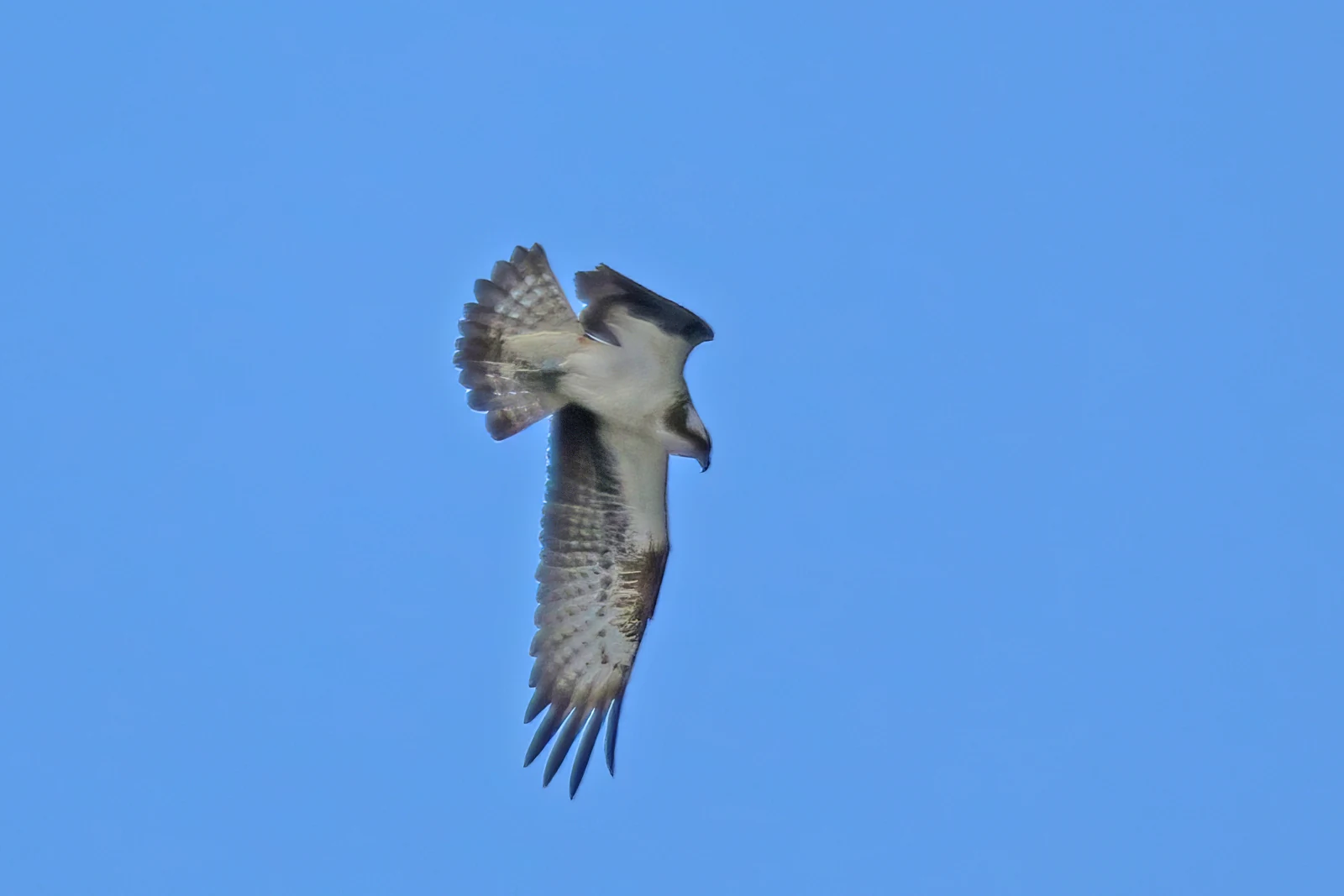
Ospreys are usually summer visitors to Britain. The Wildlife Trusts gives March to September as the broad watching season, while the RSPB describes birds returning from March onwards after wintering in West Africa. Arrival and departure vary between birds and years. Do not convert a previous spring’s return date into a booking promise for the next season, or assume a visitor centre’s opening period exactly matches the birds’ presence.
Typically, spring offers returning adults and the establishment of breeding activity; summer can bring fish deliveries and, later, flying young. Those possibilities depend on the outcome of the individual nesting season. A reserve can remain an excellent place to visit after a failed breeding attempt, yet offer a different experience from an old photograph of a nest full of chicks. Read the operator’s current update before deciding how much of a holiday to build around one pair.
RSPB Loch Garten is the Cairngorms starting point for an Osprey visit combined with Caledonian woodland. The RSPB identifies breeding Ospreys among its spring and summer wildlife and provides a Nature Centre and official live cameras. Begin with that managed visitor offer and the current information from the reserve team. Stay on signed routes; a wider forest walk is for enjoying the habitat, not for searching out a different angle on a nest.
Use the linked reserve guide to plan access, facilities and a comfortable amount of walking. Allow time to watch other forest wildlife between Osprey observations. A camera screen can explain behaviour that is difficult to see at distance, while binoculars give context to the surrounding landscape. Treat either as a useful part of the visit. There is no need to press closer because an online camera provides an unusually intimate view.
Loch of the Lowes Wildlife Reserve near Dunkeld provides the Scottish Wildlife Trust’s managed lochside watching experience. Use its official hides and visitor facilities for Osprey observations. The reserve’s own guidance restricts access to the water; a canoe, paddleboard or an improvised shoreline approach is not an alternative viewing method. Consult the current reserve guide for the public walking approach and the practical details of the centre visit.
Our suggested approach is to settle in one hide, orientate yourself using the interpretation or staff advice, and watch long enough for behaviour to develop. A bird resting quietly is still doing something worth observing. Note changes of posture, the direction of attention and interactions you can see without guessing their cause. When another visitor arrives, share a viewing position courteously and explain a bird’s location using visible landmarks rather than sending anyone towards it.
Rutland Water Nature Reserve offers a Midlands option through the Lyndon Visitor Centre side of the reservoir. Leicestershire and Rutland Wildlife Trust identifies Waderscrape and Shallow Water hides as its best spring and summer viewpoints for the Manton Bay Ospreys. Follow the signed reserve route to those hides. They are the intended setting for watching the birds, with the water separating visitors from breeding activity.
Choose your visit from the current seasonal information rather than assuming all facilities remain staffed throughout the year. The operator’s published 2026 Lyndon centre season ran from 2 March to 30 September; that is a dated reference, not a statement of 2027 opening dates. The reserve guide covers permits, access and the separate parts of Rutland Water. Plan enough time to enjoy the meadow and waterside route as well as the main Osprey watch.
The RSPB also identifies RSPB Loch Lomond and RSPB Loch of Kinnordy as good breeding-season places to see Ospreys. Use their official public trails and hides for a broad wetland watch; this does not mean every reserve has a dedicated nest observatory. RSPB Arne is another relevant guide for Poole Harbour watching, with the RSPB identifying spring migration there. Keep expectations appropriate to a moving bird rather than expecting one to remain at a single viewpoint.
Typically, a hunting Osprey patrols water and may pause above a promising area before a feet-first plunge. Track the whole sequence from your existing position. Do not move towards a fishing bird, launch onto the water or attempt to influence where it lands. Binoculars are useful for following movement; a telescope can help with a stationary bird but is harder to use on a rapidly changing flight path. Poor light or a brief view may leave the identification uncertain.
Our recommendation for a first visit is one reserve and an unhurried session at an official viewpoint. Pack layers, water and whatever helps you remain comfortable in a hide. There is no universal fish-delivery timetable, and an absence of activity during a short stop says little about the rest of the day. Choose a realistic return connection so that waiting does not become a race against your journey home.
Follow all temporary closures and staff requests. Keep precise unpublished nest locations out of public posts, avoid pointing cameras into restricted areas and do not use playback or drones. If you see behaviour that concerns you, report it privately to the operator instead of circulating directions. Record what you observed, the date and the authorised viewpoint. A responsible account can communicate the excitement of an Osprey encounter without making its breeding place a destination for unsupervised approaches.
These rows use existing reserve watching-place records and typical local seasons. Sensitive locations are withheld. Follow current operator restrictions.
| Reserve and public watching place | Typical months | Best light | Scope |
|---|---|---|---|
| RSPB Loch Garten: Loch Garten Nature Centre | April, May, June, July, August, September | either | not needed |
| RSPB Loch Lomond: Net Bay viewpoint | April, May, June, July, August, September | either | essential |
| WWT Caerlaverock: Saltcot Merse Observatory | April, May, June, July, August, September | either | essential |
| Montrose Basin: The Lurgies public sea wall | May, June, July, August, September | either | useful |
| RSPB Loch of Kinnordy: Gullery Hide | April, May, June, July, August | either | useful |
| RSPB Arne: Middlebere Lookout | April, May, August, September | either | useful |
| Loch of the Lowes Wildlife Reserve: Double-decker Hide (Main Hide) | April, May, June, July, August | either | useful |
| Rutland Water Nature Reserve: Waderscrape Hide | April, May, June, July, August | either | useful |
| Dyfi National Nature Reserve - Ynyslas: Ynyslas Walk saltmarsh edge | April, May, June, July, August, September | either | essential |
| Cors Dyfi Nature Reserve and Dyfi Wildlife Centre: Dyfi 360 Observatory | April, May, June, July, August, September | either | essential |
| Newborough Warren National Nature Reserve: Pen Cob Estuary View Walk viewpoints | April, May, June, July, August, September | either | essential |
| Kielder Water ospreys: Tower Knowe public watch cabin | April, May, June, July, August, September | not applicable | not needed |
The months below come from each reserve’s local birding guide. They describe typical presence or a preferred watching season; national occurrence can be broader. Reports show past observations and cannot promise an encounter. Sensitive birds have no published watching position.
| Species | Reserve guide | Typical or preferred months |
|---|---|---|
| Osprey | RSPB Loch Garten | April, May, June, July, August, September |
| Osprey | RSPB Loch Lomond | April, May, June, July, August, September |
| Osprey | WWT Caerlaverock | April, May, June, July, August, September |
| Osprey | Montrose Basin | May, June, July, August, September |
| Osprey | RSPB Loch of Kinnordy | April, May, June, July, August |
| Osprey | RSPB Arne | April, May, August, September |
| Osprey | Loch of the Lowes Wildlife Reserve | April, May, June, July, August |
| Osprey | Rutland Water Nature Reserve | April, May, June, July, August |
| Osprey | Dyfi National Nature Reserve - Ynyslas | April, May, June, July, August, September |
| Osprey | Cors Dyfi Nature Reserve and Dyfi Wildlife Centre | April, May, June, July, August, September |
| Osprey | Newborough Warren National Nature Reserve | April, May, June, July, August, September |
| Osprey | Kielder Water ospreys | April, May, June, July, August, September |
| Osprey | Forvie National Nature Reserve and Ythan Estuary | April, May, June, July, August, September |
| Osprey | Findhorn Bay Local Nature Reserve | April, May, June, July, August, September |
Public places covered in this guide include RSPB Loch Garten, RSPB Loch Lomond, WWT Caerlaverock.
Typically March–September; managed breeding-season viewpoints in spring and summer
Watch only from official public viewpoints, hides and signed trails. Do not search for nests, approach nest trees, enter restricted shores or publish unpublished nest locations. Never use drones or playback to obtain a closer encounter.
Reviewed 2026-10-19.