Short entry3.2 miles away
Lytchett Bay
Upton, Poole Harbour · Saltmarsh, mudflats, reedbed and lowland heath
 the ai birderBirding near me
The AI Birder · one-page field sheet
Arne Road, Wareham, Dorset, England · BH20 5BJ · BH20 5BJ

Current planning alert (2026-10-18): RSPB continues to publish its high-fire-risk notice: smoking, flammables, fires and barbecues are prohibited.
Dartford Warbler · Spoonbill · Avocet · Kingfisher · Marsh Harrier · Wigeon
Harbour Hide · Harbour Hide adjacent screens · Middlebere Lookout · Reedbed Hide · Island Viewpoint · Curlew Screen · Purbeck Viewpoint · Hyde’s Heath Trail · Silver Birch Trail · Coombe Heath Trail
Check current access, hide closures and operator notices before travelling. Seasonal birds are possibilities, not promised sightings. Keep to authorised routes and give wildlife space.
Opening and charges checked 2026-10-18. Operator: https://www.rspb.org.uk/days-out/reserves/arne
Full guide and current source links: https://aibirder.co.uk/reserves/rspb-arne
EN 19 · RSPB reserve guide
Arne Road, Wareham, Dorset, England · BH20 5BJ
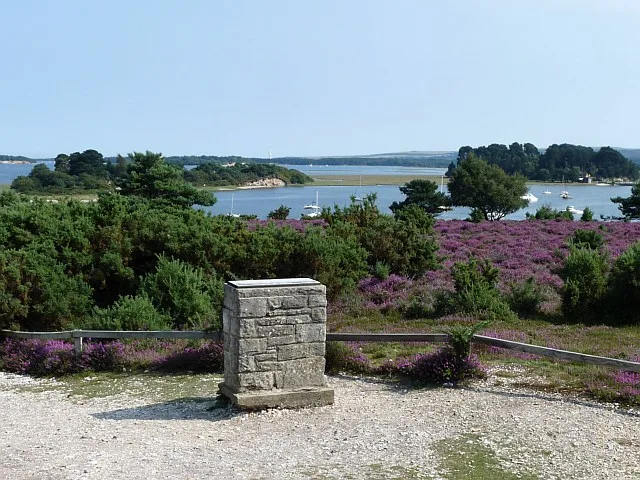
Dartford Warblers, Woodlarks and Nightjars give the heathland its character. Harbour lookouts add a different scale of birding, with winter Avocets and opportunities to watch Spoonbills or fishing Ospreys.
Decide if the visit fits.
Last checked 18 October 2026.
RSPB continues to publish its high-fire-risk notice: smoking, flammables, fires and barbecues are prohibited.
Opening and charges information · checked .
Stay nearby →Reserve overview
Dartford Warblers, Woodlarks and Nightjars give the heathland its character. Harbour lookouts add a different scale of birding, with winter Avocets and opportunities to watch Spoonbills or fishing Ospreys.
Eight checks for a smoother visit.
Conditions change: check the operator and transport notices before travelling.
January: typically start at Middlebere Lookout for Avocets, Wigeon, Teal and Black-tailed Godwits. Compare a second harbour view from Harbour Hide for Spoonbills and Pintail, choosing a route within the opening window. February: winter ducks and Avocets remain useful targets at Middlebere Lookout. On a calm spell, the permitted Hyde’s Heath Trail can add Dartford Warblers and Stonechats without leaving the path. March: Woodlarks usually become more noticeable by song on Hyde’s Heath. Listen from the signed trail, then use the Silver Birch route for Nuthatches and Great Spotted Woodpeckers if the open heath is windy. April: typically combine Dartford Warblers on Hyde’s Heath with passage Whimbrels at Middlebere Lookout. A quiet morning helps separate bird song; moving into the heather would disturb the birds you came to watch. May: Woodlark and Stonechat remain heathland priorities, while the Silver Birch Trail can add Spotted Flycatcher. Nightjar visits belong on official evening arrangements, with no search for a nest or daytime resting bird. June: typically give the woodland a slow early circuit for Treecreepers and flycatchers. The Big Wood Island Viewpoint offers a different habitat, with Common and Sandwich Terns over the harbour. July: use the Silver Birch Trail for woodland birds and the Coombe Heath Trail for Meadow Pipits. A settled watch from Reedbed Hide can add Kingfisher or Marsh Harrier activity when the reeds allow a view. August: typically check Coombe Heath for Whinchats and Wheatears on passage, then compare Middlebere’s margins for Green Sandpipers. Ospreys may fish in the harbour; watch only from public viewpoints or operator-run trips. September: Spoonbills and increasing Black-tailed Godwits make the harbour a strong choice. Try Harbour Hide and Middlebere Lookout, using the local daily reports to decide which half of the reserve deserves more time. October: typically make Spoonbills a Harbour Hide priority and compare changing wader positions from Middlebere Lookout. Treecreepers on the Silver Birch route offer close-range study when harbour visibility is poor. November: Wigeon, Teal and Pintail usually give the harbour its winter character. From Big Wood Island Viewpoint, use a scope to search open water for Great Crested Grebes and Red-breasted Mergansers. December: typically combine Avocets from Middlebere with Spoonbills from Harbour Hide, leaving time for the return before dusk. Shorten the exposed circuit in poor weather and use woodland shelter for Treecreepers and Coal Tits.
Best conditions: Typically a calm morning helps with Dartford Warbler and Woodlark song; exposed Coombe Heath is breezier than the woodland loops. Our choice for distant harbour birds is bright overcast light and a stable tripod. Switch between woodland and harbour views as wind or glare changes. Use the existing mapped lookouts and screens, rather than following waterbirds onto mud or marsh. Table light and scope ratings are editorial.
Prices checked 18 October 2026: non-member reserve admission is £7 per adult and £3.50 per paying child. People aged 16–24 with valid identification, the first child, under-fives and carers are listed free. RSPB members enter free. The RSPB charges table labels the car park “Included in reserve admission” and lists a £5 non-member parking figure. Use that table when choosing the appropriate payment for your visit. Ordinary visits do not require advance booking. The October visitor-centre calendar is 09:30–16:30, and shop, café and toilets 10:00–16:00. However, the permanent facilities page gives longer seasonal café and shop hours. These official pages conflict: use the date-specific calendar and confirm your intended indoor service before depending on the earlier or later time. No overnight parking or camping is allowed. Check current access and conditions before travel; the separate dated fire-risk notice also applies.
Access times: Reserve: 8.30am–dusk on the current RSPB calendar. · Hides: Plan hide and lookout visits within the reserve’s trail window; separate hide-opening hours are not published on the checked facilities page. · Car park: 8.30am–dusk; no overnight parking or camping. · Dawn access: no. Operator opening information.
The usual signed routes offer different landscapes rather than interchangeable loops. The 3.8 km Shoreline Trail leads through woodland and heath towards harbour views around Shipstal. The 3.7 km Coombe Heath Trail reaches Middlebere views, while Hyde's Heath is a 3.2 km loop through more open country. The 2 km Wetland Trail is an out-and-back extension reached from Coombe Heath, leading to Reedbed Hide; allow for the approach when estimating the total outing. The shorter Silver Birch Trail is approximately 1 km from its own starting point. Two-hour plan: choose a single principal area. For harbour birds, take the Shoreline route and devote time to the Harbour Hide area instead of also trying to complete Coombe Heath. For heathland song, use Coombe Heath and stop regularly to listen. These are editorial allocations, not guaranteed completion times: a worthwhile bird or a change in weather can alter the pace considerably. Keep the final part of your allowance for returning to your starting point. Full-day plan: begin with heathland or woodland birds while activity is strongest, then shift to harbour observation according to tide and light. Take a proper break between areas. Coombe Heath followed by the Wetland extension offers another coherent day if you want reedbed as well as heath; alternatively, combine a shorter woodland session with the Shoreline Trail and prolonged viewing stops. Do not treat every named trail as a checklist to finish. Use the current map at junctions and return by signed paths. Keep clear of grazing livestock and allow a wide, calm passage. Birding time is best spent watching natural behaviour from established routes, not searching beyond their margins for a nest or a reported bird.
Use the linked reserve map and directions with current access notices. Species are typical seasonal targets. Light and telescope advice reflects our choice of viewpoint.
Arne Bay saltmarsh and tidal water
Higher lookout levels involve steps; the approach is uneven in places.
Winter: Spoonbill, Wigeon, Pintail, Curlew, Hen Harrier
Spring: Redshank, Whimbrel
Summer: Redshank, Common Tern
Autumn: Spoonbill, Curlew, Avocet, Hen Harrier
Light: either. Scope: useful.
Tide: Compare feeding birds as mud appears with the higher-water harbour view.
The same harbour and saltmarsh from the lower public viewing positions
The operator map identifies wheelchair access to screens beside the hide.
Winter: Spoonbill, Wigeon, Teal
Spring: Redshank
Summer: Redshank
Autumn: Spoonbill, Curlew
Light: either. Scope: useful.
Tide: Harbour water levels change the distance of feeding birds.
Middlebere Channel, mudflats and reed-fringed water
Operator lists this lookout as wheelchair accessible; connecting heath paths have gradients.
Winter: Avocet, Black-tailed Godwit, Wigeon, Teal
Spring: Whimbrel, Grey Plover, Osprey
Summer: Kingfisher, Osprey
Autumn: Black-tailed Godwit, Green Sandpiper, Kingfisher, Spotted Redshank, Osprey
Light: either. Scope: useful.
Tide: Local recording guidance favours rising or falling water for the waterside viewpoint.
Reedbed, open water and reed margins on the Wetland Trail
Narrow out-and-back route with a steep slope; it can become muddy.
Winter: Kingfisher, Marsh Harrier
Spring: Kingfisher, Marsh Harrier
Summer: Kingfisher, Marsh Harrier
Autumn: Kingfisher, Marsh Harrier
Light: either. Scope: useful.
Harbour islands and open water from the Shoreline Trail
Use the signed Shoreline Trail; exposed sections need care in strong wind.
Winter: Great Crested Grebe, Red-breasted Merganser
Spring: Common Tern
Summer: Common Tern, Sandwich Tern
Autumn: Great Crested Grebe
Light: afternoon. Scope: essential.
Middlebere Channel mudflats and saltmarsh from the Coombe Heath route
Use the operator map for the current signed approach.
Winter: Curlew, Wigeon
Spring: Redshank
Summer: Redshank
Autumn: Curlew, Black-tailed Godwit
Light: either. Scope: useful.
Tide: Scan exposed feeding edges as the tide changes; do not walk onto the saltmarsh.
Woodland edge, heath and the distant saltmarsh
Remain at the viewpoint and on signed paths; do not follow birds into heather.
Spring: Nuthatch, Great Spotted Woodpecker
Autumn: Coal Tit, Nuthatch, Treecreeper, Curlew, Redshank
Winter: Coal Tit, Treecreeper, Curlew
Light: either. Scope: useful.
Heath, gorse and the Wareham Channel outlook
Use signed paths; the upper trail excludes pet dogs.
Winter: Dartford Warbler, Stonechat
Spring: Dartford Warbler, Woodlark, Nightjar
Summer: Dartford Warbler, Woodlark, Stonechat, Nightjar
Autumn: Dartford Warbler, Stonechat
Light: either. Scope: not needed.
Birch and ancient oak woodland, glades and ponds
Generally wide and fairly level; the Harbour Hide spur is less even.
Winter: Treecreeper, Nuthatch, Coal Tit
Spring: Nuthatch, Great Spotted Woodpecker
Summer: Spotted Flycatcher, Treecreeper
Autumn: Treecreeper, Great Spotted Woodpecker
Light: either. Scope: not needed.
Heath, mixed woodland and channel outlooks
Breezy, open route with slopes; keep to the marked circuit.
Winter: Dartford Warbler, Stonechat
Spring: Dartford Warbler, Woodlark, Linnet
Summer: Meadow Pipit, Green Woodpecker
Autumn: Whinchat, Wheatear, Spotted Flycatcher
Light: either. Scope: not needed.
| Spot | Overlooks | Key species by season | Best light | Scope | Tide |
|---|---|---|---|---|---|
| Harbour HideHigher lookout levels involve steps; the approach is uneven in places. | Arne Bay saltmarsh and tidal water | Winter: Spoonbill, Wigeon, Pintail, Curlew, Hen Harrier Spring: Redshank, Whimbrel Summer: Redshank, Common Tern Autumn: Spoonbill, Curlew, Avocet, Hen Harrier | either | useful | Compare feeding birds as mud appears with the higher-water harbour view. |
| Harbour Hide adjacent screensThe operator map identifies wheelchair access to screens beside the hide. | The same harbour and saltmarsh from the lower public viewing positions | Winter: Spoonbill, Wigeon, Teal Spring: Redshank Summer: Redshank Autumn: Spoonbill, Curlew | either | useful | Harbour water levels change the distance of feeding birds. |
| Middlebere LookoutOperator lists this lookout as wheelchair accessible; connecting heath paths have gradients. | Middlebere Channel, mudflats and reed-fringed water | Winter: Avocet, Black-tailed Godwit, Wigeon, Teal Spring: Whimbrel, Grey Plover, Osprey Summer: Kingfisher, Osprey Autumn: Black-tailed Godwit, Green Sandpiper, Kingfisher, Spotted Redshank, Osprey | either | useful | Local recording guidance favours rising or falling water for the waterside viewpoint. |
| Reedbed HideNarrow out-and-back route with a steep slope; it can become muddy. | Reedbed, open water and reed margins on the Wetland Trail | Winter: Kingfisher, Marsh Harrier Spring: Kingfisher, Marsh Harrier Summer: Kingfisher, Marsh Harrier Autumn: Kingfisher, Marsh Harrier | either | useful | — |
| Island ViewpointUse the signed Shoreline Trail; exposed sections need care in strong wind. | Harbour islands and open water from the Shoreline Trail | Winter: Great Crested Grebe, Red-breasted Merganser Spring: Common Tern Summer: Common Tern, Sandwich Tern Autumn: Great Crested Grebe | afternoon | essential | — |
| Curlew ScreenUse the operator map for the current signed approach. | Middlebere Channel mudflats and saltmarsh from the Coombe Heath route | Winter: Curlew, Wigeon Spring: Redshank Summer: Redshank Autumn: Curlew, Black-tailed Godwit | either | useful | Scan exposed feeding edges as the tide changes; do not walk onto the saltmarsh. |
| Purbeck ViewpointRemain at the viewpoint and on signed paths; do not follow birds into heather. | Woodland edge, heath and the distant saltmarsh | Spring: Nuthatch, Great Spotted Woodpecker Autumn: Coal Tit, Nuthatch, Treecreeper, Curlew, Redshank Winter: Coal Tit, Treecreeper, Curlew | either | useful | — |
| Hyde’s Heath TrailUse signed paths; the upper trail excludes pet dogs. | Heath, gorse and the Wareham Channel outlook | Winter: Dartford Warbler, Stonechat Spring: Dartford Warbler, Woodlark, Nightjar Summer: Dartford Warbler, Woodlark, Stonechat, Nightjar Autumn: Dartford Warbler, Stonechat | either | not needed | — |
| Silver Birch TrailGenerally wide and fairly level; the Harbour Hide spur is less even. | Birch and ancient oak woodland, glades and ponds | Winter: Treecreeper, Nuthatch, Coal Tit Spring: Nuthatch, Great Spotted Woodpecker Summer: Spotted Flycatcher, Treecreeper Autumn: Treecreeper, Great Spotted Woodpecker | either | not needed | — |
| Coombe Heath TrailBreezy, open route with slopes; keep to the marked circuit. | Heath, mixed woodland and channel outlooks | Winter: Dartford Warbler, Stonechat Spring: Dartford Warbler, Woodlark, Linnet Summer: Meadow Pipit, Green Woodpecker Autumn: Whinchat, Wheatear, Spotted Flycatcher | either | not needed | — |
Month chips show typical presence or our preferred viewing season. Choose birds that suit the time of your visit.
Local harbour guidance recommends a rising or falling tide for the waterside Coombe viewpoint as birds follow the mud edge; higher water can concentrate Spoonbills around Shipstal, watched only from public hide or path views. Use Poole Harbour predictions and allow for local channel differences. No operator-published minimum height was found.
Five Blue Badge bays are listed in the main car park. A separate four-space car park farther into the reserve serves visitors with access needs; obtain its permit from the Welcome Hut. Starting there changes the distance required to reach the Silver Birch route, so distinguish that starting point from walking in from the main entrance. The map describes Silver Birch as a generally wide, fairly even gravel loop with shade and benches. Its approach towards Harbour Hide is less even; higher lookout levels involve steps, while screens beside the hide have wheelchair access. Other routes introduce slopes, sandy patches or narrow sections. The Shoreline Trail includes 38 steps, and the Wetland extension can be muddy despite having no mapped steps. Middlebere Lookout is listed as wheelchair accessible, which does not imply every connecting route has the same surface. Two Trampers are available to hire for agreed routes, subject to booking, a fee and introductory training. Contact tramperhirearne@rspb.org.uk to arrange the practical details. Accessible toilet provision is in the café/shop building. RSPB links a detailed AccessAble guide and an access map: compare these against the chair, scooter, transfer and resting requirements that matter to you, rather than using a general accessibility label as a guarantee.
The Welcome Hut provides orientation and a sightings board. There are general toilets in the café/shop building and another block by the car park, plus baby changing and bicycle racks. The café offers refreshments; discuss allergens directly if a dietary requirement determines your meal. Visitors may bring a picnic, but RSPB says there is no designated picnic area and asks that litter be taken home. The shop and guided-event programme are separate useful options for a break from the trails. Carry water for the exposed parts of your outing.
Dogs on short leads are welcome on designated dog-friendly trails and, according to the current RSPB page, inside the visitor centre, shop and café. Pet dogs are excluded from the upper Hyde's Heath Trail; assistance dogs are exempt. Follow the mapped dog routes, give livestock room and never leave a dog in a vehicle. The permission to enter buildings does not extend the permitted trail network.
Wareham is the rail gateway identified by RSPB, approximately 4.5 miles from the reserve. Dorset Community Transport's current operator page says the Purbeck Shuttle, service 200, connects Wareham Station with Arne on Wednesdays throughout 2026, with additional summer operating days. Use the linked operator timetable for the exact date and return journey; the reserve's older seasonal 2RN wording should not override the transport operator's updated information. Morebus Purbeck Breezer 40 serves Stoborough Green on its Poole–Swanage route. RSPB describes a further 3.3-mile road approach from that stop, so it is not an entrance service. Consult Morebus notices as well as the timetable when selecting the stop. A taxi from Wareham, booked in both directions, is an alternative when the shuttle day does not fit. Cyclists can follow the road approach; the operator identifies nearby National Cycle Route 2 and the Purbeck Cycleway. Nearby does not mean a continuous traffic-free connection. Plan equipment, light and return transport around the actual route you will take.
Useful bases for an early start.
Booking.com links are affiliate links: we may earn a commission at no extra cost to you. How these links work.
From Wareham settlement point: about 3.98 miles by road, roughly 8.6 minutes' drive to Arne's main entrance. OSRM/OpenStreetMap estimate measured 18 October 2026; excludes live traffic and parking.
Measured driving route · 2026-10-18. Map estimates exclude live traffic.
The nearest rail gateway and a practical base for the Wednesday shuttle or a prearranged taxi.Find places to stay in Wareham on Booking.comFrom Corfe Castle settlement point: about 4.78 miles by road, roughly 6.8 minutes' drive to Arne's main entrance. OSRM/OpenStreetMap estimate measured 18 October 2026; excludes live traffic and parking.
Measured driving route · 2026-10-18. Map estimates exclude live traffic.
Combining reserve birding with a separate Purbeck village base and a deliberate road transfer.Find places to stay in Corfe Castle on Booking.comFrom Swanage settlement point: about 10.94 miles by road, roughly 16.4 minutes' drive to Arne's main entrance. OSRM/OpenStreetMap estimate measured 18 October 2026; excludes live traffic and parking.
Measured driving route · 2026-10-18. Map estimates exclude live traffic.
A coastal base for a longer Purbeck stay; plan the reserve outing independently of a beach day.Find places to stay in Swanage on Booking.comExplore Dorset’s full guides and smaller birding sites
The reserve team can be reached at arne@rspb.org.uk or 01929 553360. Use those details for questions about a particular route or visit arrangement; Tramper enquiries have their dedicated address in the access information. The official webpage's sightings paragraph has no displayed report date and includes seasonal observations, so it should not be treated as this week's verified news. Use the reserve's current notices and welcome-team information to add context to your own observations, recording the date and place rather than relying on an undated species mention.
Check RSPB Arne: reserve sightings paragraph. irregular; the displayed paragraph is undated Reports show what has been seen, not what will be.
Follow the BTO Birders’ Code and give wildlife space.
RSPB Arne: Non-member adults £7, paying children £3.50; members free. Parking included in admission; £5 parking figure listed.
RSPB Arne: Dogs on short leads are welcome on designated dog-friendly trails and, according to the current RSPB page, inside the visitor centre, shop and café.
RSPB Arne: Heathland birds in spring and summer · passage Ospreys · winter harbour flocks.
RSPB Arne: Its approach towards Harbour Hide is less even; higher lookout levels involve steps, while screens beside the hide have wheelchair access.
RSPB Arne: Wareham is the rail gateway identified by RSPB, approximately 4.5 miles from the reserve.
Shorter stops within 15 miles in a straight line. Use the operator’s arrival directions for the journey.
Upton, Poole Harbour · Saltmarsh, mudflats, reedbed and lowland heath
Christchurch Harbour · Saltmarsh, tidal creeks, mudflats and reedbeds
Nearby complete guides.
Stops with a purpose: use one as a contrasting habitat or weather-proof Plan B. Distances are straight-line estimates, not road journeys.