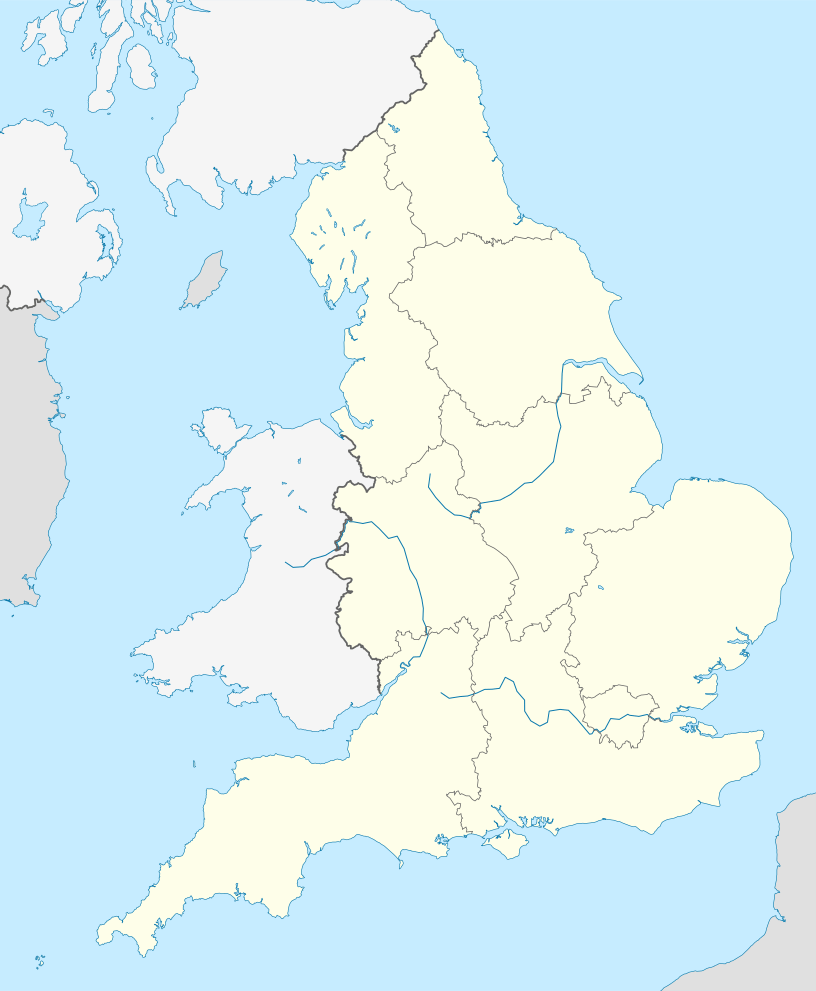

Short entry9.5 miles away
Martin Down
Near Martin village · Chalk grassland and scrub
 the ai birderBirding near me
The AI Birder · one-page field sheet
Ringwood, Hampshire · BH24 3PJ

Current planning alert (2026-10-18): The Trust’s current arrangement closes the car parks and Education Centre on Sundays and Mondays. Hides remain available on foot; vehicle gates open Tuesday–Saturday, 9am–4.30pm.
Lapwing · Oystercatcher · Great Spotted Woodpecker · Nuthatch · Siskin · Great Crested Grebe
Tern Hide · Goosander Hide · Lapwing Hide · Ivy North Hide · Ivy South Hide · Woodland Hide · Viewing screens (four; follow on-site signs) · Viewpoint near Tern Hide
Check current access, hide closures and operator notices before travelling. Seasonal birds are possibilities, not promised sightings. Keep to authorised routes and give wildlife space.
Opening and charges checked 2026-10-18. Operator: https://www.hiwwt.org.uk/nature-reserves/blashford-lakes-nature-reserve
Full guide and current source links: https://aibirder.co.uk/reserves/blashford-lakes
EN 99 · Hampshire & Isle of Wight Wildlife Trust reserve guide
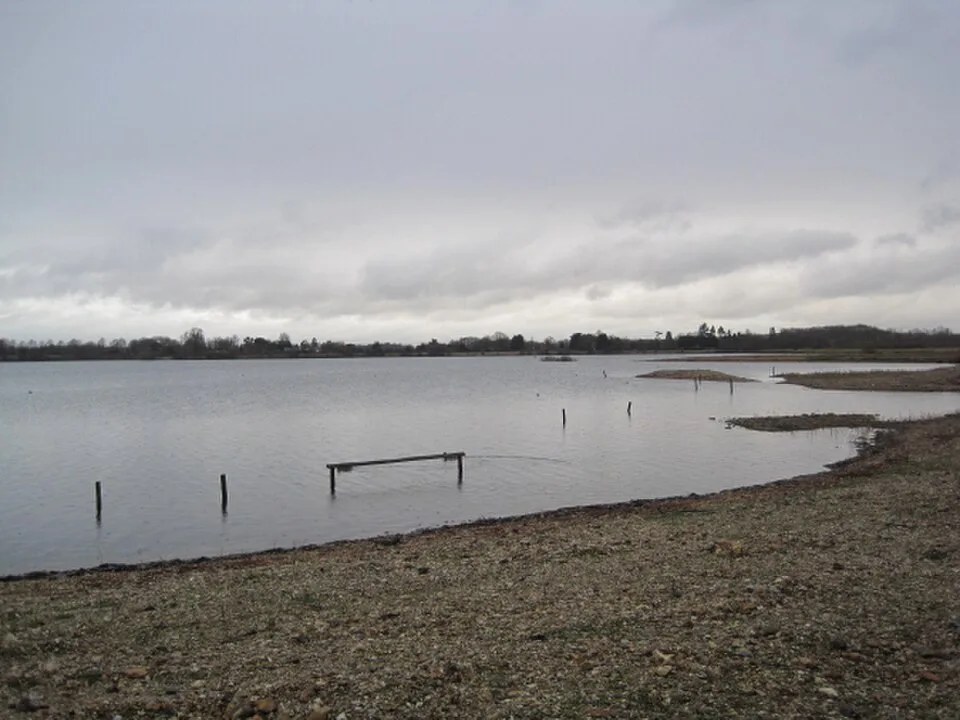
Ringwood, Hampshire
Contrasting lake hides and close woodland watching beside Ringwood.
Decide if the visit fits.
Last checked 18 October 2026.
The Trust’s current arrangement closes the car parks and Education Centre on Sundays and Mondays. Hides remain available on foot; vehicle gates open Tuesday–Saturday, 9am–4.30pm.
Opening and charges information · checked .
Stay nearby →Reserve overview
Contrasting lake hides and close woodland watching beside Ringwood.
Eight checks for a smoother visit.
Conditions change: check the operator and transport notices before travelling.
January: Typically compare Goldeneye and Goosander from Tern Hide and Goosander Hide, allowing time for distant ducks to surface. Woodland Hide offers a contrasting close watch for Nuthatches and finches when the lake is exposed to wind.
February: Winter wildfowl usually remain the main lake attraction. Begin at Tern Hide for Gadwall and Goldeneye, then try Woodland Hide for Redpoll and Siskin; the latter are seasonal possibilities rather than a guaranteed feeder display.
March: Typically watch Lapwings and Oystercatchers from Tern Hide as the year turns towards spring. Great Crested Grebes on Ivy Lake provide a quieter alternative from Ivy South Hide, without any need to approach the water edge.
April: Sand Martins usually add movement around Goosander Hide, while Great Spotted Woodpeckers remain useful Woodland Hide targets. Keep to the surfaced paths and allow birds to use their normal flight lines without positioning equipment across them.
May: Typically combine Common Terns over Ibsley Water from Tern Hide with Sand Martins at Goosander Hide. Leave the islands and banks to the birds; public hide views are sufficient for comparing flight shape and feeding behaviour.
June: Common Terns usually make Tern Hide worth an unhurried session, followed by Great Crested Grebes from Ivy South Hide. Choose the better sheltered lake view when wind shakes the telescope, rather than assuming every hide offers equal comfort.
July: Typically watch Common Terns from Tern Hide and Nuthatches from Woodland Hide. The woodland stop is useful when bright light makes open-water identification difficult; give the feeding birds space and avoid repeatedly moving between occupied seats.
August: Common Sandpipers are typically passage possibilities from Goosander Hide, supported by actual Ibsley Water records. Compare any small wader carefully before naming it, then use Ivy South Hide for the more established Great Crested Grebe and Coot watch.
September: Typically inspect Ibsley Water from Goosander Hide for passage Common Sandpipers, then watch Lapwings from Tern Hide. Migration varies between days, so the county reports are an aid to planning rather than a promise of repeating a sighting.
October: Gadwall and Goosander usually become more relevant as winter approaches; compare the Ibsley Water views from Tern Hide and Lapwing Hide. Woodland Hide offers Nuthatches and sometimes arriving finches, with actual conditions deciding how long to linger.
November: Typically begin with Goldeneye and Gadwall at Tern Hide, then check Ivy North Hide patiently for a possible Bittern. The county’s November2025 report confirms an actual Bittern record, but that historical observation does not guarantee a current bird.
December: Goosanders and Goldeneye usually provide dependable identification practice from the Ibsley Water hides. Finish with Redpoll and Brambling possibilities at Woodland Hide, checking vehicle gate times so a late birdwatch does not leave your car locked in.
Best conditions: Our choice is a calm lake session followed by Woodland Hide, which gives an alternative when wind or glare spoils distant duck views. Typically winter favours wildfowl and finches; summer brings Common Terns and Sand Martins. All light and scope ratings are editorial and do not imply fixed perches. Check current gates before planning a dusk Starling watch.
The Trust asks for a suggested £4 donation for entry. Main vehicle gates currently open 9am–4.30pm Tuesday–Saturday. The operator states that hides remain open throughout the week, with access on foot when the car parks are shut. Plan your arrival and departure around the vehicle arrangements if driving: an open hide is not a promise of an open car park. The main parking area is north of Ellingham Drove and the Education Centre parking is on the south side. Use BH24 3PJ and the official directions rather than expecting a sign from the A338. Check the reserve’s current visitor page before travel, especially for changes affecting access. Organised activities can have their own booking and charging arrangements.
Access times: Reserve: On-foot reserve access continues all week; check current closures and signs. · Hides: Operator says hides are open all week. Separate hide locking or dawn hours are not specified; confirm before an early or late visit. · Car park: Gates09:00–16:30 Tuesday–Saturday. Car parks and Education Centre closed Sunday and Monday under the current notice. · Dawn access: partly. Operator opening information.
For a first two-hour visit, start with Tern Hide and its broad outlook across Ibsley Water. Settle down rather than moving between windows, and divide the view into near water, far shore and sky. A small notebook sketch of those zones can make it easier to relocate a bird after looking away. Follow the signed route towards a contrasting woodland stop, with time to listen on the way. Finish by revisiting the first lake view; a new angle of light or movement among the ducks often repays the return. Our full-day plan spreads time across the open lake, woodland and smaller waters. Choose Tern Hide early when the viewing conditions are comfortable, then take a slower woodland route and a break. Woodland Hide offers a different experience from scanning distant ducks: watch individual birds feeding and moving through cover, and compare the different ways nuthatches, woodpeckers and finches use a tree. In the second half of the day, select another signed lake hide such as Goosander Hide and spend a proper session watching its patch. Use the official trail guide to join the stops, with an eye on the return distance and the vehicle-gate deadline. The Trust describes a network of surfaced waymarked routes, including the Wild Walk with wildlife sculptures, so a family can choose one short section without committing to the whole reserve. Keep picnic breaks away from hide windows and leave space for visitors already watching. Crossing Ellingham Drove deserves attention even after a quiet woodland walk. Do not allow a telescope, children or a group to drift into the road while rearranging kit. Water-company operations and habitat management share this landscape with visitors; signed routes make the useful distinction between birdwatching access and an attractive-looking track.
Use the linked reserve map and directions with current access notices. Species are typical seasonal targets. Light and telescope advice reflects our choice of viewpoint.
Ibsley Water and its islands
Current operator account identifies this Ibsley Water hide. Check the daily opening notice before using vehicle access.
Winter: Gadwall, Goldeneye, Goosander
Spring: Lapwing, Oystercatcher
Summer: Common Tern, Oystercatcher
Autumn: Lapwing, Gadwall
Light: either. Scope: useful.
Ibsley Water from its eastern side
Operator names Sand Martins here; county20August2026 record places Common Sandpipers on Ibsley Water from this hide. No nesting directions are given.
Winter: Goldeneye, Goosander
Spring: Sand Martin
Summer: Sand Martin, Common Sandpiper
Autumn: Common Sandpiper
Light: either. Scope: useful.
Ibsley Water from the mapped hide
Mapped public hide. Shared lake species are viewing targets, not evidence that birds favour this seat over other lake views.
Winter: Gadwall, Goldeneye, Goosander
Spring: Great Crested Grebe, Coot
Summer: Great Crested Grebe, Coot
Autumn: Gadwall, Goosander
Light: either. Scope: useful.
Ivy Lake and its reed margin
Keep the reed edge undisturbed. Bittern is a patient winter possibility, not a guaranteed view.
Winter: Bittern, Gadwall
Spring: Great Crested Grebe, Coot
Summer: Great Crested Grebe, Coot
Autumn: Gadwall
Light: either. Scope: useful.
Ivy Lake from the southern hide
Use the surfaced trail and public hide. Lake-wide bird associations come from the operator leaflet, not a claimed fixed perch.
Winter: Bittern, Gadwall
Spring: Great Crested Grebe, Coot
Summer: Great Crested Grebe, Coot
Autumn: Gadwall
Light: either. Scope: useful.
Woodland and the public feeding area
Main operator page identifies woodland birds here. Do not crowd the feeding area or disturb birds for photographs.
Winter: Great Spotted Woodpecker, Nuthatch, Brambling, Redpoll, Siskin
Spring: Great Spotted Woodpecker, Nuthatch
Summer: Great Spotted Woodpecker, Nuthatch
Autumn: Great Spotted Woodpecker, Nuthatch, Siskin
Light: either. Scope: not needed.
Four official screened views, as indicated by current signs
Operator inventories four screens; individual proper names and separate species associations were not verified.
Light: either. Scope: useful.
The dusk gathering over the reserve near Tern Hide
Operator identifies this viewpoint for murmurations. Use current opening and access advice; keep an unobstructed exit before darkness.
Winter: Starling
Autumn: Starling
Light: either. Scope: useful.
| Spot | Overlooks | Key species by season | Best light | Scope | Tide |
|---|---|---|---|---|---|
| Tern HideCurrent operator account identifies this Ibsley Water hide. Check the daily opening notice before using vehicle access. | Ibsley Water and its islands | Winter: Gadwall, Goldeneye, Goosander Spring: Lapwing, Oystercatcher Summer: Common Tern, Oystercatcher Autumn: Lapwing, Gadwall | either | useful | — |
| Goosander HideOperator names Sand Martins here; county20August2026 record places Common Sandpipers on Ibsley Water from this hide. No nesting directions are given. | Ibsley Water from its eastern side | Winter: Goldeneye, Goosander Spring: Sand Martin Summer: Sand Martin, Common Sandpiper Autumn: Common Sandpiper | either | useful | — |
| Lapwing HideMapped public hide. Shared lake species are viewing targets, not evidence that birds favour this seat over other lake views. | Ibsley Water from the mapped hide | Winter: Gadwall, Goldeneye, Goosander Spring: Great Crested Grebe, Coot Summer: Great Crested Grebe, Coot Autumn: Gadwall, Goosander | either | useful | — |
| Ivy North HideKeep the reed edge undisturbed. Bittern is a patient winter possibility, not a guaranteed view. | Ivy Lake and its reed margin | Winter: Bittern, Gadwall Spring: Great Crested Grebe, Coot Summer: Great Crested Grebe, Coot Autumn: Gadwall | either | useful | — |
| Ivy South HideUse the surfaced trail and public hide. Lake-wide bird associations come from the operator leaflet, not a claimed fixed perch. | Ivy Lake from the southern hide | Winter: Bittern, Gadwall Spring: Great Crested Grebe, Coot Summer: Great Crested Grebe, Coot Autumn: Gadwall | either | useful | — |
| Woodland HideMain operator page identifies woodland birds here. Do not crowd the feeding area or disturb birds for photographs. | Woodland and the public feeding area | Winter: Great Spotted Woodpecker, Nuthatch, Brambling, Redpoll, Siskin Spring: Great Spotted Woodpecker, Nuthatch Summer: Great Spotted Woodpecker, Nuthatch Autumn: Great Spotted Woodpecker, Nuthatch, Siskin | either | not needed | — |
| Viewing screens (four; follow on-site signs)Operator inventories four screens; individual proper names and separate species associations were not verified. | Four official screened views, as indicated by current signs | — | either | useful | — |
| Viewpoint near Tern HideOperator identifies this viewpoint for murmurations. Use current opening and access advice; keep an unobstructed exit before darkness. | The dusk gathering over the reserve near Tern Hide | Winter: Starling Autumn: Starling | either | useful | — |
Month chips show typical presence or our preferred viewing season. Choose birds that suit the time of your visit.
The Trust describes a largely level site with rolled-gravel paths, benches at intervals and ramped access to hides. It also warns that uneven gravel can be challenging. Gates can be opened with a RADAR key. The important hide distinction is that ramps do not make the interiors suitable for electric buggies: the operator specifically excludes them from the hides. Two mobility scooters are available by prior arrangement, so arrange any required loan before travelling rather than depending on availability. Discuss the exact route and where a scooter can be left securely while you transfer, if transferring is part of your plan. A short firm-surface visit with one lake view can be satisfying without using every path. Wheelchair users should ask about the current approach and viewing position at the intended hide, not just whether the entrance has a ramp. Toilets include accessible provision, and the Education Centre is a useful reference point for planning the day. In winter, warm clothing for prolonged sitting matters as much as waterproof footwear for the approach.
The reserve lists bird hides, toilets, an accessible toilet, baby changing and disabled parking. The Education Centre supports organised learning visits, while the welcome hut can provide visitor information when staffed. Bring a packed lunch, water and a flask for a full birdwatching day; a café is not listed as a routine reserve facility. A map and compact binoculars are enough to enjoy the contrast between woodland and lake. A scope improves distant waterbird views but is best carried only if you are comfortable moving it between the places you intend to watch.
Working registered assistance dogs may use the main reserve. Other dogs are excluded from the wildlife trails and hides. The operator identifies a separate permissive path between Ivy and Rockford Lakes, approached from public paths, for dog exercise. Keep that different access arrangement distinct from permission to explore the reserve.
A rail-and-taxi approach can work through Bournemouth, with the transfer booked to Blashford Lakes on Ellingham Drove and the return arranged before arrival. Use South Western Railway’s current journey information for the mainline leg and give the taxi firm the actual visitor entrance. The Trust identifies an Ellingham Cross bus stop about one-third of a mile away. Check the last pedestrian approach as well as the bus times, allowing a generous margin for any road crossings. Check the current bus operator’s timetable for your travel date if you want to use that approach. A foot arrival still needs a safe agreed pickup point when vehicle gates are shut. For drivers, the Trust directs visitors towards Moyles Court or Linwood from Ellingham Crossroads because the reserve is not signed from the A338. The accommodation journeys below are dated OSRM road estimates, measured on 18 October 2026 without live traffic.
Useful bases for an early start.
Booking.com links are affiliate links: we may earn a commission at no extra cost to you. How these links work.
About 2.5 miles by road, roughly 5 minutes’ drive from the visitor entrance; OSRM estimate measured 18 October 2026, excluding traffic.
Measured driving route · 2026-10-18. Map estimates exclude live traffic.
A nearby town base for repeat visitsFind places to stay in Ringwood on Booking.comAbout 4.4 miles by road, roughly 7 minutes’ drive from the visitor entrance; OSRM estimate measured 18 October 2026, excluding traffic.
Measured driving route · 2026-10-18. Map estimates exclude live traffic.
An Avon Valley stay north of the reserveFind places to stay in Fordingbridge on Booking.comAbout 11.3 miles by road, roughly 18 minutes’ drive from the visitor entrance; OSRM estimate measured 18 October 2026, excluding traffic.
Measured driving route · 2026-10-18. Map estimates exclude live traffic.
A coast-and-lakes breakFind places to stay in Christchurch on Booking.comExplore Hampshire’s full guides and smaller birding sites
Hampshire & Isle of Wight Wildlife Trust manages Blashford Lakes with water-company partners. Use BlashfordLakes@hiwwt.org.uk for a site-specific enquiry, or the Trust’s listed number 01489 774400. The official reserve page links the trail guide and visitor updates. For mobility-scooter use, a school visit or another group activity, explain your requirements and travel date in advance so arrangements can be matched to the facilities and access available.
Check Hampshire Ornithological Society: completed November2025 county sightings. monthly archive; check its stated month Reports show what has been seen, not what will be.
Follow the BTO Birders’ Code and give wildlife space.
Blashford Lakes: Suggested entry donation £4; separate parking tariff not published.
Blashford Lakes: Working registered assistance dogs may use the main reserve.
Blashford Lakes: Winter wildfowl; spring woodland song; summer terns and dragonflies.
Blashford Lakes: The Trust describes a largely level site with rolled-gravel paths, benches at intervals and ramped access to hides.
Blashford Lakes: A rail-and-taxi approach can work through Bournemouth, with the transfer booked to Blashford Lakes on Ellingham Drove and the return arranged before arrival.
Shorter stops within 15 miles in a straight line. Use the operator’s arrival directions for the journey.
Near Martin village · Chalk grassland and scrub
Christchurch Harbour · Saltmarsh, tidal creeks, mudflats and reedbeds
Near Salisbury, Wiltshire · Chalk downland, scrub and grazed grassland
Deanland · Woodland
Upton, Poole Harbour · Saltmarsh, mudflats, reedbed and lowland heath
Nearby complete guides.
Stops with a purpose: use one as a contrasting habitat or weather-proof Plan B. Distances are straight-line estimates, not road journeys.