Short entry4.7 miles away
Lytchett Bay
Upton, Poole Harbour · Saltmarsh, mudflats, reedbed and lowland heath
 the ai birderBirding near me
The AI Birder · one-page field sheet
Poole Harbour, Dorset, England · Poole departure BH15 1HJ · BH15 1HJ

Avocet · Spoonbill · Black-tailed Godwit · Kingfisher · Water Rail · Dunlin
Fine Foundation Lookout · Avocet Hide · Tern Hide · Wildlife and Wetland Centre public path · Reedbed boardwalk
Check current access, hide closures and operator notices before travelling. Seasonal birds are possibilities, not promised sightings. Keep to authorised routes and give wildlife space.
Opening and charges checked 2026-10-18. Operator: https://www.nationaltrust.org.uk/visit/dorset/brownsea-island
Full guide and current source links: https://aibirder.co.uk/reserves/brownsea-island
EN 65 · National Trust reserve guide
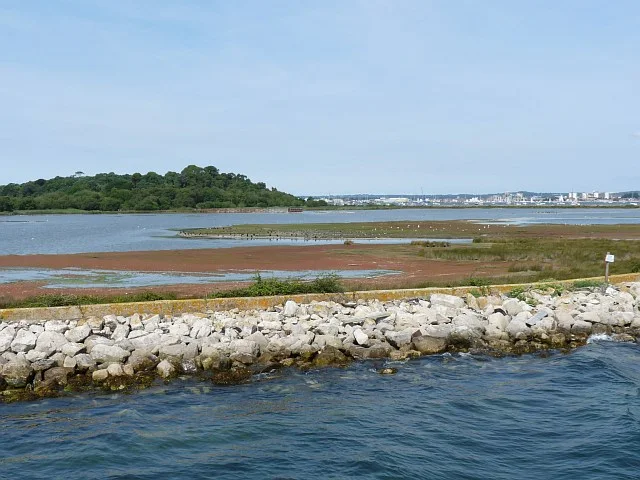
Poole Harbour, Dorset, England · Poole departure BH15 1HJ
Lagoon hides for terns and waders, with woodland red squirrels.
Decide if the visit fits.
Last checked 18 October 2026.
Opening and charges information · checked .
Stay nearby →Reserve overview
Lagoon hides for terns and waders, with woodland red squirrels.
Eight checks for a smoother visit.
Conditions change: check the operator and transport notices before travelling.
January: Winter Avocet and Spoonbill are established lagoon birds, but their season does not establish ordinary January island access. Use the operator-supported lagoon webcams or a separately confirmed official visit. The Lookout and Avocet Hide remain the relevant public facilities when access is actually available.
February: The lagoon's winter wildfowl interest includes Teal and Shoveler, watched from Avocet Hide only on a permitted visit. Do not plan an ordinary ferry day from a wildlife calendar alone. Current access and sailing information must be confirmed, with webcams offering a way to follow birds without entering a closed site.
March: The operator describes the ordinary island season as beginning in March, but check the actual opening and ferry day. Start at the Lookout for the broad lagoon assessment, then the public boardwalk for Kingfisher habitat. A seasonal reopening does not guarantee that every path or bird is available.
April: A spring visit can compare the Lookout with the boardwalk for waterbirds and Kingfisher, while tern arrival timing varies. Use the permitted hides and ask what is currently present before choosing a longer island walk. DWT reserve access and wider National Trust admission remain separate decisions.
May: Typically the official Tern Hide becomes the strongest focus for Common and Sandwich Terns. Watch from the established public facility, keeping every island and breeding area outside your route. The Lookout supplies a broader lagoon scan if weather or activity makes one hide less rewarding.
June: Use Tern Hide for the operator-supported summer Common and Sandwich Tern spectacle. Take time to watch feeding flight as well as the water, without seeking a closer breeding location. Boardwalk Kingfisher habitat offers another permitted angle, but no individual is promised at a particular perch.
July: Summer tern watching can centre on the official Tern Hide, with the Lookout as an alternative lagoon perspective. Give birds space to behave naturally and avoid crowding a window. Work backwards from your confirmed return sailing rather than assuming island closing time is the last ferry departure.
August: Late-summer timing varies, so treat Common Tern as a summer aim rather than a guaranteed August checklist. Begin at the Lookout to assess current conditions, then choose an open public hide. Ask about path restrictions and keep woodland wandering separate from the time needed for your return boat.
September: The operator describes autumn arrivals building on the lagoon. Avocet is a useful seasonal aim from its official hide, with the Lookout providing a wider assessment. Use current local reports to refine the list and remember that the birds may be at another harbour site rather than on Brownsea.
October: Actual October local reports support Avocet, Spoonbill, Black-tailed Godwit and several waders on Brownsea Lagoon. Compare the Lookout and Avocet Hide for feeding edges, then Tern Hide for another angle. These are dated locality records, not a promise to repeat the observers' counts or exact view.
November: Spoonbill and Avocet may be excellent winter lagoon birds while ordinary island visiting is closed. Only a separately confirmed official trip supplies access to the Lookout or hides. Do not turn a special November event elsewhere on the island into permission for an independent reserve circuit.
December: Winter duck and wader interest can be followed through the official lagoon webcams, with Teal, Pintail or Avocet possible according to conditions. On any specially permitted visit use the established hides and follow the organiser's route. No normal December ferry service or dawn reserve access is assumed.
Best conditions: Typically calmer conditions improve distant lagoon identification and the boat journey. Choose the sheltered public hide with the clearest angle and use a scope without approaching resting birds. Light advice is editorial: compare permitted windows rather than leave the paths. Return-sailing reliability comes before extending a watch.
Brownsea works best when you decide how much of the day belongs to the lagoon. The Lookout and the Avocet and Tern hides give complementary public views, while a wider woodland walk is a separate use of your island time. Begin with the panorama, ask where birds are currently feeding and then settle at the hide that fits your aim. The old Lagoon Hide is no longer an extra stop: the Lookout replaced it. Take a telescope for more distant waders, but enjoy the birds that are close enough for binoculars rather than trying to reach an island or mud edge. Access needs as much care as the wildlife plan. Dorset Wildlife Trust membership covers its managed area; it does not automatically cover the wider National Trust island or your ferry. Winter birds can be present when ordinary visits are closed, so confirm an actual permitted trip before planning to stand at a hide window.
Access times: Reserve: Ordinary DWT/NT island season described March–October. NT countryside on 19 October 2026 10:00–17:00. Winter access only if a particular official trip and reserve permission are confirmed. · Hides: Lookout, Avocet and Tern hides follow permitted DWT access; no independent dawn or winter gate schedule verified. · Car park: No visitor car park on island. Mainland Poole parking hours are separate from ferries and island admission. · Dawn access: no. Operator opening information.
Brownsea offers two complementary birding experiences: the lagoon's concentrated wetland views and a wider island walk through woodland and heath. Dorset Wildlife Trust's Lookout and the Tern and Avocet hides are the main destinations for studying lagoon birds. Its paths and boardwalks lead through reedbed and wet woodland towards the Wildlife and Wetland Centre. The National Trust's signed trails continue across other parts of the island, with harbour viewpoints providing a different sense of the surrounding landscape. Two-hour plan, editorial suggestion: if that is your time actually ashore, concentrate on the Lookout and one lagoon hide, then return towards the landing area with a short woodland pause. Keep the ferry queue and both crossings outside the two-hour birdwatching allowance. A brief visit is much more satisfying when it leaves time for close study of waders than when it tries to include the whole island. Full-day plan, editorial suggestion: take an early available foot ferry, begin at the lagoon viewing points and devote the morning to waterbirds. Break for lunch, then follow a contrasting signed woodland or heath route, allowing time for a quiet red-squirrel watch. Revisit the lagoon if your return sailing margin permits, and finish near the quay well before the final busy departure. Select a booked accessible itinerary instead when that better matches your needs. Use the hide windows to watch behaviour across different depths: a feeding avocet, resting godwit and hunting tern use the same lagoon in very different ways. Share viewing positions, close doors gently and avoid lingering where your presence blocks an approach. Breeding islands and the northern shore are sensitive habitat, so remain on the public paths rather than looking for a closer route across the water's edge. In the woods, stop quietly beside a path and watch the branches; feeding or pursuing a squirrel is unnecessary. The return boat is part of the day's plan, so turn back while there is still a comfortable margin.
Use the linked reserve map and directions with current access notices. Species are typical seasonal targets. Light and telescope advice reflects our choice of viewpoint.
Brownsea Lagoon from current panoramic observatory
Current building replaced old Lagoon Hide in 2025; ordinary island access remains seasonal.
Autumn: Avocet, Black-tailed Godwit, Spoonbill, Dunlin
Winter: Avocet, Spoonbill, Wigeon
Light: either. Scope: useful.
Lagoon feeding edges and islands from official hide
Autumn: Avocet, Black-tailed Godwit, Redshank, Greenshank, Knot
Winter: Avocet, Teal, Shoveler, Pintail
Light: either. Scope: useful.
Lagoon and official tern viewing area
Spring: Common Tern, Sandwich Tern
Summer: Common Tern, Sandwich Tern
Autumn: Oystercatcher, Ringed Plover, Turnstone
Light: either. Scope: useful.
Woodland and visitor-centre feeder habitat
Public visitor route verified; no sufficiently precise seasonal feeder species list supplied.
Light: either. Scope: not needed.
Reedbed channels and wet woodland from permitted boardwalk
Stay on boardwalks; do not enter reeds or alder carr.
Spring: Kingfisher, Water Rail
Summer: Kingfisher
Autumn: Kingfisher, Water Rail
Light: either. Scope: not needed.
| Spot | Overlooks | Key species by season | Best light | Scope | Tide |
|---|---|---|---|---|---|
| Fine Foundation LookoutCurrent building replaced old Lagoon Hide in 2025; ordinary island access remains seasonal. | Brownsea Lagoon from current panoramic observatory | Autumn: Avocet, Black-tailed Godwit, Spoonbill, Dunlin Winter: Avocet, Spoonbill, Wigeon | either | useful | — |
| Avocet Hide | Lagoon feeding edges and islands from official hide | Autumn: Avocet, Black-tailed Godwit, Redshank, Greenshank, Knot Winter: Avocet, Teal, Shoveler, Pintail | either | useful | — |
| Tern Hide | Lagoon and official tern viewing area | Spring: Common Tern, Sandwich Tern Summer: Common Tern, Sandwich Tern Autumn: Oystercatcher, Ringed Plover, Turnstone | either | useful | — |
| Wildlife and Wetland Centre public pathPublic visitor route verified; no sufficiently precise seasonal feeder species list supplied. | Woodland and visitor-centre feeder habitat | — | either | not needed | — |
| Reedbed boardwalkStay on boardwalks; do not enter reeds or alder carr. | Reedbed channels and wet woodland from permitted boardwalk | Spring: Kingfisher, Water Rail Summer: Kingfisher Autumn: Kingfisher, Water Rail | either | not needed | — |
Month chips show typical presence or our preferred viewing season. Choose birds that suit the time of your visit.
Managed lagoon water and the wider harbour have different controls. Compare public-hide views with harbour tide predictions for context; no operator threshold or exact high-water arrival interval verified. Never walk onto lagoon mud or shoreline resting habitat.
Booking opens: Poole day visitors: first come, first served with no ordinary advance booking. Groups of 15+ arrange ahead. Seahorse must be pre-booked. No 2027 public opening date confirmed.. Season: Published 2026 island season: 14 March–1 November. Public Sandbanks jetty service is unavailable in 2026; the project expects a 2027 return. Seahorse operates selected advertised dates only.. Fares: 2026 return from Poole: adult £14.50, child aged 5+ £6; island admission extra. 2026 Seahorse: adult wheelchair user £14.50 or child £6 with one carer free; confirm applicable island admission.; landing fee: The dated National Trust island admission tariff is in Entry. DWT membership covers only its own northern area..
Time ashore: Choose an operating return crossing; the October Poole timetable ends with a 5pm island departure, which the NT says can be busy. Leave a queue margin.. Landing access: Discuss boarding and your required island route using the detailed accessibility guidance before choosing between the ordinary passenger service and Seahorse.. Weather policy: Weather can cancel a crossing or close the island. The NT says advance forecast closures are announced by 3pm the preceding day; follow the current operator notice.
The ordinary Poole passenger boats involve a steep gangway and steps to the covered lower deck. Visitors who cannot use those arrangements can pre-book the National Trust's Seahorse landing craft from Sandbanks Yacht Company. It prioritises wheelchair or mobility-scooter users and a companion, with the operator recommending one wheelchair user and one carer because space is limited. The craft is open to the weather and has no onboard seats or facilities; discuss equipment and transfer needs with the team before booking. On the island, slopes and uneven surfaces remain relevant even after an accessible crossing. All-terrain manual wheelchairs and a Tramper can be reserved, and the Squirrel Shuttle offers tours or additional help reaching farther areas, subject to volunteer availability. Accessible toilets are listed at the Courtyard, Visitor Centre and Outdoor Centre; induction loops are available at reception and the café. Dorset Wildlife Trust has improved the Avocet Hide approach and viewing provision. Select specific paths and viewing points using the NT's 2026 access guide rather than assuming every island circuit is equally suitable.
The Villano Café serves light meals, snacks, drinks and ice creams, with indoor and outdoor seating. The Engine Room houses a second-hand bookshop, while picnic spots and a natural play area provide alternatives to a hide-focused day. Dorset Wildlife Trust's Wildlife and Wetland Centre adds another place to stop within its part of the island. Bring refillable water bottles and take your litter back to the mainland: Brownsea operates without general public rubbish bins. Keep a spare warm layer for the crossing and stationary watches.
Pet dogs cannot visit Brownsea Island. Assistance dogs are the exception and should be clearly identifiable, as requested by the National Trust. Make any assistance-dog arrangements part of the ferry and access conversation, especially if using the Seahorse. Do not travel to the quay expecting a pet dog to be accepted for an island landing.
Poole railway station is the practical railhead for the normal foot-ferry service, approximately half a mile from Poole Quay according to the National Trust. Follow the signed town walking route or use a suitable local bus connection. Morebus Harbour Breezer 60 serves Poole Quay as part of its Rockley Park–Poole–Lilliput–Sandbanks route; check the selected day's stop pattern and return journey. The ordinary Sandbanks island ferry is not operating in 2026 because of the jetty project. Travelling to the Sandbanks chain ferry is therefore not an alternative route to a normal Brownsea day visit. Only use Sandbanks Yacht Company if you have the separately confirmed Seahorse booking or another specifically authorised arrangement. Drivers for Poole departures can use Quay Visitors car park, BH15 1SB; taller vehicles need the alternative surface-parking arrangements described by the NT. The stay drives below end on the mainland at Poole Quay, so allow additional time for parking, queuing and the boat.
Useful bases for an early start.
Booking.com links are affiliate links: we may earn a commission at no extra cost to you. How these links work.
About 0.9 miles by road, roughly 3 minutes’ drive to Poole Quay, before parking and the ferry (OSRM estimate measured 18 October 2026).
Measured driving route · 18 October 2026. Map estimates exclude live traffic.
The simplest base for reaching the normal ferry departure.Find places to stay in Poole on Booking.comAbout 5.9 miles by road, roughly 15 minutes’ drive to Poole Quay, before parking and the ferry (OSRM estimate measured 18 October 2026).
Measured driving route · 18 October 2026. Map estimates exclude live traffic.
A larger resort base linked by local transport.Find places to stay in Bournemouth on Booking.comAbout 9.9 miles by road, roughly 18 minutes’ drive to Poole Quay, before parking and the ferry (OSRM estimate measured 18 October 2026).
Measured driving route · 18 October 2026. Map estimates exclude live traffic.
Combining an island day with Purbeck birding.Find places to stay in Wareham on Booking.comExplore Dorset’s full guides and smaller birding sites
For island visits and Seahorse bookings contact brownseaisland@nationaltrust.org.uk or 01202 707744. Island reception handles equipment reservations on 01202 492164. Dorset Wildlife Trust's northern reserve team uses brownsea@dorsetwildlifetrust.org.uk, including group enquiries for its lagoon area. Explain which operator's facilities you need and whether your visit is a standard day trip, a special event or an accommodation booking. The mainland departure postcode below is for Poole Quay; the mapped point remains on Brownsea itself.
Check Birds of Poole Harbour current local sightings. usually daily; harbour-wide, with named Brownsea records Reports show what has been seen, not what will be.
Follow the BTO Birders’ Code and give wildlife space.
Brownsea Island: Poole ferry adult £14.50 return / child 5+ £6; island admission extra.
Brownsea Island: Pet dogs cannot visit Brownsea Island.
Brownsea Island: Spring and summer terns · autumn lagoon birds.
Brownsea Island: It prioritises wheelchair or mobility-scooter users and a companion, with the operator recommending one wheelchair user and one carer because space is limited.
Brownsea Island: Poole railway station is the practical railhead for the normal foot-ferry service, approximately half a mile from Poole Quay according to the National Trust.
Shorter stops within 15 miles in a straight line. Use the operator’s arrival directions for the journey.
Upton, Poole Harbour · Saltmarsh, mudflats, reedbed and lowland heath
Christchurch Harbour · Saltmarsh, tidal creeks, mudflats and reedbeds
Nearby complete guides.
Stops with a purpose: use one as a contrasting habitat or weather-proof Plan B. Distances are straight-line estimates, not road journeys.