
Responsible wildlife guide
Where to experience Avocets.
Find Avocets on lagoons and estuaries, understand their remarkable return, and choose public hides for quiet, responsible watching through the seasons.
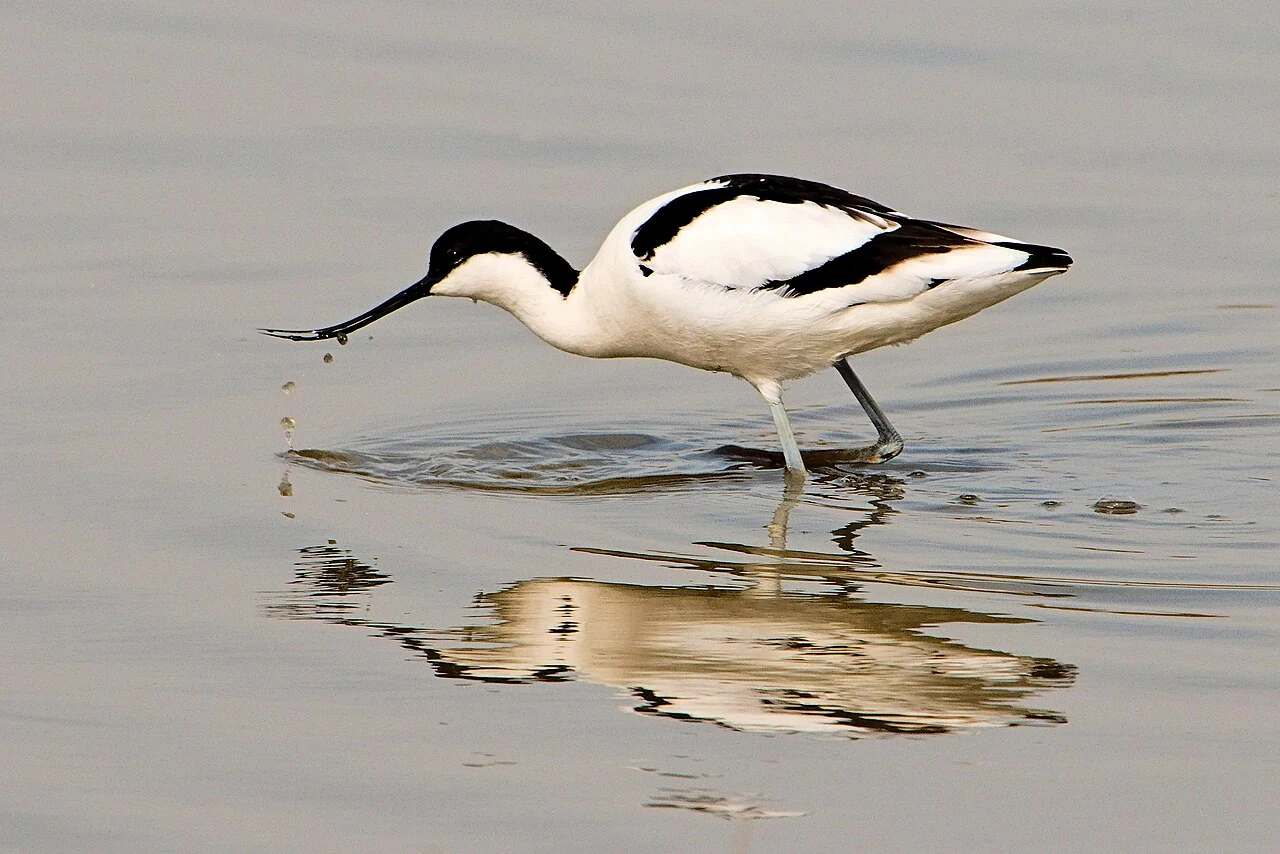
Recognise the bird before choosing the view
Avocets are distinctive black-and-white waders with slim legs and an upturned bill. Look at the whole shape before concentrating on detail: a long neck, sweeping bill and contrasting plumage often reveal the bird even when distance makes colours less clear. A feeding group can be particularly absorbing because each individual moves at a slightly different pace. Usually the broad bill sweep is easier to appreciate with a steady binocular view than through a camera continually searching for focus.
Choose an established hide or public viewpoint overlooking shallow water. Settle comfortably and work across the pool in sections, taking in the common birds around the Avocets as well. Reflections can disguise leg colour and bright sunlight can wash out white plumage, so allow the bird to turn before making assumptions from one brief view. A telescope is helpful at a large lagoon, but there is no need to approach the waterline to improve an identification.
Why the return matters
The RSPB dates the Avocet’s recolonisation of Suffolk to 1947, after it had disappeared as a British breeding bird. Its account connects that return with flooded land at what became Minsmere and at nearby Havergate Island. Protection and the creation of suitable wetland subsequently helped the birds spread. The familiar RSPB emblem therefore represents a particular conservation history, rather than simply an attractive bird chosen for a logo.
That recovery is a useful reason to look closely at the landscape surrounding the birds. Open pools, islands and controlled water levels are the result of active decisions as well as natural processes. A wetland becoming entirely reed-filled would offer different opportunities from a shallow open lagoon. On a visit, compare those neighbouring habitats and consider how several kinds of bird can need quite different conditions within one reserve.
A seasonal plan
Spring and summer are usually good times to choose a lagoon visit on the east coast. The RSPB describes birds returning to breeding areas from February and eggs hatching from May, but those broad patterns do not establish a particular island’s timetable. Watch from the public visitor facilities and let the reserve determine which routes remain open. Calling, chasing and distraction behaviour are reasons to give birds space, not invitations to locate a nest.
Autumn and winter offer another kind of visit, with feeding groups and movements between tidal and non-tidal water. The RSPB identifies the Exe Estuary as a winter area. At any estuary, the tide can change where birds gather, but a published high tide is not automatically a safe walking window. Use the chosen reserve guide for its own access and tidal cautions, then build the birdwatching around an authorised viewpoint.
Suffolk and Norfolk lagoon days
RSPB Minsmere combines the Scrape’s open-water watching with reedbeds and woodland, making it a strong choice for a whole-day outing with several different interests. The operator explicitly identifies Avocets among its birds. RSPB Havergate Island offers a very different experience: visiting requires an RSPB-booked boat trip from Orford, followed by watching the island lagoons. Read the island guide before arranging accommodation, because an ordinary mainland arrival does not provide access to the reserve.
RSPB Titchwell Marsh offers freshwater and saltwater habitats along the West Bank path, with the Parrinder Hides providing established viewing facilities. Choose it when the broader coastal walk is as appealing as the Avocets. RSPB Snettisham brings the much larger setting of the Wash; its wider wader spectacle and tidal arrangements shape the day. These reserves are complementary visits, each with its own walking distances and weather exposure.
More wetlands to compare
RSPB Frampton Marsh and RSPB Dee Estuary – Burton Mere Wetlands are both included by the RSPB among places to see Avocets. The former offers the open Lincolnshire wetland setting, while Burton Mere combines lagoons with woodland edges. RSPB Leighton Moss adds another north-west option through its wider reserve and Morecambe Bay wetlands; use the guide to distinguish the reedbed visit from the coastal pools.
RSPB Marshside, RSPB Wallasea Island and RSPB Dearne Valley – Old Moor show why an Avocet outing need not mean travelling to the same coast every time. Marshside has the Ribble setting, Wallasea a broad restored estuarine landscape, and Old Moor an inland wetland with established hides. Select the destination that suits your walking needs and other wildlife interests rather than treating every operator-listed site as equally productive on every date.
New routes into the same wider story
RSPB Old Hall Marshes combines pools with grazing marsh and estuary, and RSPB Cliffe Pools adds a Kent lagoon landscape. RSPB Medmerry’s managed realignment creates another perspective on coastal wetland creation. RSPB Langford Lowfields is an inland restored-quarry alternative, with the RSPB listing it on the species page among places to look. The full guides explain which public routes make sense and how to reach them.
Allow one long watch rather than filling a day with transfers between reserves. Compare feeding methods, the spacing of birds and their response to changing water or weather. If birds take flight naturally, enjoy the pattern without trying to reproduce it. Keep dogs within the chosen reserve’s rules, avoid blocking hide windows with equipment, and share a viewing position when others arrive. A quiet, sustained encounter is a better result than an impressive photograph obtained by interrupting the birds.
Build a useful lagoon watch
Start by finding the edge of the shallowest water visible from your chosen hide. Usually it is easier to understand feeding when you can see both the bird and the water surface around its bill. Watch one individual for a few minutes, then compare it with another in a different depth. The differences can be more interesting than adding another species to a list. Keep your notes simple: where the bird was, what it did and how the surrounding flock behaved.
If visiting with someone new to birdwatching, explain the shape before handing over binoculars or a telescope. An obvious upturned bill gives a clear feature to look for, while a steady view builds confidence. Break a long session with a walk to another open public hide or a comfortable rest. The aim is an enjoyable observation that leaves the birds undisturbed and makes the rest of the wetland easier to read.
Where to watch
These rows use existing reserve watching-place records and typical local seasons. Sensitive locations are withheld. Follow current operator restrictions.
| Reserve and public watching place | Typical months | Best light | Scope |
|---|---|---|---|
| RSPB Minsmere: East Hide | March, April, May, June, July, August, September | morning | useful |
| RSPB Snettisham: Rotary Hide | February, March, April, May, June, July, August, September, October | either | useful |
| RSPB Leighton Moss: Allen Hide | March, April, May, June, July, August | either | essential |
| WWT Slimbridge: South Lake Discovery Hide | January, February, March, April, May, June, July, August, September, October, November, December | either | useful |
| WWT Martin Mere: Rees Hide | March, April, May, June, July, August | either | useful |
| RSPB Titchwell Marsh: Island Hide | January, February, March, April, May, June, July, August, September, October, November, December | afternoon | useful |
| WWT Steart Marshes: Otterhampton Marsh viewing platforms | January, February, March, April, May, June, July, August, September, October, November, December | either | useful |
| WWT Washington: Paddy Fleming Hide | March, April, May, June, July, August | either | useful |
| RSPB Frampton Marsh: East Hide | March, April, May, June, July, August, September | either | useful |
| RSPB Dee Estuary - Burton Mere Wetlands: Bunker Hide | March, April, May, June, July, August | either | useful |
| RSPB Blacktoft Sands: Marshland Hide | March, April, May, June, July, August | either | useful |
| RSPB Arne: Middlebere Lookout | October, November, December, January, February, March | either | useful |
Where to see avocets by month
The months below come from each reserve’s local birding guide. They describe typical presence or a preferred watching season; national occurrence can be broader. Reports show past observations and cannot promise an encounter. Sensitive birds have no published watching position.
| Species | Reserve guide | Typical or preferred months |
|---|---|---|
| Avocet | RSPB Minsmere | March, April, May, June, July, August, September |
| Avocet | RSPB Snettisham | February, March, April, May, June, July, August, September, October |
| Avocet | RSPB Leighton Moss | March, April, May, June, July, August |
| Avocet | WWT Slimbridge | January, February, March, April, May, June, July, August, September, October, November, December |
| Avocet | WWT Martin Mere | March, April, May, June, July, August |
| Avocet | RSPB Titchwell Marsh | January, February, March, April, May, June, July, August, September, October, November, December |
| Avocet | WWT Steart Marshes | January, February, March, April, May, June, July, August, September, October, November, December |
| Avocet | WWT Washington | March, April, May, June, July, August |
| Avocet | RSPB Frampton Marsh | March, April, May, June, July, August, September |
| Avocet | RSPB Dee Estuary - Burton Mere Wetlands | March, April, May, June, July, August |
| Avocet | RSPB Blacktoft Sands | March, April, May, June, July, August |
| Avocet | RSPB Arne | October, November, December, January, February, March |
| Avocet | NWT Cley and Salthouse Marshes | March, April, May, June, July, August |
| Avocet | RSPB Rainham Marshes | March, April, May, June, July, August, September, October |
| Avocet | RSPB Saltholme | April, May, June |
| Avocet | RSPB Dearne Valley – Old Moor | March, April, May, June, July, August |
| Avocet | Ouse Washes | March, April, May, June, July, August, September |
| Avocet | RSPB Pulborough Brooks | April, May, June |
| Avocet | Oare Marshes Nature Reserve | January, February, March, April, May, June, July, August, September, October, November, December |
| Avocet | Elmley National Nature Reserve | January, February, March, April, May, June, July, August, September, October, November, December |
| Avocet | RSPB Wallasea Island | January, February, March, April, May, June, July, August, September, October, November, December |
| Avocet | RSPB Marshside | March, April, May, June, July, August |
| Avocet | Freiston Shore | April, May, June, July, August |
| Avocet | Potteric Carr | March, April, May, June, July, August |
| Avocet | Middleton Lakes | March, April, May, June, July, August |
| Avocet | Pagham Harbour Local Nature Reserve | March, April, May, June, July, August, September |
| Avocet | Carlton Marshes Nature Reserve | March, April, May, June, July, August, September |
| Avocet | Gibraltar Point National Nature Reserve | March, April, May, June, July, August |
| Avocet | Sandwich Bay Bird Observatory | April, May, June |
| Avocet | Brownsea Island | September, October, November, December, January, February |
| Avocet | RSPB Berney Marshes and Breydon Water | January, February, March, April, May, June, July, August, September, October, November, December |
| Avocet | RSPB Old Hall Marshes | March, April, May, June, July, August |
| Avocet | RSPB Cliffe Pools | April, May, June |
| Avocet | RSPB Medmerry | March, April, May, June, July, August |
| Avocet | Titchfield Haven National Nature Reserve | March, April, May, June, July, August |
| Avocet | Lymington–Keyhaven Marshes Nature Reserve | October, November, December, January, February, March |
| Avocet | RSPB Havergate Island | March, April, May, June, July, August, September, October |
| Avocet | Farlington Marshes | January, February, March, April, May, June, July, August, September, October, November, December |
| Avocet | Upton Warren | March, April, May, June, July, August, September |
Reserve guides for avocets
- RSPB Minsmere · England
- RSPB Snettisham · England
- RSPB Leighton Moss · England
- WWT Slimbridge · England
- WWT Martin Mere · England
- RSPB Titchwell Marsh · England
- WWT Steart Marshes · England
- WWT Washington · England
- RSPB Frampton Marsh · England
- RSPB Dee Estuary - Burton Mere Wetlands · England
- RSPB Blacktoft Sands · England
- RSPB Arne · England
- NWT Cley and Salthouse Marshes · England
- RSPB Rainham Marshes · England
- RSPB Saltholme · England
- RSPB Dearne Valley – Old Moor · England
- Ouse Washes · England
- RSPB Pulborough Brooks · England
- Oare Marshes Nature Reserve · England
- Elmley National Nature Reserve · England
- RSPB Wallasea Island · England
- RSPB Marshside · England
- Freiston Shore · England
- Potteric Carr · England
- Middleton Lakes · England
- Pagham Harbour Local Nature Reserve · England
- Carlton Marshes Nature Reserve · England
- Gibraltar Point National Nature Reserve · England
- Sandwich Bay Bird Observatory · England
- Brownsea Island · England
- RSPB Berney Marshes and Breydon Water · England
- RSPB Old Hall Marshes · England
- RSPB Cliffe Pools · England
- RSPB Medmerry · England
- Titchfield Haven National Nature Reserve · England
- Lymington–Keyhaven Marshes Nature Reserve · England
- RSPB Havergate Island · England
- Farlington Marshes · England
- Upton Warren · England
Questions birdwatchers ask
Where is the best place to see avocets in the UK?
Public places covered in this guide include RSPB Minsmere, RSPB Snettisham, RSPB Leighton Moss.
When is the best time to see avocets?
Spring and summer on breeding lagoons; autumn and winter concentrations vary by estuary
How do I watch avocets responsibly?
Use public hides and paths, keep away from nesting islands, and never approach birds to provoke a flight or defensive display.
Sources and review
Reviewed 2026-10-19.