
Short entry12.6 miles away
Westhay Moor National Nature Reserve
Westhay, between the village and Godney · Reedbeds, open water, wet woodland and lowland acid mire
 the ai birderBirding near me
The AI Birder · one-page field sheet
Stert Drove, Bridgwater, Somerset, England · TA5 2PU · TA5 2PU

Avocet · Dunlin · Short-eared Owl · Lapwing · Golden Plover · Knot
Mendip Hide · Quantock Hides · Parrett Hide · Polden screen · Otterhampton Marsh viewing platforms · Stockland Marsh viewing platform · Tower Hide · Stert Point hide · Parrett breach public path · Wetland walkway
Check current access, hide closures and operator notices before travelling. Seasonal birds are possibilities, not promised sightings. Keep to authorised routes and give wildlife space.
Opening and charges checked 2026-10-18. Operator: https://www.wwt.org.uk/wetland-centres/steart-marshes
Full guide and current source links: https://aibirder.co.uk/reserves/wwt-steart-marshes
EN 12 · WWT reserve guide
Stert Drove, Bridgwater, Somerset, England · TA5 2PU
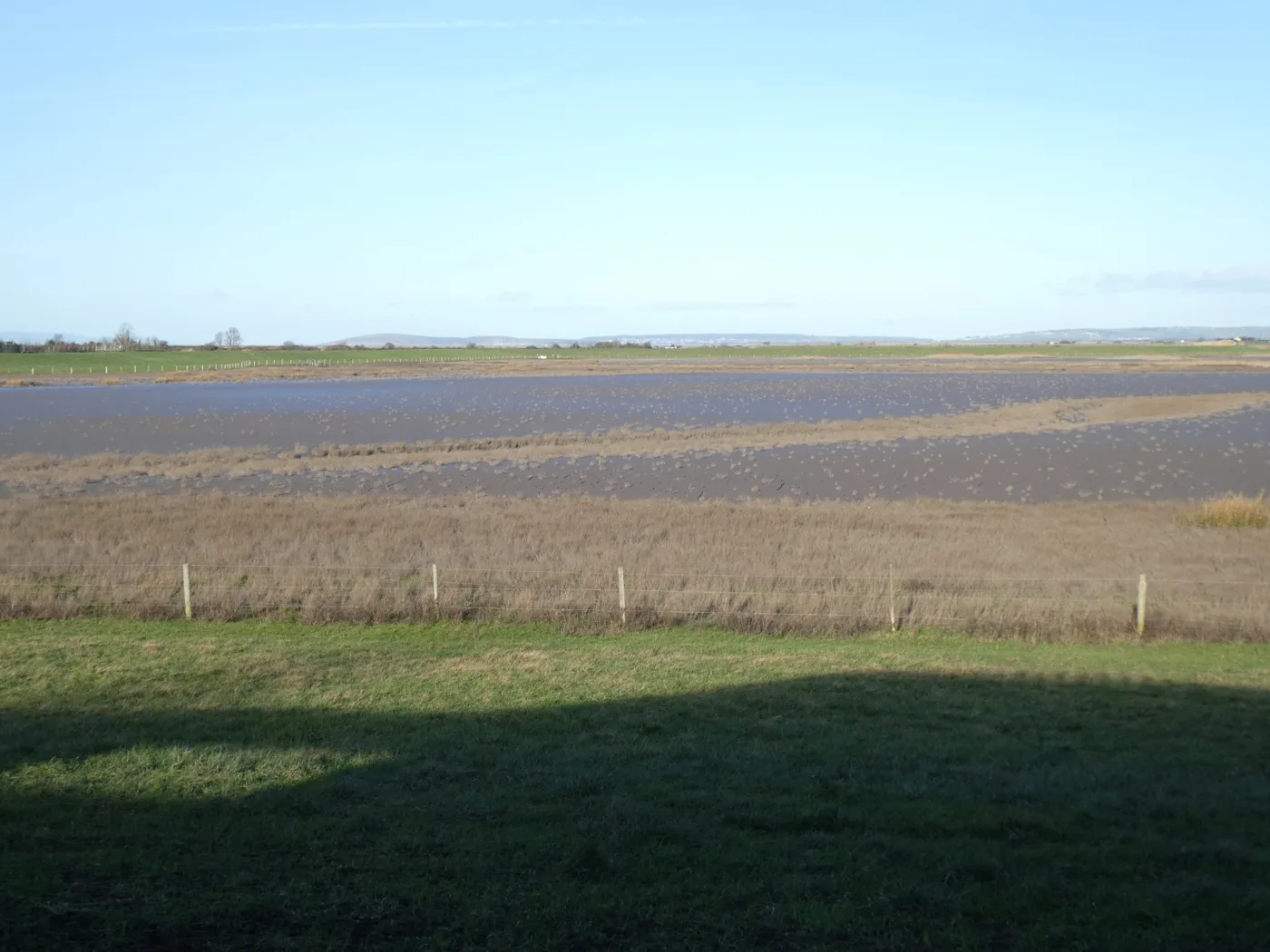
High tides and winter flooding draw Dunlin, Knot, Golden Plover, Lapwings, Pintails and Teal into a vast working wetland, with Avocets, Little Ringed Plovers and passage migrants adding spring and summer interest.
Decide if the visit fits.
Last checked 18 October 2026.
Opening and charges information · checked .
Stay nearby →Reserve overview
High tides and winter flooding draw Dunlin, Knot, Golden Plover, Lapwings, Pintails and Teal into a vast working wetland, with Avocets, Little Ringed Plovers and passage migrants adding spring and summer interest.
Eight checks for a smoother visit.
Conditions change: check the operator and transport notices before travelling.
January: typically watch Wigeon and Pintail from the Stockland Marsh viewing platform, then Dunlin and Lapwing from the public saltmarsh hides. The county guide favours about two hours either side of high tide. February: compare Golden Plover from Mendip Hide with Knot from the Parrett breach public path, keeping safely on the marked bank. Search above the flocks for Peregrine rather than walking closer. March: Skylark song makes the Wetland walkway worthwhile, while Avocet is a target at the Otterhampton Marsh viewing platforms. Late-winter Teal can still justify a Stockland stop. April: watch Avocet and Little Ringed Plover from the Otterhampton Marsh viewing platforms. Keep to the designated route and give islands and breeding birds room. May: Otterhampton Marsh viewing platforms offer Avocet and Oystercatcher; the Wetland walkway adds Skylark. A warm afternoon may favour insects, while calmer light helps bird identification. June: try Little Egret from Polden screen and Avocet at the Otterhampton platforms. Spoonbill or Cattle Egret can add interest, but a previous report is not a promise. July: Ruff may join the Otterhampton birds as return passage develops. Compare views from the permitted platform with the Stockland Marsh viewing platform for Cattle Egret. August: give Ruff and Spoonbill a patient look from the Otterhampton Marsh viewing platforms, then scan the freshwater margin from Stockland. Scope distant birds rather than crossing closed ground. September: returning Dunlin and Knot can shift with rising water; use Parrett Hide and the public breach path while watching the return route. Mendip Hide gives a broader marsh comparison. October: Golden Plover and Lapwing typically become a stronger reason for a Mendip Hide watch. Quantock Hides are currently listed closed for roof repairs: use open platforms instead until WWT confirms reopening. November: Teal, Shoveler and Pintail favour the freshwater marsh viewed from Stockland, with Marsh Harrier possible over the wider saltmarsh from Mendip Hide. Use daylight wisely around hide closing. December: choose a tide-led circuit between Mendip Hide and the Stockland Marsh viewing platform for Golden Plover and Wigeon. Open screened points do not mean enclosed hides are unlocked at dawn or on Christmas Day.
Best conditions: Typically plan the exposed saltmarsh circuit for lighter winds and adequate visibility, with warm waterproof layers even when the sheltered car park feels mild. The county guide recommends the period about two hours either side of high tide for winter birds. Use a scope for estuary detail and choose sheltered hide windows when rain or gusts make scanning difficult. Official advice warns of fast incoming tides and strong currents: stay on marked paths and never pursue a flock onto mud or saltmarsh.
Entry and parking information checked on 18 October 2026. Steart Marshes is free to visit throughout the year; the National Trails visitor leaflet confirms free parking at the main WWT and Steart Gate car parks. Coaches need advance arrangements. Check the operator’s visitor page, tide table and local notices before travelling. Keep passing places, verges and gates clear if the parking areas are full: return at another time rather than extending parking into the approach lanes. Choose the entrance for your planned walk before setting off: the main WWT car park and Steart Gate serve different approaches. Allow enough time to return to the same parking place, especially if you are relying on one of the hides for shelter.
Access times: Reserve: Public paths and screened viewing points open all year; keep to the designated network. · Hides: 9am–4.30pm except Christmas Day, with some seasonal extensions. Quantock Hides currently closed for roof repairs; verify the live alert. · Car park: Main car park always open. A 2.1m barrier operates 4.30pm–9am and on Christmas Day; Steart Gate has a 2.1m limit at all times. · Dawn access: partly. Operator opening information.
The wetland walkway and signed public paths cross contrasting freshwater and saltmarsh habitats. At the operator check on 19 October 2026, the paired Quantock Hides were closed for roof repairs and Mendip Hide had reopened. Do not enter Quantock Hides until WWT confirms access; the public Otterhampton viewing platforms provide a separate alternative. The current map also identifies Parrett Hide, Polden screen, observation platforms, Tower Hide and the breach. Stert Point hide is permit only. WWT allows up to an hour to walk from the main car park to the breach, before any birdwatching stops. Do not treat that outward estimate as the time for an entire return visit. Two-hour plan: concentrate on the wetland walkway and one sustained hide watch. Compare the nearest feeding groups with birds on more distant water, then change viewpoint once the first view has stopped revealing new detail. In winter, spend longer distinguishing ducks and mixed wader flocks; in spring, pause for display and territorial calls. An hour of patient observation can be more rewarding than trying to reach the breach and hurry straight back. Full-day plan: begin with freshwater watching, take the permitted route towards the saltmarsh and select a breach or wider estuary watch around the tide. Bring lunch, allow a separate stop for the open landscape and revisit a useful hide on the return. The National Trails leaflet offers three-mile and 6.5-mile circuits, but birdwatching adds substantially to the suggested walking durations. Choose the open seasonal route shown on the current map and signs rather than following a saved track through a closed section. The reserve is also a working flood-management landscape. Channels and vegetation are habitat, not alternative walking routes. Most of the site is outside the public-access area, so remain on designated paths and use screened views for birds feeding close to the banks. At a busy hide, keep the doorway clear and give other observers space to settle. A short visit can still show the whole range of feeding strategies, from grazing ducks to probing waders, if you compare the habitats carefully.
Use the linked reserve map and directions with current access notices. Species are typical seasonal targets. Light and telescope advice reflects our choice of viewpoint.
Main tidal saltmarsh
Official alert says reopened; recheck before travel.
Winter: Lapwing, Golden Plover, Great White Egret, Merlin, Marsh Harrier
Spring: Lapwing, Golden Plover, Great White Egret, Merlin, Marsh Harrier
Summer: Great White Egret
Autumn: Lapwing, Golden Plover, Great White Egret, Merlin, Marsh Harrier
Light: either. Scope: useful.
Tide: County advice favours about two hours either side of high tide.
Otterhampton coastal marsh
Closed for roof repairs in the operator alert checked 19 October 2026; do not enter.
Winter: Teal, Wigeon
Light: not applicable. Scope: useful.
Saltmarsh towards the Parrett Estuary
Use only the signed public route.
Winter: Dunlin, Shelduck, Oystercatcher
Spring: Dunlin, Shelduck, Oystercatcher
Summer: Oystercatcher
Autumn: Dunlin, Shelduck, Oystercatcher
Light: either. Scope: essential.
Tide: Rising water changes the feeding areas; stay inside the public route.
Western edge of the main saltmarsh
Screened point, distinct from enclosed hides.
Winter: Little Egret
Spring: Little Egret
Summer: Little Egret
Autumn: Little Egret
Light: either. Scope: useful.
Brackish pools and coastal marsh
Use the mapped platforms and surfaced path.
Winter: Avocet, Hen Harrier, Short-eared Owl, Barn Owl
Spring: Avocet, Little Ringed Plover, Hen Harrier, Short-eared Owl, Barn Owl
Summer: Avocet, Ruff, Little Ringed Plover, Spoonbill, Barn Owl
Autumn: Avocet, Ruff, Spoonbill, Hen Harrier, Short-eared Owl, Barn Owl
Light: either. Scope: useful.
Freshwater marsh and open lagoon
Follow the signed freshwater route.
Winter: Teal, Wigeon, Pintail, Shoveler, Gadwall
Spring: Teal, Wigeon, Pintail, Shoveler, Gadwall
Summer: Cattle Egret
Autumn: Teal, Wigeon, Pintail, Shoveler, Gadwall, Cattle Egret
Light: either. Scope: useful.
Bridgwater Bay mudflats and coast
Steps; this is the public tower, not the permit-only Stert Point hide.
Winter: Peregrine
Spring: Peregrine
Autumn: Peregrine
Light: either. Scope: essential.
Tide: Observe from the hide; never follow birds onto the intertidal mud.
Protected Bridgwater Bay shore
Permit only: no unrestricted access is implied.
Winter: Dunlin, Shelduck
Light: either. Scope: essential.
Tide: Permit conditions and operator directions govern access.
Estuary and breach from the designated public bank
Keep strictly to the marked bank; strong currents and fast tides.
Winter: Knot
Spring: Knot
Autumn: Knot
Light: either. Scope: essential.
Tide: Watch arriving and departing birds without stepping onto the marsh.
Otterhampton pools and adjacent grassland
Use surfaced public paths; most of the reserve is excluded from public access.
Winter: Kestrel, Buzzard, Linnet, Fieldfare, Redwing
Spring: Kestrel, Buzzard, Skylark, Linnet, Fieldfare, Redwing
Summer: Kestrel, Buzzard, Skylark
Autumn: Kestrel, Buzzard, Linnet, Fieldfare, Redwing
Light: either. Scope: useful.
| Spot | Overlooks | Key species by season | Best light | Scope | Tide |
|---|---|---|---|---|---|
| Mendip HideOfficial alert says reopened; recheck before travel. | Main tidal saltmarsh | Winter: Lapwing, Golden Plover, Great White Egret, Merlin, Marsh Harrier Spring: Lapwing, Golden Plover, Great White Egret, Merlin, Marsh Harrier Summer: Great White Egret Autumn: Lapwing, Golden Plover, Great White Egret, Merlin, Marsh Harrier | either | useful | County advice favours about two hours either side of high tide. |
| Quantock HidesClosed for roof repairs in the operator alert checked 19 October 2026; do not enter. | Otterhampton coastal marsh | Winter: Teal, Wigeon | not applicable | useful | — |
| Parrett HideUse only the signed public route. | Saltmarsh towards the Parrett Estuary | Winter: Dunlin, Shelduck, Oystercatcher Spring: Dunlin, Shelduck, Oystercatcher Summer: Oystercatcher Autumn: Dunlin, Shelduck, Oystercatcher | either | essential | Rising water changes the feeding areas; stay inside the public route. |
| Polden screenScreened point, distinct from enclosed hides. | Western edge of the main saltmarsh | Winter: Little Egret Spring: Little Egret Summer: Little Egret Autumn: Little Egret | either | useful | — |
| Otterhampton Marsh viewing platformsUse the mapped platforms and surfaced path. | Brackish pools and coastal marsh | Winter: Avocet, Hen Harrier, Short-eared Owl, Barn Owl Spring: Avocet, Little Ringed Plover, Hen Harrier, Short-eared Owl, Barn Owl Summer: Avocet, Ruff, Little Ringed Plover, Spoonbill, Barn Owl Autumn: Avocet, Ruff, Spoonbill, Hen Harrier, Short-eared Owl, Barn Owl | either | useful | — |
| Stockland Marsh viewing platformFollow the signed freshwater route. | Freshwater marsh and open lagoon | Winter: Teal, Wigeon, Pintail, Shoveler, Gadwall Spring: Teal, Wigeon, Pintail, Shoveler, Gadwall Summer: Cattle Egret Autumn: Teal, Wigeon, Pintail, Shoveler, Gadwall, Cattle Egret | either | useful | — |
| Tower HideSteps; this is the public tower, not the permit-only Stert Point hide. | Bridgwater Bay mudflats and coast | Winter: Peregrine Spring: Peregrine Autumn: Peregrine | either | essential | Observe from the hide; never follow birds onto the intertidal mud. |
| Stert Point hidePermit only: no unrestricted access is implied. | Protected Bridgwater Bay shore | Winter: Dunlin, Shelduck | either | essential | Permit conditions and operator directions govern access. |
| Parrett breach public pathKeep strictly to the marked bank; strong currents and fast tides. | Estuary and breach from the designated public bank | Winter: Knot Spring: Knot Autumn: Knot | either | essential | Watch arriving and departing birds without stepping onto the marsh. |
| Wetland walkwayUse surfaced public paths; most of the reserve is excluded from public access. | Otterhampton pools and adjacent grassland | Winter: Kestrel, Buzzard, Linnet, Fieldfare, Redwing Spring: Kestrel, Buzzard, Skylark, Linnet, Fieldfare, Redwing Summer: Kestrel, Buzzard, Skylark Autumn: Kestrel, Buzzard, Linnet, Fieldfare, Redwing | either | useful | — |
Month chips show typical presence or our preferred viewing season. Choose birds that suit the time of your visit.
The county bird club favours about two hours either side of high tide. Only the highest tides enter the reserve; use WWT’s highlighted tide table and noticeboard, and stay on official paths.
The access arrangements for WWT Steart Marshes were checked on 18 October 2026. Surfaced public paths provide wheelchair access to much of the visitor area and most hides, while some observation platforms and Tower Hide have steps. The operator’s access film shows the conditions visitors will encounter. View it before choosing destinations if surface texture, slopes or viewing height affect your visit; a route that reaches a hide still needs to suit the person using it. A Radar-key accessible toilet can be used around the clock. WWT’s Tramper all-terrain scooter requires advance booking, with a suggested 2026 donation of £10 per half day. It can use all surfaced public paths; access beyond those depends on season and conditions. Describe your intended route when reserving it so the booking includes useful advice about the day’s permitted area. For a less demanding visit, select a few viewpoints and allow time for pauses rather than committing to the furthest destination. Discuss transfer requirements, walking tolerance or companion needs with the reserve team before travelling. Carry enough warm clothing to remain comfortable during stationary watches in an exposed landscape.
Bring food and drinking water for a full marsh visit. The reserve has picnic opportunities and toilets, with local villages providing additional places to eat. WWT advertises Sarah’s Scone Mad on Sundays, weather permitting, serving refreshments between 11:00 and 15:00; it should be treated as an occasional food stop when planning a longer day. Wildlife guides and small gifts can be bought from the office when staffed. Take litter home, as bins are not provided around the reserve.
Dogs are welcome under effective control. Follow the yellow wildlife-sensitive-area signs, keep dogs out of water and undergrowth, and use a lead near livestock. A designated swimming area is marked near the entrance. Remove dog waste and take it away; do not leave bags beside paths or hide doors.
Travel information for WWT Steart Marshes was checked against its sources on 18 October 2026. Bridgwater is the nearest rail arrival point. WWT identifies Somerset Council’s bookable Slinky as the service reaching the reserve; it is demand-responsive and has no fixed route number. Other buses reach Cannington, leaving a rural final leg, so do not assume a scheduled service continues to the car park. The current Sedgemoor Digital Slinky page, updated 25 September 2026, requires registration and advance booking. Requests can be made between one hour and two weeks ahead; the service operates 07:30–17:30. Confirm pickup and return arrangements before choosing trains, particularly if you need a particular vehicle or access arrangement. Telephone registration and booking support is available on 01823 331266, Monday–Friday 09:00–16:00 excluding public holidays. A pre-booked taxi from Bridgwater is another practical option. Give the driver the main WWT car park on Stert Drove, TA5 2PU, rather than just the peninsula name. Stay-base road estimates use OSRM/OpenStreetMap routes to the car-park approach, measured on 18 October 2026 without live traffic.
Useful bases for an early start.
Booking.com links are affiliate links: we may earn a commission at no extra cost to you. How these links work.
About 8.2 miles by road, roughly 19 minutes’ drive to the WWT car-park approach. OSRM measured the Bridgwater journey for WWT Steart Marshes on 18 October 2026; the estimate excludes live traffic.
Measured driving route · 2026-10-18. Map estimates exclude live traffic.
Rail arrivals and a town base.Find places to stay in Bridgwater on Booking.comAbout 3.4 miles by road, roughly 9 minutes’ drive to the WWT car-park approach. OSRM measured the Cannington journey for WWT Steart Marshes on 18 October 2026; the estimate excludes live traffic.
Measured driving route · 2026-10-18. Map estimates exclude live traffic.
A village base close to the marshes.Find places to stay in Cannington on Booking.comAbout 6.0 miles by road, roughly 16 minutes’ drive to the WWT car-park approach. OSRM measured the Nether Stowey journey for WWT Steart Marshes on 18 October 2026; the estimate excludes live traffic.
Measured driving route · 2026-10-18. Map estimates exclude live traffic.
A village base combining the coast and Quantock area.Find places to stay in Nether Stowey on Booking.comExplore Somerset’s full guides and smaller birding sites
For Steart Marshes enquiries, call 01278 651090 or email info.steart@wwt.org.uk. The visitor address is WWT Steart Marshes, Stert Drove, Bridgwater, Somerset, TA5 2PU. Use the official dated news for reserve updates and the current map for public routes. Include a named hide, date and approximate time when reporting a bird. Keep the shoreline intact: pebbles form part of the coastal habitat and flood protection, so leave them where they lie rather than taking souvenirs.
Check WWT Steart wildlife and reserve report archive. dated January 2026 report; updates irregular Reports show what has been seen, not what will be.
Follow the BTO Birders’ Code and give wildlife space.
WWT Steart Marshes: Free entry and main WWT/Steart Gate parking.
WWT Steart Marshes: Dogs are welcome under effective control.
WWT Steart Marshes: Autumn and winter waders · rewarding year-round.
WWT Steart Marshes: Surfaced public paths provide wheelchair access to much of the visitor area and most hides, while some observation platforms and Tower Hide have steps.
WWT Steart Marshes: Travel information for WWT Steart Marshes was checked against its sources on 18 October 2026.
Shorter stops within 15 miles in a straight line. Use the operator’s arrival directions for the journey.
Westhay, between the village and Godney · Reedbeds, open water, wet woodland and lowland acid mire
Swell · Ancient woodland and meadow
Heale and Curry Rivel · Wet meadows, grazing marsh and hedgerows
Nearby complete guides.
Stops with a purpose: use one as a contrasting habitat or weather-proof Plan B. Distances are straight-line estimates, not road journeys.