
Short entry2.6 miles away
Westhay Moor National Nature Reserve
Westhay, between the village and Godney · Reedbeds, open water, wet woodland and lowland acid mire
 the ai birderBirding near me
The AI Birder · one-page field sheet
Meare, near Glastonbury, Somerset

Great White Egret · Marsh Harrier · Bearded Tit · Cetti’s Warbler · Gadwall · Pochard
Viewing Platform 1 · Viewing Platform 2 · Tor View Hide · Avalon Hide · Waltons Screens · Walton Heath Trail screen · Loxtons Marsh Trail screen · Main Track alder section
Check current access, hide closures and operator notices before travelling. Seasonal birds are possibilities, not promised sightings. Keep to authorised routes and give wildlife space.
Opening and charges checked 2026-10-08. Operator: https://www.rspb.org.uk/days-out/reserves/ham-wall
Full guide and current source links: https://aibirder.co.uk/reserves/rspb-ham-wall
EN 24 · RSPB reserve guide
Meare, near Glastonbury, Somerset
Winter starling roosts, booming Bitterns, Great White Egrets and hunting Marsh Harriers across the Avalon Marshes.
Decide if the visit fits.
Last checked 8 October 2026.
Opening and charges information · checked .
Stay nearby →Reserve overview
Winter starling roosts, booming Bitterns, Great White Egrets and hunting Marsh Harriers across the Avalon Marshes.
Eight checks for a smoother visit.
Conditions change: check the operator and transport notices before travelling.
January: typically scan Teal and Shoveler from Viewing Platform 1 before comparing Pochard and Tufted Duck at Viewing Platform 2. Use current official advice for the separate Starling spectacle. Cattle Egret is a recurring winter target atHam Wall, established by the county’s 2022 systematic account and specific on-reserve observations. The guide does not publish an egret roost position or imply that current numbers match that historical season. February: Water Pipit is a scarce winter target at the shallow margins visible from Viewing Platform 1; Tor View Hide offers a more sheltered Gadwall and Little Grebe watch. March: begin at Viewing Platform 1 for typically increasing Bittern calls and Great White Egret, with early Garganey possible. A quiet, low-wind morning helps listening. April: listen for Reed Warbler at Waltons Screens and Sedge Warbler along Loxtons Marsh Trail; watch Bittern flights from Viewing Platform 1 without tracking birds into cover. May: Tor View Hide is our choice for a long Hobby skywatch when insects are active. At Avalon Hide look over the reeds for Marsh Harrier, staying within the public viewing area. June: Great Crested Grebe from Viewing Platform 2 and Gadwall at Tor View Hide give a quieter alternative to chasing scarce visitors. Bitterns may cross reedbed gaps, but keep nests out of the visit. July: try Little Grebe from Tor View Hide and Little Egret from the Walton Heath Trail screen. Early cooler hours are usually more comfortable than a hot midday circuit. August: Garganey can be difficult among eclipse ducks; use Viewing Platform 1 and compare its shape patiently with Shoveler. Hobby may still hunt over the wider reserve. September: watch Bearded Tit from Viewing Platform 2 and compare returning Teal at Tor View Hide. Stop at Waltons Screens for Cetti’s Warbler calls rather than forcing a view. October: Pochard and Tufted Duck typically become more useful targets from Viewing Platform 2. Main Track alders can add Siskin and Redpoll as autumn develops. November: check Viewing Platform 1 for Great White Egret and Shoveler; autumn Starling guidance may then determine the authorised public place for the evening. Never assume yesterday’s roost will be reused. December: combine Teal at Tor View Hide with Marsh Harrier from Avalon Hide if its approach suits conditions. Leave enough daylight to return, or use current official Starling-event directions. WinterCattle Egret use is not based solely on nearbyGodney orWesthay sightings: the county report explicitly identifiesHam Wall in both winter periods. Observe only from the public facilities and follow current wardening advice.
Best conditions: Typically calm early hours make Bittern calls and reedbed song easier to pick out. Hobby watches often improve once daytime warmth brings flying insects; windy conditions make small birds harder to see at reed tops. A scope helps with distant ducks and reed edges, while binoculars suffice at the closer screens. Glare changes with the sun, so swap viewing angles rather than assuming one hide has perfect light all day. These are editorial fieldcraft choices.
Ham Wall is an RSPB reserve reached from Ashcott Road, Meare, BA6 9SX. The Info Point opens 10am–4pm. Entry to the reserve is free, with parking charges applying to non-members and free parking for RSPB members. Use the current official payment information rather than assuming admission includes parking. There is no overnight parking or camping. Distinguish the car-park opening from permitted reserve access when arranging an early visit. Save your return route before walking out and allow time to reach your car within the published parking window. Our choice is to keep the first visit within an easy return of the Ashcott Road entrance: a distant final watch leaves less room for a slow walk back. When a starling evening is your priority, settle the parking and return arrangements before following reports towards another reserve. Carry the route back with you rather than relying on the movement of other visitors.
Access times: Reserve: Dawn–dusk on the published RSPB opening page. · Hides: Hides, platforms and screens usually dawn–dusk; follow any current closure signs. · Car park: 5am–6.30pm November–January; 5am–8pm February–March and September–October; 5am–10pm April–30 August. The gate locks automatically. RSPB’s wording leaves 31 August unspecified: check before a late visit. · Dawn access: yes. Operator opening information.
Begin on the main track from the car park and settle at Viewing Platform 1 before choosing a longer circuit. The broad view helps you understand the mix of reeds, open pools and flight lines. A few minutes watching one stretch of sky can reveal a harrier; a quiet pause near cover can produce the sound of a Cetti’s Warbler. The Ham Wall Loop is 3km, with RSPB suggesting about an hour and a half. Treat that as walking guidance: a birding visit with repeated stops can take longer. Viewing Platform 2 adds another open prospect and a useful place to compare lake birds. The public route forms part of the wider Bittern Trail, so share space considerately with walkers and cyclists. Walton Heath is a 1.8km circuit, estimated at about 40 minutes, and Loxtons is 1.3km, about 30 minutes. Choose one as a deliberate change of habitat rather than trying to finish every route. The boardwalk is 200m; use the signed connection to the viewing areas and keep lenses and bags out of passing space. Tor View Hide and the Walton screens offer sheltered pauses, while Avalon Hide provides another reedbed outlook on its separate approach. For a starling evening, stop daytime exploring early enough to walk to the advised viewing place. A roost visit does not require completing the longest circuit. Keep the main route in mind on the return and carry a torch you can aim down at the path.
Use the linked reserve map and directions with current access notices. Species are typical seasonal targets. Light and telescope advice reflects our choice of viewpoint.
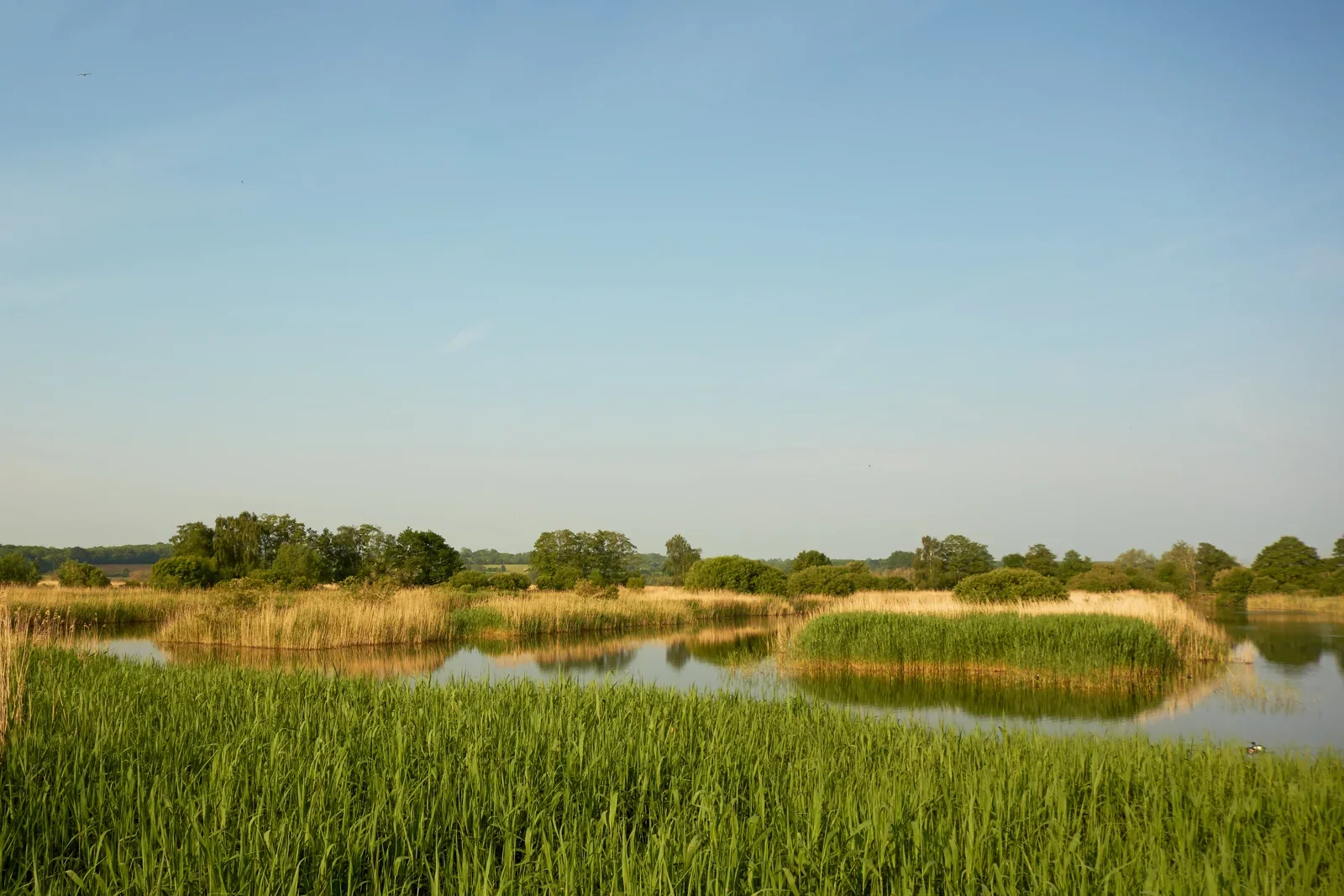
Reedbed, shallow pools and open sky
On the main track; nearby Blue Badge spaces use RADAR access.
Winter: Great White Egret, Shoveler, Grey Heron, Water Pipit, Cattle Egret
Spring: Bittern, Great White Egret, Garganey, Shoveler, Grey Heron, Water Pipit, Barn Owl, Cattle Egret
Summer: Bittern, Great White Egret, Garganey, Grey Heron, Barn Owl
Autumn: Great White Egret, Garganey, Shoveler, Grey Heron, Water Pipit, Cattle Egret
Light: either. Scope: useful.
Eastern reedbeds and open water
Reached along the main track.
Winter: Bearded Tit, Pochard, Tufted Duck, Great Crested Grebe
Spring: Bearded Tit, Pochard, Tufted Duck, Great Crested Grebe
Summer: Bearded Tit, Pochard, Great Crested Grebe
Autumn: Bearded Tit, Pochard, Tufted Duck, Great Crested Grebe
Light: either. Scope: useful.
Waltons reedbeds and open pools
Accessible route from the boardwalk; follow current signs.
Winter: Gadwall, Teal, Little Grebe
Spring: Gadwall, Teal, Little Grebe, Hobby
Summer: Gadwall, Little Grebe, Hobby
Autumn: Gadwall, Teal, Little Grebe, Hobby
Light: either. Scope: useful.
Northern reedbeds and wetland
Rough grass approach; check suitability before committing.
Winter: Marsh Harrier
Spring: Marsh Harrier
Summer: Marsh Harrier
Autumn: Marsh Harrier
Light: either. Scope: useful.
Close reed and pool margins
Boardwalk screens have lowered slots and moveable benches.
Winter: Cetti’s Warbler, Kingfisher
Spring: Cetti’s Warbler, Reed Warbler, Kingfisher
Summer: Cetti’s Warbler, Reed Warbler, Kingfisher
Autumn: Cetti’s Warbler, Reed Warbler, Kingfisher
Light: either. Scope: not needed.
Walton Heath pool and reed edge
Grass path may be wet.
Winter: Little Egret
Spring: Little Egret
Summer: Little Egret
Autumn: Little Egret
Light: either. Scope: useful.
Loxtons reedbed and open water
Grass path may be wet in winter.
Spring: Sedge Warbler
Summer: Sedge Warbler
Autumn: Sedge Warbler
Light: either. Scope: useful.
Alder trees and damp scrub along the public track
Keep on the main track.
Winter: Siskin, Redpoll
Spring: Siskin, Redpoll
Autumn: Siskin, Redpoll
Light: either. Scope: not needed.
| Spot | Overlooks | Key species by season | Best light | Scope | Tide |
|---|---|---|---|---|---|
| Viewing Platform 1On the main track; nearby Blue Badge spaces use RADAR access. | Reedbed, shallow pools and open sky | Winter: Great White Egret, Shoveler, Grey Heron, Water Pipit, Cattle Egret Spring: Bittern, Great White Egret, Garganey, Shoveler, Grey Heron, Water Pipit, Barn Owl, Cattle Egret Summer: Bittern, Great White Egret, Garganey, Grey Heron, Barn Owl Autumn: Great White Egret, Garganey, Shoveler, Grey Heron, Water Pipit, Cattle Egret | either | useful | — |
| Viewing Platform 2Reached along the main track. | Eastern reedbeds and open water | Winter: Bearded Tit, Pochard, Tufted Duck, Great Crested Grebe Spring: Bearded Tit, Pochard, Tufted Duck, Great Crested Grebe Summer: Bearded Tit, Pochard, Great Crested Grebe Autumn: Bearded Tit, Pochard, Tufted Duck, Great Crested Grebe | either | useful | — |
| Tor View HideAccessible route from the boardwalk; follow current signs. | Waltons reedbeds and open pools | Winter: Gadwall, Teal, Little Grebe Spring: Gadwall, Teal, Little Grebe, Hobby Summer: Gadwall, Little Grebe, Hobby Autumn: Gadwall, Teal, Little Grebe, Hobby | either | useful | — |
| Avalon HideRough grass approach; check suitability before committing. | Northern reedbeds and wetland | Winter: Marsh Harrier Spring: Marsh Harrier Summer: Marsh Harrier Autumn: Marsh Harrier | either | useful | — |
| Waltons ScreensBoardwalk screens have lowered slots and moveable benches. | Close reed and pool margins | Winter: Cetti’s Warbler, Kingfisher Spring: Cetti’s Warbler, Reed Warbler, Kingfisher Summer: Cetti’s Warbler, Reed Warbler, Kingfisher Autumn: Cetti’s Warbler, Reed Warbler, Kingfisher | either | not needed | — |
| Walton Heath Trail screenGrass path may be wet. | Walton Heath pool and reed edge | Winter: Little Egret Spring: Little Egret Summer: Little Egret Autumn: Little Egret | either | useful | — |
| Loxtons Marsh Trail screenGrass path may be wet in winter. | Loxtons reedbed and open water | Spring: Sedge Warbler Summer: Sedge Warbler Autumn: Sedge Warbler | either | useful | — |
| Main Track alder sectionKeep on the main track. | Alder trees and damp scrub along the public track | Winter: Siskin, Redpoll Spring: Siskin, Redpoll Autumn: Siskin, Redpoll | either | not needed | — |
Month chips show typical presence or our preferred viewing season. Choose birds that suit the time of your visit.
Where the starlings may be tonight: the roost can move between these neighbouring reserves. Use the hotline’s previous-night report and current on-site directions to choose a viewpoint. Plan Shapwick Heath National Nature Reserve →
Season: November to the start of March, usually strongest through winter. Avalon Marshes places the last birds in late February or early March. The roost moves between Ham Wall and Shapwick Heath. Arrival time: Arrive well before dusk: RSPB advises aiming for 2pm and no later than 3.30pm, allowing up to 30 minutes to walk. In late February sunset is later, so use the actual sunset time. For the dawn departure, birds typically leave about half an hour before sunrise; be at the authorised viewpoint before that, with a torch for the approach. Hotline: 07866 554142, an automated RSPB recording running 1 November–28 February. It reports which reserve held the birds on the previous night, not a prediction for tonight; messages do not receive replies. Weekends and Christmas are busiest. Parking is limited and visitors may be turned away when full. Do not queue, block entrances or park on roads or verges. Use the designated car park for the advised reserve, carry warm layers and a torch, and leave quietly when the birds have settled. Groups of ten or more and external tours must arrange their visit with RSPB; winter coach access is restricted. A morning visit can be a quieter alternative.
RSPB identifies the hard main track, Reedbed Trail, Walton screens and Tor View Hide as useful accessible options. Start with a short route that combines a broad viewing platform with a sheltered stop, rather than treating the whole wetland as one uniformly surfaced circuit. Grass paths can become wet and uneven, and the separate routes have different surfaces and distances. There are five Blue Badge spaces in the main car park and two additional on-reserve Blue Badge spaces reached using a RADAR key. Discuss use of those spaces and the most suitable viewing route with the reserve team before a visit that depends on them. An accessible toilet is near the Info Point. Low light, crowded viewpoints and a dark return can change how manageable a winter roost visit feels even where the daytime surface is suitable. For a wheelchair or mobility scooter, plan the turning space and return journey as carefully as the outward distance. Take the official access information with you and choose the main track when grass circuits would make the visit tiring. Give other visitors room at screens and viewing edges; a good accessible birding stop is worth time rather than a hurried transfer to a farther hide.
The Info Point is the useful first stop for reserve information, with toilets and baby changing nearby. Bring drinking water and food for a long birding day instead of relying on a full café service at the reserve. Avalon Marshes Centre offers a separate café and information stop west of Shapwick Heath, rather than a facility beside every Ham Wall viewpoint. Bicycle racks are provided, and a small bag is easier to manage at a crowded roost than bulky equipment.
Ham Wall allows dogs on a short lead on public footpaths and the Ham Wall Loop. Dogs are excluded from the Avalon Hide path, Reedbed Trail, Walton Heath and Loxtons, except assistance dogs. Choose the permitted route before leaving the car park; the neighbouring Shapwick Heath NNR has a different, no-dogs rule.
Castle Cary and Bridgwater are practical rail gateways, with Highbridge also identified by Avalon Marshes as a nearby station. Castle Cary has the council-supported 567 link to Glastonbury and Street, operating seven days a week since August 2026, alongside the 667 service. From Bridgwater, First’s 375 links towards Street, Glastonbury and Wells; Wells also has the 373, while other Mendip Explorer services connect the wider region. Libra’s 668 serves the Meare corridor on weekdays, excluding bank holidays. A bus to Meare still leaves a rural final leg: use the current timetable and an exact walking route, or book a taxi from Glastonbury or Street to Ashcott Corner. The reserve is not served by a railway station at its gate. For a dusk roost or dawn departure, pre-arrange both taxi legs; a daytime bus connection should not be treated as an evening return. Map-based road estimates to Ashcott Corner are about 5 miles from Glastonbury, roughly 10–15 minutes’ drive; about 6 miles from Street, roughly 15 minutes; and about 10 miles from Wells, roughly 20–25 minutes. Castle Cary is about 18 miles away, roughly 30–40 minutes by taxi, and Bridgwater about 13 miles, roughly 25–35 minutes. These are planning estimates for ordinary traffic. Use the signed visitor entrance rather than routing to a reedbed pin, and reserve time for the walk from the car park.
Useful bases for an early start.
Booking.com links are affiliate links: we may earn a commission at no extra cost to you. How these links work.
About 5 miles by road to Ashcott Corner, roughly 10–15 minutes’ drive or taxi.
Measured driving route · 2026-10-09. Map estimates exclude live traffic.
Best for the shortest town-based approach, independent rooms and places to eat before an afternoon roost visit.Find places to stay in Glastonbury on Booking.comAbout 6 miles by road, roughly 15 minutes’ drive; arrange the final taxi leg from the town rather than assuming a dusk bus.
Measured driving route · 2026-10-09. Map estimates exclude live traffic.
Best for practical hotels, shopping and Castle Cary rail-link connections.Find places to stay in Street on Booking.comAbout 10 miles by road, roughly 20–25 minutes’ drive. Daytime buses link Wells with Glastonbury and Street.
Measured driving route · 2026-10-09. Map estimates exclude live traffic.
Best for a longer Somerset stay with city facilities and a range of hotels and guesthouses.Find places to stay in Wells on Booking.comExplore Somerset’s full guides and smaller birding sites
Use Ham Wall’s official reserve page for the reserve team and ham.wall@rspb.org.uk for enquiries, including organised groups and access planning. Keep the automated starling hotline separate from that contact: it provides a recording, not a staffed advice service. The linked opening-times and facilities pages explain the practical arrangements, while the starling page covers roost visits. For species context, use the seasonal guidance here alongside current reserve updates, without treating an old report as today’s location.
Check Somerset Ornithological Society latest bird sightings. irregular, as observers post Reports show what has been seen, not what will be.
Follow the BTO Birders’ Code and give wildlife space.
RSPB Ham Wall: Free entry; non-member parking £5; members and Blue Badge holders free.
RSPB Ham Wall: Ham Wall allows dogs on a short lead on public footpaths and the Ham Wall Loop.
RSPB Ham Wall: Year-round; winter starlings and spring reedbed birds.
RSPB Ham Wall: RSPB identifies the hard main track, Reedbed Trail, Walton screens and Tor View Hide as useful accessible options.
RSPB Ham Wall: Castle Cary and Bridgwater are practical rail gateways, with Highbridge also identified by Avalon Marshes as a nearby station.
Shorter stops within 15 miles in a straight line. Use the operator’s arrival directions for the journey.
Westhay, between the village and Godney · Reedbeds, open water, wet woodland and lowland acid mire
Swell · Ancient woodland and meadow
Heale and Curry Rivel · Wet meadows, grazing marsh and hedgerows
Nearby complete guides.
Stops with a purpose: use one as a contrasting habitat or weather-proof Plan B. Distances are straight-line estimates, not road journeys.