Short entry6.7 miles away
Westhay Moor National Nature Reserve
Westhay, between the village and Godney · Reedbeds, open water, wet woodland and lowland acid mire
 the ai birderBirding near me
The AI Birder · one-page field sheet
Greylake, England · TA7 9BP · TA7 9BP

Kingfisher · Great White Egret
Enclosed hide on Easy-Access Trail · Open hide on Easy-Access Trail · Floating platform on Easy-Access Trail · Reedbed Loop pool screen · Car-park and picnic-area public view · Additional Reedbed Loop viewpoint spur
Check current access, hide closures and operator notices before travelling. Seasonal birds are possibilities, not promised sightings. Keep to authorised routes and give wildlife space.
Opening and charges checked 2026-10-18. Operator: https://www.rspb.org.uk/days-out/reserves/greylake
Full guide and current source links: https://aibirder.co.uk/reserves/rspb-greylake
EN 76 · RSPB reserve guide
Greylake, England · TA7 9BP
Winter ducks and displaying spring waders across the Somerset Levels.
Decide if the visit fits.
Last checked 18 October 2026.
Opening and charges information · checked .
Stay nearby →Reserve overview
Winter ducks and displaying spring waders across the Somerset Levels.
Eight checks for a smoother visit.
Conditions change: check the operator and transport notices before travelling.
January: Typically winter is the strongest duck-and-wader plan. Use the enclosed hide for Wigeon, Teal and Pintail, with the open hide providing another angle for Snipe. The county's January 2026 account recorded a quiet, partly frozen day, so even the main winter spectacle is a possibility rather than a guarantee. February: Settle in the enclosed hide for Gadwall, Shoveler and Lapwing before trying another public angle. Short daylight and cold wind favour a compact route. Reed Bunting can be checked at the visitor-area feeders, while harriers and owls should be watched from the public hides without seeking a resting site. Great White Egret is not limited to the existing January/March target chips: Somerset Birds 2022 documents Greylake Reserve in every month. The usual enclosed-hide watch remains the public option, with present water levels deciding where birds feed. March: Spring wader interest overlaps with winter ducks. Try the main hides for Lapwing, Redshank and Snipe, then the permitted reedbed screen for a Bittern possibility if conditions suit. Actual county March Crane records are useful evidence, not an appointment or directions to a breeding location. April: Typically spring display makes the main hide views rewarding without needing to approach wet grassland. Lapwing and Redshank are the operator-supported aims, with Bittern listening from the official reedbed route. Use current path conditions to decide whether the grass loop is sensible after wet weather. May: Reed and Sedge Warblers add a listening focus around the permitted Reedbed Loop screen. The hides remain the appropriate place to watch breeding waders from a distance. Do not walk towards alarm-calling birds or enter the vegetation because a song seems frustratingly close to the path. June: Use the main hides for Lapwing or Redshank and the public reedbed route for summer warbler song. The operator manages water levels differently through the year, so winter duck expectations are unsuitable for a June checklist. A quiet pause can reveal more than covering the same short path repeatedly. July: Typically reedbed warblers remain a better summer aim than the winter duck flocks. Listen from the central pool screen where its grass approach is usable, and use the surfaced route when it is not. No private nest, owl resting place or reedbed shortcut is part of this itinerary. August: Choose a flexible public-route watch rather than expecting winter Wigeon in summer numbers. The hides let you assess current water and any waders, while the reedbed screen supplies another angle. Sedge Warbler is a summer possibility, but this guide does not invent an August count to fill the calendar. Great White Egret can also be considered during the usual summer hide watch; the county’s 2022 monthly table records reserve occurrence through the warmer months as well as winter. September: The operator map identifies autumn Kingfisher interest near the hide sector. Compare the two official hide views and allow time for a bird to cross an open channel. A photographed perch need not be occupied again, and a quiet watch does not justify moving into the water margin. October: Kingfisher remains the map-supported autumn possibility from the public hide sector while winter visitors begin to change the view. Assess the managed pools first and consult current county reports before travelling for a scarce target. Stay on the permitted paths during vegetation and water-level management. November: Typically winter ducks and waders become the main draw again. The enclosed hide gives a settled watch for Teal, Wigeon, Shoveler and Ruff, with Lapwing and Golden Plover possible over the wider wetland. Choose the public angle with useful light rather than attempting to move a flock closer. December: A compact winter route can compare both hides for Wigeon, Teal, Pintail and Snipe. Reed Bunting at the visitor area offers another accessible aim if the pools are frozen or quiet. Finish within the dawn–dusk access window, and leave harrier or owl resting habitat undisturbed.
Best conditions: Typically calm conditions favour reedbed listening and steady views across wet grassland. The enclosed hide is useful in wind or showers; compare its permitted windows for glare rather than leaving the route. Frozen water, flooding and active management can sharply alter the bird picture. Use the surfaced route if grass paths are soft.
Greylake is a good place to spend more time watching than walking. Start with the surfaced route to the hides, assess how much open water is available and then choose a comfortable public window. The enclosed and open hides offer different shelter and angles over the same changing wetland. A winter duck day can be absorbing without a long route, while spring brings a stronger listening reason to consider the grass Reedbed Loop. That additional walk is a choice, not a requirement to see the reserve properly. Wet ground, frozen pools and management work can all change the day’s bird picture. Keep the smaller visitor-area view in mind for Reed Bunting if the wider water is quiet. Bring what you need for a simple self-contained visit, because there is no visitor centre to provide a backup plan. Leave hidden birds in their cover and use the public facilities rather than seeking a closer position.
Access times: Reserve: Dawn–dusk on the current RSPB calendar; check flooding or management restrictions. · Hides: Hide explicitly listed dawn–dusk; two operator-described public hides, without invented names. · Car park: Dawn–dusk, no overnight parking. No lighting; allow time to return safely. · Dawn access: yes. Operator opening information.
Greylake is a small reserve where the best route is usually the one that leaves enough time to watch. The Easy-Access Trail links the principal wet-grassland views, while the Reedbed Loop turns attention towards close vegetation, ditches and smaller birds. Use the operator's current map to choose the appropriate loop and permitted viewing points. The facilities page gives inconsistent imperial and metric lengths for the reedbed options; follow its metric route descriptions and the on-site waymarks rather than adding the quoted mile figures together. Two-hour plan, editorial suggestion: devote the opening half hour to a broad scan of the wet grassland from an available viewpoint. Walk the Easy-Access circuit slowly, pausing whenever ducks move into a different channel or a raptor comes through. If conditions and available time suit, add part of the reedbed route, then return to the original outlook for a final comparison. Keep this a sequence of watches rather than a hurried exercise in completing every path. Full-day plan, editorial suggestion: begin with the grassland, move into reedbed habitat during the middle of the morning, and return for a longer afternoon watch. Take a proper picnic break rather than abandoning a good viewpoint every few minutes. On a quiet summer day, combine a shorter Greylake session with another independently planned Somerset wetland visit; in winter the duck flocks can justify several hours here alone. Let the weather and bird activity determine the balance. Do not enter the grazing fields, blocked tracks or reedbed interior to improve a photographic angle. A reserve of this scale benefits from visitors spreading patiently between its legitimate viewing places.
Use the linked reserve map and directions with current access notices. Species are typical seasonal targets. Light and telescope advice reflects our choice of viewpoint.
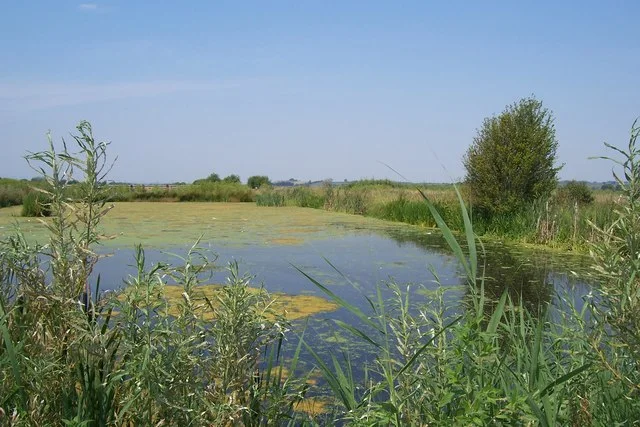
Managed wet grassland, shallow pools and water margins
Winter: Wigeon, Teal, Pintail, Gadwall, Shoveler, Golden Plover, Ruff, Great White Egret, Marsh Harrier, Hen Harrier, Barn Owl
Winter: Great White Egret, Crane
Spring: Lapwing, Redshank, Snipe, Great White Egret
Summer: Great White Egret
Autumn: Great White Egret, Marsh Harrier, Hen Harrier, Barn Owl
Light: either. Scope: useful.
Wetland from the second official hide
Autumn: Kingfisher
Winter: Snipe, Lapwing, Peregrine
Light: either. Scope: useful.
Small pools and ditches beside the surfaced route
Floating public platform shown on map; no species list invented from its fish/pond-skater caption.
Light: either. Scope: not needed.
Pool in the centre of the reedbed from the public screen
Grass Reedbed Loop can be wet; use only the public screen, without entering reeds.
Spring: Bittern, Reed Warbler, Sedge Warbler
Winter: Water Rail
Light: either. Scope: not needed.
Visitor-area feeders and visible surrounding habitat
Use visitor area, never stop on A361 to watch birds.
Winter: Reed Bunting
Light: either. Scope: not needed.
Floodplain from the operator-described additional viewpoint
Official text describes a longer out-and-back spur; confirm current condition before adding it. No sensitive-species directions.
Light: either. Scope: useful.
| Spot | Overlooks | Key species by season | Best light | Scope | Tide |
|---|---|---|---|---|---|
| Enclosed hide on Easy-Access Trail | Managed wet grassland, shallow pools and water margins | Winter: Wigeon, Teal, Pintail, Gadwall, Shoveler, Golden Plover, Ruff, Great White Egret, Marsh Harrier, Hen Harrier, Barn Owl Winter: Great White Egret, Crane Spring: Lapwing, Redshank, Snipe, Great White Egret Summer: Great White Egret Autumn: Great White Egret, Marsh Harrier, Hen Harrier, Barn Owl | either | useful | — |
| Open hide on Easy-Access Trail | Wetland from the second official hide | Autumn: Kingfisher Winter: Snipe, Lapwing, Peregrine | either | useful | — |
| Floating platform on Easy-Access TrailFloating public platform shown on map; no species list invented from its fish/pond-skater caption. | Small pools and ditches beside the surfaced route | — | either | not needed | — |
| Reedbed Loop pool screenGrass Reedbed Loop can be wet; use only the public screen, without entering reeds. | Pool in the centre of the reedbed from the public screen | Spring: Bittern, Reed Warbler, Sedge Warbler Winter: Water Rail | either | not needed | — |
| Car-park and picnic-area public viewUse visitor area, never stop on A361 to watch birds. | Visitor-area feeders and visible surrounding habitat | Winter: Reed Bunting | either | not needed | — |
| Additional Reedbed Loop viewpoint spurOfficial text describes a longer out-and-back spur; confirm current condition before adding it. No sensitive-species directions. | Floodplain from the operator-described additional viewpoint | — | either | useful | — |
Month chips show typical presence or our preferred viewing season. Choose birds that suit the time of your visit.
The RSPB describes a level, surfaced 700-metre Easy-Access Trail suitable for wheelchairs and buggies. Its reedbed alternatives include grass surfaces, so they are a separate mobility decision, particularly after wet weather. Trombone gates are used on the reedbed route; there are no steps or stiles on those published paths. The two Blue Badge parking spaces are on firm, flat ground, within a 25-space car park. The parking area is unlit and has no height restriction. For viewing, the operator describes one enclosed wooden hide and an open wooden hide with a wooden access bridge, plus an open woven-willow viewpoint on the reedbed route. Benches described at these structures lack armrests and back support, which matters if you require supportive seating for a long watch. Other benches are provided along the trails. Because gate geometry, a wet grass surface and a bench without arms affect people differently, explain your particular requirements when contacting the team. A surfaced circuit is a useful starting point, but it does not establish that every viewing slot, bridge or seasonal route will suit every mobility aid.
Bring drinking water, food and whatever you need for a self-contained visit. Greylake has no toilets, baby-changing room, café or shop. The operator identifies public toilets at Taunton Road in Bridgwater and Clarks Village in Street, with refreshments available in Othery and the larger towns. Build those stops into the day rather than relying on an on-site break. There are two picnic tables, one accommodating a wheelchair user. Pack out food waste and other litter, and leave cooking equipment at home: barbecues are prohibited.
The reserve excludes pet dogs to protect its sensitive habitats and wildlife. Assistance dogs are welcomed throughout. Make a separate dog-care arrangement for a birdwatching visit; leaving an animal in the car is unsuitable, particularly when a short walk turns into a longer spell at a viewpoint.
Bridgwater is the RSPB's named nearest railway station. A pre-booked taxi from the station, including a return collection, is the practical car-free connection to the reserve entrance. Tell the driver that the destination is RSPB Greylake on the A361 between Othery and Greinton, rather than assuming the postcode alone identifies the stopping place. The RSPB location page still recommends bus 29 to Othery, but First's current Somerset timetable lists the corridor as service 374 via Othery. This discrepancy matters: use First's current journey planner for the travel date. Neither number solves the final approach. The RSPB explicitly advises against walking from Othery because the busy road lacks a pavement. Plan a taxi transfer instead of treating the village bus stop as a safe walking connection. A return reservation is especially useful after a late winter watch, when there is little value in discovering that a car cannot reach you promptly.
Useful bases for an early start.
Booking.com links are affiliate links: we may earn a commission at no extra cost to you. How these links work.
About 8.6 road miles, roughly 18 minutes by car; OSRM estimate measured 18 October 2026, excluding live traffic.
Measured driving route · 18 October 2026. Map estimates exclude live traffic.
A town base for several Somerset wetland visits.Find places to stay in Glastonbury on Booking.comAbout 7.6 road miles, roughly 17 minutes by car; OSRM estimate measured 18 October 2026, excluding live traffic.
Measured driving route · 18 October 2026. Map estimates exclude live traffic.
Rail access and a wider choice of town services.Find places to stay in Bridgwater on Booking.comAbout 7.0 road miles, roughly 12 minutes by car; OSRM estimate measured 18 October 2026, excluding live traffic.
Measured driving route · 18 October 2026. Map estimates exclude live traffic.
A smaller southern base for the Levels.Find places to stay in Langport on Booking.comExplore Somerset’s full guides and smaller birding sites
Contact the Greylake team at greylake@rspb.org.uk or 01458 252805. Explain whether your question concerns an enclosed hide, a particular mobility aid, a school party or a group visit so the reply addresses the arrangement you need. For an ordinary day out, use the linked official pages to identify the permitted circuit and bring binoculars for the nearer pools. A telescope helps separate distant ducks across the open wet fields. Send the operator any specific wildlife-disturbance concern rather than confronting other visitors on a narrow path.
Check Somerset Ornithological Society Greylake observations. irregular; dated local records through January 2026 visible Reports show what has been seen, not what will be.
Follow the BTO Birders’ Code and give wildlife space.
RSPB Greylake: Free entry; parking tariff not published.
RSPB Greylake: The reserve excludes pet dogs to protect its sensitive habitats and wildlife.
RSPB Greylake: Birdwatching through the seasons.
RSPB Greylake: The RSPB describes a level, surfaced 700-metre Easy-Access Trail suitable for wheelchairs and buggies.
RSPB Greylake: Bridgwater is the RSPB's named nearest railway station.
Shorter stops within 15 miles in a straight line. Use the operator’s arrival directions for the journey.
Westhay, between the village and Godney · Reedbeds, open water, wet woodland and lowland acid mire
Swell · Ancient woodland and meadow
Heale and Curry Rivel · Wet meadows, grazing marsh and hedgerows
Nearby complete guides.
Stops with a purpose: use one as a contrasting habitat or weather-proof Plan B. Distances are straight-line estimates, not road journeys.