
Short entry2.6 miles away
Westhay Moor National Nature Reserve
Westhay, between the village and Godney · Reedbeds, open water, wet woodland and lowland acid mire
 the ai birderBirding near me
The AI Birder · one-page field sheet
Meare, near Glastonbury, Somerset

Great White Egret · Marsh Harrier · Bearded Tit · Cetti’s Warbler · Tufted Duck · Wigeon
Tower Hide · Meare Heath Hide · Noah’s Hide · Decoy Hide · Canada Farm Hide · Main Track at Meare Heath lagoons · Sweet Track Trail
Check current access, hide closures and operator notices before travelling. Seasonal birds are possibilities, not promised sightings. Keep to authorised routes and give wildlife space.
Opening and charges checked 2026-10-08. Operator: https://www.gov.uk/government/publications/somersets-national-nature-reserves/somersets-national-nature-reserves
Full guide and current source links: https://aibirder.co.uk/reserves/shapwick-heath-national-nature-reserve
EN 25 · Natural England reserve guide
Meare, near Glastonbury, Somerset
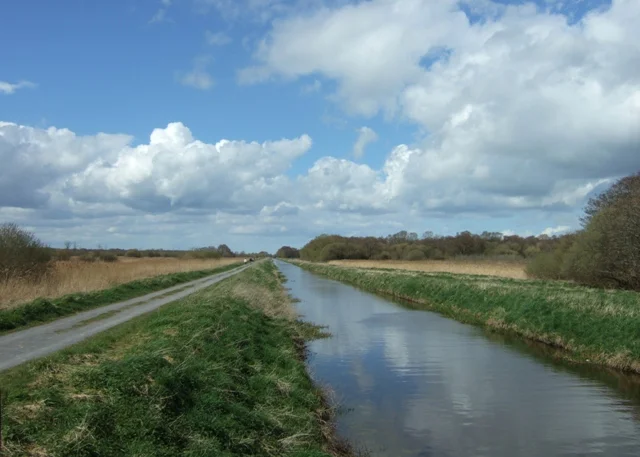
Across the Avalon Marshes, look for winter Starling roosts, Bitterns booming, Great White Egrets and Marsh Harriers on the hunt.
Decide if the visit fits.
Last checked 8 October 2026.
Opening and charges information · checked .
Stay nearby →Reserve overview
Across the Avalon Marshes, look for winter Starling roosts, Bitterns booming, Great White Egrets and Marsh Harriers on the hunt.
Eight checks for a smoother visit.
Conditions change: check the operator and transport notices before travelling.
January: Noah’s Hide is a good starting point for typically wintering Wigeon, Pintail and Tufted Duck. Scan the lake before any separate, officially advised Starling watch. February: compare Noah’s Lake wildfowl from Noah’s Hide with Little Grebe from Decoy Hide. The peaty approaches can be muddy after rain. March: stop at Tower Hide for typically increasing Bittern calls and scan the reed skyline from Tower Hide for Marsh Harrier. The first Sand Martins may feed over Noah’s Lake. April: Meare Heath Hide suits Cetti’s Warbler and returning Sedge Warbler, while Noah’s Hide gives room for a Sand Martin and Hobby skywatch. Garganey needs a patient lagoon scan. May: give Noah’s Hide time for Hobby, with Common Tern or a briefly visiting Black Tern possible. View the managed Meare Heath scrape from the main track only if water levels expose suitable margins. June: Great Crested Grebe and Great White Egret can be watched from Noah’s Hide; Reed Warbler is another listening target at Tower Hide. Keep nest locations out of the plan. July: use the main track at Meare Heath lagoons for Garganey and the first returning Wood Sandpiper, if the managed scrape offers feeding mud. Avoid making a drained lagoon a promise. August: Little Stint and Curlew Sandpiper are scarce but recurring passage targets on suitable Meare Heath margins. Compare views from the main track with Noah’s Hide for brief tern visits. September: watch for passage Black Tern over Noah’s Lake and Wood Sandpiper at Meare Heath. Bearded Tit may become more conspicuous from Meare Heath Hide in quieter weather. October: typically increasing Wigeon and Pintail favour Noah’s Hide, while Marsh Harrier remains a wider reedbed target from Tower Hide. A rarity report does not establish regular presence. November: combine Noah’s Hide for Tufted Duck and Wigeon with a Tower Hide reedbed scan for Bittern or Great White Egret. Use only current official guidance for any Starling viewing position. December: settle at Noah’s Hide for Pintail and Wigeon rather than rushing around every lake. Decoy Hide offers another Little Grebe watch if the path is passable; carry a torch for any authorised dusk outing.
Best conditions: Typically choose a quiet, light-wind morning for Bittern calls and reedbed song. Warm late morning can be more useful for Hobby once insects are flying. Noah’s Lake is large enough for a scope to make a real difference; muddy peaty hide paths need footwear and a shorter alternative after heavy rain. Change windows or choose another signed viewpoint when glare hides detail. The freshwater scrape depends on reserve water management, not sea tides.
Shapwick Heath is a Natural England National Nature Reserve, open throughout the year. Entry is free. For the eastern approach and many starling visits, use the designated Ashcott Corner car park opposite Ham Wall, postcode BA6 9SX. Avalon Marshes publishes suggested parking donations of £1.50 for two hours or £3 for the day; Natural England permit holders and Blue Badge holders park free. A height barrier restricts vehicle access. The western approach is beside Avalon Marshes Centre, whose car park opens 9am–5pm and uses donation parking. Those hours make the Centre unsuitable as the starting point for a dawn departure visit. Its western reserve entrance is about 400m away, but the centre is not an interchangeable short walk from every eastern roost viewpoint. Select the correct entrance before travelling, especially when your visit depends on accessible parking or an early start.
Access times: Reserve: Public reserve open all year; no separate general dawn closure is published in the partner visitor information. · Hides: Individual hide locking hours are not separately published; confirm them with the reserve if dawn or dusk entry is essential. · Car park: County site guide describes Ashcott Corner as open at all times; the separate Avalon Marshes Centre has its own hours and cannot be treated as an unrestricted dawn car park. · Dawn access: partly. Operator opening information.
The main shared track beside the South Drain is a useful spine for a first visit. From Ashcott Corner, walk west into the reserve and make deliberate stops at the signed viewpoints over Meare Heath and Noah’s Lake. Open water, reed margins and areas of scrub each reward a different pace: scan distant ducks first, then settle to watch for a Bittern crossing or a harrier following the reed edge. Use the current reserve map to choose a side trail rather than stepping off the main route to follow a bird. The Sweet Track Trail adds wet woodland and the landscape’s archaeological story. The Discovery Trail offers a shorter way to appreciate the wetland from the western side. Canada Lake and the connection towards Shapwick Moor give another option for visitors planning a longer daytime walk. A birding circuit can easily take longer than its map distance suggests because watching and listening are the purpose of the visit. For a morning visit, begin with the lake views while the light is soft, then work along wooded sections as activity builds. In spring, pause at reedbeds to listen for Bitterns; in winter, compare duck groups and feeding areas before moving on. Carry the map offline because the flat landscape can make similar junctions hard to distinguish. For the starling roost, follow the designated viewing advice and keep the route back simple. The best place depends on the birds’ current choice of reedbed; an attractive daytime viewpoint is not automatically the roost viewpoint.
Use the linked reserve map and directions with current access notices. Species are typical seasonal targets. Light and telescope advice reflects our choice of viewpoint.
Meare Heath lagoons and broad reedbeds
Use the official track; elevated viewing has steps.
Spring: Bittern, Marsh Harrier, Reed Warbler
Summer: Bittern, Marsh Harrier, Reed Warbler
Winter: Marsh Harrier
Autumn: Marsh Harrier, Reed Warbler
Light: either. Scope: useful.
Meare Heath reed and water mosaic
Check the current signed access path.
Winter: Bearded Tit, Cetti’s Warbler
Spring: Bearded Tit, Cetti’s Warbler, Sedge Warbler
Summer: Bearded Tit, Cetti’s Warbler, Sedge Warbler
Autumn: Bearded Tit, Cetti’s Warbler
Light: either. Scope: useful.
Noah’s Lake
Peaty approach can be muddy or uneven.
Winter: Great White Egret, Tufted Duck, Wigeon, Pintail, Great Crested Grebe
Spring: Great White Egret, Hobby, Tufted Duck, Wigeon, Pintail, Great Crested Grebe, Sand Martin, Common Tern, Black Tern, Little Gull
Summer: Great White Egret, Hobby, Tufted Duck, Great Crested Grebe, Sand Martin, Common Tern, Black Tern, Little Gull
Autumn: Great White Egret, Hobby, Tufted Duck, Wigeon, Pintail, Great Crested Grebe, Sand Martin, Common Tern, Black Tern, Little Gull
Light: either. Scope: essential.
Decoy Lake
Peaty approach can be muddy or uneven.
Winter: Little Grebe
Spring: Little Grebe
Summer: Little Grebe
Autumn: Little Grebe
Light: either. Scope: useful.
Canada Farm lake
Approach through damp woodland and wet meadows.
Winter: Tufted Duck
Light: either. Scope: useful.
Managed lagoon margins and wader scrape
Scrape availability depends on Natural England water management.
Spring: Garganey, Swallow, Wood Sandpiper, Spotted Redshank, Cattle Egret
Summer: Garganey, Swallow, Wood Sandpiper, Spotted Redshank, Little Stint, Curlew Sandpiper, Cattle Egret
Autumn: Garganey, Swallow, Wood Sandpiper, Spotted Redshank, Little Stint, Curlew Sandpiper, Cattle Egret
Light: either. Scope: useful.
Wet woodland, fen and the signed public trail
Keep on the waymarked route.
Spring: Cetti’s Warbler
Light: either. Scope: not needed.
| Spot | Overlooks | Key species by season | Best light | Scope | Tide |
|---|---|---|---|---|---|
| Tower HideUse the official track; elevated viewing has steps. | Meare Heath lagoons and broad reedbeds | Spring: Bittern, Marsh Harrier, Reed Warbler Summer: Bittern, Marsh Harrier, Reed Warbler Winter: Marsh Harrier Autumn: Marsh Harrier, Reed Warbler | either | useful | — |
| Meare Heath HideCheck the current signed access path. | Meare Heath reed and water mosaic | Winter: Bearded Tit, Cetti’s Warbler Spring: Bearded Tit, Cetti’s Warbler, Sedge Warbler Summer: Bearded Tit, Cetti’s Warbler, Sedge Warbler Autumn: Bearded Tit, Cetti’s Warbler | either | useful | — |
| Noah’s HidePeaty approach can be muddy or uneven. | Noah’s Lake | Winter: Great White Egret, Tufted Duck, Wigeon, Pintail, Great Crested Grebe Spring: Great White Egret, Hobby, Tufted Duck, Wigeon, Pintail, Great Crested Grebe, Sand Martin, Common Tern, Black Tern, Little Gull Summer: Great White Egret, Hobby, Tufted Duck, Great Crested Grebe, Sand Martin, Common Tern, Black Tern, Little Gull Autumn: Great White Egret, Hobby, Tufted Duck, Wigeon, Pintail, Great Crested Grebe, Sand Martin, Common Tern, Black Tern, Little Gull | either | essential | — |
| Decoy HidePeaty approach can be muddy or uneven. | Decoy Lake | Winter: Little Grebe Spring: Little Grebe Summer: Little Grebe Autumn: Little Grebe | either | useful | — |
| Canada Farm HideApproach through damp woodland and wet meadows. | Canada Farm lake | Winter: Tufted Duck | either | useful | — |
| Main Track at Meare Heath lagoonsScrape availability depends on Natural England water management. | Managed lagoon margins and wader scrape | Spring: Garganey, Swallow, Wood Sandpiper, Spotted Redshank, Cattle Egret Summer: Garganey, Swallow, Wood Sandpiper, Spotted Redshank, Little Stint, Curlew Sandpiper, Cattle Egret Autumn: Garganey, Swallow, Wood Sandpiper, Spotted Redshank, Little Stint, Curlew Sandpiper, Cattle Egret | either | useful | — |
| Sweet Track TrailKeep on the waymarked route. | Wet woodland, fen and the signed public trail | Spring: Cetti’s Warbler | either | not needed | — |
Month chips show typical presence or our preferred viewing season. Choose birds that suit the time of your visit.
Where the starlings may be tonight: the roost can move between these neighbouring reserves. Use the hotline’s previous-night report and current on-site directions to choose a viewpoint. Plan RSPB Ham Wall →
Season: Shapwick Heath’s reedbeds can hold the Avalon Marshes starling roost from November into the start of March, with the final birds usually leaving in late February or early March. The gathering may instead settle at Ham Wall: choosing Shapwick for daytime birding does not determine where the birds will sleep that evening.. Arrival time: Approach from the western side by the Avalon Marshes Centre when the current viewing advice favours that end of Shapwick. RSPB suggests arriving around 2pm and no later than 3.30pm, allowing up to 30 minutes for the walk; dusk shifts through the season. Birds typically depart about half an hour before sunrise, so a dawn watch needs an earlier, quiet approach to the authorised viewpoint.. Hotline: Use the RSPB Starling Hotline, 07866 554142, from 1 November to 28 February. Its automated message identifies the reserve used the previous night. It cannot promise tonight’s location and messages left on the line are not answered. If the recording names Ham Wall, follow that reserve’s viewing advice rather than crossing Shapwick’s reedbeds to find the flock.. The western approach brings you through the landscape beside the Avalon Marshes Centre; it can be a considerable walk from the chosen roost. Keep its car-park closing time in your plan, especially after a late-February dusk. Ashcott Corner provides the eastern entrance opposite Ham Wall. Weekends and Christmas attract the largest crowds, and full car parks mean changing the plan, not stopping on verges or obstructing lanes. Shapwick’s main reserve, including the shared Bittern Trail between Shapwick Road and Ashcott Road, does not allow pet dogs; accredited assistance dogs are permitted. Leave pets out of the roost outing, carry a torch and return along the signed route after the birds settle.
Natural England identifies the main shared path as suitable for wheelchair users, with some side paths unsuitable. The Discovery Trail provides an accessible option from the western side. This is a landscape of different surfaces, gates and routes, so choose a specific path and entrance rather than assuming every lake viewpoint has the same access. Gates can restrict larger mobility vehicles; discuss your vehicle dimensions and intended route with the reserve contact before committing to a long journey. Blue Badge holders park free at Ashcott Corner. Match the toilet stop to the entrance you actually use, allowing for the extra journey beyond the core trail network. Match the toilet stop to the entrance you actually use. A return across the reserve is a substantial part of a visit if you become tired, and the Centre is not beside the eastern viewpoints. Crowds and darkness deserve particular thought for winter starlings. A daytime inspection of the route, a companion, a warm layer and a torch can make the evening easier to manage. Leave room for other visitors at gates and viewing edges, and choose a shorter main-path visit when side trails or low light would make a longer circuit uncomfortable.
Shapwick Heath is a nature reserve rather than a visitor-centre complex. Toilets and refreshments are available at Avalon Marshes Centre on the western side; Ham Wall provides toilets beside its eastern visitor arrival area. Plan those stops around your chosen entrance. The Centre also supplies information about the wider Avalon Marshes and a café stop before a daytime walk. Bring water, snacks and a small rubbish bag for time at the lake viewpoints, where there is no café beside the reeds.
Dogs are not permitted on Shapwick Heath NNR, apart from registered or accredited assistance dogs. This protects sensitive wildlife and differs from Ham Wall’s limited short-lead routes. Do not assume the shared landscape means shared dog permissions; choose Ham Wall’s permitted public route if bringing a pet.
Rail arrivals can use Castle Cary or Bridgwater; Avalon Marshes additionally identifies Highbridge as a station nearby. At Castle Cary, the council-supported 567 runs to Glastonbury and Street seven days a week, an arrangement operating since August 2026 alongside service 667. First’s 375 provides the Bridgwater connection towards Street, Glastonbury and Wells, with Wells served by the 373 and the wider area linked by other Mendip Explorer routes. Libra’s 668 serves the Meare corridor on weekdays, excluding bank holidays. Reaching Meare by bus does not complete the rural journey: check both the current timetable and precise onward walking route, or arrange a Glastonbury or Street taxi to Ashcott Corner. The reserve is not served by a railway station at its gate. Arrange outward and return taxis in advance for dawn departures or dusk roosts, since a daytime bus link does not establish an evening journey home. For road planning to Ashcott Corner, the map estimates are about 5 miles and roughly 10–15 minutes’ drive from Glastonbury, about 6 miles and roughly 15 minutes from Street, and about 10 miles and roughly 20–25 minutes from Wells. A taxi from Castle Cary covers about 18 miles in roughly 30–40 minutes; from Bridgwater, allow roughly 25–35 minutes for about 13 miles. These are planning estimates for ordinary traffic. Follow signs to the visitor entrance, avoiding navigation to a reedbed marker, and allow for the parking-to-reserve walk.
Useful bases for an early start.
Booking.com links are affiliate links: we may earn a commission at no extra cost to you. How these links work.
Allow roughly 10–15 minutes by car or taxi for the road journey of about 5 miles to Ashcott Corner.
Measured driving route · 2026-10-09. Map estimates exclude live traffic.
Suits the shortest approach from a town, with independent rooms and somewhere to eat ahead of an afternoon roost visit.Find places to stay in Glastonbury on Booking.comThe road journey is about 6 miles, taking roughly 15 minutes by car; book the onward taxi from town rather than relying on a bus at dusk.
Measured driving route · 2026-10-09. Map estimates exclude live traffic.
Best for practical hotels, shopping and Castle Cary rail-link connections.Find places to stay in Street on Booking.comAbout 10 miles by road, roughly 20–25 minutes’ drive. Daytime buses link Wells with Glastonbury and Street.
Measured driving route · 2026-10-09. Map estimates exclude live traffic.
Suits an extended Somerset visit, combining city facilities with a choice of guesthouses and hotels.Find places to stay in Wells on Booking.comExplore Somerset’s full guides and smaller birding sites
Use Natural England’s Somerset National Nature Reserves information for Shapwick Heath enquiries and the linked Avalon Marshes visitor page for local route and parking information. The Avalon Marshes Centre is useful for a daytime orientation stop, but it does not replace the reserve’s access advice. For starling location information, use the automated RSPB hotline during its stated season. For a group visit or mobility-dependent route, establish the relevant entrance and arrangements before travelling rather than relying on finding a staffed desk in the reedbeds.
Check Somerset Ornithological Society latest bird sightings. irregular, as reports are submitted Reports show what has been seen, not what will be.
Follow the BTO Birders’ Code and give wildlife space.
Shapwick Heath National Nature Reserve: Free entry; suggested Ashcott Corner parking donation £1.50/2 hours or £3/day; NE permits/Blue Badge free.
Shapwick Heath National Nature Reserve: Dogs are not permitted on Shapwick Heath NNR, apart from registered or accredited assistance dogs.
Shapwick Heath National Nature Reserve: Year-round; winter starlings and spring reedbed birds.
Shapwick Heath National Nature Reserve: Natural England identifies the main shared path as suitable for wheelchair users, with some side paths unsuitable.
Shapwick Heath National Nature Reserve: Rail arrivals can use Castle Cary or Bridgwater; Avalon Marshes additionally identifies Highbridge as a station nearby.
Shorter stops within 15 miles in a straight line. Use the operator’s arrival directions for the journey.
Westhay, between the village and Godney · Reedbeds, open water, wet woodland and lowland acid mire
Swell · Ancient woodland and meadow
Heale and Curry Rivel · Wet meadows, grazing marsh and hedgerows
Nearby complete guides.
Stops with a purpose: use one as a contrasting habitat or weather-proof Plan B. Distances are straight-line estimates, not road journeys.