Westleton
A settlement base for the RSPB Minsmere visit shown below.
- RSPB Minsmere: approximately 10 minutes / 2.6 miles by road. Measured 2026-10-09; excludes traffic, parking and walking. Open road directions
 the ai birderBirding near me
Responsible wildlife guide
Hear spring Bitterns booming, learn patient reedbed fieldcraft and choose reserves for responsible watching, from Somerset wetlands to London hides.
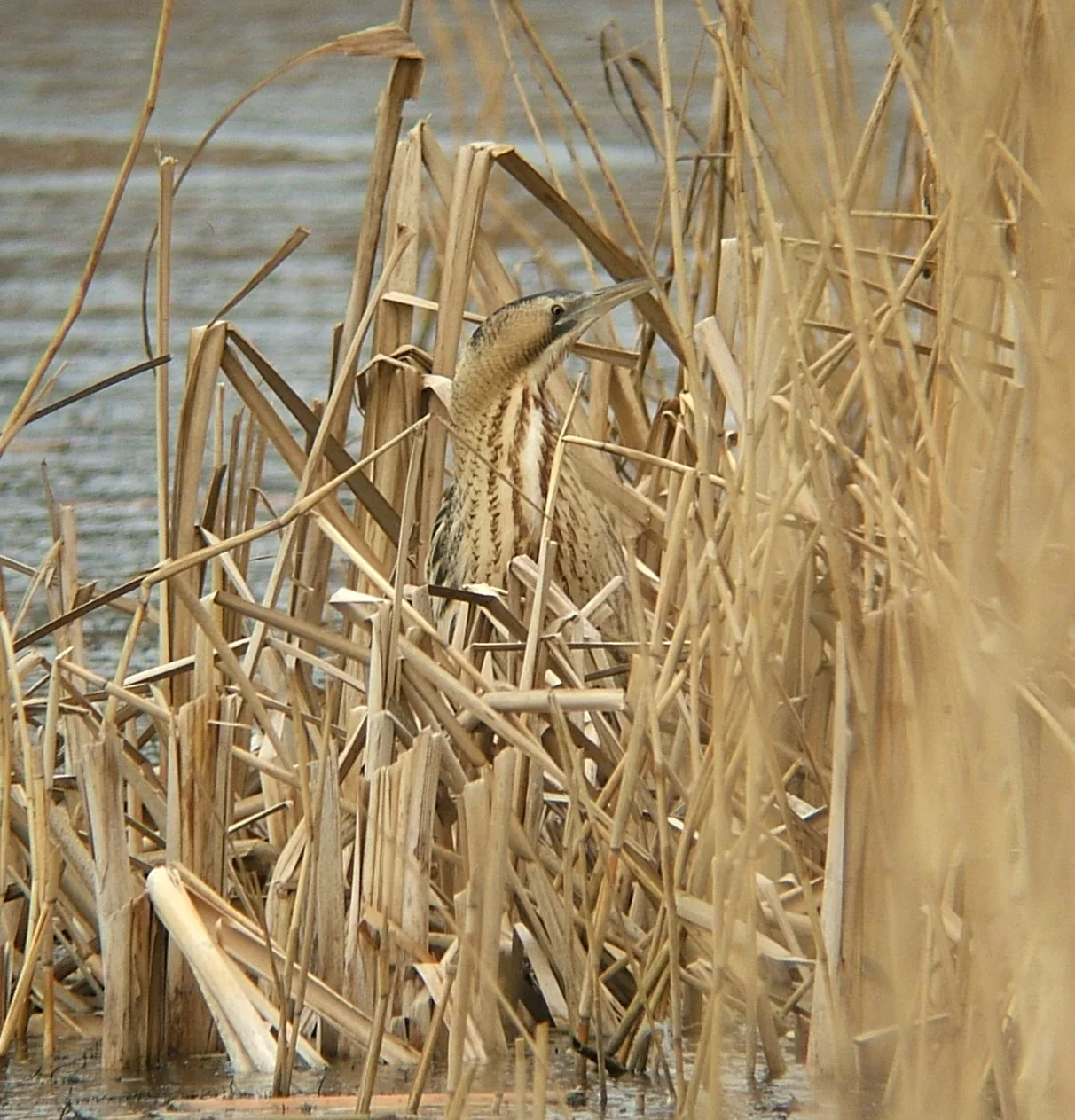
A Bittern day begins with a choice: do you want to hear a spring reedbed or patiently search for a concealed bird? The RSPB identifies March through May as the best period for hearing the male’s deep booming call. Treat that as a seasonal window rather than an appointment. Weather, local breeding activity and your position all affect what reaches you, and a silent visit does not prove that no Bittern is present.
The sound is a good reason to stop walking. Choose an authorised listening point, let conversations subside and listen through several quiet intervals. Typically, a still early morning or evening makes faint reedbed sounds easier to distinguish, but only use those periods where the reserve permits access. A boom is an encounter in its own right. You do not need to locate the hidden caller to have had a successful visit.
Bitterns are herons whose streaked plumage makes them exceptionally difficult to pick out among reeds. Scan the meeting point of vegetation and open water rather than sweeping only the middle of a pool. Work along one short stretch, pause at gaps and return to the same edge. An apparent reed stem may resolve into a neck or bill when the bird moves. Typically, the first useful clue is movement rather than a complete bird.
Use binoculars to find the subject before increasing magnification. Rest your elbows where convenient and comfortable; holding a heavy instrument unsupported makes a long search tiring. In a shared hide, describe a location using a fixed landmark and a direction from it. Quiet, precise directions help other people find the bird without a sudden rush between windows. If it disappears, retain the last landmark and wait rather than repeatedly changing hides.
A short flight can provide the clearest view, but do not create one by approaching cover. Note where a bird disappears from your existing observation point and resume scanning nearby water edges. Reeds moving in the wind, a distant Grey Heron and an incomplete glimpse can all mislead. Record an uncertain identification honestly. Learning the scale and structure of the reedbed is more useful than forcing every brown shape into the desired species.
RSPB Leighton Moss and RSPB Minsmere combine extensive wetland habitat with managed watching points. Choose one accessible circuit from the relevant guide and spend substantial time at its reed-facing views. At Minsmere in particular, check current route notices before choosing a hide: a famous name in an older account does not establish that it is open today. Broader wetland wildlife makes either reserve rewarding when Bitterns stay concealed.
RSPB Ham Wall and neighbouring Shapwick Heath National Nature Reserve provide a Somerset comparison. The official national nature reserve account identifies Bittern habitat at both. Pick a manageable route within one site instead of assuming that moving repeatedly between car parks improves your chances. RSPB Newport Wetlands and RSPB Cors Ddyga bring the same patient listening approach to Welsh reedbeds. The linked guides explain their separate arrival points, paths and local access conditions.
RSPB Blacktoft Sands is another reedbed option; its official facilities page specifically identifies Singleton Hide for the chance of hearing Bittern in spring. RSPB Dungeness also identifies booming Bittern among its reserve experiences. Neither reference promises a bird at a particular hour. Start with the operator’s current notices, then use the guide to choose a comfortable viewing position and an alternative wetland interest for the rest of the day.
WWT London Wetland Centre explicitly highlights winter Bittern watching. Settle at a permitted reedbed view, scanning patiently instead of expecting a conspicuous bird on open water. NWT Cley and Salthouse Marshes also lists Bittern among its wildlife, while the RSPB describes occasional overwintering birds at its Dee Estuary reserve around Burton Mere Wetlands. These are worthwhile possibilities within a wider wetland visit, rather than interchangeable guarantees of a sighting.
The reserve cards below include every guide whose current highlights mention Bittern. Their value is practical: compare the route, available shelter and journey before choosing where to spend your watching time. Avoid interpreting an old report as a current location. Reserve sightings can help set expectations, but sensitive breeding information may properly be withheld. Allow the reserve team’s advice to take precedence over directions circulating online.
For a spring visit, use the first part of your available access period to listen from a quiet public point, then settle for a sustained reed-edge watch. Take a break to enjoy other wetland birds before returning to one productive viewpoint. In winter, prioritise usable light and comfort. A warm layer, waterproof outer clothing and a seat where available make it easier to remain observant without becoming chilled.
Keep a simple note of habitat, weather and what you actually heard or saw. Distinguish a confirmed boom from a suspected sound, and a flight view from a bird identified on the ground. Do not publish a nest location or step into vegetation for a photograph. The fieldcraft is deliberately restrained: learn where the habitat can be watched well, give the bird time to reveal itself, and leave the reedbed functioning as cover.
These rows use existing reserve watching-place records and typical local seasons. Sensitive locations are withheld. Follow current operator restrictions.
| Reserve and public watching place | Typical months | Best light | Scope |
|---|---|---|---|
| RSPB Minsmere: Bittern Hide | January, February, March, April, May, June, July, August, September, October, November, December | either | useful |
| RSPB Leighton Moss: Causeway Hide | January, February, March, April, May, June, July, August, September, October, November, December | either | useful |
| RSPB Dungeness: Denge Marsh hide | February, March, April, May | morning | useful |
| RSPB Newport Wetlands: Sculpture Trail reedbed screens and viewing platform | January, February, March, October, November, December | either | useful |
| RSPB Titchwell Marsh: West Bank Path — reedbed section | January, February, March, April, May, June, July, August, September, October, November, December | afternoon | not needed |
| WWT London Wetland Centre: Peacock Tower | October, November, December, January, February, March | either | useful |
| RSPB Otmoor: First reedbed viewing screen | January, February, March, April, May, June, July, August, September, October, November, December | either | useful |
| RSPB Cors Ddyga: Visitor trail | March, April, May, June | either | useful |
| RSPB Blacktoft Sands: Singleton Hide | March, April, May, June | either | useful |
| NWT Cley and Salthouse Marshes: Bishop’s Hide | March, April, May, June | either | useful |
| Rutland Water Nature Reserve: Bittern Hide | November, December, January, February | either | useful |
| RSPB Ham Wall: Viewing Platform 1 | March, April, May, June, July | either | useful |
The months below come from each reserve’s local birding guide. They describe typical presence or a preferred watching season; national occurrence can be broader. Reports show past observations and cannot promise an encounter. Sensitive birds have no published watching position.
| Species | Reserve guide | Typical or preferred months |
|---|---|---|
| Bittern | RSPB Minsmere | January, February, March, April, May, June, July, August, September, October, November, December |
| Bittern | RSPB Leighton Moss | January, February, March, April, May, June, July, August, September, October, November, December |
| Bittern | RSPB Dungeness | February, March, April, May |
| Bittern | RSPB Newport Wetlands | January, February, March, October, November, December |
| Bittern | RSPB Titchwell Marsh | January, February, March, April, May, June, July, August, September, October, November, December |
| Bittern | WWT London Wetland Centre | October, November, December, January, February, March |
| Bittern | RSPB Otmoor | January, February, March, April, May, June, July, August, September, October, November, December |
| Bittern | RSPB Cors Ddyga | March, April, May, June |
| Bittern | RSPB Blacktoft Sands | March, April, May, June |
| Bittern | NWT Cley and Salthouse Marshes | March, April, May, June |
| Bittern | Rutland Water Nature Reserve | November, December, January, February |
| Bittern | RSPB Ham Wall | March, April, May, June, July |
| Bittern | Shapwick Heath National Nature Reserve | March, April, May, June, July |
| Bittern | Cors Dyfi Nature Reserve and Dyfi Wildlife Centre | January, February, March, October, November, December |
| Bittern | Holkham National Nature Reserve | March, April, May |
| Bittern | RSPB Dearne Valley – Old Moor | January, February, March, April, May, June, July, August, September, October, November, December |
| Bittern | RSPB Fairburn Ings | January, February, March, April, May, June, July, August, September, October, November, December |
| Bittern | RSPB St Aidan's | January, February, March, April, May, June, July, August, September, October, November, December |
| Bittern | RSPB Strumpshaw Fen | January, February, March, April, May, June, July, August, September, October, November, December |
| Bittern | NWT Hickling Broad and Marshes | January, February, March, April, May, June, July, August, September, October, November, December |
| Bittern | Lakenheath Fen | March, April, May, June, July |
| Bittern | RSPB Fen Drayton Lakes | January, February, March, April, May, June, July, August, September, October, November, December |
| Bittern | Brockholes Nature Reserve | January, February, November, December |
| Bittern | Far Ings National Nature Reserve | January, February, March, April, May, June, July, August, September, October, November, December |
| Bittern | Potteric Carr | January, February, March, April, May, June, July, August, September, October, November, December |
| Bittern | Attenborough Nature Reserve | November, December, January, February, March |
| Bittern | Middleton Lakes | January, February, March, April, May, June, July, August, September, October, November, December |
| Bittern | RSPB Radipole Lake | January, February, March, April, May, June, July, August, September, October, November, December |
| Bittern | RSPB Lodmoor | January, February, March, April, May, June, July, August, September, October, November, December |
| Bittern | Carlton Marshes Nature Reserve | January, February, March, April, May, June, July, August, September, October, November, December |
| Bittern | RSPB Greylake | March, April |
| Bittern | RSPB Marazion Marsh | November, December, January, February |
| Bittern | RSPB North Warren | March, April, May, June, July |
| Bittern | Wicken Fen | January, February, March, April, May, June, July, August, September, October, November, December |
| Bittern | Lackford Lakes | January, February, March, October, November, December |
| Bittern | RSPB Langford Lowfields | January, February, March, April, May, June, October, November, December |
| Bittern | RSPB Valley Wetlands | January, February, March, April, May, June, July, August, September, October, November, December |
| Bittern | Abberton Reservoir | December, January, February, March |
| Bittern | Blashford Lakes | January, February, November, December |
| Bittern | Slapton Ley National Nature Reserve | January, February, March, October, November, December |
Some links earn us a small commission at no extra cost to you. Bases are geographical suggestions, with no claim of property inspection or availability.
A settlement base for the RSPB Minsmere visit shown below.
A settlement base for the RSPB Leighton Moss visit shown below.
A settlement base for the RSPB Minsmere visit shown below.
Public places covered in this guide include RSPB Minsmere, RSPB Leighton Moss, RSPB Dungeness.
Year-round; typically March–May for booming; winter for patient reed-edge watching
Stay on signed trails and in public hides. Never enter reeds, use playback or follow a bird towards its nest. Withhold precise breeding locations and follow reserve-team requests.
Reviewed 2026-10-19.