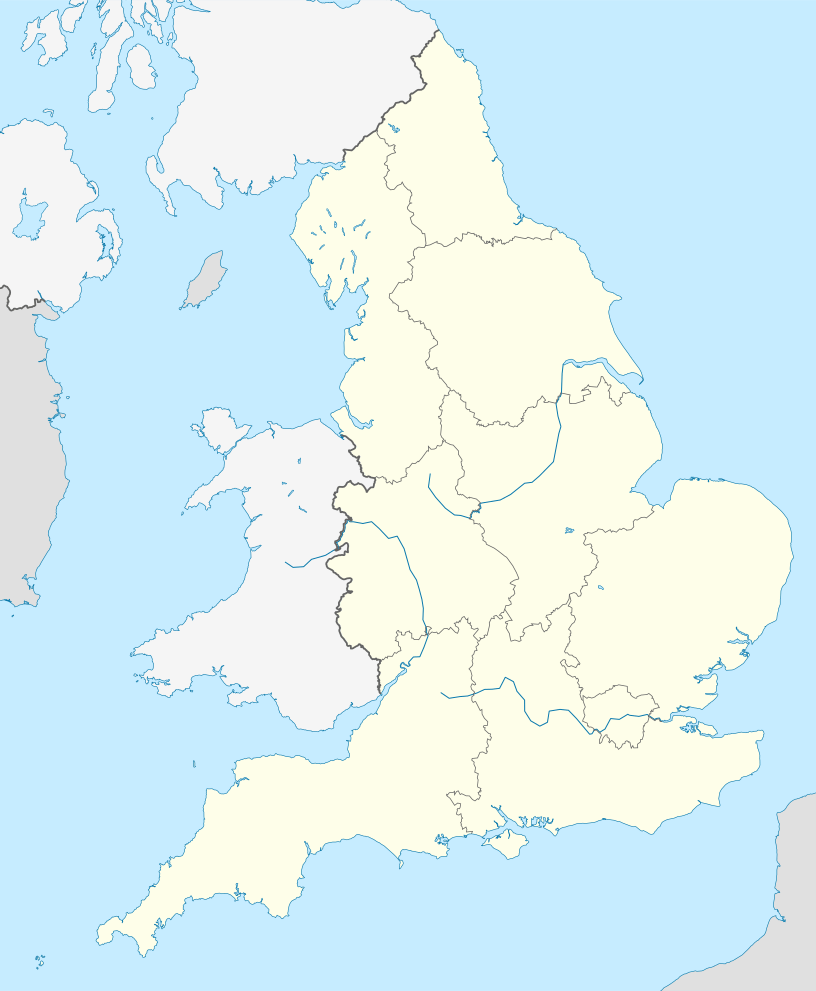
Short entry7.6 miles away
Woodside Nature Reserve
Shipley, near Ilkeston · Meadows, grassland, woodland and small wetlands
 the ai birderBirding near me
The AI Birder · one-page field sheet
Attenborough, Nottinghamshire, England · NG9 6DY · NG9 6DY

Kingfisher · Shoveler · Teal · Wigeon · Goldeneye · Goosander
Sand Martin Hide · Kingfisher Hide · Tower Hide · Delta Hide · Coneries Pond public path · Wet Marsh path
Check current access, hide closures and operator notices before travelling. Seasonal birds are possibilities, not promised sightings. Keep to authorised routes and give wildlife space.
Opening and charges checked 2026-10-18. Operator: https://www.nottinghamshirewildlife.org/nature-reserves/attenborough-nature-reserve
Full guide and current source links: https://aibirder.co.uk/reserves/attenborough-nature-reserve
EN 48 · Nottinghamshire Wildlife Trust reserve guide
Attenborough, Nottinghamshire, England · NG9 6DY
Winter wildfowl and summer sand martins across restored gravel-pit lakes.
Decide if the visit fits.
Last checked 18 October 2026.
Opening and charges information · checked .
Stay nearby →Reserve overview
Winter wildfowl and summer sand martins across restored gravel-pit lakes.
Eight checks for a smoother visit.
Conditions change: check the operator and transport notices before travelling.
January: Usually start at Coneries Pond public path for Shoveler, Teal, Tufted Duck and Goldeneye. A patient Kingfisher Hide session can add Kingfisher and a different water angle. For Bittern, follow the Trust’s current official hide advice without approaching reedbed cover. February: Winter wildfowl typically remain the focus from Coneries Pond public path. Compare Goosander and Goldeneye with the more numerous ducks, then try Tower Hide for Snipe. Keep the return inside the dusk car-park closure, even where another page gives a later reserve access time. March: Usually watch Great Crested Grebe activity from Coneries Pond public path and look for the first Sand Martins from Sand Martin Hide when access is available. The Delta Hide adds Oystercatcher and Grey Heron possibilities. Obtain the hide code before taking the longer walk. April: Typically give Sand Martin Hide time for feeding Sand Martins, then listen for Reed and Sedge Warblers from Wet Marsh path. Kingfisher Hide is worth a quiet settled watch. Use current bridge diversions and leave reed and island habitats undisturbed. May: Our choice is Sand Martin Hide followed by Wet Marsh path for Sand Martin, Reed Warbler and Sedge Warbler. Great Crested Grebe can reward Coneries Pond public path, and Kingfisher is a patient-watching target from Kingfisher Hide. Remain at authorised viewing places. June: Usually combine Sand Martin Hide for aerial feeding with Kingfisher Hide for Kingfisher. The Wet Marsh path offers Reed Warbler and Sedge Warbler by sound, while Delta Hide adds Oystercatcher. Keep the walk flexible when heat or heavy rain makes a longer route uncomfortable. July: Typically start at Coneries Pond public path for Great Crested Grebe and Tufted Duck, then listen along Wet Marsh path for warblers. Kingfisher Hide provides a settled second watch. Early returning Green Sandpiper is a scarcer possibility from Tower Hide where muddy margins remain. August: Usually compare Snipe and passage Green Sandpiper from Tower Hide with the grebes and ducks on Coneries Pond. Sand Martins may still feed over the water beside their hide. Watch exposed edges carefully; different water levels change which parts are attractive to waders. September: Tower Hide typically gives a useful scan for Snipe, Green Sandpiper and occasional Great White Egret. Coneries Pond public path supplies a comparison for returning Teal and Shoveler. A telescope is useful across open water, but binoculars suit the closer reed-edge watch. October: Usually watch Tower Hide’s Clifton Pond view for Snipe and check Wet Marsh path channels for Water Rail. Teal and Shoveler increase around Coneries Pond. Current bridge works and signed diversions take precedence over older maps showing a continuous circuit. November: Winter ducks usually make Coneries Pond public path the first stop for Shoveler, Wigeon and Goldeneye. Kingfisher Hide can reward a longer wait. For the seasonal Starling gathering, follow the Trust’s current official viewing advice and keep the birds’ resting areas undisturbed. December: Typically concentrate on Shoveler, Teal and diving ducks from the Coneries Pond public path, then Tower Hide for Snipe. A short Wet Marsh path listen may reveal Cetti’s Warbler or Water Rail. Choose a sheltered session and return before the car park shuts at dusk.
Best conditions: Our advice: typically start with a calm open-water scan, then a quiet reed-edge listen before the busiest part of the visitor day. Wind makes distant ducks harder to study and flooding can alter the available circuit. Light and scope choices are editorial; use a sheltered hide or change the lake angle when glare develops. For winter Starling watching use the Trust’s current authorised viewing advice.
Entry and prices checked 18 October 2026: reserve access is free. Parking is free for up to 30 minutes, £3 for up to two hours, £4 for up to four hours and £5 for longer visits or all day. Registered Nottinghamshire Wildlife Trust members, staff and the specified reserve volunteers are exempt; membership of a different Wildlife Trust does not automatically qualify. Payment is by card at the machines or through Park with Ease within the operator's stated 48-hour payment window. The operator’s conflicting reserve-access wording and dusk car-park gate closure are set out in Access times. Summer centre hours are weekdays 9am–5pm and weekends 9am–6pm, with the café closing half an hour earlier. After the clocks go back, both are listed as 9am–4pm daily. The centre closes on Christmas Day. Check current notices and the gate signs before travelling, including any flood-related restrictions.
Access times: Reserve: The visit page prints 08:00–20:00, while the main page gives the car park as 08:00–dusk. Plan the return around the actual gate notice. · Hides: Access codes are available from the nature centre; register for Delta Hide before walking there. A separate hide timetable is not published on the checked facilities page. · Car park: 08:00–dusk; gate closes at dusk. · Dawn access: partly. Operator opening information.
Attenborough combines former gravel-pit lakes, islands, wet woodland and open margins beside the Trent. The operator names the Tufted Duck route, Skylark trail and Kingfisher trail; choose among those signed routes after looking at the entrance information. Coneries Pond makes a useful first watch, while the Delta is the Trust's highlighted area for passage birds. The Sand Martin Hide offers a different perspective on a specialised breeding habitat. The Trust names Sand Martin, Kingfisher, Tower and Delta hides. Hide codes come from the nature centre; register for Delta access before walking out. The latest bridge update describes replacement works in October 2026, while linked maps retain older closure dates. Follow the current signed route without assuming a work programme proves reopening. Two-hour plan, editorial suggestion: start with a long look over Coneries Pond, then choose a compact section of the Kingfisher trail before returning to the nature centre. Give yourself time to identify a few ducks or watch a grebe feeding. A short outing can be rewarding without extending to the Delta: rushing there and back would leave less time to notice the birds close to the entrance. Full-day plan, editorial suggestion: begin with open-water scanning, continue around the signed lake routes towards the Delta and spend the quieter morning looking at wet margins. Break at the centre for lunch, then add a different trail through the woodland and lakeside habitats. Return to an earlier viewpoint in afternoon light to compare what has changed. If sand martins are your main interest, build a prolonged watch around their hide instead of treating it as a brief stop between walks. Study the habitat as well as the bird list. A diving duck can remain underwater long enough to vanish from a hurried count, while a kingfisher may use a quiet stretch of bank beyond the busiest feeding area. Stop at a suitable public viewpoint and wait through several cycles of activity. Keep islands and reed edges undisturbed, retain space for other hide users and avoid playback of bird calls. Flooded ground and signed restrictions require a shorter route, even if a map shows a continuous circuit. Keep your final chosen path compatible with the car park's closing time.
Use the linked reserve map and directions with current access notices. Species are typical seasonal targets. Light and telescope advice reflects our choice of viewpoint.
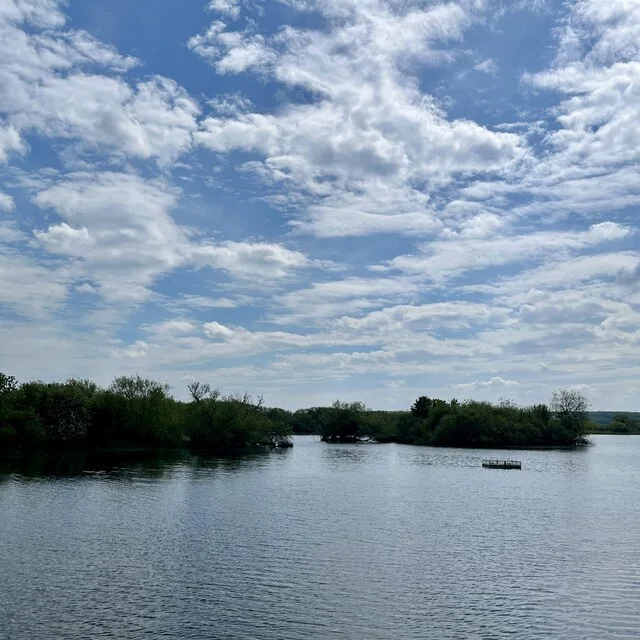
Coneries Pond from the hide behind the Nature Centre
Hide access codes are supplied by the nature centre; follow its current arrangements.
Winter: Teal, Tufted Duck
Spring: Sand Martin, Great Crested Grebe
Summer: Sand Martin, Cormorant
Autumn: Shoveler, Teal
Light: either. Scope: not needed.
Open water and reed edges towards Clifton Pond, plus the feeding station
Obtain the current hide access code through the nature centre.
Winter: Snipe, Teal
Spring: Kingfisher, Great Crested Grebe
Summer: Kingfisher
Autumn: Kingfisher, Snipe
Light: either. Scope: useful.
Wet Marsh path reedbeds, Clifton Pond and ridge-and-furrow wet grassland
Elevated hide; confirm the approach and your access requirements before travelling.
Winter: Snipe, Water Rail, Bittern
Spring: Great Crested Grebe, Bittern
Summer: Reed Warbler, Sedge Warbler
Autumn: Snipe, Green Sandpiper, Great White Egret, Bittern
Light: either. Scope: useful.
The Delta’s wetland channels and open-water margins
Register for its code at the centre before walking out; use current signed diversions.
Winter: Grey Heron
Spring: Oystercatcher
Summer: Oystercatcher, Cormorant
Autumn: Grey Heron
Light: either. Scope: useful.
Coneries Pond open water from the established lakeside route
Winter: Shoveler, Goldeneye, Goosander
Spring: Great Crested Grebe, Tufted Duck
Summer: Great Crested Grebe, Mallard
Autumn: Teal, Shoveler
Light: either. Scope: useful.
Reeds and open channels beside the signed Wet Marsh path
Winter: Water Rail, Cetti’s Warbler
Spring: Sedge Warbler, Reed Warbler
Summer: Reed Warbler, Sedge Warbler
Autumn: Water Rail, Cetti’s Warbler
Light: either. Scope: not needed.
| Spot | Overlooks | Key species by season | Best light | Scope | Tide |
|---|---|---|---|---|---|
| Sand Martin HideHide access codes are supplied by the nature centre; follow its current arrangements. | Coneries Pond from the hide behind the Nature Centre | Winter: Teal, Tufted Duck Spring: Sand Martin, Great Crested Grebe Summer: Sand Martin, Cormorant Autumn: Shoveler, Teal | either | not needed | — |
| Kingfisher HideObtain the current hide access code through the nature centre. | Open water and reed edges towards Clifton Pond, plus the feeding station | Winter: Snipe, Teal Spring: Kingfisher, Great Crested Grebe Summer: Kingfisher Autumn: Kingfisher, Snipe | either | useful | — |
| Tower HideElevated hide; confirm the approach and your access requirements before travelling. | Wet Marsh path reedbeds, Clifton Pond and ridge-and-furrow wet grassland | Winter: Snipe, Water Rail, Bittern Spring: Great Crested Grebe, Bittern Summer: Reed Warbler, Sedge Warbler Autumn: Snipe, Green Sandpiper, Great White Egret, Bittern | either | useful | — |
| Delta HideRegister for its code at the centre before walking out; use current signed diversions. | The Delta’s wetland channels and open-water margins | Winter: Grey Heron Spring: Oystercatcher Summer: Oystercatcher, Cormorant Autumn: Grey Heron | either | useful | — |
| Coneries Pond public path | Coneries Pond open water from the established lakeside route | Winter: Shoveler, Goldeneye, Goosander Spring: Great Crested Grebe, Tufted Duck Summer: Great Crested Grebe, Mallard Autumn: Teal, Shoveler | either | useful | — |
| Wet Marsh path | Reeds and open channels beside the signed Wet Marsh path | Winter: Water Rail, Cetti’s Warbler Spring: Sedge Warbler, Reed Warbler Summer: Reed Warbler, Sedge Warbler Autumn: Water Rail, Cetti’s Warbler | either | not needed | — |
Month chips show typical presence or our preferred viewing season. Choose birds that suit the time of your visit.
Season: Typically winter, when the Trust highlights Starling murmurations.. Arrival time: Use the operator’s current viewing advice and allow daylight for the return; no fixed gathering time is promised.. Do not follow flocks into reedbeds. The car park closes at dusk; choose a short return route and obey temporary access restrictions.
The Trust lists accessible trails, disabled parking, an accessible toilet and baby-changing provision. It describes the reserve as suitable for wheelchairs and pushchairs, but the appropriate circuit still depends on current ground conditions and individual equipment. Choose a destination and return distance with the centre team before committing to the longer lakeside paths, especially following rain or flooding beside the river. The centre facilities page says a wheelchair can be borrowed for the journey from car park to nature centre by contacting the team. Describe your requirements when making that arrangement rather than assuming that a chair will be waiting without a reservation. For a visitor who wants a satisfying short outing, a prolonged watch close to the centre may be more comfortable than completing a named trail. Ask about the particular hide entrance, viewing position and door arrangement relevant to your visit. The official pages do not publish a complete gradient and gate-width schedule, so discuss those details if they determine whether your chair, scooter or walking aid will fit. Keep any emergency or transfer needs part of that advance conversation.
The nature centre contains a café and shop, with toilets and picnic provision also listed by the Trust. The building looks over the water, making a refreshment break an opportunity to keep watching rather than interrupt the day completely. Take a packed lunch if you want to remain out beside a distant pool, and carry enough drink for the chosen circuit. The reserve is an outdoor setting, so a warm spare layer and protection for binoculars are useful even on a mild forecast.
Dogs must stay on leads around the reserve, with the Trust requesting short leads to reduce disturbance and contact with wild birds. Well-behaved dogs are welcome in the centre. Give grazing livestock and people who are less comfortable around dogs plenty of room, and keep away from feeding flocks at the water's edge.
Attenborough station offers a straightforward car-free approach. The Trust describes a five-minute walk from the station to the reserve and a further ten minutes to the nature centre. Use East Midlands Railway's station information and your date-specific rail itinerary, allowing extra time for a relaxed walk rather than treating the shortest estimate as a connection guarantee. The other official option is trentbarton's indigo bus between Nottingham, Long Eaton and Derby. The Trust directs visitors to the Chilwell Retail Park/West Point Shopping Centre stop, followed by a walk towards the reserve. Look for trentbarton’s indigo service and check the stop and direction on its current timetable. The bus operator publishes its own reserve trail and current timetable. Drivers use the Barton Lane approach to the visitor car park; avoid substituting parking on neighbouring residential roads for the signed arrival route. Nottingham, Beeston and Long Eaton provide different rail and accommodation bases for a longer visit.
Useful bases for an early start.
Booking.com links are affiliate links: we may earn a commission at no extra cost to you. How these links work.
About 2.7 miles by road, roughly 7 minutes’ drive (OSRM estimate measured 18 October 2026).
Measured driving route · 18 October 2026. Map estimates exclude live traffic.
A nearby town with rail connections.Find places to stay in Beeston on Booking.comAbout 7.5 miles by road, roughly 20 minutes’ drive (OSRM estimate measured 18 October 2026).
Measured driving route · 18 October 2026. Map estimates exclude live traffic.
A city base with buses and rail for the reserve.Find places to stay in Nottingham on Booking.comAbout 1.6 miles by road, roughly 4 minutes’ drive (OSRM estimate measured 18 October 2026).
Measured driving route · 18 October 2026. Map estimates exclude live traffic.
A compact base west of the lakes.Find places to stay in Long Eaton on Booking.comExplore Nottinghamshire’s full guides and smaller birding sites
Attenborough Nature Centre can be contacted on 0115 972 1777 or enquiries@attenboroughnaturecentre.co.uk. Its address is Barton Lane, Attenborough, Nottinghamshire NG9 6DY. Contact the centre before bringing a large group or arranging wheelchair borrowing, describing the practical help you need and intended date. The Trust's reserve page links its events programme, while the plan-your-visit page brings together current parking and centre arrangements. Keep those operator details available when organising the day.
Check Nottinghamshire Birdwatchers: reserve and county reports. frequently as reports are submitted Reports show what has been seen, not what will be.
Follow the BTO Birders’ Code and give wildlife space.
Attenborough Nature Reserve: Free reserve entry; parking 30 minutes free, then £3/2h, £4/4h or £5/day.
Attenborough Nature Reserve: Dogs must stay on leads around the reserve, with the Trust requesting short leads to reduce disturbance and contact with wild birds.
Attenborough Nature Reserve: Winter ducks · spring and summer wetland birds.
Attenborough Nature Reserve: The Trust lists accessible trails, disabled parking, an accessible toilet and baby-changing provision.
Attenborough Nature Reserve: Attenborough station offers a straightforward car-free approach.
Shorter stops within 15 miles in a straight line. Use the operator’s arrival directions for the journey.
Shipley, near Ilkeston · Meadows, grassland, woodland and small wetlands
Jacksdale to Langley Mill · Floodplain meadow, wetland, ponds and old canal
Copt Oak, Charnwood Forest · Heath grassland, woodland, reservoir and ponds
Copt Oak · Ancient broadleaved woodland and regenerating field
Mountsorrel · Floodplain grassland, scrapes, pools and wet woodland
Syston Road, Cossington · Lakes, wet grassland, scrapes and river margins
Willington · Flooded gravel pits, wetland, reedbed and scrub
Nearby complete guides.
Stops with a purpose: use one as a contrasting habitat or weather-proof Plan B. Distances are straight-line estimates, not road journeys.