
Short entry0.9 miles away
Budby South Forest
Budby · Heathland and woodland
 the ai birderBirding near me
The AI Birder · one-page field sheet
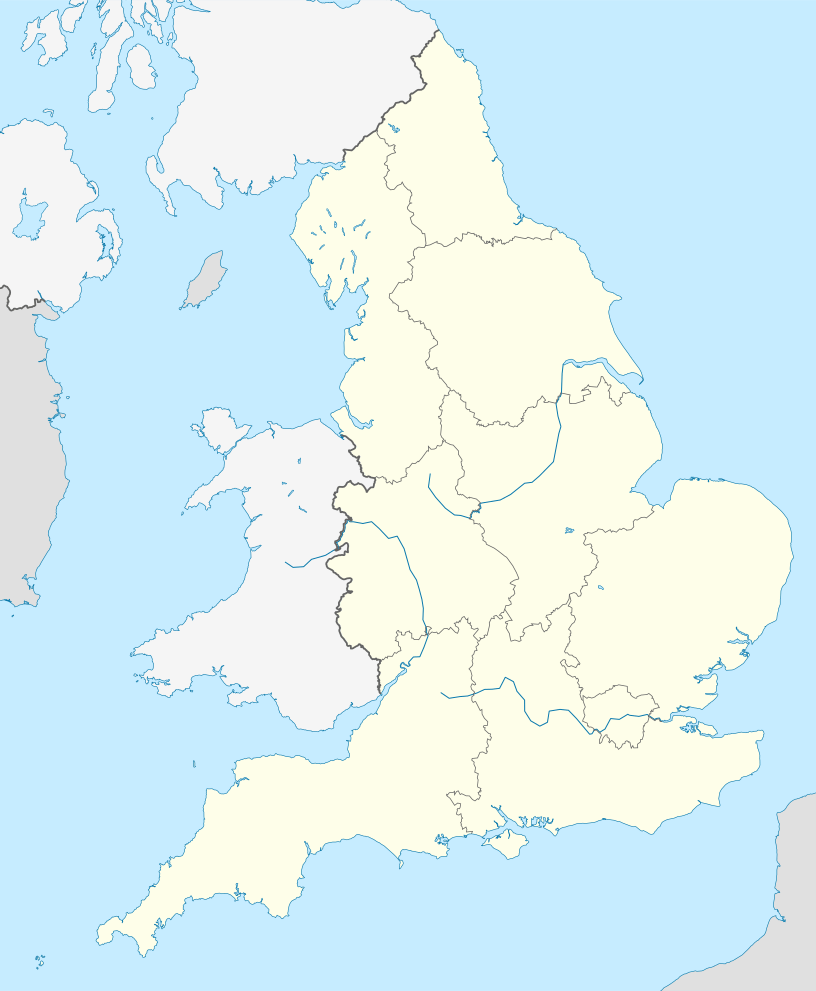
Edwinstowe, Nottinghamshire, England · NG21 9QB · NG21 9QB

Marsh Tit · Nuthatch · Treecreeper · Goldcrest · Great Spotted Woodpecker · Green Woodpecker
Major Oak Trail public woodland path · Greenwood Trail woodland and glade edges · Wildwood Trail public woodland path · Budby South Forest public heathland paths
Check current access, hide closures and operator notices before travelling. Seasonal birds are possibilities, not promised sightings. Keep to authorised routes and give wildlife space.
Opening and charges checked 2026-10-18. Operator: https://www.rspb.org.uk/days-out/reserves/sherwood-forest
Full guide and current source links: https://aibirder.co.uk/reserves/rspb-sherwood-forest
EN 109 · RSPB reserve guide
Edwinstowe, Nottinghamshire, England · NG21 9QB
Slow woodland birdwatching among veteran oaks, with a practical visitor centre and routes towards the Major Oak.
Decide if the visit fits.
Last checked 18 October 2026.
Opening and charges information · checked .
Stay nearby →Reserve overview
Slow woodland birdwatching among veteran oaks, with a practical visitor centre and routes towards the Major Oak.
Eight checks for a smoother visit.
Conditions change: check the operator and transport notices before travelling.
January: typically look for Marsh Tit from Major Oak Trail public woodland path. Listen from the named public trail without approaching a cavity or using playback. Nightjar and Woodlark can be watched from the public Budby heathland paths; plan that separate area using current access advice. February: typically look for Lesser Spotted Woodpecker from Major Oak Trail public woodland path. Listen from the named public trail without approaching a cavity or using playback. Nightjar and Woodlark can be watched from the public Budby heathland paths; plan that separate area using current access advice. March: typically look for Great Spotted Woodpecker from Major Oak Trail public woodland path. Listen from the named public trail without approaching a cavity or using playback. Nightjar and Woodlark can be watched from the public Budby heathland paths; plan that separate area using current access advice. April: typically look for Redstart from Greenwood Trail woodland and glade edges. Listen from the named public trail without approaching a cavity or using playback. Nightjar and Woodlark can be watched from the public Budby heathland paths; plan that separate area using current access advice. May: typically look for Garden Warbler from Greenwood Trail woodland and glade edges. Listen from the named public trail without approaching a cavity or using playback. Nightjar and Woodlark can be watched from the public Budby heathland paths; plan that separate area using current access advice. June: typically look for Spotted Flycatcher from Major Oak Trail public woodland path. Listen from the named public trail without approaching a cavity or using playback. Nightjar and Woodlark can be watched from the public Budby heathland paths; plan that separate area using current access advice. July: typically look for Nuthatch from Major Oak Trail public woodland path. Listen from the named public trail without approaching a cavity or using playback. Nightjar and Woodlark can be watched from the public Budby heathland paths; plan that separate area using current access advice. August: typically look for Treecreeper from Wildwood Trail public woodland path. Listen from the named public trail without approaching a cavity or using playback. Nightjar and Woodlark can be watched from the public Budby heathland paths; plan that separate area using current access advice. September: typically look for Jay from Greenwood Trail woodland and glade edges. Listen from the named public trail without approaching a cavity or using playback. Nightjar and Woodlark can be watched from the public Budby heathland paths; plan that separate area using current access advice. October: typically look for Redwing from Wildwood Trail public woodland path. Listen from the named public trail without approaching a cavity or using playback. Nightjar and Woodlark can be watched from the public Budby heathland paths; plan that separate area using current access advice. November: typically look for Goldcrest from Major Oak Trail public woodland path. Listen from the named public trail without approaching a cavity or using playback. Nightjar and Woodlark can be watched from the public Budby heathland paths; plan that separate area using current access advice. December: typically look for Stock Dove from Wildwood Trail public woodland path. Listen from the named public trail without approaching a cavity or using playback. Nightjar and Woodlark can be watched from the public Budby heathland paths; plan that separate area using current access advice.
Best conditions: Usually choose a calm spring morning for song and late-winter drumming, fitting the published visitor access. Wind in the canopy makes small birds harder to hear and can cause tree-safety closures. In full summer leaf, give a mixed flock time to pass instead of following calls off the trail. Use only official arrangements for evening heathland birds.
Admission and parking checked 18 October 2026: entry for adults and children is free. Ordinary car parking is £7 for non-members and free for RSPB members; special events can charge all visitors, so check the event notice for your date. The main car-park postcode is NG21 9QB. Accessible parking beside the visitor centre uses NG21 9RN and is a different approach. Check the current RSPB and Visit Sherwood pages before travel, because opening arrangements and tree-safety work can affect routes. Ordinary admission does not include a paid guided activity or special-event ticket. Choose a mapped woodland trail and leave time to listen before moving to the next habitat, keeping any Budby addition as a separately planned part of the day.
Access times: Reserve: Retrieved RSPB October 2026 calendar lists nature reserve 10:00–16:00. Public rights of way may differ, but unrestricted dawn reserve access is not promised. · Hides: No public enclosed bird-hide network advertised. The table uses named waymarked woodland trails; visitor centre/toilets/café/shop 10:00–16:00 in retrieved calendar. · Car park: Retrieved October 2026 calendar 09:00–16:00; check your actual date and event arrangements. · Dawn access: no. Operator opening information.
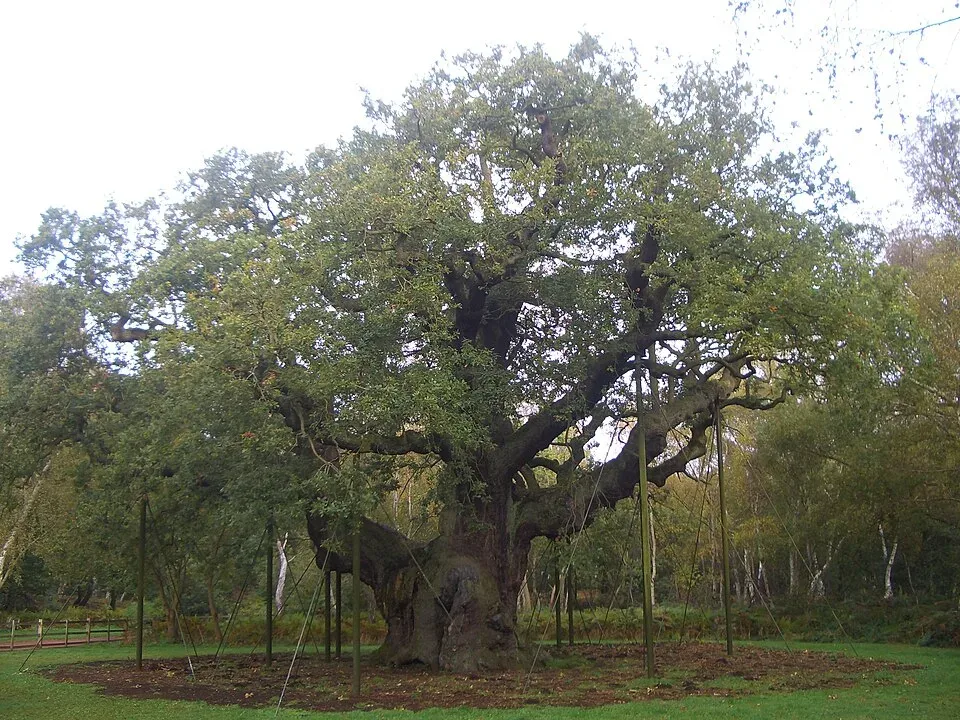
Start at the visitor centre, collect or download the current trail map and choose a route whose length leaves room for birdwatching stops. The Major Oak is an obvious first destination, but a birding visit should move slowly through the woodland rather than treating the tree as a finish line. Pause where you can see several levels of vegetation and watch for feeding movements before trying to identify every call. Veteran trees and fallen wood are part of the habitat, so keep behind any protective barriers and leave loose bark and branches in place. Two-hour plan, our suggestion: take a short mapped woodland route towards the Major Oak, stopping regularly to listen and inspect moving flocks. Spend time looking around a quiet section away from the busiest gathering, then return for a centre break without racing the car-park closing time. Full-day plan, our suggestion: make the morning a patient woodland watch, take lunch near the visitor facilities, and choose a second signed trail with a different edge or canopy structure in the afternoon. Discuss a Budby addition with staff if you want heathland habitat; it is a separate area whose route and access need their own planning. Sensitive breeding birds and evening species should be watched only through official public routes or advertised guided events. Do not follow calls off the path to a cavity, remove dead wood to reveal an insect, or use playback to make a quiet woodland feel busier. A useful woodland exercise is to choose a place with a view of trunk, lower branches and canopy, then remain there through several minutes of apparent quiet. Notice whether a bird climbs, hangs below a twig or moves in short bursts between trees. These movements help distinguish species when leaves hide plumage. Watch a mixed flock pass completely before following along the public path; the final individuals may differ from the first. If you carry a camera, resist the temptation to circle an occupied tree. A good sightline from the trail gives both other visitors and the birds enough space to continue naturally.
Use the linked reserve map and directions with current access notices. Species are typical seasonal targets. Light and telescope advice reflects our choice of viewpoint.
Veteran oak woodland, trunks and canopy
Stay on public trail and behind tree-protection barriers; do not follow birds to cavities.
Winter: Marsh Tit, Nuthatch, Treecreeper, Goldcrest
Spring: Lesser Spotted Woodpecker, Great Spotted Woodpecker, Nuthatch
Summer: Spotted Flycatcher, Nuthatch, Treecreeper
Autumn: Jay, Redwing, Marsh Tit
Light: either. Scope: not needed.
Open woodland edges and glades
Operator identifies this trail for Redstart; follow current tree-safety diversions.
Winter: Jay, Goldcrest, Green Woodpecker
Spring: Redstart, Chiffchaff, Willow Warbler
Summer: Redstart, Garden Warbler, Cuckoo
Autumn: Jay, Redwing, Goldcrest
Light: either. Scope: not needed.
Quieter woodland, grazing-enclosure edges and canopy
Use marked routes and gates; no entry to protected trees or private enclosures.
Winter: Stock Dove, Jackdaw, Treecreeper
Spring: Redstart, Willow Warbler, Green Woodpecker
Summer: Spotted Flycatcher, Garden Warbler, Chiffchaff
Autumn: Jay, Stock Dove, Redwing
Light: either. Scope: not needed.
Open heath and woodland edge from the public pathways of Budby South Forest
Keep to public paths and follow seasonal dog restrictions and current reserve notices. Do not approach nesting habitat.
Winter: Woodlark
Spring: Woodlark, Nightjar
Summer: Woodlark, Nightjar
Autumn: Nightjar
Light: either. Scope: not needed.
| Spot | Overlooks | Key species by season | Best light | Scope | Tide |
|---|---|---|---|---|---|
| Major Oak Trail public woodland pathStay on public trail and behind tree-protection barriers; do not follow birds to cavities. | Veteran oak woodland, trunks and canopy | Winter: Marsh Tit, Nuthatch, Treecreeper, Goldcrest Spring: Lesser Spotted Woodpecker, Great Spotted Woodpecker, Nuthatch Summer: Spotted Flycatcher, Nuthatch, Treecreeper Autumn: Jay, Redwing, Marsh Tit | either | not needed | — |
| Greenwood Trail woodland and glade edgesOperator identifies this trail for Redstart; follow current tree-safety diversions. | Open woodland edges and glades | Winter: Jay, Goldcrest, Green Woodpecker Spring: Redstart, Chiffchaff, Willow Warbler Summer: Redstart, Garden Warbler, Cuckoo Autumn: Jay, Redwing, Goldcrest | either | not needed | — |
| Wildwood Trail public woodland pathUse marked routes and gates; no entry to protected trees or private enclosures. | Quieter woodland, grazing-enclosure edges and canopy | Winter: Stock Dove, Jackdaw, Treecreeper Spring: Redstart, Willow Warbler, Green Woodpecker Summer: Spotted Flycatcher, Garden Warbler, Chiffchaff Autumn: Jay, Stock Dove, Redwing | either | not needed | — |
| Budby South Forest public heathland pathsKeep to public paths and follow seasonal dog restrictions and current reserve notices. Do not approach nesting habitat. | Open heath and woodland edge from the public pathways of Budby South Forest | Winter: Woodlark Spring: Woodlark, Nightjar Summer: Woodlark, Nightjar Autumn: Nightjar | either | not needed | — |
Month chips show typical presence or our preferred viewing season. Choose birds that suit the time of your visit.
Sherwood has an accessible car park beside the visitor centre, two accessible toilets and a Changing Places facility. These make it a comparatively practical woodland choice for visitors needing substantial facilities at the start of the day. The RSPB advertises a mobility scooter at £3 an hour, available by advance arrangement; same-day reservations are not offered. Contact the reserve before travelling if the scooter is essential. Read its linked AccessAble survey for details of surfaces, slopes, entrances and facilities relevant to your needs. A visitor-centre access provision does not establish that every woodland path is suitable for the same equipment. Explain the route you hope to use and whether you need a turning space, frequent seats or a short return. For a pushchair, ask which current trail is most manageable after wet weather. Visitors who find crowd noise difficult may prefer a quiet weekday and a short trail before a café break. Leave the Major Oak's busier viewpoint when you need a rest; there is no need to stand in a crowd to enjoy the surrounding woodland birds.
The visitor centre includes toilets, café and shop, and the nearby village provides further choices. The RSPB notes that the centre toilets are the only ones on the reserve, so use them before a longer woodland walk. Carry water and a snack even if you intend to eat at the café later. Barbecues are not permitted at RSPB Sherwood Forest because of fire risk. Take care with straps and tripods around other walkers, and keep the path clear while stopping to listen.
Dogs are permitted under effective control, within sight and recall. Follow all signs requiring leads, especially during the stated breeding period of 1 March–31 August. Keep dogs away from feeding birds and from the protected ground around veteran trees. A shorter lead is helpful when passing families, mobility aids or another birdwatcher using a telescope.
The RSPB identifies Stagecoach's Sherwood Arrow as a direct public-transport option between Nottingham, Worksop and Sherwood Forest, with a stop at the visitor centre. Check the current Stagecoach timetable for your date and final return, making this a more useful car-free plan than an improvised rural station walk. Mansfield Woodhouse on the Robin Hood railway line is listed as the closest station, about six miles away; arrange a connecting bus or taxi rather than treating that as walking distance for a relaxed reserve day. Drivers use the B6034 Swinecote Road entrance, following signs from the surrounding main roads. The main postcode also serves a neighbouring residential street, so obey the reserve signs instead of turning into housing. Sustrans route 6 passes the western side of the reserve, and the Robin Hood Way runs through Edwinstowe. Lock cycles at the appropriate visitor facility and continue along the permitted walking route.
Useful bases for an early start.
Booking.com links are affiliate links: we may earn a commission at no extra cost to you. How these links work.
About 0.4 miles by road, roughly 1 minutes’ drive to the public visitor approach. OSRM measured the Edwinstowe journey for RSPB Sherwood Forest on 18 October 2026; the estimate excludes live traffic.
Measured driving route · 2026-10-18. Map estimates exclude live traffic.
A nearby Edwinstowe base for an unhurried start at RSPB Sherwood Forest.Find places to stay in Edwinstowe on Booking.comAbout 7.6 miles by road, roughly 16 minutes’ drive to the public visitor approach. OSRM measured the Mansfield journey for RSPB Sherwood Forest on 18 October 2026; the estimate excludes live traffic.
Measured driving route · 2026-10-18. Map estimates exclude live traffic.
Compare stays in Mansfield if this measured approach fits your wider route.Find places to stay in Mansfield on Booking.comAbout 8.3 miles by road, roughly 13 minutes’ drive to the public visitor approach. OSRM measured the Worksop journey for RSPB Sherwood Forest on 18 October 2026; the estimate excludes live traffic.
Measured driving route · 2026-10-18. Map estimates exclude live traffic.
Consider Worksop when its location suits the other places in your itinerary.Find places to stay in Worksop on Booking.comExplore Nottinghamshire’s full guides and smaller birding sites
Contact Sherwood Forest at sherwoodforest@rspb.org.uk or 01623 677321. Reserve a mobility scooter before the day if needed, and include your arrival date and practical requirements. Groups of ten or more should use the published group-booking arrangements. The RSPB reserve pages provide charges, opening times and transport, while visitsherwood.co.uk carries the wider trail and event information. Use the current event calendar when deciding whether the ordinary parking tariff applies to your visit.
Check Nottinghamshire Birdwatchers actual county sightings. daily dated county reports;18October 2026 observations reviewed Reports show what has been seen, not what will be.
Follow the BTO Birders’ Code and give wildlife space.
RSPB Sherwood Forest: Free entry; ordinary non-member parking £7; members free; event charges may differ.
RSPB Sherwood Forest: Dogs are permitted under effective control, within sight and recall.
RSPB Sherwood Forest: Year-round · spring woodland birds.
RSPB Sherwood Forest: Sherwood has an accessible car park beside the visitor centre, two accessible toilets and a Changing Places facility.
RSPB Sherwood Forest: The RSPB identifies Stagecoach's Sherwood Arrow as a direct public-transport option between Nottingham, Worksop and Sherwood Forest, with a stop at the visitor centre.
Shorter stops within 15 miles in a straight line. Use the operator’s arrival directions for the journey.
Budby · Heathland and woodland
Bolsover · Open water, marsh, wet and dry grassland, scrub and trees
North Road, Retford · Lakes, wetlands, grassland, woodland and scrub
Wood Lane, east of Retford · Ancient ash, oak and field maple woodland with ponds and rides
Daneshill Road between Torworth and Lound · Flooded gravel pits, damp willow woodland, drier woodland and grassland
Jacksdale to Langley Mill · Floodplain meadow, wetland, ponds and old canal
Nearby complete guides.
Stops with a purpose: use one as a contrasting habitat or weather-proof Plan B. Distances are straight-line estimates, not road journeys.