Glastonbury
Best for the shortest town-based approach, independent rooms and places to eat before an afternoon roost visit.
Find stays in Glastonbury on Booking.com the ai birderBirding near me
Responsible wildlife guide
Start with Ham Wall and Shapwick Heath in the Avalon Marshes for a November–February starling visit, using the operators’ current roost instructions. Newport Wetlands is another October–February option, while Teifi Marshes has November–February guidance. The watching position can change as the birds move, so plan from current authorised advice rather than an old photograph. Arrive with time to find the permitted route and leave roosting birds undisturbed.
For an Avalon Marshes Starling visit, plan a November–February afternoon around current official Ham Wall and Shapwick Heath advice, arrive before dusk and treat the previous night’s reserve information as guidance rather than a guarantee.
Compare these public visit choices using each bird’s local guide season. Months describe bird records, not event or sailing dates. Check current operator access; sightings are never guaranteed.
| Site | Type of view | Best months | Notes and sources |
|---|---|---|---|
| RSPB Ham Wall Starling | Operator-directed watch | January, February, November, December | Use current operator roost instructions, not a fixed roost location. Official source · Source review: 19 October 2026. |
| Shapwick Heath National Nature Reserve Starling | Operator-directed watch | January, February, November, December | Use current Avalon Marshes instructions; no fixed roost location is published. Official source · Source review: 19 October 2026. |
| RSPB Newport Wetlands Starling | Operator-directed watch | January, February, October, November, December | Ask the operator for the current authorised watching arrangement. Official source · Source review: 19 October 2026. |
| Teifi Marshes Nature Reserve Starling | Public route | January, February, November, December | Wetland Trail. 2.8km route on the current map. The centre identifies four accessible hides on its Wetland Trail; ask which approaches suit your needs after flooding. Official source · Source review: 19 October 2026. |
| RSPB Marazion Marsh Starling | Public viewpoint | October, November, December | Seafront pavement viewing bay. Official pavement bay; keep the pavement clear and do not enter the reedbed. Official source · Source review: 19 October 2026. |
| Blashford Lakes Starling | Hide / observatory | January, February, October, November, December | Viewpoint near Tern Hide. Operator identifies this viewpoint for murmurations. Use current opening and access advice; keep an unobstructed exit before darkness. Official source · Source review: 19 October 2026. |
Plan a responsible starling-roost visit, understand murmurations and explore Ham Wall and Shapwick Heath through the winter.
NearestBase is a relevant existing-guide base for the stated arrival, not a new accommodation inspection or an independently ranked distance comparison.
| Place | Season | Access and booking | Nearby base |
|---|---|---|---|
| RSPB Ham Wall | November–end of February, with timing governed by local sunset. | Public paths and official current viewing advice; capacity limits and gate times apply. Official visit/booking instructions | Glastonbury |
| Shapwick Heath National Nature Reserve | Early November–late February or early March in Avalon Marshes guidance. | Use permitted public access and current Natural England/Avalon Marshes advice; no fixed roost approach published. Official visit/booking instructions | Glastonbury |
Ordinary public-path visits differ from guided events and group arrangements. Follow the operator’s current instructions for the type of visit.
When parking reaches capacity, do not queue or park on narrow roads, verges or gateways. Choose another day rather than searching for an unofficial approach.
No fixed roost pin or reedbed approach is supplied. Follow current official public viewing advice, stay on paths and keep habitat and emergency access clear.
Some links earn us a small commission at no extra cost to you. These are settlement search bases, with no promise of availability.
Best for the shortest town-based approach, independent rooms and places to eat before an afternoon roost visit.
Find stays in Glastonbury on Booking.comBest for practical hotels, shopping and Castle Cary rail-link connections.
Find stays in Street on Booking.comBest for a longer Somerset stay with city facilities and a range of hotels and guesthouses.
Find stays in Wells on Booking.com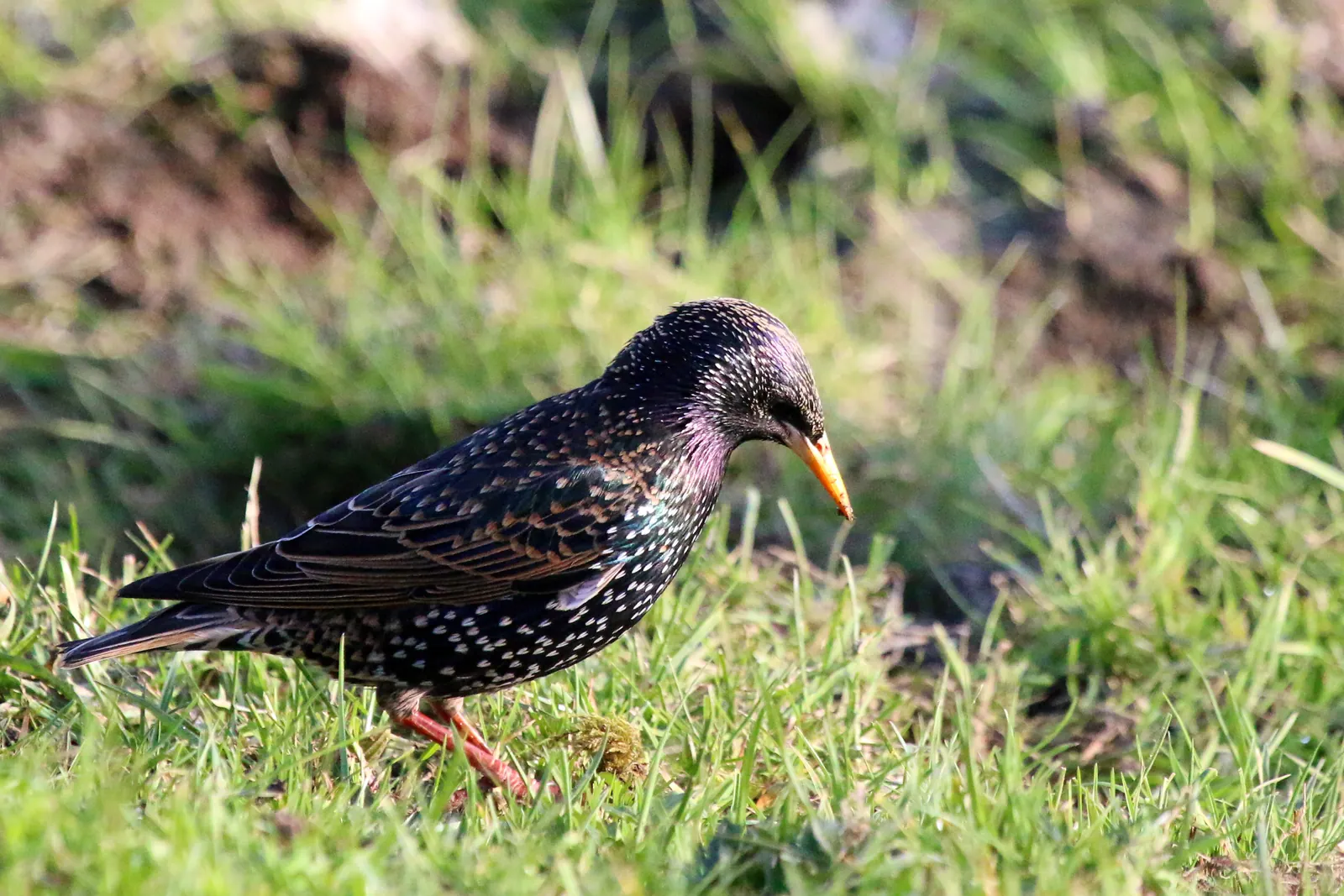
A murmuration is the flowing shape made by many Starlings flying together before settling into a communal roost. Separate streams of birds arrive from their daytime feeding areas, gather above the landscape and sometimes form a changing cloud. A flock may stretch into a ribbon, tighten into a dark ball or sweep across the sky in layers. The movement can be spectacular, but an evening can also consist of a fairly direct arrival into cover. Watching the birds settle is worthwhile even when there is no elaborate aerial display.
Each bird responds to those around it, allowing the flock to change direction together. Communal roosting offers safety in numbers and a place to spend the night; the RSPB also describes possible benefits involving warmth and information about feeding areas. Treat those explanations as reasons scientists investigate the behaviour, rather than assuming every turn has one simple purpose. A hunting raptor can affect the flock’s movement, but visitors should never attempt to make the birds fly for a photograph.
Starlings are present in the UK throughout the year, with winter numbers increased by birds arriving from northern Europe. The enormous communal gatherings are usually a cold-season feature. At the Avalon Marshes, birds gather from November and remain until late February or the start of March. The number, flight pattern and exact roosting area vary through the season. A date on a calendar tells you when a visit is plausible; it cannot tell you how that particular evening will unfold.
Spend some of the day watching smaller groups. Starlings usually feed across fields and short grass, probing for food, before commuting towards the roost later. In good light the apparently black plumage shows gloss and pale speckling. Calls, whistles and mimicry add another layer to the experience. The noisy individual on a roof and the bird inside the vast dusk flock are the same species, using very different settings within one day.
Ham Wall and Shapwick Heath are neighbouring wetland reserves on the Somerset Levels, managed by the RSPB and Natural England respectively. Reedbeds, lakes and wet woodland make the area rewarding before the Starlings arrive: Bitterns, Great White Egrets and Marsh Harriers are central daytime attractions. Use a full guide to choose an entrance and walking route, then leave enough time to reach the advised roost viewpoint without rushing.
The roost moves between the two reserves. The RSPB’s automated Starling Hotline, 07866 554142, operates from 1 November to 28 February and tells you which reserve held the birds on the previous night. That is valuable planning context, not a promise about tonight. Listen before travelling and follow current directions when you reach the designated arrival area. Do not scatter across side paths or enter reeds to locate the flock.
For the evening, RSPB advises aiming to arrive at 2pm and by 3.30pm at the latest, allowing up to half an hour to walk. Use the actual sunset time when planning later in the season. Warm layers, stout footwear and a torch help with the wait and return. The dawn departure offers another experience: birds typically leave about half an hour before sunrise, so reach the authorised viewpoint earlier. Sunrise changes through winter; a fixed clock time is not suitable for every visit.
Keep to public paths and designated viewing areas. Give the birds space to approach and settle, avoid flash and intrusive lighting, and point a torch down at the return path. Never use playback, throw objects or move towards the reeds to provoke a flight. Keep conversation considerate when other visitors are listening or watching, and leave enough space for people to pass behind cameras and telescopes.
Weekends and Christmas are particularly busy. Use the designated car parks, accept that a full site may mean returning another day, and do not queue or park along roads, verges or gateways. A quieter weekday or dawn visit can make the experience easier to share. Arrange return transport before walking out; a rural daytime bus is not automatically an evening service.
Dog rules differ between the reserves. Shapwick Heath does not permit dogs except registered or accredited assistance dogs. Ham Wall permits short-lead dogs only on its specified public routes, excluding several wildlife trails and the Avalon Hide approach. Read the relevant guide before choosing a route. Leave no litter, take food packaging home, and respect staff instructions even when another viewpoint looks tempting.
The RSPB’s Starling Roost page identifies other reserves where winter roosts may be watched, including Leighton Moss, Newport Wetlands, Dungeness and Saltholme. These are useful starting points for regional research, rather than interchangeable alternatives with identical facilities. Check the relevant reserve page for the season, parking and authorised viewing arrangements before setting out.
A responsible visit begins with a suitable place and a realistic return journey. Spend time learning the landscape instead of judging an evening only by flock size. The gradual arrival of small groups, the sound of wings and the sudden quiet after the birds disappear into reeds can be as memorable as the largest shape in the sky.
Decide what you most want to remember before the birds arrive. For one person it will be the changing outline against the sky; for another, the sound of arriving groups or the contrast between movement and sudden stillness. Choose a comfortable public position that lets you notice those things, rather than an imagined camera angle that would require moving around other visitors. The RSPB and Avalon Marshes guidance both make current authorised watching arrangements more useful than a remembered photograph from another evening.
Try leaving the phone in your pocket for the beginning of the watch. Notice how separate groups enter the wider view and whether the gathering changes gradually or quickly. A brief note afterwards can preserve that sequence without making you choose between looking at a screen and following the real movement. If you do take pictures, select a short moment for them, then return to watching. There is no obligation to document every shape or prove the scale of a flock with a continuous recording.
When the birds have settled, let the outing finish without searching for another way to expose them. Give other people room to collect their belongings and follow the legitimate return route quietly. Later, distinguish your own observation from the background information that helped you plan: the season suggested a plausible visit, while the actual flight and sound belonged to that particular evening. That distinction makes an honest account more interesting than a promise that everybody who repeats the journey will see the same display.
These rows use existing reserve watching-place records and typical local seasons. Sensitive locations are withheld. Follow current operator restrictions.
| Reserve and public watching place | Typical months | Best light | Scope |
|---|---|---|---|
| RSPB Cors Ddyga: Lôn Las Cefni public cycle path | January, February, October, November, December | either | useful |
| Teifi Marshes Nature Reserve: Wetland Trail | January, February, November, December | either | not needed |
| RSPB Marazion Marsh: Seafront pavement viewing bay | October, November, December | either | useful |
| RSPB Langford Lowfields: Corfe Castle 360 Viewing Area | November, December, January, February | either | useful |
| RSPB Dunnet Head: Summit viewpoint | November, December, January, February | either | useful |
| Fair Isle Bird Observatory: Public road through the crofting area | January, February, March, April, May, June, July, August, September, October, November, December | either | useful |
| Blashford Lakes: Viewpoint near Tern Hide | January, February, October, November, December | either | useful |
| Slapton Ley National Nature Reserve: Slapton Bridge viewing platform | October, November, December | either | useful |
| RSPB Fetlar: Signed Funzie hide approach | January, February, March, April, May, June, July, August, September, October, November, December | either | not needed |
The months below come from each reserve’s local birding guide. They describe typical presence or a preferred watching season; national occurrence can be broader. Reports show past observations and cannot promise an encounter. Sensitive birds have no published watching position.
| Species | Reserve guide | Typical or preferred months |
|---|---|---|
| Starling | RSPB Newport Wetlands | January, February, October, November, December |
| Starling | RSPB Mersehead | January, February, November, December |
| Starling | RSPB Frampton Marsh | January, February, November, December |
| Starling | RSPB Cors Ddyga | January, February, October, November, December |
| Starling | Teifi Marshes Nature Reserve | January, February, November, December |
| Starling | RSPB Ham Wall | January, February, November, December |
| Starling | Shapwick Heath National Nature Reserve | January, February, November, December |
| Starling | Potteric Carr | January, February, November, December |
| Starling | Attenborough Nature Reserve | November, December, January, February |
| Starling | RSPB Marazion Marsh | October, November, December |
| Starling | RSPB North Warren | January, February, November, December |
| Starling | Brandon Marsh Nature Reserve | January, February, November, December |
| Starling | RSPB Langford Lowfields | November, December, January, February |
| Starling | RSPB Dunnet Head | November, December, January, February |
| Starling | Fair Isle Bird Observatory | January, February, March, April, May, June, July, August, September, October, November, December |
| Starling | Blashford Lakes | January, February, October, November, December |
| Starling | Slapton Ley National Nature Reserve | October, November, December |
| Starling | RSPB Fetlar | January, February, March, April, May, June, July, August, September, October, November, December |
Public places covered in this guide include RSPB Newport Wetlands, RSPB Mersehead, RSPB Frampton Marsh.
November to the start of March in the Avalon Marshes
Keep to authorised viewpoints, allow the birds to settle and never provoke a flock into flight.
Reviewed 2026-10-19.