

EN 107 · Field Studies Council reserve guide
Slapton Ley National Nature Reserve
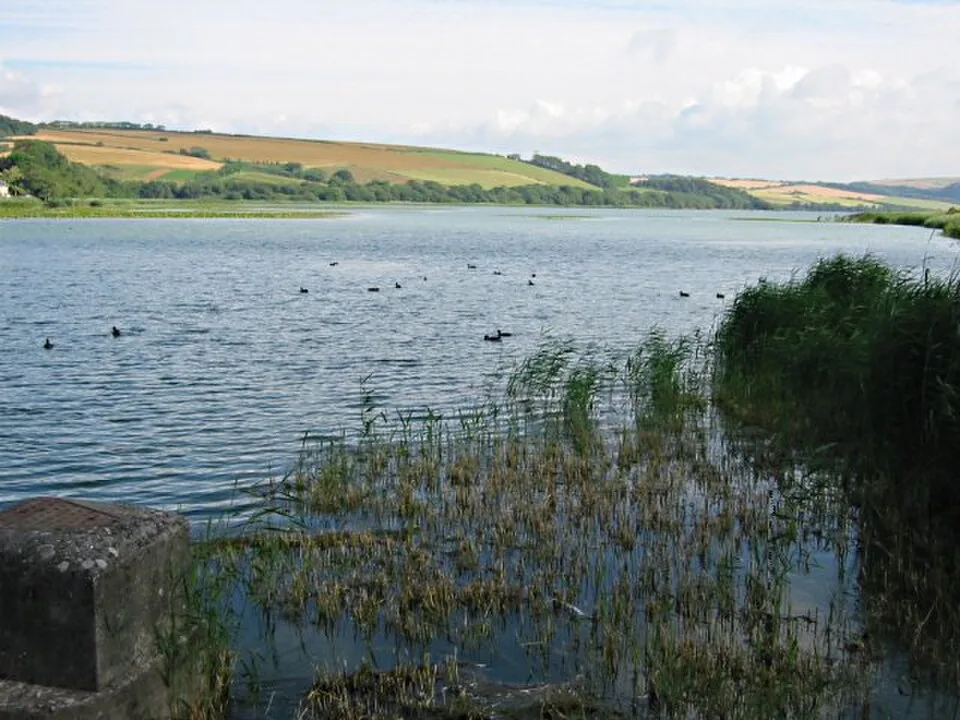
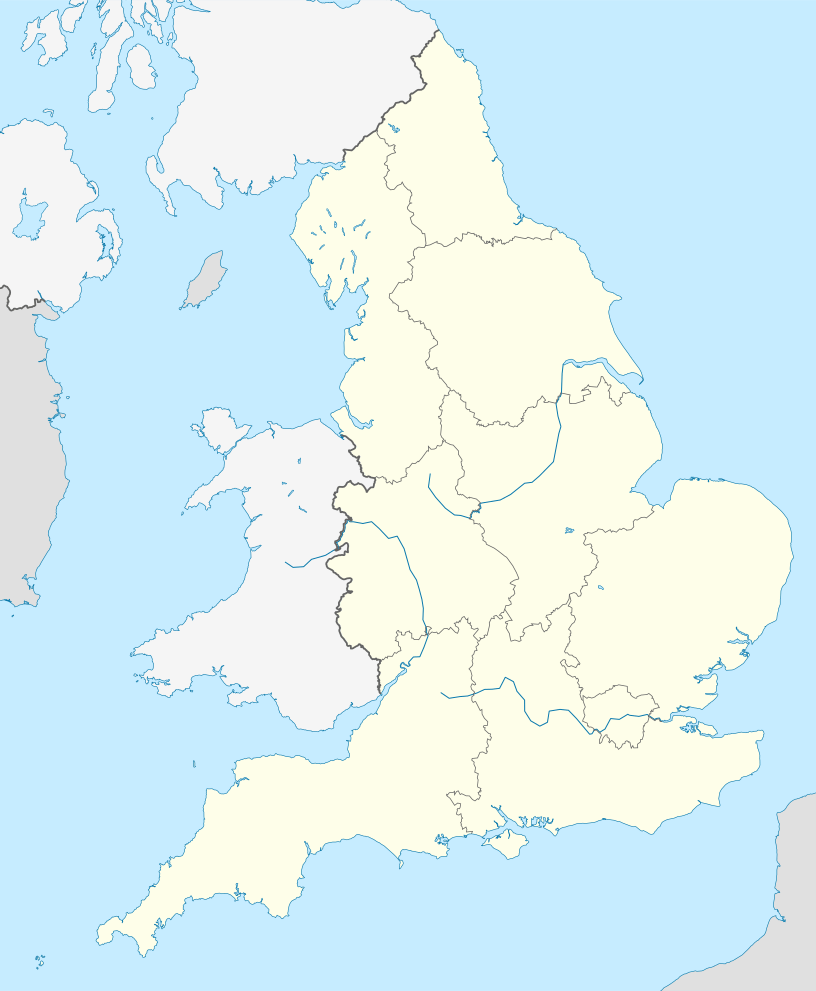
Slapton and Torcross, Devon, England · TQ7 2QP
Freshwater birdwatching beside the sea, with a practical short visit from Torcross and longer inland-edge trails.

Decide if the visit fits.
Slapton Ley National Nature Reserve at a glance
Last checked 18 October 2026.
- Open
- Open daily; Higher Ley closed to public entry.More about open
- Price / parking
- Free entry; Torcross, Memorial and Strete Gate council parking charged.More about price / parking
- Best time
- Year-round · winter ducks · spring reedbed birdsMore about best time
- Dogs
- Choose a short lead near the Ley and its birdwatching areas, and…More about dogs
- Toilets
- Torcross and Strete Gate have public toilets, and Slapton and To…More about toilets
- Step-free
- The operator describes Torcross Bird Hide as providing access fo…More about step-free
Opening and charges information · checked .
Stay nearby →On this page
Reserve overview
Slapton Ley reserve and habitat
Freshwater birdwatching beside the sea, with a practical short visit from Torcross and longer inland-edge trails.
Eight checks for a smoother visit.
Planning your visit to Slapton Ley
Conditions change: check the operator and transport notices before travelling.
Slapton Ley best time to visit and seasonal birds
The monthly bird suggestions below are seasonal guidance, not confirmation that any species will be present when you visit. January: Tufted Duck is usually worth looking for from Torcross Bird Hide. Use a sheltered lake watch if the sea is rough; exposed shingle is a separate coastal safety decision. February: Water Rail is usually worth looking for from Stokely Bay Hide. Wait quietly for movement at the reed edge, without approaching dense cover or following calls off the path. March: Sand Martin is usually worth looking for from Slapton Bridge viewing platform. Early migrant dates vary, so keep resident grebes as a second objective if insect-feeders have not arrived. April: Sedge Warbler is usually worth looking for from Slapton Bridge viewing platform. Listen from the platform and public path; the protected Higher Ley is not an alternative walking route. May: Reed Warbler is usually worth looking for from Stokely Bay Hide. Compare song and movement over the reeds without using playback or searching for breeding sites. June: Great Crested Grebe is usually worth looking for from Torcross Bird Hide. Watch feeding and diving behaviour from the hide, leaving the water edge and nesting cover undisturbed. July: Swallow is usually worth looking for from Public shingle-ridge path. Use the public ridge for a different perspective, checking signed storm damage and road restrictions before setting off. August: Coot is usually worth looking for from Torcross Bird Hide. County August 2026 observations confirm waterbirds here; they do not predict this summer’s numbers or a particular window. September: Gadwall is usually worth looking for from Stokely Bay Hide. A patient comparison of open water and reed fringes can be more useful than chasing a rare report elsewhere. October: Starling is usually worth looking for from Slapton Bridge viewing platform. FSC recommends calm evenings for the spectacle; arrive about an hour before sunset only where current access is permitted. November: Starling is usually worth looking for from Slapton Bridge viewing platform. Flocks can choose a different reedbed each evening. Keep to the bridge and leave private and restricted margins alone. December: Cetti’s Warbler is usually worth looking for from Slapton Bridge viewing platform. Listen rather than expecting a clear view, and shorten the circuit if wind or heavy rain spoils the lake watch.
Best conditions: Usually favour calm weather for lake identification and spring song. Devon Birds recommends calm winter seas for divers and grebes, while easterly winds can make passage seawatching productive but exposed. The freshwater Ley is not tidal; Start Bay safety is governed by swell and weather as well as the tide. FSC’s Starling watch advice is a calm October–December evening from the official bridge, about an hour before sunset, without any promise of a flock.
Slapton Ley opening times, entry and facilities
Visitor arrangements checked 18 October 2026: the Field Studies Council states that Slapton Ley has no entrance fee. It manages the reserve in partnership with its owners, Wild Planet Trust, Natural England and South Hams District Council. Pay-and-display parking is available at Torcross, Memorial and Strete Gate; check the council's current tariff for the car park and duration you choose. The field centre's postcode is TQ7 2QP in Slapton village, rather than a single entrance to every trail. For the shortest birdwatching visit, navigate separately to Torcross car park and its adjacent hide. Residential courses and accommodation use their own booking arrangements. Check the official visiting page and local road notices before setting out, especially after severe coastal weather.
Access times: Reserve: FSC says open daily; no blanket 24-hour or separate dawn gate promise is published. Higher Ley is closed to public entry. · Hides: Torcross hide is advertised; Stokely Bay hide is named by Devon Birds. Separate hide-door hours are not published in the reviewed sources. · Car park: Torcross, Memorial and Strete Gate pay-and-display parking have separate council arrangements; no common gate timetable verified. · Dawn access: partly. Operator opening information.
Slapton Ley trails, hides and visit length
There are two sensible starting styles. Torcross Bird Hide, reached from the Torcross car park, gives a direct view across the Lower Ley without first committing to a circuit. Slapton Bridge and the Fishing Hut provide another useful place to pause and orientate yourself. For walking, the Field Studies Council describes a Family Trail along the inland edge of the Lower Ley; its published length is 1.5 miles, with a walking allowance of about 45 minutes. Birdwatching will take longer. The Village Trail extends the outing over the boardwalk and into Slapton, while the Valley Trail explores Start Valley. Two-hour plan, our suggestion: begin with a patient Torcross hide watch, picking out the common ducks and following a grebe through several dives. Take a short public-side stroll for a different angle, then return to the same water view before leaving. This is a good introduction when wind makes a longer walk unattractive. Full-day plan, our suggestion: use the Family Trail in the morning, adding the Village Trail only if its surface and weather suit your group. Take lunch in Slapton or Torcross, then finish at Torcross Bird Hide with the light changed. Use the operator's downloadable map to keep the day's walking connected. The shingle ridge carries the South West Coast Path, but crossing the coast road and walking beside the sea are separate decisions requiring care. Do not leave a public trail to seek a concealed bird in the reeds. For an enjoyable identification exercise, pick one patch of water and watch it through repeated scans. A duck disappearing behind a reed fringe may return from a different angle, revealing features that were hidden before. Compare a grebe's long dives with a dabbling duck's shallow feeding rather than immediately reaching for a checklist. On the wooded trail, stop when a small flock crosses ahead and wait for the last birds before continuing. A short notebook entry recording the habitat, weather and behaviour will help you make sense of a later visit, particularly when the lake looks quiet at first glance.
Where to watch at Slapton Ley
Use the linked reserve map and directions with current access notices. Species are typical seasonal targets. Light and telescope advice reflects our choice of viewpoint.
Torcross Bird HideWinter · Spring · Summer · Autumn
Sheltered southern Lower Ley open water
Official hide beside Torcross car park; described as accessible by FSC.
Winter: Tufted Duck, Great Crested Grebe, Gadwall
Spring: Great Crested Grebe, Coot
Summer: Great Crested Grebe, Tufted Duck, Swallow
Autumn: Coot, Gadwall
Light: either. Scope: useful.
Stokely Bay HideWinter · Spring · Summer · Autumn
Stokely Bay open water and reed margins
County society names this hide; current door timetable not published. Confirm availability after storms.
Winter: Water Rail, Gadwall, Bittern
Spring: Reed Warbler, Sedge Warbler, Bittern
Summer: Reed Warbler, Great Crested Grebe
Autumn: Water Rail, Gadwall, Bittern
Light: either. Scope: useful.
Slapton Bridge viewing platformWinter · Spring · Summer · Autumn
Higher and Lower Ley water, reeds and willow margins
Operator leaflet marks the bridge platform accessible. Higher Ley itself has no public access.
Winter: Cetti's Warbler, Starling
Spring: Sand Martin, Sedge Warbler
Summer: Reed Warbler, Swallow
Autumn: Starling, Water Rail
Light: either. Scope: useful.
Public shingle-ridge pathWinter · Spring · Summer · Autumn
Lower Ley water, reed fringe and Start Bay from public coast path
Stay on signed public route and obey road/erosion closures; do not enter closed shingle or lake margins.
Winter: Great Crested Grebe, Gadwall, Cirl Bunting
Spring: Swallow, Sand Martin, Cirl Bunting
Summer: Coot, Swallow, Cirl Bunting
Autumn: Tufted Duck, Great Crested Grebe, Cirl Bunting
Light: either. Scope: essential.
| Spot | Overlooks | Key species by season | Best light | Scope | Tide |
|---|---|---|---|---|---|
| Torcross Bird HideOfficial hide beside Torcross car park; described as accessible by FSC. | Sheltered southern Lower Ley open water | Winter: Tufted Duck, Great Crested Grebe, Gadwall Spring: Great Crested Grebe, Coot Summer: Great Crested Grebe, Tufted Duck, Swallow Autumn: Coot, Gadwall | either | useful | — |
| Stokely Bay HideCounty society names this hide; current door timetable not published. Confirm availability after storms. | Stokely Bay open water and reed margins | Winter: Water Rail, Gadwall, Bittern Spring: Reed Warbler, Sedge Warbler, Bittern Summer: Reed Warbler, Great Crested Grebe Autumn: Water Rail, Gadwall, Bittern | either | useful | — |
| Slapton Bridge viewing platformOperator leaflet marks the bridge platform accessible. Higher Ley itself has no public access. | Higher and Lower Ley water, reeds and willow margins | Winter: Cetti's Warbler, Starling Spring: Sand Martin, Sedge Warbler Summer: Reed Warbler, Swallow Autumn: Starling, Water Rail | either | useful | — |
| Public shingle-ridge pathStay on signed public route and obey road/erosion closures; do not enter closed shingle or lake margins. | Lower Ley water, reed fringe and Start Bay from public coast path | Winter: Great Crested Grebe, Gadwall, Cirl Bunting Spring: Swallow, Sand Martin, Cirl Bunting Summer: Coot, Swallow, Cirl Bunting Autumn: Tufted Duck, Great Crested Grebe, Cirl Bunting | either | essential | — |
Target species at Slapton Ley
Month chips show typical presence or our preferred viewing season. Choose birds that suit the time of your visit.
Headline birds
- Great Crested GrebeTorcross Bird HideTorcross Bird HideJanFebMarAprMayJunJulAugSepOctNovDec
- OctNovDec
- JanFebMarAprMayJunJulAugSepOctNovDec
Regular birds
- JanFebMarAprMayJunJulAugSepOctNovDec
- JanFebMarAprMayJunJulAugSepOctNovDec
- Water RailStokely Bay HideStokely Bay HideJanFebMarOctNovDec
- Reed WarblerStokely Bay HideStokely Bay HideAprMayJunJulAugSep
- AprMayJunJulAugSep
- AprMayJunJulAugSep
- MarAprMayJunJulAugSep
- JanFebMarAprMayJunJulAugSepOctNovDec
- Tufted DuckTorcross Bird HideTorcross Bird HideJanFebMarAprMayJunJulAugSepOctNovDec
Scarce but regular birds
- JanFebMarOctNovDec
Tide planning
Freshwater lake watching has no tidal requirement. For the separate Start Bay shore, check Start Point predictions, swell and current public-path closures; no low-water route or safe tide height is implied.
Slapton Ley seasonal wildlife spectacle
Season: Starling flocking: FSC recommends October–December; the flock’s position and size vary and no evening is guaranteed.. Arrival time: FSC recommends a still evening and arrival at Slapton Bridge about an hour before sunset. Use only the official public bridge/platform and current permitted access; never follow birds into the reedbed.. Hotline: https://www.field-studies-council.org/wildlife-habitats-at-slapton-ley-national-nature-reserve/. Ordinary reserve entry has no admission fee, with separate pay-and-display parking. Use legal car parks and keep the bridge/path clear. No separate booking is advertised for an ordinary public-platform watch; organised FSC events have their own listing.
Slapton Ley accessibility and step-free routes
The operator describes Torcross Bird Hide as providing access for all from the car park. That makes it the strongest first option for visitors wanting a short, comparatively straightforward birdwatching session. Describe your own wheelchair, walking-aid or transfer needs to the field centre before travelling if a threshold, viewing height or parking distance is important. A broad access statement does not provide those measurements. The longer trails include boardwalk and natural paths, and are a different proposition from a hide visit. Wet ground, woodland edges and shingle can each change the effort required. For a family with a pushchair, select the particular trail from the operator's map rather than assuming every lakeside route is a continuous surfaced loop. Public toilets are listed at Torcross and Strete Gate; establish which facilities meet your requirements before building the day around them. Keep road crossings deliberate and allow time to wait for a safe gap. A short seated watch with binoculars may deliver more enjoyment than struggling to carry a telescope along the entire inland edge. Start with that achievable option and add walking only when the conditions are comfortable.
Slapton Ley visitor facilities
Torcross and Strete Gate have public toilets, and Slapton and Torcross offer pubs, cafés and shops. The Fishing Hut displays wildlife information, while field-centre reception sells the Field Studies Council's identification guides. Take water and a snack for the trails rather than relying on an immediate food stop. Fishing is no longer permitted on the Ley. Keep tackle, food waste and other litter away from the water and use the public paths to reach your chosen watching spot.
Slapton Ley dog rules
Choose a short lead near the Ley and its birdwatching areas, and follow any local instruction displayed along the trails. Keep a dog out of the water and away from feeding wildfowl. A quiet hide visit is easiest if one adult remains outside with the dog whenever its presence would disturb other visitors or birds.
Slapton Ley public transport and getting there
The Field Studies Council identifies Totnes as the useful main-line rail approach. For onward travel, it describes Stagecoach service 3 between the Plymouth, Kingsbridge, Slapton and Dartmouth areas, with stops on Slapton Line and by the field centre in the village. Check Stagecoach's current timetable and the actual stop serving your chosen starting point before committing to a day trip; the two birding starts are not interchangeable. A pre-arranged taxi from Totnes is another option when connections do not work, with the return booked before walking away from the road. Drivers can choose Torcross for the hide or Memorial and Strete Gate for other approaches. The coast road is part of a vulnerable coastal setting, so use current road information after storms and avoid assuming the shortest map route remains open. Walking visitors can link the area with the South West Coast Path, carrying enough time and food for the return leg.
Useful bases for an early start.
Where to stay near Slapton Ley
Booking.com links are affiliate links: we may earn a commission at no extra cost to you. How these links work.
- 01
Dartmouth
About 7.1 miles by road, roughly 16 minutes’ drive to the public visitor approach. OSRM measured the Dartmouth journey for Slapton Ley National Nature Reserve on 18 October 2026; the estimate excludes live traffic.
Measured driving route · 2026-10-18. Map estimates exclude live traffic.
A nearby Dartmouth base for an unhurried start at Slapton Ley National Nature Reserve.Find places to stay in Dartmouth on Booking.com - 02
Kingsbridge
About 8.6 miles by road, roughly 24 minutes’ drive to the public visitor approach. OSRM measured the Kingsbridge journey for Slapton Ley National Nature Reserve on 18 October 2026; the estimate excludes live traffic.
Measured driving route · 2026-10-18. Map estimates exclude live traffic.
Compare stays in Kingsbridge if this measured approach fits your wider route.Find places to stay in Kingsbridge on Booking.com - 03
Totnes
About 13.7 miles by road, roughly 28 minutes’ drive to the public visitor approach. OSRM measured the Totnes journey for Slapton Ley National Nature Reserve on 18 October 2026; the estimate excludes live traffic.
Measured driving route · 2026-10-18. Map estimates exclude live traffic.
Consider Totnes when its location suits the other places in your itinerary.Find places to stay in Totnes on Booking.com
Explore Devon’s full guides and smaller birding sites
Slapton Ley official sightings, safety and contact
For general enquiries, the Field Studies Council lists 01548 580466, staffed Monday to Friday from 9am to 5pm. Use the contact link on its Slapton Ley page for access questions, residential courses or accommodation. Explain whether you intend to visit Torcross Hide, the Family Trail or a longer route so the answer relates to your actual plan. Council parking questions should go to South Hams District Council. The field-centre address is useful for correspondence and organised visits; it is not a replacement for the trail map.
Slapton Ley recent bird sightings
Check Devon Birds actual county observations. frequent dated county reports; October 2026 Slapton observations reviewed Reports show what has been seen, not what will be.
- Devon Birds actual county observationscounty club or recorder · updated frequent dated county reports; October 2026 Slapton observations reviewed
Birding sources
- FSC current reserve and admission information
- FSC visitor facilities and public access
- FSC bird baseline and October–December Starling guidance
- FSC currently linked 2016 walks map
- Devon Birds hide inventory and seasonal habitat use
- Devon Birds actual October 2026 county observations
- Devon Birds actual August 2026 Slapton waterbird observations
- UKHO EasyTide named prediction station
Follow the BTO Birders’ Code and give wildlife space.
Questions visitors ask
Is Slapton Ley National Nature Reserve free to visit?
Slapton Ley National Nature Reserve: Free entry; Torcross, Memorial and Strete Gate council parking charged.
Can I take my dog to Slapton Ley National Nature Reserve?
Slapton Ley National Nature Reserve: Choose a short lead near the Ley and its birdwatching areas, and follow any local instruction displayed along the trails.
When is the best time to visit Slapton Ley National Nature Reserve?
Slapton Ley National Nature Reserve: Year-round · winter ducks · spring reedbed birds.
Is Slapton Ley National Nature Reserve accessible for wheelchairs?
Slapton Ley National Nature Reserve: Describe your own wheelchair, walking-aid or transfer needs to the field centre before travelling if a threshold, viewing height or parking distance is important.
How do I get to Slapton Ley National Nature Reserve without a car?
Slapton Ley National Nature Reserve: The Field Studies Council identifies Totnes as the useful main-line rail approach.
Best months for this reserve
Nearby complete guides.
Bird reserves near Slapton Ley
Stops with a purpose: use one as a contrasting habitat or weather-proof Plan B. Distances are straight-line estimates, not road journeys.
- About 24 miles away · A useful habitat changeDawlish Warren National Nature ReserveYear-round · autumn and winter waders
- About 28 miles away · A useful habitat changeRSPB Exminster and Powderham MarshesWinter wildfowl and waders · spring and summer wetland birds
- About 32 miles away · A useful habitat changeRSPB Aylesbeare CommonSpring and autumn passage; seasonal breeding and winter birds