Lochwinnoch
Village-based reserve break
Find stays in Lochwinnoch on Booking.com the ai birderBirding near me
UK birdwatching calendar
February combines winter flocks with the first signs of spring behaviour. Choose a wetland for ducks and grebes, then add a sheltered listening walk rather than assuming the season has already turned.
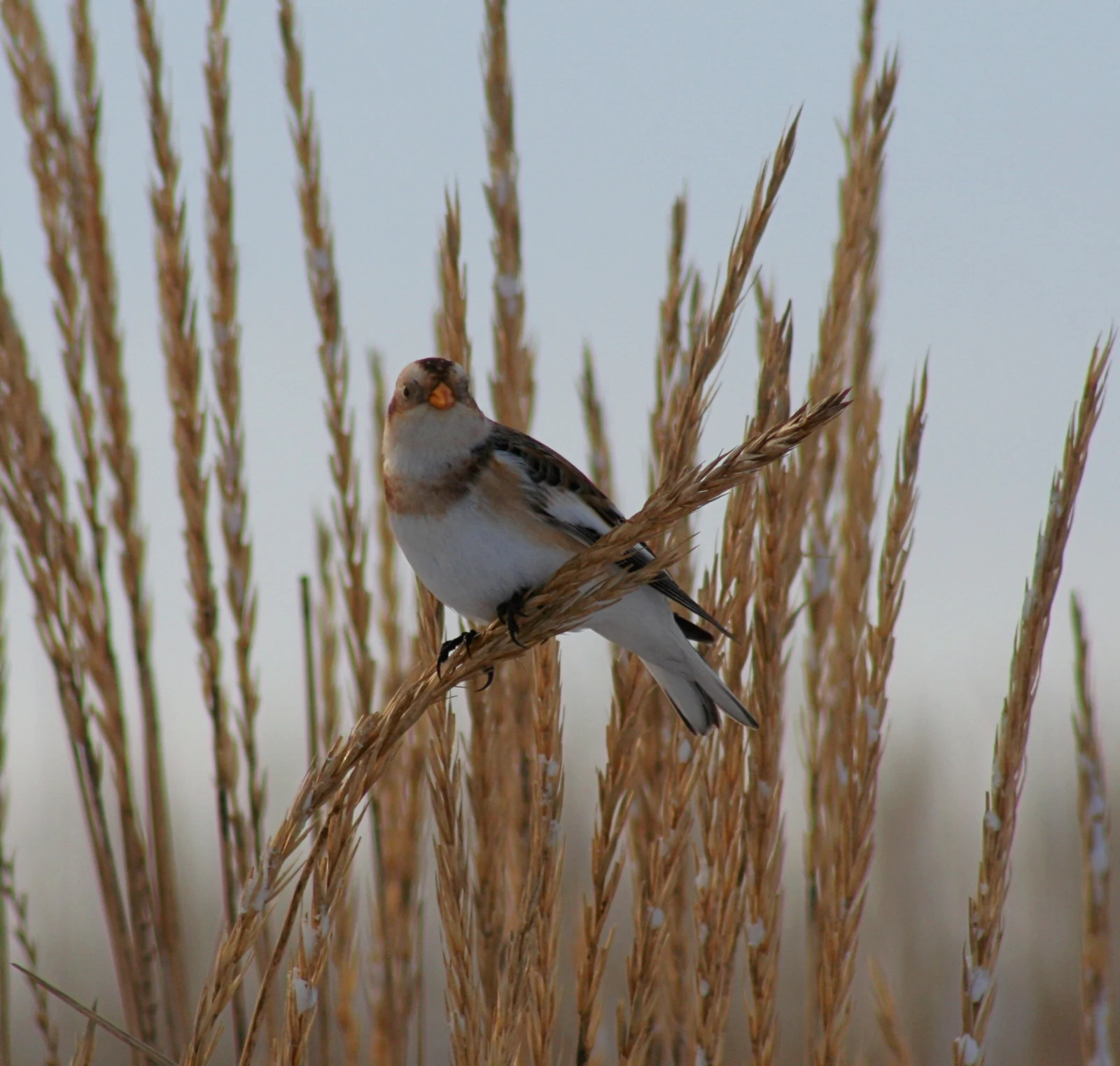
February can contain two very different days in the same week. A calm morning may carry increasing song and visible courtship, while the next outing feels entirely wintry. The useful decision is which behaviour to watch, not which season to declare. Keep winter wetlands high on the list and use improving light for closer study. Our preference is a reserve where you can move between open water and sheltered cover without committing to a large exposed circuit.
Birds respond to day length as well as temperature, so signs of the breeding season can appear while frost remains possible. Listen for familiar resident song and watch how birds space themselves along a hedge or around a pool. A bird singing from a visible perch is easier to study than one hidden in full summer foliage. Learn a short phrase at a time, then check whether the same singer uses it again rather than memorising a long list of possible calls.
Winter visitors usually remain an important part of February's interest. Some feeding and resting patterns will change as the month progresses, but departure is a process rather than a single date. A flock seen in autumn can now offer a different lesson: changes in plumage, display, pairing and the way birds move through the landscape. Revisit a known viewpoint and compare your notes before deciding that a new location is necessary to make the month interesting.
A wetland with several common duck species is our choice for a February behaviour watch. Look for pairs moving together, brief chases, head movements and changes in voice, while recognising that not every interaction has an obvious explanation. RSPB Lochwinnoch is an operator-supported option for Great Crested Grebe display. Allow the birds to perform at their own distance and spend enough time that a quiet spell does not send you straight to the next viewpoint.
Estuary flocks remain compelling, especially when a useful tide fits comfortable daylight. At RSPB Snettisham, the reserve's own advice should determine whether a particular tide is suitable for the watch you want. For a more varied wetland circuit, RSPB Titchwell Marsh lets you compare different habitats within the same day. Our choice for beginners is the varied circuit first, followed by a more specialised spectacle once the tide and watching arrangements make sense.
Longer afternoons are useful, but they do not remove winter hazards. Paths can be slippery after frost, low ground can hold floodwater and a strong wind can make a short stop feel exhausting. Check the route surface as well as the forecast. If a party member needs reliable footing or regular rests, choose a reserve whose current accessibility information answers those needs explicitly. The word wetland alone tells you little about the route between the entrance and the birds.
For coastal visits, read tide height and timing together and use the operator's local instructions. Do not turn a promising forecast into an improvised crossing. Inland, use poor weather to make a more focused day: one hide, a handful of common species and notes on behaviour can be a complete exercise. Leave enough flexibility to abandon an exposed afternoon section when conditions deteriorate. A good February plan has an easy way to become shorter without becoming disappointing.
Follow the North Norfolk weekend framework, but choose one main watch for each day. A tide-led Snettisham session can occupy the first morning when conditions fit; Titchwell makes a useful second-day anchor. Put the most weather-dependent part first in the planning process, not automatically first in the driving order. Read the guides before booking accommodation so you understand the practical difference between a long approach and a reserve where several habitats are close together.
Use spare time for a repeated observation rather than another transfer. Watching the same pool in brighter afternoon light can resolve an identification that was difficult earlier. If your group wants a gentler day, replace the exposed coastal finish with a sheltered section and a warm break. February weekends are particularly well suited to mixed experience levels: everybody can enjoy the flocks while more confident observers practise behaviour, plumage and distant identification without forcing the entire party to follow every detail.
Courtship is a reason to watch quietly, not to move nearer. Stay on the permitted route and avoid playing recordings to draw a singing bird into view. A territorial response uses time and energy that belong to the bird. If you notice birds repeatedly carrying material or showing persistent alarm, leave the immediate area and keep precise details out of public posts. Use operator channels for information that might help protect an emerging nesting site.
For a practical exercise, choose one grebe or duck pair and describe what happens in sequence. Write actions rather than motives: one bird approached, both turned, one called, both resumed feeding. This avoids turning a brief observation into a confident story about what the birds intended. The same discipline improves trip reports and photographs captions. A modest account that accurately describes a few minutes is more useful than a dramatic interpretation that the observation cannot support.
Our English first choice for a February day with enough variety to follow the conditions. Work through the waterbirds before deciding whether the coast deserves a long stop. If you find display or courtship, let it become the focus instead of rushing towards a target species elsewhere. The detailed guide gives the practical route options, while this monthly recommendation favours staying long enough to see familiar birds doing something new.
Slimbridge suits a February outing with a broad winter waterbird interest. Concentrate on the wild watching areas and compare how different species feed and rest. Our suggestion is to choose one identification question and one behaviour question for the day. That gives beginners a manageable purpose and experienced visitors something beyond the final count. Check any organised programme through the operator if it matters to the date you choose.
Frampton Marsh is worth considering when you want an open wetland landscape and time to study groups of birds. Assess wind early and choose the official viewing position that gives the most comfortable watch. Distant birds can still reveal useful differences in size and movement when several species stand together. Use the guide for access planning and resist turning a large reserve into a requirement to walk every possible section.
Lochwinnoch is our choice for watching the transition from winter wildfowl to spring behaviour. The operator highlights Great Crested Grebe displays, but patience matters more than an exact appointment with the calendar. Settle at a suitable public view and watch the whole sequence rather than only looking for a photograph. Compare periods of activity with ordinary feeding, and let the guide determine the route that suits your companions.
Mersehead offers a February wetland day where winter geese remain part of a wider landscape. Use official viewing places and notice the different roles of open fields, water and shelter. Our preferred approach is a long initial watch followed by a modest circuit, with the order adjusted for wind. Do not drive between feeding flocks simply to shorten the distance to them; natural movement can provide all the change the day needs.
Baron's Haugh provides a different Scottish option for combining wetland observation with the surrounding wooded landscape. A February visit can work well as a listening walk interrupted by deliberate scans across the water. Choose a manageable section of the current public route and return while you still have good light. The full guide is important here because a reserve's setting does not establish that every path suits every mobility need.
Conwy makes sense for February waterbirds and the relationship between lagoons and the estuary. Watch how the scene changes with the tide rather than expecting the best moment to coincide with arrival. Our choice is to allow a long enough visit for at least one repeated view. Familiar birds may be easier to identify after their posture changes or the light improves, making patience a practical part of the route.
Ynys-hir is a useful choice for visitors who want both winter wetland interest and the growing sound of resident birds. Take a quiet woodland section seriously rather than treating it only as a way to reach a hide. Stop when calls suggest a moving flock and let it pass through the view. Keep the overall walk within your group's comfortable range, particularly when the ground is soft after rain.
Llanelli offers a February alternative when you want a substantial wetland day in South Wales. Compare open views with more sheltered watching and decide which gives the clearest look under the day's conditions. For new birdwatchers, several common birds together can be more helpful than one distant rarity. The reserve guide holds the practical details, including the options that matter when planning a visit with children or mobility needs.
Portmore Lough is our first suggestion for a February watch over winter waterbirds. Look for changes in spacing and behaviour as well as changes in species. Use a comfortable public viewpoint and allow the birds time to move within it. A simple visit with enough time to observe closely can be more rewarding than a multi-stop day that leaves you repacking binoculars whenever something interesting begins.
Belfast Window on Wildlife suits a shorter February outing and repeated visits through the month. Choose a small area of the view and compare it on another date: where are birds feeding, what is resting, and which groups move together? That makes the reserve useful for building a regular habit. Check the current guide before travelling so the length and access arrangements fit your intended day.
Lough Foyle gives a larger estuary setting when tide and weather support a comfortable watch. Our advice is to select a public viewing area and accept the distance of the birds rather than walking towards every promising group. A broad scan can reveal patterns that a close view would hide. Read the practical guide carefully, because limited facilities and exposed conditions should shape the outing before you arrive.
Explore Norfolk’s full guides and smaller birdwatching sites
Some links earn us a small commission at no extra cost to you. Choose a settlement base for the seasonal reserve visit, then confirm access before booking.
Village-based reserve break
Find stays in Lochwinnoch on Booking.comTown base along the reserve's rail corridor
Find stays in Paisley on Booking.comCity stay with a train approach
Find stays in Glasgow on Booking.comStart with a bird, then compare the linked guides’ public watching places and access. These are seasonal choices from the reserve guides, not current sightings. Up to three starting points are shown for each species, prioritising headline birds and flagship guides; other sites may suit you better. Protected birds have no precise location here.