Short entry7.7 miles away
Coed y Bwl
Castle upon Alun, near St Bride’s Major · Ancient ash woodland and mixed broadleaved trees
 the ai birderBirding near me
The AI Birder · one-page field sheet
Ton Kenfig, Bridgend, Wales · CF33 4PT · CF33 4PT

Gadwall · Shoveler · Wigeon · Teal · Mallard · Tufted Duck
Kenfig Pool public path · Green Trail · Sker Beach Trail · South-end pool hide — closed
Check current access, hide closures and operator notices before travelling. Seasonal birds are possibilities, not promised sightings. Keep to authorised routes and give wildlife space.
Opening and charges checked 2026-10-25. Operator: https://kenfignaturereserve.co.uk/
Full guide and current source links: https://aibirder.co.uk/reserves/kenfig-national-nature-reserve
WA 22 · Kenfig Nature Trust reserve guide
Ton Kenfig, Bridgend, Wales · CF33 4PT
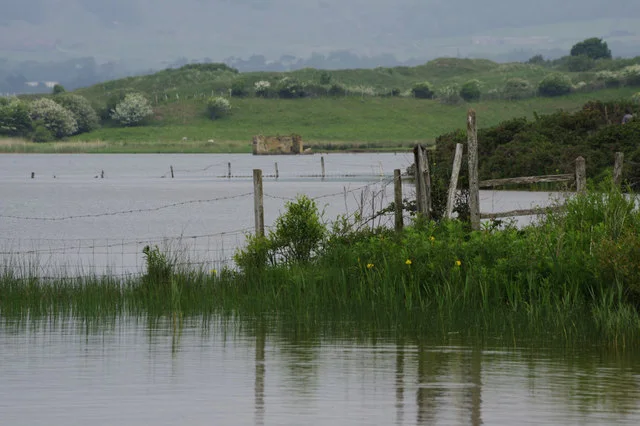
A freshwater pool and extensive dunes where a short lake watch can grow into a full coastal day.
Decide if the visit fits.
Last checked 18 October 2026.
Opening and charges information · checked .
Stay nearby →Reserve overview
A freshwater pool and extensive dunes where a short lake watch can grow into a full coastal day.
Eight checks for a smoother visit.
Conditions change: check the operator and transport notices before travelling.
January: Usually concentrate on Kenfig Pool public path for Pochard, Gadwall and Tufted Duck. The closed south-end hide is not an alternative in bad weather. Choose a shorter settled watch from the permitted path if the dunes are exposed. Great White Egret is supported by the county’sJanuary 2026 Kenfig account. Use the public pool path and keep the closed south-end hide excluded. February: Pochard and Wigeon typically make Kenfig Pool public path the first choice. Compare the diving ducks with Gadwall and Coot before extending the walk. Green Trail offers Skylark possibilities without leaving the marked route or entering open breeding habitat. March: Great Crested Grebe activity usually adds interest to Kenfig Pool public path, alongside remaining winter ducks. Take time over Shoveler and Gadwall identification. A short Green Trail section offers a different habitat without committing to the coast in uncertain weather. April: Typically listen for Sedge Warbler and Reed Warbler from Kenfig Pool public path. Green Trail adds Blackcap and Skylark possibilities. Watch and listen from the route; do not follow a calling bird into reeds, scrub or fenced work areas. May: Our choice is Kenfig Pool public path for Reed Warbler, Sedge Warbler and Great Crested Grebe, followed by Green Trail for Blackcap. Use binoculars for nearby activity and keep the telescope for the more distant open water. June: Typically compare Gadwall, Coot and Little Grebe from Kenfig Pool public path, listening for reedbed warblers. Sker Beach Trail can add Gannet offshore if conditions are comfortable. Keep dogs on leads and give all breeding habitat a generous margin. July: Great Crested Grebe and Tufted Duck usually remain worthwhile at Kenfig Pool public path. A coastal extension on Sker Beach Trail offers Gannet and Oystercatcher. The pool and the sea need different plans: a favourable sea view never removes the need to check tides. August: Usually revisit Kenfig Pool public path for Gadwall, Coot and returning Shoveler. Listen for lingering Reed Warbler without expecting spring song. Oystercatcher and Gannet can reward Sker Beach Trail, provided wind and the return route remain manageable. September: Teal, Wigeon and Shoveler typically draw attention back to Kenfig Pool public path. Green Trail offers Blackcap and Skylark as a separate comparison. A rare bird in a report is a record of that visit, not a reason to enter closed or private ground. Great White Egret is a recurring Kenfig Pool bird, not just a single flyover: county 2026 summaries document summer use and aSeptember pool concentration. Numbers are not a promise for a later visit. October: Usually begin at Kenfig Pool public path for Gadwall, Teal and Tufted Duck. Green Trail can offer Skylark on a shorter dune outing. Use current signs over an older leaflet, and remember that the south-end hide remains unavailable. November: Wigeon, Shoveler and Tufted Duck usually improve the case for a pool-centred outing at Kenfig Pool public path. Sker Beach Trail offers Oystercatcher where a safe landward view is available. Short daylight and wet sand favour a modest route. December: Typically compare Pochard, Gadwall and Teal from Kenfig Pool public path, giving each sector a slow scan. A telescope helps at distance. Plan around the exposed outdoor setting; the Trust is fundraising for a replacement hide, not advertising a new one as open.
Best conditions: Our choice is a calm, dry morning for listening beside the pool or a settled daylight session for comparing wildfowl. Typically wind and rain make the exposed pool path and dunes less comfortable; there is currently no open pool hide to rely on. Light and scope ratings are editorial advice. Keep the sea extension optional and check the local forecast and tides.
Parking information checked 18 October 2026: the reserve publishes £1 for 90 minutes, £2 for three hours and £4 for a day. Payment is available at its meters or by the official QR arrangement, with payment through staff during office hours also described. Annual parking permits are advertised at £45, or £22.50 for Blue Badge holders; ordinary charges apply in the designated disabled spaces. The parking page also contains an inconsistent overnight line reading “£60 between 10pm–6pm”. Do not use that unclear wording to plan an overnight stay: obtain the operator's specific permission and terms. The walking reserve is separate from paid parking, room hire and organised activities. Check the reserve's current notices before travelling, because trail and visitor arrangements may change.
Access times: Reserve: Public urban common; no daily closing hour is stated on the checked operator pages. Follow temporary restrictions and do not enter the water. · Hides: The south-end pool hide is closed for safety. The Trust says its only sheltered wildlife-viewing facility was condemned; a replacement appeal does not establish reopening. · Car park: No gate timetable is stated. Staff-assisted payment is listed 09:00–16:00; this is an office window, not the reserve opening time. Confirm overnight arrangements because the printed overnight tariff wording is ambiguous. · Dawn access: partly. Operator opening information.
Begin at the reserve centre and use its current map to choose between a pool-focused outing and a longer dune walk. The operator publishes a Sker Beach Trail and Green Trail leaflet as well as a larger circular-route map. Those named routes are a better framework than taking whichever sandy path appears to head towards the water. The south-end pool hide is closed for safety: Glamorgan Bird Club published the trustees’ notice on 25 August 2026, and the Trust’s replacement appeal confirms that it was condemned. Do not enter it or assume a replacement is open. Use the permitted pool-side path instead. At the pool, stand back from the edge and scan the nearest sheltered margins before searching the distant surface. Work gradually across the water; moving repeatedly can make a quiet birding visit feel less productive than it really is. Two-hour plan, our suggestion: allow time to understand the pool approach, then devote the larger part of the outing to one good viewing position. Compare ducks at rest and feeding, listen for reedbed birds, and return with time to check the centre information. A short trail section is enough if the sand is tiring. Full-day plan, our suggestion: start at the pool in comfortable morning light, take the mapped Green or Sker Beach route according to the conditions, and carry a picnic for an appropriate public stopping place. Return to the freshwater view later rather than finishing by trying to cross every corner of the dunes. The transition between scrub, open sand and water is the attraction. Keep distance from grazing animals and from birds using open ground. A coastal extension should remain optional when wind, rain or soft sand turns a pleasant walk into a demanding one. At the pool, try dividing the water into small viewing sectors and checking each slowly with binoculars before using a telescope. It is easy to miss nearby birds when all attention goes to the far bank. In the dunes, listening from the path is often more useful than following movement into the scrub. Note the shape of a bird and where it was feeding before deciding on its name. Families can turn this into a simple comparison game: water or land, swimming or walking, solitary or in a group. These observations remain worthwhile on a day when the species list is short.
Use the linked reserve map and directions with current access notices. Species are typical seasonal targets. Light and telescope advice reflects our choice of viewpoint.
Freshwater pool and reed margins from the established public route
Remain on the established path; the south-end hide is closed and must not be entered.
Winter: Pochard, Gadwall, Wigeon, Tufted Duck, Great White Egret
Spring: Great Crested Grebe, Reed Warbler, Sedge Warbler, Great White Egret
Summer: Gadwall, Coot, Little Grebe, Canada Goose, Great White Egret
Autumn: Teal, Shoveler, Great Crested Grebe, Great White Egret
Light: either. Scope: useful.
Dune grassland and scrub along the operator-named walking trail
Follow current trail signs and keep clear of livestock, fenced work areas and ground-nesting birds.
Winter: Skylark
Spring: Skylark, Blackcap
Summer: Skylark, Blackcap
Autumn: Skylark, Blackcap
Light: either. Scope: not needed.
Sker-side shore and coastal water from the operator-named trail
Sand can be tiring; make this extension conditional on the weather and a safe return.
Winter: Oystercatcher
Spring: Gannet, Oystercatcher
Summer: Gannet, Oystercatcher
Autumn: Gannet, Oystercatcher
Light: either. Scope: useful.
Tide: Check Porthcawl tides and remain on a safe landward route; do not approach high-water flocks.
Former sheltered pool view; no visitor access
Closed for safety: county notice 25 August 2026; the Trust’s replacement appeal confirms the condemned hide is permanently closed.
Light: not applicable. Scope: not needed.
| Spot | Overlooks | Key species by season | Best light | Scope | Tide |
|---|---|---|---|---|---|
| Kenfig Pool public pathRemain on the established path; the south-end hide is closed and must not be entered. | Freshwater pool and reed margins from the established public route | Winter: Pochard, Gadwall, Wigeon, Tufted Duck, Great White Egret Spring: Great Crested Grebe, Reed Warbler, Sedge Warbler, Great White Egret Summer: Gadwall, Coot, Little Grebe, Canada Goose, Great White Egret Autumn: Teal, Shoveler, Great Crested Grebe, Great White Egret | either | useful | — |
| Green TrailFollow current trail signs and keep clear of livestock, fenced work areas and ground-nesting birds. | Dune grassland and scrub along the operator-named walking trail | Winter: Skylark Spring: Skylark, Blackcap Summer: Skylark, Blackcap Autumn: Skylark, Blackcap | either | not needed | — |
| Sker Beach TrailSand can be tiring; make this extension conditional on the weather and a safe return. | Sker-side shore and coastal water from the operator-named trail | Winter: Oystercatcher Spring: Gannet, Oystercatcher Summer: Gannet, Oystercatcher Autumn: Gannet, Oystercatcher | either | useful | Check Porthcawl tides and remain on a safe landward route; do not approach high-water flocks. |
| South-end pool hide — closedClosed for safety: county notice 25 August 2026; the Trust’s replacement appeal confirms the condemned hide is permanently closed. | Former sheltered pool view; no visitor access | — | not applicable | not needed | — |
Month chips show typical presence or our preferred viewing season. Choose birds that suit the time of your visit.
Kenfig Pool is freshwater and does not require a sea-tide window. For Sker Beach Trail, use Porthcawl predictions to plan a safe landward outing; never approach high-water resting flocks or rely on a beach crossing.
The parking page confirms designated disabled spaces, but that provision should not be read as a promise that the dune paths are surfaced or suitable for every wheelchair. Contact the centre about the specific route from those bays to the pool, any gates, gradients and the availability of an accessible toilet. Explain the equipment you use and the distance you can comfortably manage. Kenfig's sandy ground is an important part of its character and can increase the effort of both pushing and walking. After rain, a compacted path and a wet hollow may behave very differently. For a visitor who needs a predictable surface, begin with a short agreed route and leave the longer beach trails for a separate decision. Take a companion if help with sand or gates is needed, and do not count on being able to complete an informal loop. A stable seated watch near an agreed viewpoint can be a successful birding session in its own right. The centre is also the right place to ask about viewing heights and any current route changes before arranging transport.
The reserve centre and the Hyde Out refreshment business form the visitor focus; check their own opening information before relying on a meal or indoor break. Carry water for a dune walk and protect food from wind-blown sand. The trail leaflets are worth downloading before leaving the centre area. Bring binoculars for the scrub and a telescope for the pool if carrying it is comfortable; taking both is less useful if the extra weight prevents a relaxed walk.
Dogs must be on a lead throughout the reserve, as the operator states. Keep away from pool margins, grazing animals and ground-nesting birds, and follow temporary path restrictions. If birds alarm or move away, increase your distance and choose another permitted section rather than letting the dog continue ahead.
Pyle provides a useful rail approach for visitors arranging a taxi to Kenfig. Check Transport for Wales for the service on your travel date, then book the final transfer to the reserve centre rather than planning an unresearched walk along local roads. Agree the collection point and return time with the driver before starting a longer dune route. Traveline Cymru can help compare current local bus options, but use the specific stop and timetable for the day rather than relying on a route number from an old leaflet. Drivers should use the centre address at Ton Kenfig and its official parking instructions. Allow extra time on small approach roads and park only in the authorised area. A rail-and-taxi visit with two hours at the pool is a realistic first outing; adding a long coastal walk requires more flexibility in the return arrangement and enough daylight to find the correct mapped path back.
Useful bases for an early start.
Booking.com links are affiliate links: we may earn a commission at no extra cost to you. How these links work.
About 3.7 miles by road, roughly 10 minutes’ drive to the public visitor approach. OSRM measured the Porthcawl journey for Kenfig National Nature Reserve on 18 October 2026; the estimate excludes live traffic.
Measured driving route · 2026-10-18. Map estimates exclude live traffic.
A nearby Porthcawl base for an unhurried start at Kenfig National Nature Reserve.Find places to stay in Porthcawl on Booking.comAbout 7.4 miles by road, roughly 14 minutes’ drive to the public visitor approach. OSRM measured the Port Talbot journey for Kenfig National Nature Reserve on 18 October 2026; the estimate excludes live traffic.
Measured driving route · 2026-10-18. Map estimates exclude live traffic.
Compare stays in Port Talbot if this measured approach fits your wider route.Find places to stay in Port Talbot on Booking.comAbout 8 miles by road, roughly 18 minutes’ drive to the public visitor approach. OSRM measured the Bridgend journey for Kenfig National Nature Reserve on 18 October 2026; the estimate excludes live traffic.
Measured driving route · 2026-10-18. Map estimates exclude live traffic.
Consider Bridgend when its location suits the other places in your itinerary.Find places to stay in Bridgend on Booking.comExplore Glamorgan and Cardiff’s full guides and smaller birding sites
The reserve website lists 01656 530089 for enquiries. For parking difficulties, the published address is centremanager@kenfignaturetrust.co.uk. Ask the centre about any access feature important to your visit, specifying whether you mean the pool, centre or a named dune trail. Kenfig Nature Trust's own pages explain ownership, so use these current sources rather than older descriptions that still attribute day-to-day management to the council. Send a photo or precise description when reporting damage to a path sign.
Check Glamorgan Bird Club: county sightings. irregular, as observations are submitted Reports show what has been seen, not what will be.
Follow the BTO Birders’ Code and give wildlife space.
Kenfig National Nature Reserve: Parking £1/90 minutes, £2/three hours or £4/day.
Kenfig National Nature Reserve: Dogs must be on a lead throughout the reserve, as the operator states.
Kenfig National Nature Reserve: Year-round · winter wildfowl · spring reedbed song.
Kenfig National Nature Reserve: The parking page confirms designated disabled spaces, but that provision should not be read as a promise that the dune paths are surfaced or suitable for every wheelchair.
Kenfig National Nature Reserve: Pyle provides a useful rail approach for visitors arranging a taxi to Kenfig.
Shorter stops within 15 miles in a straight line. Use the operator’s arrival directions for the journey.
Castle upon Alun, near St Bride’s Major · Ancient ash woodland and mixed broadleaved trees
Dan-y-graig approach, Swansea · Lowland fen, reedbeds, sedge beds and wet woodland
Blackpill seafront, Swansea Bay · Intertidal beach, mudflats and coastal feeding shore
Llantwit Major · Coastal grassland, scrub and ash woodland
Nearby complete guides.
Stops with a purpose: use one as a contrasting habitat or weather-proof Plan B. Distances are straight-line estimates, not road journeys.