Short entry6.0 miles away
Coed y Bwl
Castle upon Alun, near St Bride’s Major · Ancient ash woodland and mixed broadleaved trees
 the ai birderBirding near me
The AI Birder · one-page field sheet
Fountain Road, Tondu, Bridgend, Wales · CF32 0EH · CF32 0EH

Mute Swan · Mallard · Tufted Duck
Northern Wetlands public views · Mary Gillham raised hide · Lapwing Hide · Other wetland hides (two; follow current signs) · Meadow paths · Park Pond public path
Check current access, hide closures and operator notices before travelling. Seasonal birds are possibilities, not promised sightings. Keep to authorised routes and give wildlife space.
Opening and charges checked 2026-10-25. Operator: https://www.welshwildlife.org/nature-reserves/parc-slip-nature-reserve-bridgend
Full guide and current source links: https://aibirder.co.uk/reserves/parc-slip-nature-reserve
WA 15 · Wildlife Trust of South and West Wales reserve guide
Fountain Road, Tondu, Bridgend, Wales · CF32 0EH
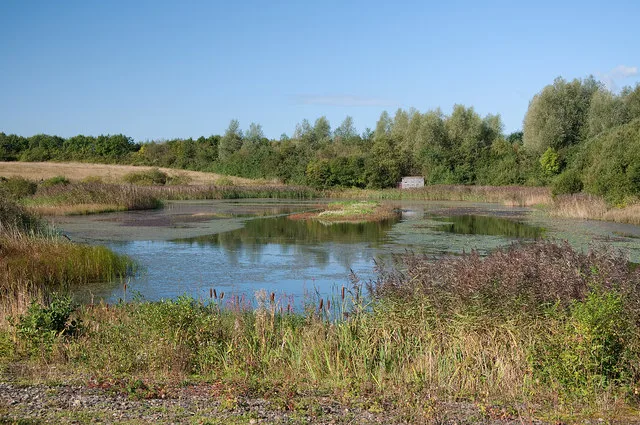
A former opencast site now supports a mosaic of pools, pasture and woodland. Spring Lapwings around the Northern Wetlands and winter wildfowl give a focused birding visit its purpose.
Decide if the visit fits.
Last checked 18 October 2026.
Opening and charges information · checked .
Stay nearby →Reserve overview
A former opencast site now supports a mosaic of pools, pasture and woodland. Spring Lapwings around the Northern Wetlands and winter wildfowl give a focused birding visit its purpose.
Eight checks for a smoother visit.
Conditions change: check the operator and transport notices before travelling.
January: Typically start at Northern Wetlands public views for Teal, Wigeon and Tufted Duck, comparing smaller Little Grebes and Coot carefully. ActualJanuary2025county records also place Kingfisher on this water; the old report is evidence of occurrence, not a current perch promise.
February: Winter ducks usually remain the main draw from Northern Wetlands public views. Park Pond public path offers a different angle for Gadwall, Pochard or Water Rail possibilities, but settle quietly rather than circling the vegetation to force a hidden bird into view.
March: Typically watch Lapwing display from Northern Wetlands public views as spring develops. Add Meadow paths for Skylark and Meadow Pipit, staying well outside the managed breeding grassland and giving alarm-calling adults enough space to resume normal activity.
April: Lapwings usually give Northern Wetlands public views their spring purpose, with the Mary Gillham raised hide offering a separate scrape watch. A calm morning helps follow aerial display; there is no need to approach the short grass where birds are settling.
May: Typically combine Skylark and Meadow Pipit from Meadow paths with Lapwing watching at the Mary Gillham raised hide. Choose the public viewpoint for its undisturbed outlook, rather than treating a distant bird as a reason to leave the path.
June: Mute Swan, Mallard and Tufted Duck usually provide Park Pond public path interest between grassland pauses. Skylarks remain useful Meadow paths targets; watch adult behaviour from existing routes and never investigate nests or follow family parties towards cover.
July: Typically favour a quiet Park Pond public path watch for Mute Swan and Tufted Duck, then listen for lingering Meadow Pipit activity from Meadow paths. Summer can be less vocal than spring, making patience more useful than simply covering every circuit.
August: Mallard and Tufted Duck usually offer a straightforward Northern Wetlands public views session while meadow song becomes less conspicuous. Compare feeding behaviour and plumage carefully, then revisit the same public view later if light initially obscures identification.
September: Typically check Northern Wetlands public views for the developing autumn duck mix, using resident Mallard and Tufted Duck as comparison birds. Water levels change the available edge, so current observation should guide the session rather than an old report of a rare visitor.
October: Teal and Wigeon usually become increasingly relevant from Northern Wetlands public views, with Park Pond public path as a change of waterbody. Leave long quiet intervals for reed-margin movement; a hidden bird is not a reason to enter the vegetation.
November: Typically compare Teal and Wigeon from Northern Wetlands public views, then try Meadow paths for distant Snipe on wet feeding ground. Use binoculars or a scope from the path and avoid walking across pasture to make birds move.
December: Winter usually rewards a patient Northern Wetlands public views scan for Tufted Duck, Wigeon and Little Grebe. Park Pond public path adds Water Rail possibilities in cover; check current facilities before relying on a late indoor stop or assuming every hide has identical hours.
Best conditions: Our choice is a calm Northern Wetlands watch followed by the Mary Gillham raised hide and one meadow section. Typically early spring gives the best listening and display conditions; winter can favour duck identification from sheltered views. Water level changes where birds feed. Light/scope ratings and reserve-wide species allocations to appropriate public habitat views are editorial; no fixed perch or guaranteed encounter is implied.
Reviewed 18 October 2026: the Trust describes an open-access nature reserve. Its visitor-centre page lists Karrie's Coffee Co operating seven days a week, 10:00–16:00, and confirms free car parking. It publishes no separate reserve admission tariff. These are the published arrangements checked in autumn 2026, rather than a promise that every indoor service operates on a bank holiday. Approach the visitor centre on Fountain Road and follow the brown reserve signs from the M4 junction 36 corridor. The operator specifically warns against following navigation onto New Road. A café purchase is separate from using the reserve. Conditions and visitor arrangements can change: consult the operator's pages before travelling, especially if the indoor stop is essential to your day.
Access times: Reserve: Operator describes an open-access reserve; no separate daily reserve gate timetable is published. · Hides: Four public hides are listed; separate hide locking hours were not published. Ask staff about current access before an early or late visit. · Car park: Free visitor-centre parking; no separate gate timetable published. Centre/café normally10:00–16:00daily, subject to current notices. · Dawn access: partly. Operator opening information.
Think of Parc Slip as a choice of habitat circuits. The operator identifies four hides serving the wetland complex, including the wader scrape, an island lake and Park Pond. The Mary Gillham raised hide overlooks the scrape. The wider network extends through grassland and woodland, so an unhurried visit can change character without leaving the reserve. Use the official map with the current waymarks, and do not assume an apparently direct line across a meadow is a public route. Two-hour plan: begin with the Northern Wetlands and spend the first part of the visit watching rather than immediately moving on. Scan the water, the shore and the adjacent short grass separately. Continue to the scrape viewing area, then choose one additional pool on the return according to light and recent observations. Leave a genuine final portion of the visit for the path back; this is an editorial birding plan, not a timed waymarked trail. Full-day plan: make the wetland hides the morning's core, carrying a simple note of the species and habitats already covered. After a break, select a woodland-and-meadow circuit from the map instead of repeating every wetland stop. In spring, listen for song away from the busiest path junctions; in summer, slow down around flower-rich edges. Finish by revisiting the most productive waterbody with changed afternoon light. A whole day is justified by observation time and habitat variety, not by a requirement to complete all the paths. Stay on the mapped network, close gates as directed and allow habitat management or grazing to determine the route available that day.
Use the linked reserve map and directions with current access notices. Species are typical seasonal targets. Light and telescope advice reflects our choice of viewpoint.
Northern Wetlands water, islands and adjacent short grass from permitted viewing areas
Current operator names the Northern Wetlands and its managed Lapwing field. The county describes the hide nearest the centre but does not give its proper name; no equivalence is guessed.
Winter: Teal, Wigeon, Tufted Duck, Little Grebe, Coot, Moorhen, Kingfisher
Spring: Lapwing, Mallard, Tufted Duck
Summer: Lapwing, Mute Swan, Mallard
Autumn: Teal, Wigeon
Light: either. Scope: useful.
The wader scrape from the official raised hide
Named by the current operator for the2013scrape. Raised access is not assumed to be step-free; ask staff about the approach.
Winter: Snipe
Spring: Lapwing
Summer: Lapwing
Autumn: Snipe
Light: either. Scope: useful.
Wetland from the operator-confirmed named hide
The operator memorial page confirms renovation of Lapwing Hide. Its precise map-symbol identity and distinct bird records were not verified; follow current signs.
Light: either. Scope: useful.
The remaining two public wetland hides in the operator’s four-hide inventory
Current account lists four hides in total. Apart from Mary Gillham and Lapwing, proper names were not verified; older unnamed map symbols are not assigned guessed names.
Light: either. Scope: useful.
Short pasture and meadow margins from mapped public paths
Keep to the path network and away from nesting grassland. Do not cross a field to investigate alarm calls.
Winter: Snipe
Spring: Skylark, Meadow Pipit, Lapwing
Summer: Skylark, Meadow Pipit
Autumn: Snipe
Light: either. Scope: not needed.
Park Pond and its vegetation from the permitted public approach
Named wetland in the current operator account. Bird assemblages here are broad habitat-based editorial choices, not a claim of daily fixed locations.
Winter: Gadwall, Pochard, Water Rail
Spring: Mute Swan, Mallard, Tufted Duck
Summer: Mute Swan, Mallard, Tufted Duck
Autumn: Teal, Wigeon
Light: either. Scope: useful.
| Spot | Overlooks | Key species by season | Best light | Scope | Tide |
|---|---|---|---|---|---|
| Northern Wetlands public viewsCurrent operator names the Northern Wetlands and its managed Lapwing field. The county describes the hide nearest the centre but does not give its proper name; no equivalence is guessed. | Northern Wetlands water, islands and adjacent short grass from permitted viewing areas | Winter: Teal, Wigeon, Tufted Duck, Little Grebe, Coot, Moorhen, Kingfisher Spring: Lapwing, Mallard, Tufted Duck Summer: Lapwing, Mute Swan, Mallard Autumn: Teal, Wigeon | either | useful | — |
| Mary Gillham raised hideNamed by the current operator for the2013scrape. Raised access is not assumed to be step-free; ask staff about the approach. | The wader scrape from the official raised hide | Winter: Snipe Spring: Lapwing Summer: Lapwing Autumn: Snipe | either | useful | — |
| Lapwing HideThe operator memorial page confirms renovation of Lapwing Hide. Its precise map-symbol identity and distinct bird records were not verified; follow current signs. | Wetland from the operator-confirmed named hide | — | either | useful | — |
| Other wetland hides (two; follow current signs)Current account lists four hides in total. Apart from Mary Gillham and Lapwing, proper names were not verified; older unnamed map symbols are not assigned guessed names. | The remaining two public wetland hides in the operator’s four-hide inventory | — | either | useful | — |
| Meadow pathsKeep to the path network and away from nesting grassland. Do not cross a field to investigate alarm calls. | Short pasture and meadow margins from mapped public paths | Winter: Snipe Spring: Skylark, Meadow Pipit, Lapwing Summer: Skylark, Meadow Pipit Autumn: Snipe | either | not needed | — |
| Park Pond public pathNamed wetland in the current operator account. Bird assemblages here are broad habitat-based editorial choices, not a claim of daily fixed locations. | Park Pond and its vegetation from the permitted public approach | Winter: Gadwall, Pochard, Water Rail Spring: Mute Swan, Mallard, Tufted Duck Summer: Mute Swan, Mallard, Tufted Duck Autumn: Teal, Wigeon | either | useful | — |
Month chips show typical presence or our preferred viewing season. Choose birds that suit the time of your visit.
The Trust confirms that some trails are accessible: it describes them as reasonably wide, relatively smooth and without severe gradients. That description applies to selected paths, not the entire reserve. Choose a circuit around your own surface, turning-space and fatigue requirements; a route that is comfortable in dry weather may feel different after prolonged rain. Contact the reserve about any slope, camber or surface detail that affects your visit. The café and centre are described as fully accessible. A lift serves the upstairs conference room, which has a hearing loop. Accessible toilet provision and designated disabled parking are listed. Keep these specific access arrangements together when planning a visit with a wheelchair or mobility aid rather than assuming that the most distant hide has the same approach as the centre. For a first visit, send the team the practical details that matter: the width of your chair or scooter, whether you can negotiate a gate without assistance, and the maximum distance between rests. Request advice about the particular observation point you hope to use. A short out-and-back route can give a better visit than a circuit whose far side has not been checked against your needs.
There are general toilets and baby-changing facilities at the visitor centre, plus picnic areas and a cycle rack. The café offers hot and cold refreshments and a changing food selection. Bring drinking water and something to eat if you intend to spend most of the day away from the building. The Trust lists an electric-car charging point; its presence is not confirmation of an available connector or a working charger for your vehicle. Organised coach groups should make arrangements directly with the Trust.
Dogs are permitted on a lead throughout the reserve. Keep the lead short around feeding birds, nesting habitat and any grazing animals, collect waste and use the disposal arrangements provided. Do not let a dog enter pools or investigate reed margins. The reserve's open appearance does not make the wetland edges suitable exercise areas.
First Cymru's current 63 connects Bridgend and Porthcawl via Pyle; the Trust identifies the Fountain Inn stop at the bottom of Fountain Road for Parc Slip. From that stop, the visitor-centre approach is approximately half a mile along Fountain Road. The operator's route map also marks that road. First's published timetable checked in October 2026 includes both 63 and 63B variants: inspect your actual journey and stop list rather than assuming each variation makes an identical approach. Tondu is the nearest named rail option on the reserve operator's directions. Check Transport for Wales for the dated rail journey and plan the onward walk or taxi before committing to a late return. National Cycle Route 4 crosses the reserve, with a traffic-free section through the site; that does not make the whole journey from a railway station traffic-free. Keep lights available for the road sections and arrange a return that leaves a margin before your last connection.
Useful bases for an early start.
Booking.com links are affiliate links: we may earn a commission at no extra cost to you. How these links work.
From Bridgend settlement centre: about 4.05 miles by road, roughly 9.2 minutes' drive to the reserve entrance. OSRM/OpenStreetMap estimate measured 18 October 2026; excludes live traffic and parking.
Measured driving route · 2026-10-18. Map estimates exclude live traffic.
A practical railway and town base for combining the reserve with onward travel. Choose accommodation by its exact address and plan the final transfer.Find places to stay in Bridgend on Booking.comFrom Porthcawl settlement centre: about 8.58 miles by road, roughly 15.9 minutes' drive to the reserve entrance. OSRM/OpenStreetMap estimate measured 18 October 2026; excludes live traffic and parking.
Measured driving route · 2026-10-18. Map estimates exclude live traffic.
Combining inland wetland birding with a coastal stay. Allow for the road transfer rather than treating the reserve as a seafront walk.Find places to stay in Porthcawl on Booking.comFrom Maesteg settlement centre: about 7.31 miles by road, roughly 13.9 minutes' drive to the reserve entrance. OSRM/OpenStreetMap estimate measured 18 October 2026; excludes live traffic and parking.
Measured driving route · 2026-10-18. Map estimates exclude live traffic.
A valley base north of the reserve for a different landscape and a deliberate drive to the wetland hides.Find places to stay in Maesteg on Booking.comExplore Glamorgan and Cardiff’s full guides and smaller birding sites
For reserve information, call the Wildlife Trust of South and West Wales on 01656 724100; the Trust says its Parc Slip office operates Monday to Friday. Its contact form is suitable for a detailed access or group enquiry. The linked wildlife overview explains established species and habitat management, rather than reporting today's birds. Send useful observations with the date, location and behaviour, and avoid circulating sensitive breeding locations. A species mentioned here is a seasonal possibility, not evidence of a current sighting.
Check Glamorgan Bird Club: actual29January2025Parc Slip observations. dated archive Reports show what has been seen, not what will be.
Follow the BTO Birders’ Code and give wildlife space.
Parc Slip Nature Reserve: Price not published by operator.
Parc Slip Nature Reserve: Dogs are permitted on a lead throughout the reserve.
Parc Slip Nature Reserve: Spring Lapwings · summer meadow birds · winter ducks and Snipe.
Parc Slip Nature Reserve: The Trust confirms that some trails are accessible: it describes them as reasonably wide, relatively smooth and without severe gradients.
Parc Slip Nature Reserve: First Cymru's current 63 connects Bridgend and Porthcawl via Pyle; the Trust identifies the Fountain Inn stop at the bottom of Fountain Road for Parc Slip.
Shorter stops within 15 miles in a straight line. Use the operator’s arrival directions for the journey.
Castle upon Alun, near St Bride’s Major · Ancient ash woodland and mixed broadleaved trees
Llantwit Major · Coastal grassland, scrub and ash woodland
Near Llancarfan · Ancient broadleaved woodland, wet flushes and meadow
Dan-y-graig approach, Swansea · Lowland fen, reedbeds, sedge beds and wet woodland
Pentyrch, northwest of Cardiff · Ancient broadleaved woodland and stream valley
Nearby complete guides.
Stops with a purpose: use one as a contrasting habitat or weather-proof Plan B. Distances are straight-line estimates, not road journeys.