Short entry5.6 miles away
Blackcraig Wood
Newton Stewart (2 mi / 3.2 km) · Broadleaved woodland on steep coastal slopes
 the ai birderBirding near me
The AI Birder · one-page field sheet
Near Newton Stewart, Dumfries and Galloway · DG8 6RJ

Willow Tit · Dipper · Nuthatch · Barn Owl · Tawny Owl
Woodland Trail · Scrubland Trail · High Cree Valley viewpoint · Otter-viewing platform · Barclye public paths
Check current access, hide closures and operator notices before travelling. Seasonal birds are possibilities, not promised sightings. Keep to authorised routes and give wildlife space.
Opening and charges checked 2026-10-25. Operator: https://www.rspb.org.uk/days-out/reserves/wood-of-cree
Full guide and current source links: https://aibirder.co.uk/reserves/rspb-wood-of-cree
SC 24 · RSPB reserve guide
Near Newton Stewart, Dumfries and Galloway
Spring Pied Flycatchers, Redstarts and Wood Warblers
Decide if the visit fits.
Last checked 18 October 2026.
Opening and charges information · checked .
Stay nearby →Reserve overview
Spring Pied Flycatchers, Redstarts and Wood Warblers
Eight checks for a smoother visit.
Conditions change: check the operator and transport notices before travelling.
January: typically look for Dipper from Woodland Trail. Scan the burn only from a safe path position. Wet rocks and narrow bridges deserve more attention than a closer photograph, and high water can make a shorter woodland visit preferable. February: typically look for Willow Tit and Nuthatch from Woodland Trail. Listen before walking farther, then examine any small woodland birds carefully. A quiet pause is useful; forcing a view through dense cover usually adds disturbance without improving identification. March: typically look for Dipper from Woodland Trail. Choose a clear daylight window for the waterside sections. The trail is uneven and steep in places, so a woodland outing still needs suitable footwear and a realistic return time. April: typically look for Pied Flycatcher and Redstart from Woodland Trail. Typical arrivals vary with spring weather. Learn the songs before visiting and stay on the public trail, without inspecting nest boxes or following birds carrying material. May: typically look for Wood Warbler and Tree Pipit from Scrubland Trail. Listen along the established scrubland extension and adjoining woodland. The actual April 2025 report places Tree Pipit on this trail; no exact song post or breeding territory is supplied. June: typically look for Garden Warbler and Cuckoo from Woodland Trail. Sound can locate a bird without requiring a close approach. The RSPB listening episode shows why overlapping songs need patience; stop, separate the sounds and let the bird remain hidden. July: typically look for Whinchat from Scrubland Trail. Watch the visible open habitat through binoculars from the trail. Avoid approaching alarming adults or entering long vegetation, and accept a distant view when the path offers no closer safe position. August: typically look for Whitethroat and Grasshopper Warbler from Barclye public paths. Use only the public Barclye paths. Seasonal detectability changes as song declines, so a quiet visit does not establish that birds have disappeared from the reserve. September: typically look for Redstart and Nuthatch from Woodland Trail. The two targets have different seasonal expectations: migrant departures vary, while resident woodland listening remains useful. Scan slowly rather than treating the summer specialities as guaranteed autumn birds. October: typically look for Dipper from Woodland Trail. Rainfall can change the burn and make the path slippery. If river sections are unsafe, choose a shorter woodland watch and avoid descending banks to recover a reported bird. November: typically look for Willow Tit from Woodland Trail. Take time over identification in mixed woodland activity. Winter listening and careful binocular views are worthwhile, but no published record makes a particular tree or feeding location a reliable appointment. December: typically look for Nuthatch and Dipper from Woodland Trail. Plan a compact daylight route and keep the woodland and burn watches separate. Public access being listed all day does not make steep wet trails or narrow bridges suitable in darkness.
Best conditions: Our choice is a calm spring morning for woodland song, with quiet pauses before searching the canopy. Use binoculars rather than a scope under trees; a scope is optional at the high valley viewpoint. After heavy rain, river level and slippery steep paths may justify a shorter route. Do not seek owl roosts, Black Grouse display sites or nests.
The RSPB lists free adult and child admission and free parking for members and non-members, checked on 18 October 2026. Its calendar shows the reserve open 24 hours. There are separate parking areas at Barclye Wood and Wood of Cree, so decide which walk you want before choosing an arrival point. The operator describes Barclye as about three miles from Newton Stewart and Wood of Cree another mile along the road. There is no advance ticket for an ordinary walk. Check reserve updates before travelling, particularly after storms or prolonged rain when woodland paths and burns may be affected. Organised groups seeking RSPB involvement should contact the team beforehand.
Access times: Reserve: October 2026 RSPB opening calendar lists reserve open 24 hours; use the public trails. · Hides: No enclosed bird hide or shelter. Otter platform and high valley viewpoint are outdoor facilities. · Car park: Operator facilities says both Wood of Cree and Barclye car parks open at all times. · Dawn access: yes. Operator opening information.
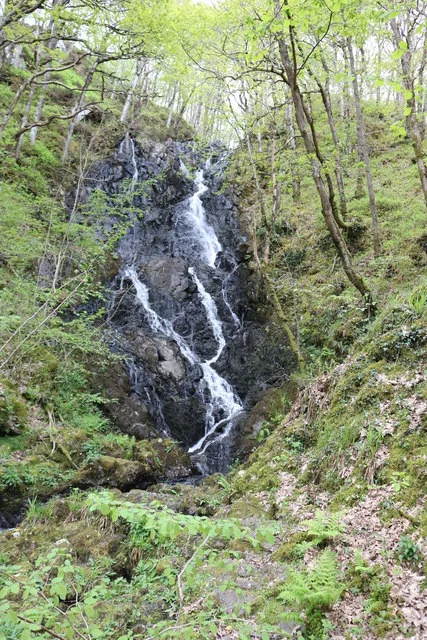
The main waymarked woodland walk is listed by the RSPB as 1.25 miles, or two kilometres. It can be extended with the scrubland trail to about 3.5 miles, or 5.5 kilometres. These are birdwatching routes rather than a race to a particular viewpoint: the transitions between mature trees, streamside cover and more open scrub are often the most interesting places to stop. A high viewpoint looks across the Cree valley and marshes, while a boardwalk near the car park reaches the otter viewing platform. Use that platform patiently and quietly, allowing other people to share the view. For a 2-hour plan, take the shorter woodland circuit slowly, with several stops to listen for birds and examine the different tree layers. Give the burns and waterfalls some time too; in spring the birdsong and woodland floor make a complete visit without extending the distance. A full-day plan can add the scrubland route and a separate period at the public river-viewing platform, with a picnic break between walks. Keep spare time for a second pass through a productive section after the light changes. For families, it can be more enjoyable to repeat a short favourite stretch than to complete the longest option. Stay on signed paths around the water and resist shortcuts down steep banks. A falling leaf, distant call or squirrel movement is easier to notice after standing still than while constantly scanning ahead. In the summer canopy, locate a song with your ears before lifting binoculars; that simple pause can reveal a bird that repeated walking would miss. Woodland identification often begins with a fragment: a repeated phrase, a tail flick or movement high in a branch. Stand still until the direction is clear, then lift binoculars without stepping off the path. Bright sky behind the canopy can obscure colour, so notice shape and movement as well as plumage. Sharing a quiet view with another observer is easier if you describe a forked branch or a distinctive trunk rather than pointing vaguely into the leaves. Resist using playback to bring birds closer. The enjoyment here comes from letting an ordinary woodland walk reveal its own activity.
Use the linked reserve map and directions with current access notices. Species are typical seasonal targets. Light and telescope advice reflects our choice of viewpoint.
Oak woodland, burn and waterfall sections
Uneven steep natural path, narrow bridges and slippery ground; remain on the trail.
Winter: Willow Tit, Dipper, Nuthatch, Tawny Owl
Spring: Pied Flycatcher, Redstart, Wood Warbler, Garden Warbler, Willow Tit, Cuckoo, Dipper, Nuthatch, Tawny Owl
Summer: Pied Flycatcher, Redstart, Wood Warbler, Garden Warbler, Willow Tit, Cuckoo, Dipper, Nuthatch, Tawny Owl
Autumn: Redstart, Garden Warbler, Willow Tit, Dipper, Nuthatch, Tawny Owl
Light: either. Scope: not needed.
Scrub, grassland and woodland edge
Longer extension to the woodland walk; rough surfaces and gradients.
Winter: Barn Owl
Spring: Whinchat, Tree Pipit, Barn Owl
Summer: Whinchat, Tree Pipit, Barn Owl
Autumn: Barn Owl
Light: either. Scope: not needed.
Cree Valley marshes from the high trail viewpoint
Official facility is not given a more specific name; use the path, not steep banks.
Light: either. Scope: useful.
River and wooded banks beside the boardwalk
Near the Wood of Cree car park; an otter facility, not a verified separate seasonal bird hide.
Light: either. Scope: not needed.
Barclye woodland and open pasture from public paths
Separate operator-listed car park and kissing-gate approach; do not enter habitat off the paths.
Spring: Grasshopper Warbler, Whitethroat
Summer: Grasshopper Warbler, Whitethroat
Autumn: Whitethroat
Light: either. Scope: not needed.
| Spot | Overlooks | Key species by season | Best light | Scope | Tide |
|---|---|---|---|---|---|
| Woodland TrailUneven steep natural path, narrow bridges and slippery ground; remain on the trail. | Oak woodland, burn and waterfall sections | Winter: Willow Tit, Dipper, Nuthatch, Tawny Owl Spring: Pied Flycatcher, Redstart, Wood Warbler, Garden Warbler, Willow Tit, Cuckoo, Dipper, Nuthatch, Tawny Owl Summer: Pied Flycatcher, Redstart, Wood Warbler, Garden Warbler, Willow Tit, Cuckoo, Dipper, Nuthatch, Tawny Owl Autumn: Redstart, Garden Warbler, Willow Tit, Dipper, Nuthatch, Tawny Owl | either | not needed | — |
| Scrubland TrailLonger extension to the woodland walk; rough surfaces and gradients. | Scrub, grassland and woodland edge | Winter: Barn Owl Spring: Whinchat, Tree Pipit, Barn Owl Summer: Whinchat, Tree Pipit, Barn Owl Autumn: Barn Owl | either | not needed | — |
| High Cree Valley viewpointOfficial facility is not given a more specific name; use the path, not steep banks. | Cree Valley marshes from the high trail viewpoint | — | either | useful | — |
| Otter-viewing platformNear the Wood of Cree car park; an otter facility, not a verified separate seasonal bird hide. | River and wooded banks beside the boardwalk | — | either | not needed | — |
| Barclye public pathsSeparate operator-listed car park and kissing-gate approach; do not enter habitat off the paths. | Barclye woodland and open pasture from public paths | Spring: Grasshopper Warbler, Whitethroat Summer: Grasshopper Warbler, Whitethroat Autumn: Whitethroat | either | not needed | — |
Month chips show typical presence or our preferred viewing season. Choose birds that suit the time of your visit.
The operator describes the nature trails as very steep, rough and uneven in places, and does not present them as wheelchair- or pushchair-accessible. Surfaces include rolled stone, tarmac and grass, so conditions change within a single circuit. Barclye access involves a kissing gate. There are no stiles listed, but some footbridges are narrow; that distinction matters for visitors with wider equipment or difficulty turning. Benches include some with backs and arm rests, although they should not be assumed to occur at regular intervals. Both car parks have crushed-stone aggregate surfaces, no lighting and no height restrictions. Assess the first section before committing to the longer route, especially following rain, and retain enough energy for climbing on the return. Waterfalls are best enjoyed from the path rather than by scrambling down wet rocks. A companion can help judge difficult ground, but cannot make a steep route level. Ask the reserve contact about a particular short section or viewing opportunity if a full woodland circuit would be unsuitable.
Picnic tables are available at the parking areas, but there is no visitor centre, café or shop and no routinely staffed welcome point. Bring refreshments from Newton Stewart and keep food packed away when watching wildlife. There are no reserve toilets or baby-changing facilities. The RSPB identifies the charged public toilets at Riverside car park in Newton Stewart as the nearest option, around three miles away. Carry a bag for litter and choose a dry resting place without disturbing woodland plants.
RSPB Scotland requests a short lead during the ground-nesting bird season, 1 April–15 August, and wherever livestock are present. Clean up after your dog and keep it close through the woods throughout the year. Visitors with assistance dogs are welcome at RSPB Wood of Cree. Avoid allowing dogs to run down banks towards the burns or river platform.
The RSPB identifies Newton Stewart, about four miles away, as the nearest bus stopping point and Barrhill, roughly 13 miles away, as the nearest railway station. A realistic car-free visit therefore needs an arranged taxi or a substantial onward walk or cycle ride; there is no verified reserve-door bus service in the official travel information. National Rail lists Barrhill as managed by ScotRail; prebook the transfer rather than expecting a taxi waiting at the platform. Dumfries and Galloway Council publishes service 359 between Girvan and Newton Stewart, providing another way to reach the town before a booked taxi to the woods. Use the council’s current timetable to match the bus with your rail journey and return arrangements; do not assume it stops at the reserve entrance. Newton Stewart can be a more convenient base for organising the final road journey and buying picnic supplies. The operator identifies National Cycle Network Route 7 as serving the reserve area. If cycling, choose a road route that suits your ability and leave the bicycle where it does not obstruct walkers or gates. Give a driver the specific Wood of Cree parking area, since Barclye is a separate start along the same approach road.
Useful bases for an early start.
Booking.com links are affiliate links: we may earn a commission at no extra cost to you. How these links work.
About 4.4 miles by road, roughly 17 minutes’ drive to the reserve arrival point (OSRM, measured 18 October 2026; estimate without live traffic).
Measured driving route · 18 October 2026. Map estimates exclude live traffic.
The closest town for woodland visitsFind places to stay in Newton Stewart on Booking.comAbout 11.2 miles by road, roughly 28 minutes’ drive to the reserve arrival point (OSRM, measured 18 October 2026; estimate without live traffic).
Measured driving route · 18 October 2026. Map estimates exclude live traffic.
Combining woodland and Wigtown Bay outingsFind places to stay in Wigtown on Booking.comAbout 22.2 miles by road, roughly 41 minutes’ drive to the reserve arrival point (OSRM, measured 18 October 2026; estimate without live traffic).
Measured driving route · 18 October 2026. Map estimates exclude live traffic.
A wider Galloway walking baseFind places to stay in Gatehouse of Fleet on Booking.comExplore Dumfries and Galloway’s full guides and smaller birding sites
The reserve's published contact is wood.cree@rspb.org.uk, with telephone 01776 840539. Explain which parking area and trail you intend to use when asking about conditions, because the woodland and scrubland options offer different visits. Enquire in advance if a school or other group wants RSPB involvement. Share notable wildlife records privately with the team where necessary, and avoid publishing exact locations of breeding woodland birds or Black Grouse activity.
Check RSPB Scotland Wood of Cree bird-listening visit. dated June 2024 episode; transcript available Reports show what has been seen, not what will be.
Follow the BTO Birders’ Code and give wildlife space.
RSPB Wood of Cree: Free entry and parking.
RSPB Wood of Cree: RSPB Scotland requests a short lead during the ground-nesting bird season, 1 April–15 August, and wherever livestock are present.
RSPB Wood of Cree: May–June woodland song; year-round walks and resident wildlife.
RSPB Wood of Cree: The operator describes the nature trails as very steep, rough and uneven in places, and does not present them as wheelchair- or pushchair-accessible.
RSPB Wood of Cree: The RSPB identifies Newton Stewart, about four miles away, as the nearest bus stopping point and Barrhill, roughly 13 miles away, as the nearest railway station.
Shorter stops within 15 miles in a straight line. Use the operator’s arrival directions for the journey.
Newton Stewart (2 mi / 3.2 km) · Broadleaved woodland on steep coastal slopes
Dromore, near Gatehouse of Fleet · Upland moor, crags, farm ground and woodland fringes
Gatehouse of Fleet (2 mi / 3.2 km) · Semi-natural broadleaved woodland
Nearby complete guides.
Stops with a purpose: use one as a contrasting habitat or weather-proof Plan B. Distances are straight-line estimates, not road journeys.