Bridgwater
A settlement base for the WWT Steart Marshes visit shown below.
- WWT Steart Marshes: approximately 19 minutes / 8.2 miles by road. Measured 2026-10-18; excludes traffic, parking and walking. Open road directions
 the ai birderBirding near me
Responsible wildlife guide
Start with WWT Steart Marshes, Elmley and Parkgate for Short-eared Owls in October–March, using the public viewing arrangements in each guide. For Barn Owls, compare Bempton’s year-round records with Lakenheath Fen’s October–March guidance. Choose the species and season first, keep to authorised paths and expect a patient watch rather than a promised sighting. Never look for nests or daytime resting places.
Choose the owl before choosing the outing. A daylight marsh watch for Short-eared Owl, a quiet grassland watch for Barn Owl and a possible Long-eared Owl encounter involve different expectations. This guide helps you plan around public access and ordinary hunting behaviour, without publishing nests or resting places.
Compare these public visit choices using each bird’s local guide season. Months describe bird records, not event or sailing dates. Check current operator access; sightings are never guaranteed.
| Site | Type of view | Best months | Notes and sources |
|---|---|---|---|
| WWT Steart Marshes Short-eared Owl | Public viewpoint | January, February, March, October, November, December | Otterhampton Marsh viewing platforms. Use the mapped platforms and surfaced path. Official source · Source review: 19 October 2026. |
| Elmley National Nature Reserve Short-eared Owl | Public route | January, February, March, October, November, December | Entrance drive (watch from the vehicle). Remain in the vehicle along the entrance track and keep the route clear. Official source · Source review: 19 October 2026. |
| RSPB Dee Estuary – Parkgate Short-eared Owl | Public viewpoint | January, February, March, October, November, December | Old Baths car-park public viewpoint. Council car park closes at 17:00 in winter and 20:00 in summer; no working hide is promised. Official source · Source review: 19 October 2026. |
| RSPB Bempton Cliffs Barn Owl | Public viewpoint | January, February, March, April, May, June, July, August, September, October, November, December | The Lookout. Named on the current RSPB trail map; follow the permitted path. Official source · Source review: 19 October 2026. |
| Lakenheath Fen Barn Owl | Public viewpoint | January, February, March, October, November, December | Washland viewpoint. Ramped approach with gradients; remain on the public bank. Official source · Source review: 19 October 2026. |
| Holkham National Nature Reserve Barn Owl | Hide / observatory | January, February, March, April, May, June, July, August, September, October, November, December | Joe Jordan Hide. Use the signed west track from Lady Anne’s Drive; remain inside the public hide. Official source · Source review: 19 October 2026. |
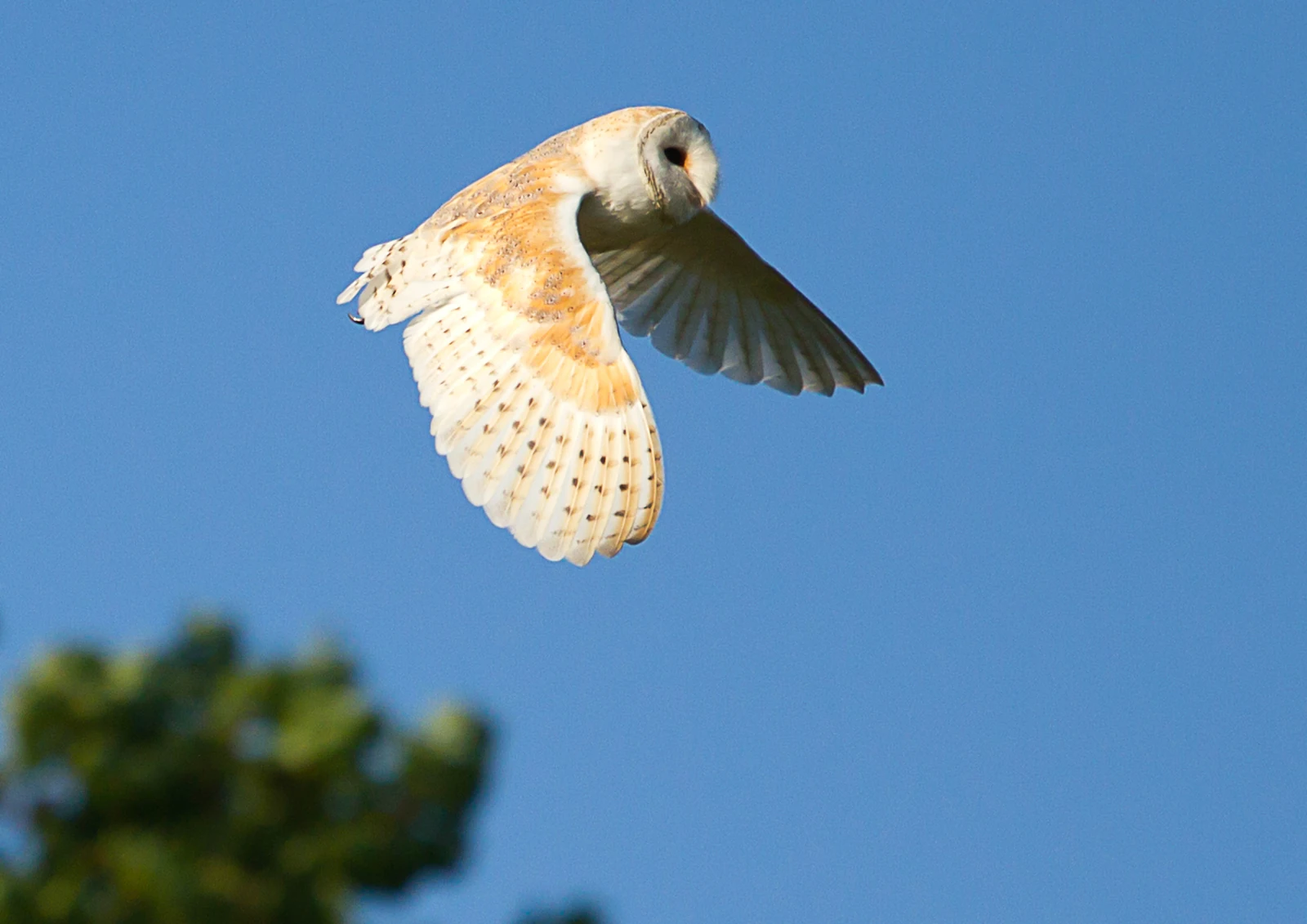
Our choice for a first purposeful owl outing is a reserve with an official public view across open habitat and a documented Short-eared Owl season. The RSPB describes this species as unusually active by day for an owl. That makes an ordinary daylight visit a practical starting point, though it does not make an appearance dependable. Choose somewhere with other wildlife you want to watch, so the whole outing remains worthwhile when the owl stays out of sight.
Barn Owl is another sensible ambition where the operator describes regular hunting over grassland. Long-eared Owl needs a different attitude: BTO describes an exceptionally secretive, largely nocturnal species. Do not turn the wish to see one into a search through sheltering trees. An operator-led opportunity, or an incidental bird moving past a public viewpoint, is enough. There is no requirement to complete all three species on one trip.
Short-eared Owls are present all year, with winter arrivals adding to the population and bringing wider lowland and coastal interest. Barn Owls are also resident, and the RSPB highlights dawn and dusk grassland watching while noting some daytime hunting in autumn and winter. Long-eared Owls remain present throughout the year too, but a national calendar tells you very little about the chance of seeing one at a particular reserve.
Use that distinction when reading the month table below. A winter chip means the local evidence supports including the bird in that month's plans; it does not describe an appointed hunting session. If your travel dates are fixed, choose a reserve with several attractions and comfortable public access. If you can choose the day, prioritise a forecast and return journey you can manage without lingering after permitted access ends.
Begin with the broad impression, then look for details you can actually see. Short-eared Owl has broad wings, a rounded-looking head and mottled brown upperparts, while Barn Owl typically shows a strikingly pale underside and heart-shaped face. The RSPB's identification pages provide photographs and descriptions worth studying before leaving home. Do not make colour your only test against low sun, where either bird can appear surprisingly pale.
Keep the bird in view long enough to note its shape, route and flight action. A brief glimpse over distant grass is an observation, even if you cannot resolve it to species. Record owl species uncertain when that is the honest conclusion. A companion with a telescope may help, but avoid a scramble between viewpoints that leaves everyone distracted and other visitors' access blocked.
Select one public position with a broad view and let the bird's movements develop. Binoculars are usually easier than a telescope for following an owl across a wide area. A scope can be useful when a bird is already visible at distance, provided you do not change position to discover where it rests. Keep your equipment within the available space and leave a clear route through the hide or along the path.
Resist the urge to intercept a hunting circuit. Moving repeatedly to stand ahead of the bird can turn quiet observation into persistent pressure. Do not offer food, imitate calls or use a recording to obtain a response. If an owl changes its behaviour in response to people, increase the distance calmly. The best encounter is one in which its activity continues without your intervention.
Long-eared Owl has orange eyes and conspicuous feather tufts, but those details belong to identification rather than a recipe for finding a hidden bird. BTO explains that it is more often heard than seen and that detection is difficult. Plan to enjoy suitable woodland and surrounding habitat from permitted public routes, accepting that the owl may remain entirely unseen. Do not inspect dense trees simply because another visitor hints at a resting bird.
A report is useful context only when it comes with legitimate public viewing arrangements. Ask the operator whether there is an appropriate watch or guided event, rather than asking for a particular tree. If there is no such opportunity, choose another part of your birding plan. A quiet decision to leave can protect the bird and prevent a crowd forming around something that should never have become a public destination.
A promising species list cannot establish whether a gate, hide or car park remains available late in the day. Read the individual reserve guide's access-times section and check current operator notices. Keep the return route simple, especially when walking surfaces, mobility needs or public transport constrain the visit. An accessible hide may work well while an unsurfaced approach after dark does not; consider the whole journey rather than one facility.
Bring a warm layer for standing still, enough battery for the journey home and a light for the path when permitted. Use it to see where you are walking, never to scan birds or illuminate resting habitat. Make the decision about dogs before leaving: the operator's restrictions apply even when the outing seems to involve sitting quietly. Leave ample room for people already using a public viewing area.
Decide on a distance you can maintain before raising the camera. A small bird within a wider landscape can make an informative photograph, particularly when it shows the habitat being watched. Cropping afterwards is preferable to moving off the visitor route for a larger image. Keep flash and bright lighting away, and abandon a frame if getting it would require stopping a bird from continuing its activity.
Never publish a nest, a resting-tree location or a sequence that makes such a location easy to reconstruct. Be equally careful when answering questions beside a hide or describing an encounter online. You can share the reserve name and enjoyment of the outing without turning a sensitive place into a set of directions. Follow the operator's reporting process when a conservation observation needs to reach staff.
Write down what you observed, the date, broad habitat and the public facility you used, keeping sensitive detail within the appropriate confidential reporting channel. Separate a definite identification from a possible one and note whether the bird was hunting, crossing the view or simply visible at distance. Those distinctions make your notes useful on a return visit without turning one successful evening into a false rule.
Use the linked reserve guides to compare genuine local target information and choose a repeatable outing. Returning to a manageable public watch is often more instructive than driving between rumours. Learn what the landscape looks like on quiet days as well as memorable ones. You will make better decisions about identification, access and when to leave, while keeping an owl sighting as a welcome possibility rather than an obligation.
These rows use existing reserve watching-place records and typical local seasons. Sensitive locations are withheld. Follow current operator restrictions.
| Reserve and public watching place | Typical months | Best light | Scope |
|---|---|---|---|
| RSPB Bempton Cliffs: The Lookout | January, February, March, April, May, June, July, August, September, October, November, December | either | not needed |
| RSPB Bempton Cliffs: The Lookout | October, November, December, January, February, March | either | not needed |
| RSPB Newport Wetlands: Sculpture Trail reedbed screens and viewing platform | January, February, March, April, May, June, July, August, September, October, November, December | either | useful |
| WWT Steart Marshes: Otterhampton Marsh viewing platforms | January, February, March, October, November, December | either | useful |
| WWT Steart Marshes: Otterhampton Marsh viewing platforms | January, February, March, April, May, June, July, August, September, October, November, December | either | useful |
| RSPB Frampton Marsh: Raptor viewpoint | January, February, March, October, November, December | not applicable | essential |
| RSPB Otmoor: Wetlands Watch lookout | January, February, March, April, May, June, July, August, September, October, November, December | either | essential |
| RSPB Blacktoft Sands: Singleton Hide | January, February, March, April, May, June, July, August, September, October, November, December | either | useful |
| Spurn National Nature Reserve: Canal Zone public path | January, February, March, October, November, December | either | not needed |
| Spurn National Nature Reserve: Canal Zone public path | January, February, March, April, May, June, July, August, September, October, November, December | either | not needed |
| RSPB Rainham Marshes: Shooting Butts hide | November, December, January, February | either | useful |
| RSPB Ham Wall: Viewing Platform 1 | May, June, July, August | either | useful |
The months below come from each reserve’s local birding guide. They describe typical presence or a preferred watching season; national occurrence can be broader. Reports show past observations and cannot promise an encounter. Sensitive birds have no published watching position.
| Species | Reserve guide | Typical or preferred months |
|---|---|---|
| Short-eared Owl | Skomer Island | April, May, June, July |
| Barn Owl | RSPB Bempton Cliffs | January, February, March, April, May, June, July, August, September, October, November, December |
| Short-eared Owl | RSPB Bempton Cliffs | October, November, December, January, February, March |
| Barn Owl | RSPB Newport Wetlands | January, February, March, April, May, June, July, August, September, October, November, December |
| Short-eared Owl | WWT Steart Marshes | January, February, March, October, November, December |
| Barn Owl | WWT Steart Marshes | January, February, March, April, May, June, July, August, September, October, November, December |
| Short-eared Owl | RSPB Frampton Marsh | January, February, March, October, November, December |
| Barn Owl | RSPB Otmoor | January, February, March, April, May, June, July, August, September, October, November, December |
| Barn Owl | RSPB Blacktoft Sands | January, February, March, April, May, June, July, August, September, October, November, December |
| Short-eared Owl | Spurn National Nature Reserve | January, February, March, October, November, December |
| Barn Owl | Spurn National Nature Reserve | January, February, March, April, May, June, July, August, September, October, November, December |
| Short-eared Owl | RSPB Rainham Marshes | November, December, January, February |
| Barn Owl | RSPB Ham Wall | May, June, July, August |
| Barn Owl | Holkham National Nature Reserve | January, February, March, April, May, June, July, August, September, October, November, December |
| Short-eared Owl | Lindisfarne National Nature Reserve | October, November, December, January, February, March |
| Barn Owl | RSPB Dearne Valley – Old Moor | August, September, October, November |
| Barn Owl | NWT Hickling Broad and Marshes | January, February, March, April, May, June, July, August, September, October, November, December |
| Barn Owl | Lakenheath Fen | January, February, March, October, November, December |
| Short-eared Owl | Ouse Washes | January, February, March, October, November, December |
| Short-eared Owl | Elmley National Nature Reserve | October, November, December, January, February, March |
| Barn Owl | Elmley National Nature Reserve | January, February, March, April, May, June, July, August, September, October, November, December |
| Long-eared Owl | Elmley National Nature Reserve | October, November, December, January, February, March |
| Short-eared Owl | RSPB Wallasea Island | January, February, March, October, November, December |
| Short-eared Owl | RSPB Northward Hill | January, February, November, December |
| Short-eared Owl | RSPB Geltsdale | January, February, March, April, May, June, July, August, September, October, November, December |
| Short-eared Owl | Sandwich Bay Bird Observatory | October |
| Short-eared Owl | RSPB Dee Estuary – Parkgate | October, November, December, January, February, March |
| Short-eared Owl | RSPB Nene Washes | January, February, November, December |
| Short-eared Owl | RSPB Cliffe Pools | November, December, January, February |
| Barn Owl | RSPB Greylake | November, December, January, February |
| Short-eared Owl | RSPB Medmerry | January, February, March, October, November, December |
| Short-eared Owl | Lymington–Keyhaven Marshes Nature Reserve | September, October, November, December, January, February |
| Barn Owl | RSPB Havergate Island | January, February, March, April, May, June, July, August, September, October, November, December |
| Short-eared Owl | Wicken Fen | January, February, March, October, November, December |
| Barn Owl | Wicken Fen | January, February, March, April, May, June, July, August, September, October, November, December |
| Barn Owl | College Lake | January, February, March, April, May, June, July, August, September, October, November, December |
| Barn Owl | RSPB Langford Lowfields | November, December, January, February |
| Barn Owl | RSPB Wood of Cree | January, February, March, April, May, June, July, August, September, October, November, December |
| Short-eared Owl | RSPB Cottascarth and Rendall Moss | September, October, November, December, January, February |
| Short-eared Owl | Farlington Marshes | January, February, March, October, November, December |
Some links earn us a small commission at no extra cost to you. Bases are geographical suggestions, with no claim of property inspection or availability.
A settlement base for the WWT Steart Marshes visit shown below.
A settlement base for the Elmley National Nature Reserve visit shown below.
A settlement base for the RSPB Dee Estuary – Parkgate visit shown below.
Public places covered in this guide include Skomer Island, RSPB Bempton Cliffs, RSPB Newport Wetlands.
All three occur in the UK throughout the year; winter can improve some watching opportunities. Local reserve months describe local patterns, not a national promise.
Watch from official public facilities and paths. Do not seek nests or communal resting sites, use playback, bait an owl or follow it across habitat.
Reviewed 2026-10-19.