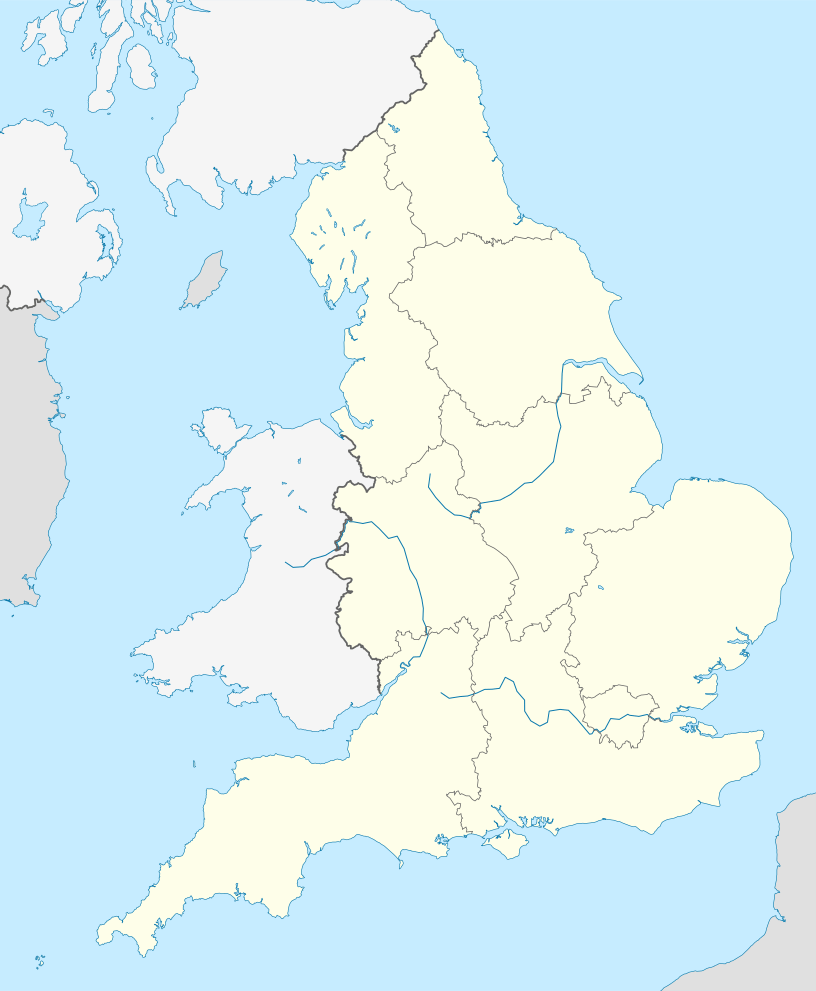

Short entry2.7 miles away
Alkborough Flats
West of Alkborough, Humber confluence · Reedbeds, wet grassland, intertidal mud and pools
 the ai birderBirding near me
The AI Birder · one-page field sheet
Ousefleet, Goole, East Riding of Yorkshire, England · DN14 8HR · DN14 8HR

Current planning alert (2026-10-09): Blacktoft’s car park is locked outside its opening window: 09:00 until 18:00 or dusk, whichever comes first. Leave before the gate closes.
Marsh Harrier · Bearded Tit · Tree Sparrow · Wigeon · Teal · Gadwall
Reception Hide · First Hide · Reedling Hide · Marshland Hide · Townend Hide · Singleton Hide · Ousefleet Hide · Ousefleet viewing screen · Main Trail scrub
Check current access, hide closures and operator notices before travelling. Seasonal birds are possibilities, not promised sightings. Keep to authorised routes and give wildlife space.
Opening and charges checked 2026-10-18. Operator: https://www.rspb.org.uk/days-out/reserves/blacktoft-sands
Full guide and current source links: https://aibirder.co.uk/reserves/rspb-blacktoft-sands
EN 18 · RSPB reserve guide
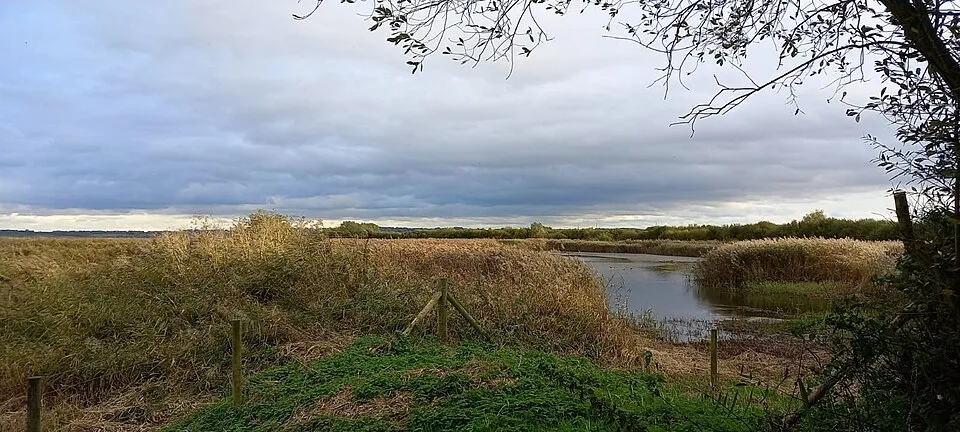
Ousefleet, Goole, East Riding of Yorkshire, England · DN14 8HR
Marsh Harriers, Bitterns and Bearded Tits inhabit England's largest tidal reedbed; Avocets breed on the lagoons, passage waders gather from summer into autumn, and winter brings large Lapwing and Golden Plover flocks.
Decide if the visit fits.
Last checked 18 October 2026.
Blacktoft’s car park is locked outside its opening window: 09:00 until 18:00 or dusk, whichever comes first. Leave before the gate closes.
Opening and charges information · checked .
Stay nearby →Reserve overview
Marsh Harriers, Bitterns and Bearded Tits inhabit England's largest tidal reedbed; Avocets breed on the lagoons, passage waders gather from summer into autumn, and winter brings large Lapwing and Golden Plover flocks.
Eight checks for a smoother visit.
Conditions change: check the operator and transport notices before travelling.
January: typically begin at Ousefleet Hide for Wigeon and Teal, then use Singleton Hide for Marsh Harriers. A still morning helps with reedbed calls, but the gates prevent a casual dawn arrival. February: Wigeon and Teal remain useful Ousefleet targets, with Golden Plovers and Lapwings on suitable open ground. At Singleton, watch over the reeds without trying to approach the harriers. March: Marsh Harrier display and possible booming Bitterns usually make Singleton Hide worthwhile. Search for early Avocets from Marshland Hide and listen for Chiffchaffs on the Main Trail. April: typically spend a long session at Marshland Hide for Avocets and Black-tailed Godwits, followed by Singleton for reedbed activity. Bird song is usually easier to pick out in light wind. May: Avocets are a Marshland priority; Reedling Hide offers another lagoon angle and a chance of Garganey. Listen to Reed Buntings from Main Trail scrub without following birds into cover. June: typically combine Avocets at Marshland with Marsh Harriers from Singleton. Check the reed edges from Townend Hide for Water Rails and use the Ousefleet route for Skylarks. July: returning passage birds broaden the lagoon watch. Compare Black-tailed Godwits, Ruff and Green Sandpipers from Marshland and Reedling hides; water levels determine which edges are useful. August: Ruff, Dunlin and Spotted Redshanks usually make Marshland a good first stop. Bearded Tits can show at Ousefleet reed edges on calm days, viewed from the official screen. September: typically work through the Marshland waders slowly, distinguishing Snipe, Ruff and Spotted Redshanks. Townend adds Water Rails; leave room to revisit a productive hide rather than rushing every branch. October: Teal and other winter ducks build, while Ousefleet may retain Black-tailed Godwits and Stonechats. Singleton provides a broad reedbed watch as autumn progresses. November: typically favour Ousefleet for Wigeon, Teal and open-ground waders, then Singleton for Marsh Harriers. Plan the final watch around the actual gate closing time, particularly on short afternoons. December: a quiet sequence of First, Marshland and Ousefleet hides lets you compare ducks and Snipe without a long exposed walk. Singleton can provide a final harrier watch while enough daylight remains for the return.
Best conditions: Typically calm weather is best for hearing Bitterns and locating Bearded Tits in the reeds. Our choice for lagoon identification is bright overcast light, switching hides when glare obscures mud or reed edges. Strong wind makes prolonged outdoor watching less comfortable, while the hides provide shelter. Any late harrier watch must fit the gate hours. The scope and light ratings are editorial: closer lagoon birds suit binoculars, with a scope useful across the grazing marsh.
Admission information checked on 18 October 2026. The published 2026 non-member rates are £5 per adult, £2 per child aged 5–17 and £3 per student with valid ID. RSPB members, visitors aged 16–24, under-fives, the first child and carers enter free. No advance booking is needed for an ordinary visit; pay at reception. Groups of ten or more use the RSPB group-booking arrangements. The operator lists daily opening from 09:00 until 18:00 or dusk, with the car park locked outside those hours. Reception has seasonal hours; the retrieved calendar shows 09:00–16:00, so use its date selector for your intended visit. The RSPB access guide lists parking as free. Check the current opening calendar and access notices before travelling, and park only in the designated area, keeping roadside verges and gateways clear.
Access times: Reserve: From 9am; leave by 6pm or dusk, whichever is earlier. · Hides: Six viewing hides follow reserve hours; Reception Hide has shorter seasonal staffing hours. · Car park: 9am–6pm or dusk; locked outside these hours. · Dawn access: no. Operator opening information.
Two linear trails connect the reserve’s viewing places. The Main Trail passes the core lagoon hides; the Ousefleet branch leaves it between Reedling and Marshland and continues towards the grazing marsh. The RSPB gives the closest hide as 90 metres from reception and the furthest main-trail hide as 400 metres, with Ousefleet about 800 metres from reception. Those short distances leave plenty of opportunity for watching rather than making the visit primarily a walk. Reception Hide doubles as the visitor centre, while First, Townend, Singleton, Reedling, Marshland and Ousefleet provide different views across the wetland. A second angle is often valuable when islands or reeds conceal part of a flock. Work across a lagoon methodically, noticing feeding depth and behaviour as well as plumage. Birds probing the muddy edge can be using a different food source from ducks filtering in slightly deeper water. Two-hour plan: spend an initial session at a main-trail lagoon hide, move to Marshland for a contrasting view and finish at Singleton if reedbed birds are the priority. In spring, allow time to listen between hides; during wader passage, make the lagoon comparison the main activity. A quiet twenty-minute watch can reveal birds that never appear during a quick look through each window. Full-day plan: begin with the main lagoon hides, take a picnic break and add the Ousefleet branch when conditions suit. Return through the core hides later, comparing the light and bird positions with the morning visit. In winter, reserve the final part of the open day for a reedbed watch, then return in good time. In summer, investigate the scrub birds and insects between viewing sessions. Keep doors quiet, leave bags clear of aisles and share the best window positions. The paths are linear, so remember that moving to the furthest viewpoint commits you to a return along the same general route.
Use the linked reserve map and directions with current access notices. Species are typical seasonal targets. Light and telescope advice reflects our choice of viewpoint.
Reedbeds through the visitor-centre window
Sloping approach and internal ramp; open only in staffed seasonal hours.
Winter: Marsh Harrier
Spring: Marsh Harrier
Summer: Marsh Harrier
Autumn: Marsh Harrier
Light: either. Scope: useful.
Lagoon, islands and reed edges
Wheelchair space on the lower level; upper seating is reached by steps.
Winter: Teal, Gadwall
Spring: Avocet, Shoveler
Summer: Avocet
Autumn: Teal, Shoveler
Light: either. Scope: useful.
Shallow lagoon and reed margins
Wheelchair space below; upper seating has steps.
Winter: Teal, Gadwall
Spring: Avocet, Little Ringed Plover
Summer: Black-tailed Godwit, Little Ringed Plover
Autumn: Black-tailed Godwit, Dunlin
Light: either. Scope: useful.
Lagoon islands, exposed mud and reed edges
Single-level hide with wheelchair spaces and moveable benches.
Winter: Teal, Snipe
Spring: Avocet, Black-tailed Godwit
Summer: Avocet, Black-tailed Godwit, Ruff
Autumn: Ruff, Snipe, Dunlin, Spotted Redshank
Light: either. Scope: useful.
Lagoon and reedbed edge
Single-level hide with wheelchair spaces.
Winter: Water Rail, Teal
Spring: Marsh Harrier, Water Rail
Summer: Water Rail, Marsh Harrier
Autumn: Water Rail, Bearded Tit
Light: either. Scope: useful.
Broad reedbed and its shallow lagoon
Single-level hide with wheelchair spaces; leave before the reserve closes.
Winter: Marsh Harrier, Barn Owl
Spring: Bittern, Marsh Harrier, Barn Owl
Summer: Marsh Harrier, Barn Owl
Autumn: Marsh Harrier, Barn Owl
Light: either. Scope: useful.
Grazing marsh, lagoon and reedbed margins
Single-level hide; the grass approach can be rough or difficult when wet.
Winter: Wigeon, Teal, Lapwing, Golden Plover
Spring: Skylark, Shoveler
Summer: Skylark, Meadow Pipit
Autumn: Black-tailed Godwit, Stonechat
Light: either. Scope: useful.
Reed edges beside the Ousefleet viewpoint
The RSPB says this screen does not provide wheelchair access.
Spring: Bearded Tit
Summer: Bearded Tit
Autumn: Bearded Tit
Light: either. Scope: not needed.
Willow scrub and the reed fringe between hides
Remain on the signed trails; give feeding and singing birds space.
Winter: Tree Sparrow, Cetti’s Warbler
Spring: Tree Sparrow, Chiffchaff, Reed Bunting
Summer: Cetti’s Warbler, Reed Bunting
Autumn: Tree Sparrow, Reed Bunting
Light: either. Scope: not needed.
| Spot | Overlooks | Key species by season | Best light | Scope | Tide |
|---|---|---|---|---|---|
| Reception HideSloping approach and internal ramp; open only in staffed seasonal hours. | Reedbeds through the visitor-centre window | Winter: Marsh Harrier Spring: Marsh Harrier Summer: Marsh Harrier Autumn: Marsh Harrier | either | useful | — |
| First HideWheelchair space on the lower level; upper seating is reached by steps. | Lagoon, islands and reed edges | Winter: Teal, Gadwall Spring: Avocet, Shoveler Summer: Avocet Autumn: Teal, Shoveler | either | useful | — |
| Reedling HideWheelchair space below; upper seating has steps. | Shallow lagoon and reed margins | Winter: Teal, Gadwall Spring: Avocet, Little Ringed Plover Summer: Black-tailed Godwit, Little Ringed Plover Autumn: Black-tailed Godwit, Dunlin | either | useful | — |
| Marshland HideSingle-level hide with wheelchair spaces and moveable benches. | Lagoon islands, exposed mud and reed edges | Winter: Teal, Snipe Spring: Avocet, Black-tailed Godwit Summer: Avocet, Black-tailed Godwit, Ruff Autumn: Ruff, Snipe, Dunlin, Spotted Redshank | either | useful | — |
| Townend HideSingle-level hide with wheelchair spaces. | Lagoon and reedbed edge | Winter: Water Rail, Teal Spring: Marsh Harrier, Water Rail Summer: Water Rail, Marsh Harrier Autumn: Water Rail, Bearded Tit | either | useful | — |
| Singleton HideSingle-level hide with wheelchair spaces; leave before the reserve closes. | Broad reedbed and its shallow lagoon | Winter: Marsh Harrier, Barn Owl Spring: Bittern, Marsh Harrier, Barn Owl Summer: Marsh Harrier, Barn Owl Autumn: Marsh Harrier, Barn Owl | either | useful | — |
| Ousefleet HideSingle-level hide; the grass approach can be rough or difficult when wet. | Grazing marsh, lagoon and reedbed margins | Winter: Wigeon, Teal, Lapwing, Golden Plover Spring: Skylark, Shoveler Summer: Skylark, Meadow Pipit Autumn: Black-tailed Godwit, Stonechat | either | useful | — |
| Ousefleet viewing screenThe RSPB says this screen does not provide wheelchair access. | Reed edges beside the Ousefleet viewpoint | Spring: Bearded Tit Summer: Bearded Tit Autumn: Bearded Tit | either | not needed | — |
| Main Trail scrubRemain on the signed trails; give feeding and singing birds space. | Willow scrub and the reed fringe between hides | Winter: Tree Sparrow, Cetti’s Warbler Spring: Tree Sparrow, Chiffchaff, Reed Bunting Summer: Cetti’s Warbler, Reed Bunting Autumn: Tree Sparrow, Reed Bunting | either | not needed | — |
Month chips show typical presence or our preferred viewing season. Choose birds that suit the time of your visit.
The reserve has a tidal reedbed and managed lagoons. Compare the lagoons and grazing marsh during the visit; river tides and managed water can change which margins are exposed. No operator-published best tide or minimum height was established, so use Blacktoft predictions as context and follow reserve notices after flooding.
Season: Autumn and winter harrier watching from official hides, with Marsh Harriers the regular target.. Arrival time: The RSPB local-group account recommends roughly an hour before sunset, but this must fit the reserve’s earlier-of-dusk-or-6pm closing.. Leave room in the hides and return to the car park before it is locked. Do not wait beside the reeds or seek a different roost position.
The access arrangements for RSPB Blacktoft Sands were checked on 18 October 2026. Accessible parking reduces the distance to Reception Hide to about 100 metres, and the RSPB describes a drop-off arrangement by reception for access visitors. The approach crosses the sea wall on a crushed-limestone track with gradients. Reception has a sloping entrance and a ramp between its internal levels; discuss the full approach if a gradient or manual door affects your visit. All six viewing hides provide wheelchair spaces. First and Reedling also have upper seating reached only by steps; Ousefleet, Marshland, Townend and Singleton are on one level. Most benches are fixed, with moveable benches at Marshland. A separate viewing screen lacks wheelchair provision. The Ousefleet branch becomes rough grass and may be difficult in wet conditions. A manual wheelchair can be borrowed free, and a hearing loop is available in Reception Hide on request. The accessible toilet is beside the parking area, without electrical lighting. The detailed access guide includes doorway and transfer-space measurements. Send the team the requirements that matter to you before travelling, so advice can concern a particular hide and route rather than general accessibility.
Reception supplies takeaway hot drinks, cakes and snacks while staffed; there is no full café. Bring lunch and water for a longer session among the hides. A picnic area is beside the entrance path, and general toilets are next to the car park. Binocular hire follows reception availability, with equipment due back before the building closes and last hire an hour before closing. Information boards help with orientation when staff are unavailable. Take litter away and do not use barbecues on the reserve.
Pet dogs are excluded from the reserve, while assistance dogs are welcome throughout. Organise a separate pet-care or dog-walking arrangement before a birdwatching visit. Leaving a dog in the vehicle while the party uses the hides is not a suitable way to work around the reserve rule.
Transport sources checked on 18 October 2026. Goole is the nearest railway station identified by the RSPB. Stagecoach’s 360/361 corridor connects Goole and Scunthorpe with a stop at Blacktoft Sands; the reserve directions confirm that the stop is at the entrance. Match the actual outward and return journeys before choosing a train, as route variants and day-of-week arrangements matter more than the corridor number alone. The RSPB’s detailed access PDF still links an older East Yorkshire 361 page; its current location page names Stagecoach, whose timetable information is linked below. Use the current operator when planning rather than relying on a saved historic PDF. A pre-booked taxi from Goole is another option when the available buses do not fit your visit. Drivers approach from Goole through Swinefleet, Reedness, Whitgift and Ousefleet, using the signed reserve entrance beyond the village. Cycle routes through Ealand and Keadby remain some distance south of the reserve. Accommodation drive figures use OSRM/OpenStreetMap road routes measured on 18 October 2026, excluding live traffic.
Useful bases for an early start.
Booking.com links are affiliate links: we may earn a commission at no extra cost to you. How these links work.
About 8.8 miles by road, roughly 17 minutes’ drive to the reserve. OSRM measured the Goole journey for RSPB Blacktoft Sands on 18 October 2026; the estimate excludes live traffic.
Measured driving route · 2026-10-18. Map estimates exclude live traffic.
A rail base on the reserve bus corridor.Find places to stay in Goole on Booking.comAbout 13.6 miles by road, roughly 31 minutes’ drive to the reserve. OSRM measured the Scunthorpe journey for RSPB Blacktoft Sands on 18 October 2026; the estimate excludes live traffic.
Measured driving route · 2026-10-18. Map estimates exclude live traffic.
A town base south of the Humber for a wider visit.Find places to stay in Scunthorpe on Booking.comAbout 19.0 miles by road, roughly 30 minutes’ drive to the reserve. OSRM measured the Thorne journey for RSPB Blacktoft Sands on 18 October 2026; the estimate excludes live traffic.
Measured driving route · 2026-10-18. Map estimates exclude live traffic.
A separate town base for exploring the inland wetland landscape.Find places to stay in Thorne on Booking.comExplore East Riding of Yorkshire’s full guides and smaller birding sites
Call 01405 704665 or email blacktoft.sands@rspb.org.uk for reserve enquiries. The address is Blacktoft Sands, Goole, East Riding of Yorkshire, DN14 8HR. The official sightings section includes named lagoons and dated observations, helping visitors decide where to begin. When reporting a bird, include the hide, time and direction of view. For organised visits or route-specific access needs, contact the team beforehand so the visit can be planned around the party’s requirements.
Check RSPB Blacktoft Sands: dated reserve sightings. irregular; displayed update 9 September 2026 Reports show what has been seen, not what will be.
Follow the BTO Birders’ Code and give wildlife space.
RSPB Blacktoft Sands: Adults £5, children £2, students £3; members free; parking free.
RSPB Blacktoft Sands: Pet dogs are excluded from the reserve, while assistance dogs are welcome throughout.
RSPB Blacktoft Sands: Spring Avocets and warblers · summer and autumn waders · winter raptor roosts.
RSPB Blacktoft Sands: Accessible parking reduces the distance to Reception Hide to about 100 metres, and the RSPB describes a drop-off arrangement by reception for access visitors.
RSPB Blacktoft Sands: Transport sources checked on 18 October 2026.
Shorter stops within 15 miles in a straight line. Use the operator’s arrival directions for the journey.
West of Alkborough, Humber confluence · Reedbeds, wet grassland, intertidal mud and pools
Dryham Lane, North Cave · Lakes, reedbeds, islands and wet grassland
Sand Lane, near North Cliffe · Broadleaved woodland, small reedbed and lowland heath
Mortal Ash Hill, Scunthorpe · Former sand and gravel workings with lakes, scrub, grassland and woodland
Maltkiln Road, Barton-upon-Humber · Ponds, reedbeds, woodland, meadow and Humber foreshore
B1400 opposite Scallow Grove Farm, Messingham · Lagoons, woodland, marsh, grassland and heath
West of Epworth, Isle of Axholme · Former peat workings, woodland and wetland
Barlow, south of Selby · Woodland, ponds, wetland and flower-rich grassland
Nearby complete guides.
Stops with a purpose: use one as a contrasting habitat or weather-proof Plan B. Distances are straight-line estimates, not road journeys.