

EN 58 · RSPB reserve guide
RSPB Geltsdale
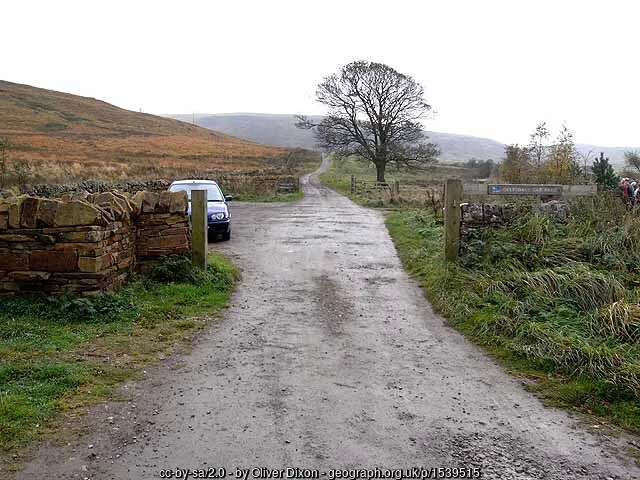
Hallbankgate, Cumbria, England · CA8 2PN
Black Grouse, Curlew, Hen Harrier, Ring Ouzel
Decide if the visit fits.
RSPB Geltsdale at a glance
Last checked 18 October 2026.
- Open
- Reserve open 24 hours; plan parking dawn–dusk because official pages conflict.More about open
- Price / parking
- Free entry and parking.More about price / parking
- Best time
- Spring breeding waders and upland birds; year-round landscape wa…More about best time
- Dogs
- Dogs are welcome on a lead because Geltsdale remains a working f…More about dogs
- Toilets
- The ordinary toilet is beside the centre, a mile from the main p…More about toilets
- Step-free
- Geltsdale’s paths are uneven tracks and grassy farmland routes,…More about step-free
Opening and charges information · checked .
Stay nearby →On this page
Reserve overview
Geltsdale reserve and habitat
Black Grouse, Curlew, Hen Harrier, Ring Ouzel
Eight checks for a smoother visit.
Planning your visit to Geltsdale
Conditions change: check the operator and transport notices before travelling.
Geltsdale best time to visit and seasonal birds
January: typically look for Siskin and Great Spotted Woodpecker from Visitor Centre feeding station. Use daylight vehicle access until the conflicting hours are clarified. Check feeding birds first, then look more widely through the trees without leaving the public visitor area. February: typically look for Dipper from Stagsike trail. A clear low-level walk can be preferable to an exposed hill circuit. Keep the walk proportionate to ground conditions; watching from a safe lower route is still useful birding. March: typically look for Lapwing and Curlew from Stagsike trail. Watch from the trail, never cross fields towards birds. Calling birds may be defending space, so let the trail determine your position rather than their movements. April: typically look for Skylark and Meadow Pipit from Stagsike trail. Listen before scanning the grassland. Compare the near slope with the wider view, allowing time for small birds to reveal themselves. May: typically look for Wheatear and Whinchat from Stagsike trail. Use binoculars from the path. Choose one good viewing position and watch for repeated movement without tracing a bird back to cover. June: typically look for Sedge Warbler and Willow Warbler from Tindale Tarn screen. Do not enter reeds or waterside cover. An open screen can improve the view without providing warmth, so keep a spare layer handy. July: typically look for Coot and Mallard from Tindale Tarn screen. Stay at the official screen. A steady scan of the visible water is better than repeatedly moving around the edge. August: typically look for Whinchat from Stagsike trail. Departure timing varies; recent reports help. Use the birds already in view as the focus instead of trying to recover a missed earlier sighting. September: typically look for Meadow Pipit from Stagsike trail. Choose a lighter-wind forecast. Check the forecast before leaving the lower circuit for any longer walk across exposed ground. October: typically look for Red Grouse from Stagsike trail. No grouse lek or nest directions are supplied. Keep the visit on ordinary public routes; conservation work does not create permission to enter fields. November: typically look for Mute Swan and Mallard from Tindale Tarn screen. Allow time for the return. Allow for softer ground on the screen approach and leave time to walk back comfortably. December: typically look for Reed Bunting and Siskin from Visitor Centre feeding station. Centre facilities have separate opening hours. The short winter day suits a compact circuit with a deliberate feeding-station stop rather than a rushed hike.
Best conditions: Prefer a calm, clear morning on the lower public circuit. Listen for upland songbirds before walking farther, use the tarn screen for a steadier wetland watch and avoid an exposed circuit in poor visibility. Scope distant birds without leaving the path.
Geltsdale opening times, entry and facilities
Checked on 18 October 2026: the RSPB charges page lists free reserve entry and free parking for everyone, with no advance booking needed for an ordinary visit. Organised activities and groups should be arranged separately. Use the small official parking area rather than leaving a vehicle in a gateway or obstructing farm access. The facilities page gives the car park as dawn–dusk. The retrieved opening calendar still showed August 2026, with 24-hour reserve, hide and parking access and visitor-centre/toilet hours of 9am–5pm. Those pages do not provide one unambiguous current parking schedule; plan a daylight visit within dawn–dusk and contact the reserve before depending on indoor facilities at a particular hour. Check current weather and RSPB notices before travelling, especially when choosing a higher or more exposed walk.
Access times: Reserve: October 2026 calendar lists 24-hour reserve access; use signed public routes and suitable weather. · Hides: Calendar lists hide open 24 hours; actual public facility is the open Tindale Tarn screen. Visitor centre/toilets listed 9am–5pm. · Car park: Operator information conflicts: facilities/main page says dawn–dusk, while October calendar says 24 hours. Plan vehicle access for dawn–dusk and check with the reserve before relying on an earlier or later visit. · Dawn access: partly. Operator opening information.
Geltsdale trails, hides and visit length
The three-mile Stagsike circuit is the RSPB’s published spring-walk suggestion, passing a view over Tindale Tarn and the small information centre. It is a useful first encounter with the farmland and wetland part of Geltsdale, allowing plenty of stops without setting off into the more remote uplands. Take the signed route as your framework, then vary the time spent watching rather than improvising shortcuts across grazed or nesting ground. The tarn has a viewing screen, while the wider reserve’s viewpoints offer open-country scanning rather than a chain of enclosed hides. The RSPB lists five trails overall. For a first visit, establish which one matches your ability and the day’s weather before leaving the entrance. Cold Fell and the wider high ground require separate hillwalking planning, navigation and equipment; adding them is a different day from a relaxed tarn visit. Two-hour plan — our suggestion: make a measured outward walk towards Stagsike, stopping to listen over the farmland and using an appropriate turnaround point. Complete the longer circuit only if your pace and the conditions leave enough time. The aim is to watch the birds rather than turn a short window into a race. Full-day plan — our recommendation: give the Stagsike circuit the morning, spending a prolonged session at the authorised tarn view. Pause for a packed lunch, then revisit productive stretches or add another signed lower-level trail after assessing the ground and daylight. Finish with a final farmland scan from the return route. Keep away from cattle with calves, avoid blocking gateways, and turn back promptly when weather or visibility makes the chosen walk unsuitable.
Where to watch at Geltsdale
Use the linked reserve map and directions with current access notices. Species are typical seasonal targets. Light and telescope advice reflects our choice of viewpoint.
Tindale Tarn screenWinter · Spring · Summer · Autumn
Tarn, reed edges and waterside trees
Level pasture approach can be soft; no ramp or steps at the screen.
Winter: Mallard, Coot, Mute Swan
Spring: Willow Warbler, Sedge Warbler, Mallard, Coot, Mute Swan
Summer: Willow Warbler, Sedge Warbler, Mallard, Coot, Mute Swan
Autumn: Willow Warbler, Sedge Warbler, Mallard, Coot, Mute Swan
Light: either. Scope: useful.
Visitor Centre feeding stationWinter · Spring · Summer · Autumn
Feeding station and trees beside the information centre
One mile from the main car park; centre opening hours do not imply vehicle access.
Winter: Siskin, Great Spotted Woodpecker, Reed Bunting
Spring: Siskin, Great Spotted Woodpecker, Reed Bunting
Summer: Siskin, Great Spotted Woodpecker, Reed Bunting
Autumn: Siskin, Great Spotted Woodpecker, Reed Bunting
Light: either. Scope: not needed.
| Spot | Overlooks | Key species by season | Best light | Scope | Tide |
|---|---|---|---|---|---|
| Tindale Tarn screenLevel pasture approach can be soft; no ramp or steps at the screen. | Tarn, reed edges and waterside trees | Winter: Mallard, Coot, Mute Swan Spring: Willow Warbler, Sedge Warbler, Mallard, Coot, Mute Swan Summer: Willow Warbler, Sedge Warbler, Mallard, Coot, Mute Swan Autumn: Willow Warbler, Sedge Warbler, Mallard, Coot, Mute Swan | either | useful | — |
| Stagsike trailWorking farm, cattle, uneven ground and muddy sections; stay on marked public routes. | Public upland track, meadows and woodland pasture | Winter: Red Grouse, Dipper Spring: Curlew, Lapwing, Redshank, Snipe, Whinchat, Red Grouse, Meadow Pipit, Skylark, Wheatear, Dipper, Cuckoo Summer: Curlew, Lapwing, Redshank, Snipe, Whinchat, Red Grouse, Meadow Pipit, Skylark, Wheatear, Dipper, Cuckoo Autumn: Red Grouse, Meadow Pipit, Skylark, Wheatear, Dipper | either | useful | — |
| Visitor Centre feeding stationOne mile from the main car park; centre opening hours do not imply vehicle access. | Feeding station and trees beside the information centre | Winter: Siskin, Great Spotted Woodpecker, Reed Bunting Spring: Siskin, Great Spotted Woodpecker, Reed Bunting Summer: Siskin, Great Spotted Woodpecker, Reed Bunting Autumn: Siskin, Great Spotted Woodpecker, Reed Bunting | either | not needed | — |
Target species at Geltsdale
Month chips show typical presence or our preferred viewing season. Choose birds that suit the time of your visit.
Headline birds
- MarAprMayJunJul
- WhinchatStagsike trailStagsike trailMayJunJulAug
- Black GrouseFollow the operator’s sensitive-species advice.JanFebMarAprMayJunJulAugSepOctNovDec
- Hen HarrierFollow the operator’s sensitive-species advice.JanFebMarAprMayJunJulAugSepOctNovDec
Regular birds
- MarAprMayJunJul
- MarAprMayJunJul
- MarAprMayJunJul
- Red GrouseStagsike trailStagsike trailJanFebMarAprMayJunJulAugSepOctNovDec
- Meadow PipitStagsike trailStagsike trailMarAprMayJunJulAugSepOct
- SkylarkStagsike trailStagsike trailMarAprMayJunJulAugSep
- WheatearStagsike trailStagsike trailAprMayJunJulAugSep
- AprMayJunJulAugSep
- Sedge WarblerTindale Tarn screenTindale Tarn screenAprMayJunJulAugSep
- JanFebMarAprMayJunJulAugSepOctNovDec
- JanFebMarAprMayJunJulAugSepOctNovDec
- JanFebMarAprMayJunJulAugSepOctNovDec
- JanFebMarAprMayJunJulAugSepOctNovDec
- JanFebMarAprMayJunJulAugSepOctNovDec
- JanFebMarAprMayJunJulAugSepOctNovDec
- JanFebMarAprMayJunJulAugSepOctNovDec
- AprMayJunJul
- Short-eared OwlFollow the operator’s sensitive-species advice.JanFebMarAprMayJunJulAugSepOctNovDec
- MerlinFollow the operator’s sensitive-species advice.MarAprMayJunJulAug
- Ring OuzelFollow the operator’s sensitive-species advice.AprMayJunJulAug
- Golden PloverFollow the operator’s sensitive-species advice.AprMayJunJul
Geltsdale accessibility and step-free routes
Geltsdale’s paths are uneven tracks and grassy farmland routes, sometimes muddy and steep, with occasional obstacles. Some pass through cattle-grazed ground. The setting is not equivalent to a surfaced wetland circuit, and anyone choosing a route for a wheelchair or pushchair should discuss the specific ground and gradients with the reserve team in advance. The main parking area has two Blue Badge spaces. Additional accessible parking can be arranged closer to the visitor centre, which may remove a substantial approach for visitors who need it. The centre itself is step-free and level inside, with uneven slate flagstones and movable chairs. Its accessible toilet is around 30m down a shallow slope from the nearby Blue Badge parking. The tarn viewing screen has no ramp or steps on its approach, but the route crosses pasture which becomes soft when wet. That distinction matters: step-free access can still be difficult for wheels on saturated grass. There is some seating on the trail network, but plan rest and turning points before setting out. Describe your mobility equipment and the distance you can manage to the team so the advice applies to your chosen visit rather than to the reserve in general.
Geltsdale visitor facilities
A small information centre offers tea- and coffee-making facilities, and two picnic tables are provided in its garden. Bring your own food, as there is none for sale on the reserve; the operator directs visitors to Hallbankgate for other supplies. The ordinary toilet is beside the centre, a mile from the main parking area, so plan accordingly before beginning the walk. RSPB Geltsdale does not provide baby-changing facilities. Carry water, food and the layers needed for an exposed day rather than depending on a shop stop.
Geltsdale dog rules
Dogs are welcome on a lead because Geltsdale remains a working farm as well as a nature reserve. Keep them close around livestock and ground-nesting birds, and follow any local route signs. Assistance dogs are welcome throughout under the RSPB’s published policy.
Geltsdale public transport and getting there
The RSPB identifies Brampton Junction on the Carlisle–Newcastle line as the rail approach, about two miles from the reserve. Northern’s Brampton station information is useful for checking the actual train and accessible travel arrangements. That rural station is separate from Brampton town centre, so name the station precisely when arranging a pickup. A pre-booked taxi for both outward and return legs is the practical connection if you do not want to add the road approach to an upland walking day. Agree the reserve’s main entrance and pickup point with the driver in advance; do not assume taxis will be waiting at the station. Arrange the onward taxi from the station in advance, agreeing the reserve entrance and return pickup. Drivers should use the RSPB’s Hallbankgate entrance information and preserve farm access along the final approach.
Useful bases for an early start.
Where to stay near Geltsdale
Booking.com links are affiliate links: we may earn a commission at no extra cost to you. How these links work.
- 01
Brampton
About 4.6 miles by road, roughly 11 minutes’ drive from the town-centre map point (OSRM estimate measured 18 October 2026; traffic excluded).
Measured driving route · 18 October 2026. Map estimates exclude live traffic.
A base in Brampton suits a longer break that includes RSPB Geltsdale.Find places to stay in Brampton on Booking.com - 02
Carlisle
About 14.1 miles by road, roughly 26 minutes’ drive from the town-centre map point (OSRM estimate measured 18 October 2026; traffic excluded).
Measured driving route · 18 October 2026. Map estimates exclude live traffic.
Carlisle offers another town base for a regional trip that includes RSPB Geltsdale.Find places to stay in Carlisle on Booking.com - 03
Haltwhistle
About 12.9 miles by road, roughly 23 minutes’ drive from the town-centre map point (OSRM estimate measured 18 October 2026; traffic excluded).
Measured driving route · 18 October 2026. Map estimates exclude live traffic.
A base in Haltwhistle suits a longer break that includes RSPB Geltsdale.Find places to stay in Haltwhistle on Booking.com
Explore Cumbria’s full guides and smaller birding sites
Geltsdale official sightings, safety and contact
Contact geltsdale@rspb.org.uk or 01697 746717. Give the intended date and explain whether you are planning a Stagsike walk, a group outing or a visit needing closer accessible parking. Ask the team about an appropriate public route for the day, without requesting sensitive nest or lek locations. The visitor address is Geltsdale, Hallbankgate, Brampton, Cumbria, CA8 2PN. Arrange guided activities through official RSPB listings and follow any meeting details supplied directly by the reserve.
Geltsdale recent bird sightings
Check RSPB Geltsdale winter visit report. dated January 2025 archive Reports show what has been seen, not what will be.
- RSPB Geltsdale winter visit reportoperator · updated dated January 2025 archive
- Cumbria regional bird sightingscounty club or recorder · updated irregular; recent highlights visible
Birding sources
- RSPB current reserve habitats and species
- RSPB public screen and trails inventory
- RSPB October 2026 hours, conflicting with facilities
- RSPB named Stagsike circuit and seasonal birds
- RSPB actual May 2022 Geltsdale visit: tarn and track species
- Reserve warden species account hosted by RSPB local group
- RSPB actual January 2025 Geltsdale visit
- Cumbria current regional bird reports and highlights
Follow the BTO Birders’ Code and give wildlife space.
Questions visitors ask
Is RSPB Geltsdale free to visit?
RSPB Geltsdale: Free entry and parking.
Can I take my dog to RSPB Geltsdale?
RSPB Geltsdale: Dogs are welcome on a lead because Geltsdale remains a working farm as well as a nature reserve.
When is the best time to visit RSPB Geltsdale?
RSPB Geltsdale: Spring breeding waders and upland birds; year-round landscape walks.
Is RSPB Geltsdale accessible for wheelchairs?
RSPB Geltsdale: The setting is not equivalent to a surfaced wetland circuit, and anyone choosing a route for a wheelchair or pushchair should discuss the specific ground and gradients with the reserve team in advance.
How do I get to RSPB Geltsdale without a car?
RSPB Geltsdale: The RSPB identifies Brampton Junction on the Carlisle–Newcastle line as the rail approach, about two miles from the reserve.
Best months for this reserve
Nearby complete guides.
Bird reserves near Geltsdale
Stops with a purpose: use one as a contrasting habitat or weather-proof Plan B. Distances are straight-line estimates, not road journeys.
- About 19 miles away · A useful habitat changeKielder Water ospreysTypically April–August for ospreys · reservoir walks year-round
- About 24 miles away · A useful habitat changeRSPB Campfield MarshAutumn–winter waders and wildfowl; spring birds and summer insects
- About 31 miles away · A useful habitat changeRSPB HaweswaterSpring woodland birds; year-round landscape and booked experiences