

EN 108 · Northumberland Wildlife Trust reserve guide
Kielder Water ospreys
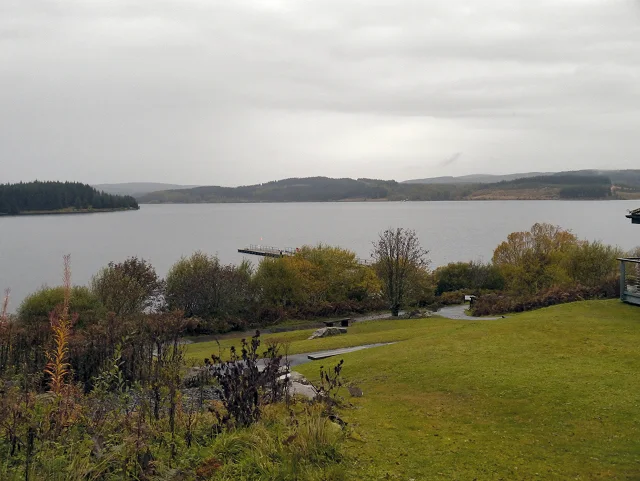
Tower Knowe, Kielder Water, Northumberland, England · NE48 1BX
Watch Kielder ospreys through the official Tower Knowe project, with cameras and supervised public viewing when the seasonal programme runs.
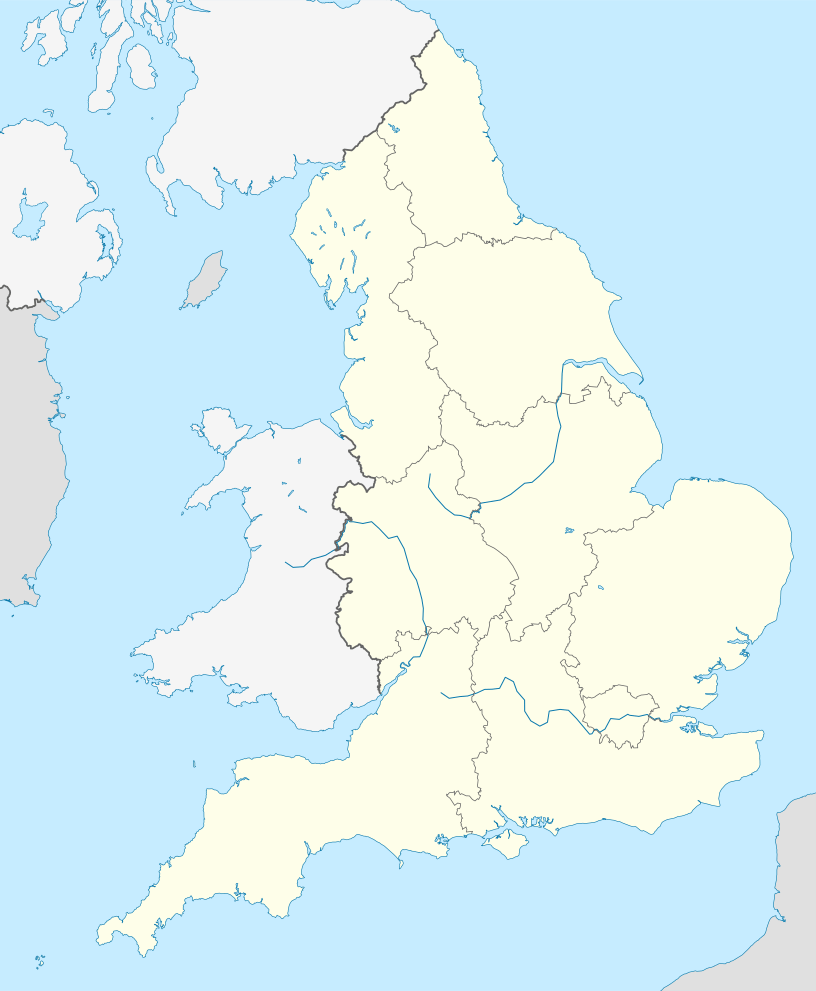
Decide if the visit fits.
Kielder Water ospreys at a glance
Last checked 18 October 2026.
- Open
- Bakethin open 24 hours; Tower Knowe visitor facilities seasonal April–October.More about open
- Price / parking
- Price not published by operator; parking tariff not confirmed in the checked pages.More about price / parking
- Best time
- Typically April–August for ospreys · reservoir walks year-roundMore about best time
- Dogs
- Keep a dog under close control on public reservoir routes and fo…More about dogs
- Toilets
- Tower Knowe advertises toilets, an information centre and shop,…More about toilets
- Step-free
- Visit Kielder lists disabled access and toilets at Tower Knowe,…More about step-free
Opening and charges information · checked .
Stay nearby →On this page
Reserve overview
Reserve and habitat
Watch Kielder ospreys through the official Tower Knowe project, with cameras and supervised public viewing when the seasonal programme runs.
Eight checks for a smoother visit.
Planning your visit
Conditions change: check the operator and transport notices before travelling.
Best time to visit and seasonal birds
January: Usually make this a Bakethin outing rather than an Osprey trip. Bakethin Hide — Lake View offers Goldeneye and Goosander possibilities. Watch each diving bird resurface, and choose a short woodland return if cold wind makes an exposed reservoir session uncomfortable. February: Crossbill is typically a late-winter listening target from Bakethin Lakeside Way woodland path. Keep to the route and scan treetops without following birds into the plantation. Bakethin Hide — Lake View adds a contrasting watch for Pochard and Tufted Duck. March: Usually combine Bakethin Hide — Lake View for winter ducks with Bakethin Lakeside Way woodland path for Crossbill. Passing Whooper Swan is a scarcer possibility from Kielder Viaduct public route. Do not assume the seasonal Tower Knowe watch has already opened. April: Osprey typically becomes a seasonal possibility, but use only the operator’s confirmed public watching arrangements. For a separate signed-route visit, Bakethin Lakeside Way woodland path offers Crossbill and Siskin. Check forestry diversions before setting off towards the viaduct. May: Put the confirmed staffed public watch first when it is operating, without searching for a private alternative viewpoint. Bakethin Hide — Forest View offers Nuthatch and Treecreeper on a separate woodland outing. The two locations require their own time and travel allowance. June: Osprey remains a typical summer interest through the official programme, never a guaranteed sighting. Add Bakethin Hide — Forest View for Treecreeper and Nuthatch. Quiet observation from a fixed position is more useful than following a bird into its cover. July: Typically use the official staffed watch for the specialist experience, then a modest separate Bakethin visit if energy allows. Mallard is a year-round comparison from Bakethin Hide — Lake View. Avoid treating the long Lakeside Way circuit as a short afterthought. August: Osprey can still be present, but confirm whether the public watch is operating before travelling. Bakethin Lakeside Way woodland path offers Siskin, and Bakethin Hide — Lake View offers a patient water watch. An old event listing is not a new timetable. September: Osprey departure varies; follow the project’s dated monitoring reports and do not expect the public watch to continue. Bakethin Hide — Forest View offers Treecreeper and Nuthatch instead. Keep the outing worthwhile through several ordinary woodland observations rather than an assumed final bird. October: Usually switch to Bakethin Hide — Lake View for returning Teal and Tufted Duck. Whooper Swan and Barnacle Goose are passage possibilities from Kielder Viaduct public route. Check the current route restrictions and do not walk a closed Castle–Bakethin connection. November: Goldeneye and Goosander typically make Bakethin Hide — Lake View the strongest starting point. A short Bakethin Lakeside Way woodland path section adds Siskin. Let the weather determine the length of the walk and keep clear of working forestry areas. December: Typically choose a settled Bakethin Hide — Lake View session for Pochard and diving ducks, with Nuthatch from Bakethin Hide — Forest View. This is a winter reservoir and woodland visit; the seasonal specialist watch is not a year-round facility.
Best conditions: Our choice is a confirmed staffed public session for the specialist experience, with calm, clear conditions for distant reservoir views. Typically quiet woodland mornings help with calls and a settled water surface helps duck identification. Light and scope ratings are editorial advice. In strong wind use the authorised hide or shorten the walk; follow all forestry closures and stay out of the operational reservoir.
Opening times, entry and facilities
Programme checked 18 October 2026: Northumberland Wildlife Trust's published 2026 Osprey Watch ran from 4 April to mid-August, on Wednesdays, Saturdays and Sundays, from 11am to 4pm at Tower Knowe. Those dates have finished and must not be treated as a timetable for 2027. Use the Trust's events page to select a future dated session once announced. Its project page describes the watch as a drop-in activity without advance booking. Tower Knowe's visitor services are seasonal, with the visitor centre described as operating April–October. Parking follows the local visitor-site arrangements; the pages checked do not provide a current tariff. Check the dated watch listing and Tower Knowe information before travelling, because volunteer sessions and visitor services can change.
Access times: Reserve: Bakethin is advertised open 24 hours, every day. Elsewhere use signed public routes subject to forestry closures; Tower Knowe facilities operate seasonally, April–October. · Hides: Bakethin reserve is open 24/7 with its public dual-view hide; no separate hide-locking timetable is published. Tower Knowe staffed watch is seasonal: the 2026 event has ended, and the next programme must be confirmed. · Car park: Destination day parking is valid up to 03:00; authorised motorhome overnight sites have separate rules. No independent gate-locking timetable is established by the checked pages. · Dawn access: partly. Operator opening information.
Trails, hides and visit length
Tower Knowe is the public focus for the osprey experience. The project cabin offers interpretation, camera views and help using telescopes when the watch is operating. Begin there, learn what is visible and listen to the volunteers' directions. The camera and the distant landscape complement each other: one may show close behaviour while the other puts the bird into the reservoir setting. Neither requires searching for an alternative nest angle. Two-hour plan, our suggestion: arrive within the confirmed public session, spend most of the visit with the volunteers and allow a short signed lakeside stroll afterwards. If the bird is away from the view, use the time to understand feeding, migration and the conservation work rather than leaving immediately. Full-day plan, our suggestion: put the staffed watch at the centre of the day, with a manageable section of the Lakeside Way before or afterwards. Have lunch at a suitable public stopping place or an open visitor facility, then revisit the watch if the programme allows. A complete circuit of Kielder Water is a major undertaking and does not fit this relaxed birding plan. Keep woodland additions on signed public trails. Do not stop on narrow forest roads, walk towards a camera-labelled nest, or circulate nest coordinates online. An osprey encounter from the official viewpoint is the purpose of this guide; other public reservoir watching is a pleasant bonus when the birds are elsewhere. Use the official watch as a chance to learn behaviour as well as identification. Ask what an osprey is doing when it settles for a long period, and compare the bird's wing shape with other large birds crossing the reservoir. A telescope view can be brief, so describe the landmark and direction before passing equipment to someone else. Children often enjoy predicting where a bird will reappear after it leaves the camera view, without needing anyone to approach it. If the session is quiet, the volunteers' explanation of migration and habitat can still make the journey worthwhile and improve the next osprey encounter elsewhere. For a separate year-round fallback, Northumberland Wildlife Trust describes Bakethin at the north-west end of Kielder Water. Use the signed south-shore route from the Welcome Point parking area to Bakethin Hide, whose Lake View and Forest View face different habitats. The hide has an accessible approach with a short ramp to Lake View. Kielder Viaduct has steep approach slopes; the operator marks one Castle–Bakethin walking route as closed, so follow current diversions. This is a separate reservoir-and-woodland outing, not an invitation to find any protected nest.
Where to watch
Use the linked reserve map and directions with current access notices. Species are typical seasonal targets. Light and telescope advice reflects our choice of viewpoint.

Tower Knowe public watch cabinSpring · Summer · Autumn
Public interpretation and camera viewing at Tower Knowe
Use only a confirmed staffed session. The 2026 event has finished; a new season’s programme must be checked with the operator.
Spring: Osprey
Summer: Osprey
Autumn: Osprey
Light: not applicable. Scope: not needed.
Bakethin Hide — Lake ViewWinter · Spring · Summer · Autumn
Bakethin open water from the official waterside hide
Official accessible hide, with a short ramp to the raised Lake View. Follow signs from the Welcome Point car park.
Winter: Goldeneye, Goosander, Pochard, Tufted Duck
Spring: Mallard, Teal
Summer: Mallard
Autumn: Tufted Duck, Teal
Light: either. Scope: useful.
Bakethin Hide — Forest ViewWinter · Spring · Summer · Autumn
Woodland from the second face of the official Bakethin hide
A second viewing face of the same building, not an invented additional hide.
Winter: Nuthatch, Treecreeper
Spring: Nuthatch, Treecreeper
Summer: Nuthatch, Treecreeper
Autumn: Nuthatch, Treecreeper
Light: either. Scope: not needed.
Kielder Viaduct public routeWinter · Spring · Summer · Autumn
Bakethin reservoir and woodland from the established viaduct
Operator warns of steep slopes on either side. One linked Castle–Bakethin walking route is marked closed; obey current diversions.
Winter: Mallard
Spring: Whooper Swan, Barnacle Goose
Summer: Mallard
Autumn: Whooper Swan, Barnacle Goose
Light: either. Scope: useful.
Bakethin Lakeside Way woodland pathWinter · Spring · Summer · Autumn
Trees and lake margins beside the signed Bakethin public path
Use the signed public woodland path; avoid forestry operations and keep dogs on leads.
Winter: Crossbill, Siskin
Spring: Crossbill, Siskin
Summer: Siskin, Treecreeper
Autumn: Nuthatch, Siskin
Light: either. Scope: not needed.
| Spot | Overlooks | Key species by season | Best light | Scope | Tide |
|---|---|---|---|---|---|
| Tower Knowe public watch cabinUse only a confirmed staffed session. The 2026 event has finished; a new season’s programme must be checked with the operator. | Public interpretation and camera viewing at Tower Knowe | Spring: Osprey Summer: Osprey Autumn: Osprey | not applicable | not needed | — |
| Bakethin Hide — Lake ViewOfficial accessible hide, with a short ramp to the raised Lake View. Follow signs from the Welcome Point car park. | Bakethin open water from the official waterside hide | Winter: Goldeneye, Goosander, Pochard, Tufted Duck Spring: Mallard, Teal Summer: Mallard Autumn: Tufted Duck, Teal | either | useful | — |
| Bakethin Hide — Forest ViewA second viewing face of the same building, not an invented additional hide. | Woodland from the second face of the official Bakethin hide | Winter: Nuthatch, Treecreeper Spring: Nuthatch, Treecreeper Summer: Nuthatch, Treecreeper Autumn: Nuthatch, Treecreeper | either | not needed | — |
| Kielder Viaduct public routeOperator warns of steep slopes on either side. One linked Castle–Bakethin walking route is marked closed; obey current diversions. | Bakethin reservoir and woodland from the established viaduct | Winter: Mallard Spring: Whooper Swan, Barnacle Goose Summer: Mallard Autumn: Whooper Swan, Barnacle Goose | either | useful | — |
| Bakethin Lakeside Way woodland pathUse the signed public woodland path; avoid forestry operations and keep dogs on leads. | Trees and lake margins beside the signed Bakethin public path | Winter: Crossbill, Siskin Spring: Crossbill, Siskin Summer: Siskin, Treecreeper Autumn: Nuthatch, Siskin | either | not needed | — |
Target species
Month chips show typical presence or our preferred viewing season. Choose birds that suit the time of your visit.
Headline birds
- AprMayJunJulAugSep
- JanFebMarOctNovDec
- JanFebMarOctNovDec
- JanFebMarApr
Regular birds
- JanFebMarOctNovDec
- JanFebMarOctNovDec
- JanFebMarAprMayJunJulAugSepOctNovDec
- JanFebMarOctNovDec
- JanFebMarAprMayJunJulAugSepOctNovDec
- JanFebMarAprMayJunJulAugSepOctNovDec
- JanFebMarAprMayJunJulAugSepOctNovDec
Scarce but regular birds
- MarAprOctNov
- MarAprOctNov
Accessibility and step-free routes
Visit Kielder lists disabled access and toilets at Tower Knowe, but this brief statement does not give the full dimensions of the route to the watch cabin or the heights of its viewing equipment. Contact the site and the Wildlife Trust before travel if you need level access, a wheelchair viewing position or help using a telescope. Explain whether you can transfer to a chair and whether standing for a prolonged watch is difficult. The camera can be particularly helpful when a distant outdoor view is hard to use, but establish how it is presented during your chosen session. The wider Lakeside Way and forest trails are separate routes with their own surfaces and distances. Choose a short section supported by current access information rather than assuming the whole lakeshore is equally manageable. Bring a warm layer for a seated watch even when walking feels comfortable. For children or anyone who finds long waits challenging, alternate a short look through the equipment with the interpretation and a nearby permitted break. Ask about quiet visiting options if the public session's social setting may be overwhelming.
Visitor facilities
Tower Knowe advertises toilets, an information centre and shop, with a seasonal café whose stated weekend hours are 11am–5pm. Do not rely on café service outside its published opening. Pack water and lunch if your plan depends on an early walk or a weekday visit. The watch volunteers provide wildlife interpretation during confirmed sessions, while the wider visitor centre deals with general reservoir facilities. Secure food and bags in wind and leave the watch area available to other visitors.
Dog rules
Keep a dog under close control on public reservoir routes and follow the particular watch cabin's instructions before approaching with it. A short lead is the sensible choice around other visitors and wildlife. If the dog cannot settle quietly, let another adult take it away from the viewing group rather than interrupting a shared watch.
Public transport and getting there
Kielder is a rural destination, so build the journey around the actual Tower Knowe session and a confirmed return connection. Hexham provides a useful rail approach for visitors arranging a taxi, with Northern's current timetable establishing the train leg. Confirm the full onward taxi journey and collection in advance: a rural arrival without a return arrangement is a poor basis for a wildlife day. Traveline North East can show any current local bus options, but do not assume a service runs to the visitor centre on the day or meets the end of the watch. Drivers should follow the signed visitor approach to Tower Knowe and use the official parking area. The postcode identifies the visitor centre, not an osprey nest. Leave time for slower rural roads and a comfort stop; do not try to compensate for a late arrival by parking on verges or taking forest-road shortcuts.
Useful bases for an early start.
Where to stay
Booking.com links are affiliate links: we may earn a commission at no extra cost to you. How these links work.
- 01
Bellingham
About 10.1 miles by road, roughly 14 minutes’ drive to the public visitor approach. OSRM measured the Bellingham journey for Kielder Water ospreys on 18 October 2026; the estimate excludes live traffic.
Measured driving route · 2026-10-18. Map estimates exclude live traffic.
A nearby Bellingham base for an unhurried start at Kielder Water ospreys.Find places to stay in Bellingham on Booking.com - 02
Hexham
About 26.1 miles by road, roughly 37 minutes’ drive to the public visitor approach. OSRM measured the Hexham journey for Kielder Water ospreys on 18 October 2026; the estimate excludes live traffic.
Measured driving route · 2026-10-18. Map estimates exclude live traffic.
Compare stays in Hexham if this measured approach fits your wider route.Find places to stay in Hexham on Booking.com - 03
Haltwhistle
About 33.8 miles by road, roughly 46 minutes’ drive to the public visitor approach. OSRM measured the Haltwhistle journey for Kielder Water ospreys on 18 October 2026; the estimate excludes live traffic.
Measured driving route · 2026-10-18. Map estimates exclude live traffic.
Consider Haltwhistle when its location suits the other places in your itinerary.Find places to stay in Haltwhistle on Booking.com
Explore Northumberland’s full guides and smaller birding sites
Official sightings, safety and contact
Use Northumberland Wildlife Trust's Kielder Ospreys project page and events listings for the staffed watch. Tower Knowe's published visitor-centre telephone is 01434 240436 for local facilities and general access. When asking about a future visit, state the date and whether you need the watch cabin, telescopes or camera display. The project partners have different responsibilities, so a reservoir walking enquiry and an osprey session enquiry may need different answers. Report disturbance through the appropriate site staff and keep sensitive locations out of public messages.
Recent bird sightings
Check Kielder Osprey Project: monitoring reports. regular in season; check individual report dates Reports show what has been seen, not what will be.
- Kielder Osprey Project: monitoring reportsoperator · updated regular in season; check individual report dates
- Northumberland and Tyneside Bird Club: county social reportscounty club or recorder · updated irregular; latest visible actual observation January 2026
Birding sources
- Kielder Osprey Project: official public watching and protected-site rules
- Kielder Osprey Project: dated monitoring reports
- Northumberland Wildlife Trust: Bakethin birds, hide and access
- Visit Kielder: Tower Knowe seasonal facilities
- Visit Kielder: parking, forestry closures and reservoir safety
- Visit Kielder: destination map
- Northumberland and Tyneside Bird Club: official social links
- Northumberland and Tyneside Bird Club: county reports
- County club: Kielder visit report, 8 April 2015
- Met Office: Kielder Water forecast
- Osprey: operator wildlife and viewing
Follow the BTO Birders’ Code and give wildlife space.
Questions visitors ask
Is Kielder Water ospreys free to visit?
Kielder Water ospreys: Price not published by operator; parking tariff not confirmed in the checked pages.
Can I take my dog to Kielder Water ospreys?
Kielder Water ospreys: Keep a dog under close control on public reservoir routes and follow the particular watch cabin's instructions before approaching with it.
When is the best time to visit Kielder Water ospreys?
Kielder Water ospreys: Typically April–August for ospreys · reservoir walks year-round.
Is Kielder Water ospreys accessible for wheelchairs?
Kielder Water ospreys: Contact the site and the Wildlife Trust before travel if you need level access, a wheelchair viewing position or help using a telescope.
How do I get to Kielder Water ospreys without a car?
Kielder Water ospreys: Kielder is a rural destination, so build the journey around the actual Tower Knowe session and a confirmed return connection.
Best months for this reserve
Nearby complete guides.
Bird reserves
Stops with a purpose: use one as a contrasting habitat or weather-proof Plan B. Distances are straight-line estimates, not road journeys.
- About 19 miles away · A useful habitat changeRSPB GeltsdaleSpring breeding waders and upland birds; year-round landscape walks
- About 35 miles away · A useful habitat changeRSPB Campfield MarshAutumn–winter waders and wildfowl; spring birds and summer insects
- About 44 miles away · A useful habitat changeLindisfarne National Nature ReserveWinter wildfowl · spring breeding birds · autumn migration