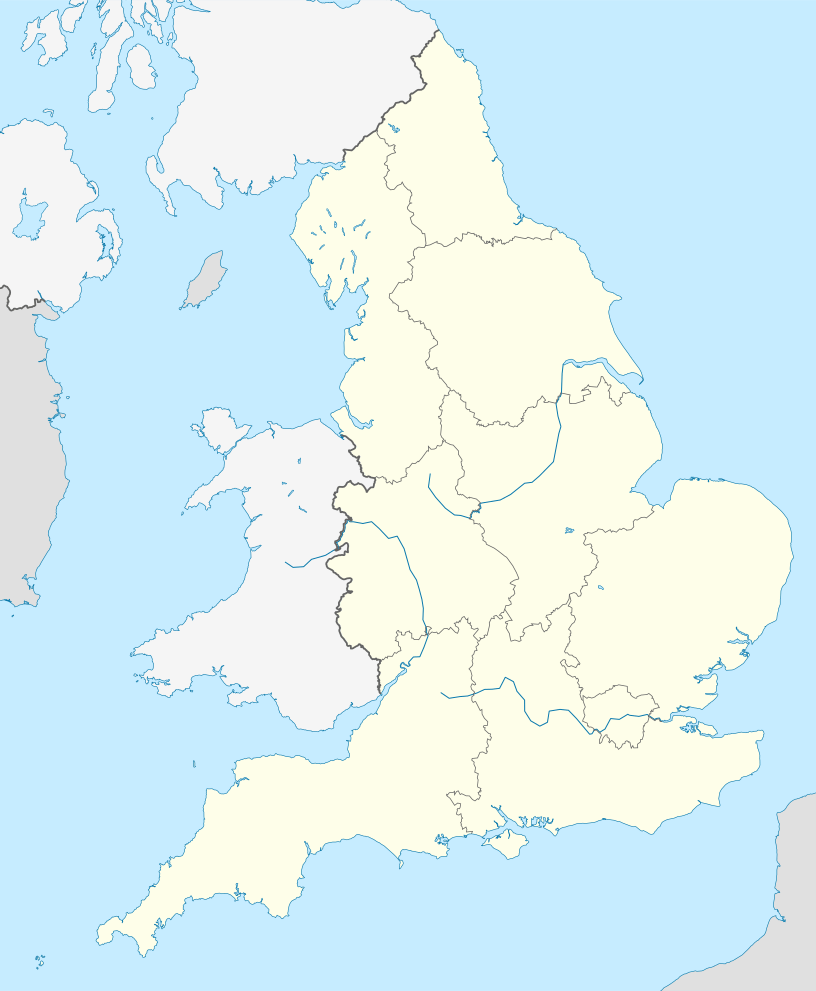
Short entry2.3 miles away
Belhus Woods Country Park
Romford Road, Aveley, South Ockendon · Ancient and working woodland, meadows and lakes
 the ai birderBirding near me
The AI Birder · one-page field sheet
Purfleet, Thurrock, Essex, England · RM19 1SZ · RM19 1SZ

Lapwing · Redshank · Marsh Harrier · Wigeon · Teal · Shoveler
Purfleet hide · Shooting Butts hide · Ken Barrett hide · Marshland Discovery hide · Northern boardwalk · Woodland Walk · Riverside Walk
Check current access, hide closures and operator notices before travelling. Seasonal birds are possibilities, not promised sightings. Keep to authorised routes and give wildlife space.
Opening and charges checked 2026-10-18. Operator: https://www.rspb.org.uk/days-out/reserves/rainham-marshes
Full guide and current source links: https://aibirder.co.uk/reserves/rspb-rainham-marshes
EN 23 · RSPB reserve guide
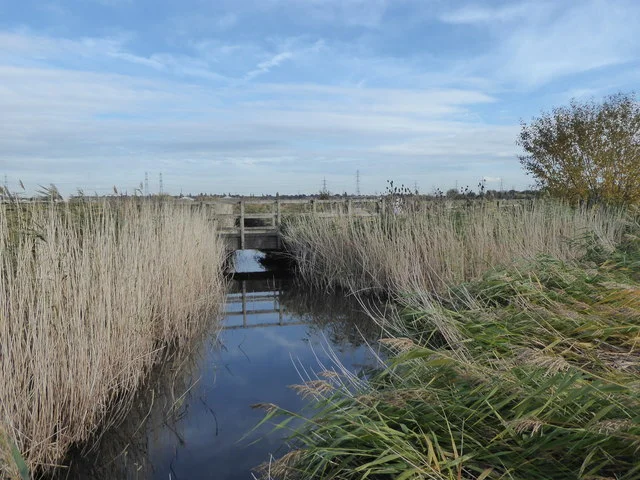
Purfleet, Thurrock, Essex, England · RM19 1SZ
A 411-hectare survivor of the Thames grazing marshes on London's eastern edge. Spring and summer bring breeding Lapwings and Redshanks, Reed and Sedge Warblers, Cetti's Warblers, Hobbies and Marsh Harriers; autumn passage can produce scarce waders, while winter adds Wigeon, Teal, Shovelers, Pintails and hunting Short-eared Owls.
Decide if the visit fits.
Last checked 18 October 2026.
Opening and charges information · checked .
Stay nearby →Reserve overview
A 411-hectare survivor of the Thames grazing marshes on London's eastern edge. Spring and summer bring breeding Lapwings and Redshanks, Reed and Sedge Warblers, Cetti's Warblers, Hobbies and Marsh Harriers; autumn passage can produce scarce waders, while winter adds Wigeon, Teal, Shovelers, Pintails and hunting Short-eared Owls.
Eight checks for a smoother visit.
Conditions change: check the operator and transport notices before travelling.
January: Usually start at Purfleet hide for Wigeon, Teal, Shoveler and Pintail, then compare Gadwall from Ken Barrett hide. Shooting Butts hide gives a wider Marsh Harrier scan. Short-eared Owls may hunt over the grassland, but follow operator guidance and fit viewing inside the managed reserve’s opening hours. February: Typically give Purfleet hide a slow scan for winter ducks, Snipe and Lapwing. Northern boardwalk reed channels can reward patience for Water Rail, while the Riverside Walk offers Curlew and Dunlin when mud is exposed. A telescope helps with distant river birds. March: Lapwing and Redshank usually become more active around Purfleet scrape, watched from Purfleet hide. Listen for Cetti’s Warbler along Woodland Walk and scan from Shooting Butts hide for Marsh Harrier. Winter wildfowl can remain alongside arriving birds, so compare pools before committing to the full circuit. April: Typically use Woodland Walk for Chiffchaff and Blackcap, then the Northern boardwalk for returning Reed and Sedge Warblers. Purfleet hide offers Avocet, Lapwing and Redshank. Give singing birds time to reveal themselves without entering reeds or pressing closer along a bank. May: Our choice is a circular route linking Purfleet hide for Avocet and Common Tern, Shooting Butts hide for Hobby and Marsh Harrier, and Marshland Discovery hide for Cuckoo and wetland birds. Usually warm spells improve aerial insect feeding, while the earlier open hours suit listening. June: Reed and Sedge Warblers usually make the Northern boardwalk worth a quiet pause. Watch Common Terns from Purfleet hide and Little Egret from Ken Barrett hide, then scan above Shooting Butts for hunting Hobby. Keep moving if breeding adults become persistently alarmed beside the trail. July: Typically compare Common Tern and wetland activity from Purfleet hide with Reed Warbler and Reed Bunting along the Northern boardwalk. Ken Barrett hide offers a different angle over Aveley pools for Gadwall and Little Grebe. Use a sheltered watch in hot or windy weather. August: Black-tailed Godwit and Snipe can return to the scrapes, so begin with Purfleet and Shooting Butts hides. Usually feeding margins matter more than the distance walked. Continue listening for Reed Warbler along Northern boardwalk and check the river from the Riverside Walk for Dunlin. September: Typically watch Purfleet scrape for Black-tailed Godwit and returning Teal, then compare Snipe from Shooting Butts hide. Marsh Harrier remains a useful aerial target, while Great White Egret is a scarcer possibility on the pools. Follow actual water and light rather than an old report location. October: Wigeon, Teal and Shoveler usually rebuild at Purfleet hide and Ken Barrett hide. Search Northern boardwalk reed channels for Water Rail and scan the marsh for Marsh Harrier from Shooting Butts. Leave a comfortable return margin before the hides close. November: Usually choose a long Purfleet hide watch for winter ducks, Pintail and Snipe, then scan the wider marsh from Shooting Butts hide. For a short walk, Woodland Walk adds Cetti’s Warbler. Strong river wind can make the Riverside Walk much less comfortable than the hides. December: Typically give most daylight to Purfleet and Ken Barrett hides for Wigeon, Teal, Gadwall and Shoveler. A Shooting Butts session can add Snipe and Marsh Harrier. If the wind is severe, shorten the circuit and stay with a productive sheltered viewpoint.
Best conditions: Our advice: typically choose a calm morning within the opening window for reedbed listening and a bright day for distant wildfowl. Strong wind makes the riverside exposed and can hide smaller birds in cover; concentrate on sheltered hides then. Light and scope ratings are editorial map-based guidance: change the viewing angle if glare develops. The public riverside dawn walk does not give access to the locked reserve circuit.
October 2026 prices checked 18 October: reserve admission is free, including for non-members. Parking is £3 for up to two hours or £5 for the day; RSPB members and Blue Badge holders park free. The short-stay tariff took effect on 1 May 2026, so older £2 references should not be used. Coaches and minibuses cost £15, with separate arrangements for pre-booked RSPB local groups. Pay through PayByPhone using location 809101, by telephone 0330 400 7275, or at the welcome desk. These seasonal hours govern a visit even though the riverside outside the managed circuit has a different character. Groups of ten or more should arrange their visit through the operator's group-booking route. Allow time to leave the circuit before the hides close.
Access times: Reserve: October 2026 calendar: 09:00–16:30; choose the date for seasonal changes. The external riverside path is separate. · Hides: October 2026 calendar: 09:00–16:00. · Car park: October 2026 calendar: 09:00–16:30. · Dawn access: partly. Operator opening information.
The main circular route is 2.4 miles, or 3.8 kilometres, linking the wetland watching areas. RSPB suggests a couple of hours for the walk, but several long hide sessions can readily make it a larger part of the day. The Woodland Walk is half a mile and the Riverside Walk 1.5 miles; use the official map to distinguish these routes from the main circuit rather than assuming every path is within the same visitor arrangement. The four named hides are Purfleet, Butts, Ken Barrett and Marshland Discovery. Two-hour plan: start with the visitor-centre overview and give Purfleet Hide a sustained watch, then choose a manageable nearby section of the route. Leave time to return without needing to rush past productive pools. Trying to complete the entire circuit within two hours is a walking plan rather than a leisurely introduction to all four hides. Full-day plan: begin the circular trail in the morning, stopping at each hide to compare water depth, duck groups and feeding waders. Eat a packed lunch near the visitor centre, then revisit the most productive sector or take the shorter woodland option. In spring, spend a quiet spell listening along reed-fringed ditches; in winter, take time to scan grassland beyond the closer ducks. Where a bird disappears into cover, remain still instead of pushing along the bank towards it. A second pass through a flock often reveals a bird overlooked initially, so careful observation is more useful than repeatedly changing hides. Keep hides sociable by sharing clear viewing positions and avoiding loud identification debates beside other watchers.
Use the linked reserve map and directions with current access notices. Species are typical seasonal targets. Light and telescope advice reflects our choice of viewpoint.
Purfleet scrape, wet grassland and reserve sky
Operator lists adapted viewing space and level entry.
Winter: Wigeon, Teal, Shoveler, Pintail
Spring: Lapwing, Redshank, Avocet
Summer: Common Tern, Lapwing, Little Egret
Autumn: Black-tailed Godwit, Snipe, Great White Egret
Light: either. Scope: useful.
Butts scrape, Target pools, reedbed and open marsh
Elevated hide with stairs and lift; confirm lift availability before a mobility-dependent visit.
Winter: Snipe, Marsh Harrier, Short-eared Owl
Spring: Lapwing, Redshank, Bearded Tit
Summer: Hobby, Marsh Harrier
Autumn: Snipe, Marsh Harrier, Bearded Tit, Short-eared Owl
Light: either. Scope: useful.
Aveley pools, nearby scrape and grassland
Small door-frame lip may obstruct some wheelchairs.
Winter: Gadwall, Teal, Shoveler
Spring: Little Grebe, Shelduck
Summer: Little Egret, Great Crested Grebe
Autumn: Gadwall, Marsh Harrier
Light: either. Scope: useful.
Southern marsh pools and reeds from the Discovery Zone
Adapted hide; follow the current circular-route access.
Winter: Teal, Reed Bunting
Spring: Cuckoo, Lapwing
Summer: Reed Warbler, Redshank
Autumn: Water Rail, Marsh Harrier
Light: either. Scope: useful.
Aveley pools and reed-fringed channels from the boardwalk
Remain on the boardwalk and keep the passing route clear.
Winter: Water Rail, Reed Bunting
Spring: Sedge Warbler, Reed Warbler
Summer: Reed Warbler, Reed Bunting
Autumn: Water Rail, Bearded Tit
Light: either. Scope: not needed.
Woodland and scrub beside the Cordite store and wet ditches
Winter: Cetti’s Warbler
Spring: Cetti’s Warbler, Blackcap, Chiffchaff
Summer: Blackcap, Chiffchaff
Autumn: Chiffchaff, Cetti’s Warbler
Light: either. Scope: not needed.
River Thames and tidal margins outside the managed circuit
The operator map labels the Rainham–Purfleet permissive riverside path open 24/7; no entry to locked reserve hides.
Winter: Curlew, Dunlin
Spring: Shelduck
Summer: Common Tern
Autumn: Curlew, Dunlin
Light: either. Scope: essential.
Tide: Falling water exposes feeding mud; the managed inland scrapes have separate water levels.
| Spot | Overlooks | Key species by season | Best light | Scope | Tide |
|---|---|---|---|---|---|
| Purfleet hideOperator lists adapted viewing space and level entry. | Purfleet scrape, wet grassland and reserve sky | Winter: Wigeon, Teal, Shoveler, Pintail Spring: Lapwing, Redshank, Avocet Summer: Common Tern, Lapwing, Little Egret Autumn: Black-tailed Godwit, Snipe, Great White Egret | either | useful | — |
| Shooting Butts hideElevated hide with stairs and lift; confirm lift availability before a mobility-dependent visit. | Butts scrape, Target pools, reedbed and open marsh | Winter: Snipe, Marsh Harrier, Short-eared Owl Spring: Lapwing, Redshank, Bearded Tit Summer: Hobby, Marsh Harrier Autumn: Snipe, Marsh Harrier, Bearded Tit, Short-eared Owl | either | useful | — |
| Ken Barrett hideSmall door-frame lip may obstruct some wheelchairs. | Aveley pools, nearby scrape and grassland | Winter: Gadwall, Teal, Shoveler Spring: Little Grebe, Shelduck Summer: Little Egret, Great Crested Grebe Autumn: Gadwall, Marsh Harrier | either | useful | — |
| Marshland Discovery hideAdapted hide; follow the current circular-route access. | Southern marsh pools and reeds from the Discovery Zone | Winter: Teal, Reed Bunting Spring: Cuckoo, Lapwing Summer: Reed Warbler, Redshank Autumn: Water Rail, Marsh Harrier | either | useful | — |
| Northern boardwalkRemain on the boardwalk and keep the passing route clear. | Aveley pools and reed-fringed channels from the boardwalk | Winter: Water Rail, Reed Bunting Spring: Sedge Warbler, Reed Warbler Summer: Reed Warbler, Reed Bunting Autumn: Water Rail, Bearded Tit | either | not needed | — |
| Woodland Walk | Woodland and scrub beside the Cordite store and wet ditches | Winter: Cetti’s Warbler Spring: Cetti’s Warbler, Blackcap, Chiffchaff Summer: Blackcap, Chiffchaff Autumn: Chiffchaff, Cetti’s Warbler | either | not needed | — |
| Riverside WalkThe operator map labels the Rainham–Purfleet permissive riverside path open 24/7; no entry to locked reserve hides. | River Thames and tidal margins outside the managed circuit | Winter: Curlew, Dunlin Spring: Shelduck Summer: Common Tern Autumn: Curlew, Dunlin | either | essential | Falling water exposes feeding mud; the managed inland scrapes have separate water levels. |
Month chips show typical presence or our preferred viewing season. Choose birds that suit the time of your visit.
For the Riverside Walk, compare exposed feeding mud as the tide falls with birds moving off the margins as water rises. The reserve’s managed scrapes have separate water levels; a high tide does not set their depth. Keep off the river mud and follow the established bank path.
The visitor-centre ramp begins beside four Blue Badge bays and reaches the first-floor reception area. Power-assisted heavy double doors, a threshold-free entrance and level internal spaces lead to a lowered counter. Trails combine flat gravel paths and boardwalks, but their start includes a short nonslip-grille section and a short steep stretch. RSPB cautions that weather affects which areas are usable, so compare the intended route with current conditions if pushchair or wheelchair access is essential. Hide descriptions list adapted viewing positions and generally level entries; Ken Barrett has a small door-frame lip. Shooting Butts has fourteen stairs and a lift, so confirm lift availability in advance if that view is central to your plan. Accessible toilets are provided on both floors, with baby changing in the first-floor accessible facilities. Five picnic tables include wheelchair spaces on level ground behind the centre, across both hard and soft surfaces. Large-print information boards, staff assistance and pen-and-paper communication are available. These details describe different parts of the visit; a suitable entrance does not establish that every outdoor segment will suit every mobility aid. Discuss your preferred circuit with the reserve team before travelling.
The visitor centre provides seating and interpretation, with ordinary toilets on its ground floor. Visitors may bring a picnic and eat their own food indoors, as well as using picnic spaces and benches outside. Binocular hire was listed in October 2026 at £5 for RSPB Puffins or £7 for RSPB Avocets. A toddler play area is beside the centre, and bicycle racks are provided. Bring lunch and water for a long hide session; the checked facilities page did not advertise a current café service. Barbecues are prohibited and litter should be taken home.
Pet dogs are excluded from most of the reserve to protect sensitive wildlife and habitats; assistance dogs are welcome throughout. Do not build a main wetland-circuit outing around bringing a pet without confirming the specific permitted access first. Public riverside paths and the managed birdwatching circuit should not be assumed to have identical rules, and a dog must never be left unattended while its owner enters a hide.
Purfleet is the nearest station, served by c2c's route from London Fenchurch Street via Rainham. RSPB and the rail operator both describe the reserve as approximately a fifteen-minute signed walk from the station along the riverside. Follow the brown pedestrian signs and build the walk into your arrival and departure times. Check the date-specific train service for engineering work rather than assuming a weekday pattern at weekends. Ensignbus's route 44 links Lakeside, Purfleet and Grays, and route 44A links Ockendon station, Purfleet and Grays; the operator's current route list dates both from 29 August 2026. Use the updated timetable for the exact stop and journey, since the RSPB directions still describe an older 44 destination as Orsett Hospital. Reaching Purfleet station by bus also allows the verified signed walking approach. National Cycle Network Route 13 serves the area. Drivers enter from New Tank Hill Road, reached via the A1306 and A1090, rather than attempting access from a marsh track.
Useful bases for an early start.
Booking.com links are affiliate links: we may earn a commission at no extra cost to you. How these links work.
About 1.5 miles by road, roughly 4 minutes’ drive from the mapped town centre to the visitor entrance; OSRM/OpenStreetMap estimate measured 18 October 2026, excluding live traffic.
Measured driving route · 2026-10-18. Map estimates exclude live traffic.
The station-side approach and shortest local transfer.Find places to stay in Purfleet on Booking.comAbout 4.9 miles by road, roughly 12 minutes’ drive from the mapped town centre to the visitor entrance; OSRM/OpenStreetMap estimate measured 18 October 2026, excluding live traffic.
Measured driving route · 2026-10-18. Map estimates exclude live traffic.
A nearby town connected by rail and local bus.Find places to stay in Grays on Booking.comAbout 13.0 miles by road, roughly 19 minutes’ drive from the mapped town centre to the visitor entrance; OSRM/OpenStreetMap estimate measured 18 October 2026, excluding live traffic.
Measured driving route · 2026-10-18. Map estimates exclude live traffic.
A separate Essex town base north of the reserve.Find places to stay in Brentwood on Booking.comExplore Essex’s full guides and smaller birding sites
The reserve team is available through rainham.marshes@rspb.org.uk or 01708 899840. Check the official visitor information, seasonal calendar and transport updates before travelling. For a mobility-dependent visit, describe the hide or trail you intend to use so the reply addresses your actual route. The operator's visitor page carries recent-sightings text, but without a clear observation date it should be treated as background rather than today's report. Use signs and staff direction for any local restriction encountered during the visit.
Check RSPB South East Essex: current bird reports. as reports are received Reports show what has been seen, not what will be.
Follow the BTO Birders’ Code and give wildlife space.
RSPB Rainham Marshes: Free entry; parking £3 up to 2 hours or £5 all day; members/Blue Badge holders free.
RSPB Rainham Marshes: Pet dogs are excluded from most of the reserve to protect sensitive wildlife and habitats; assistance dogs are welcome throughout.
RSPB Rainham Marshes: Spring breeding waders and warblers · autumn passage · winter wildfowl and raptors.
RSPB Rainham Marshes: The visitor-centre ramp begins beside four Blue Badge bays and reaches the first-floor reception area.
RSPB Rainham Marshes: Purfleet is the nearest station, served by c2c's route from London Fenchurch Street via Rainham.
Shorter stops within 15 miles in a straight line. Use the operator’s arrival directions for the journey.
Romford Road, Aveley, South Ockendon · Ancient and working woodland, meadows and lakes
Squadrons Approach, Hornchurch, Havering · Freshwater reedbeds, river, open water, marsh, grassland and woodland
Mucking Wharf Road, Stanford-le-Hope · Reedbed, stream, marsh and rough grassland
The Avenue, Brentwood · Ancient woodland, birch, beech and pond
Stanford-le-Hope · Estuary mudflats, scrub and seawall
Grange Farm Lane, Chigwell · Water meadow, River Roding, hedges, ponds and woodland
Pitsea Hall Lane, Pitsea · Tidal creek, fleet, reedbed, grassland and woodland
Vange · Freshwater and saline lagoons, reedbeds and grassland
Bowers Gifford · Wetland and grassland
Crescent Wood Road and Cox’s Walk, Dulwich, Southwark · Ancient and recent woodland with mature trees and an old railway cutting
Canvey Island · Grassland and scrub
Canvey Island · Grazing marsh, reedbeds, lagoons and saltmarsh
Nearby complete guides.
Stops with a purpose: use one as a contrasting habitat or weather-proof Plan B. Distances are straight-line estimates, not road journeys.