Short entry3.1 miles away
Stanford Wharf
Stanford-le-Hope · Estuary mudflats, scrub and seawall
 the ai birderBirding near me
The AI Birder · one-page field sheet
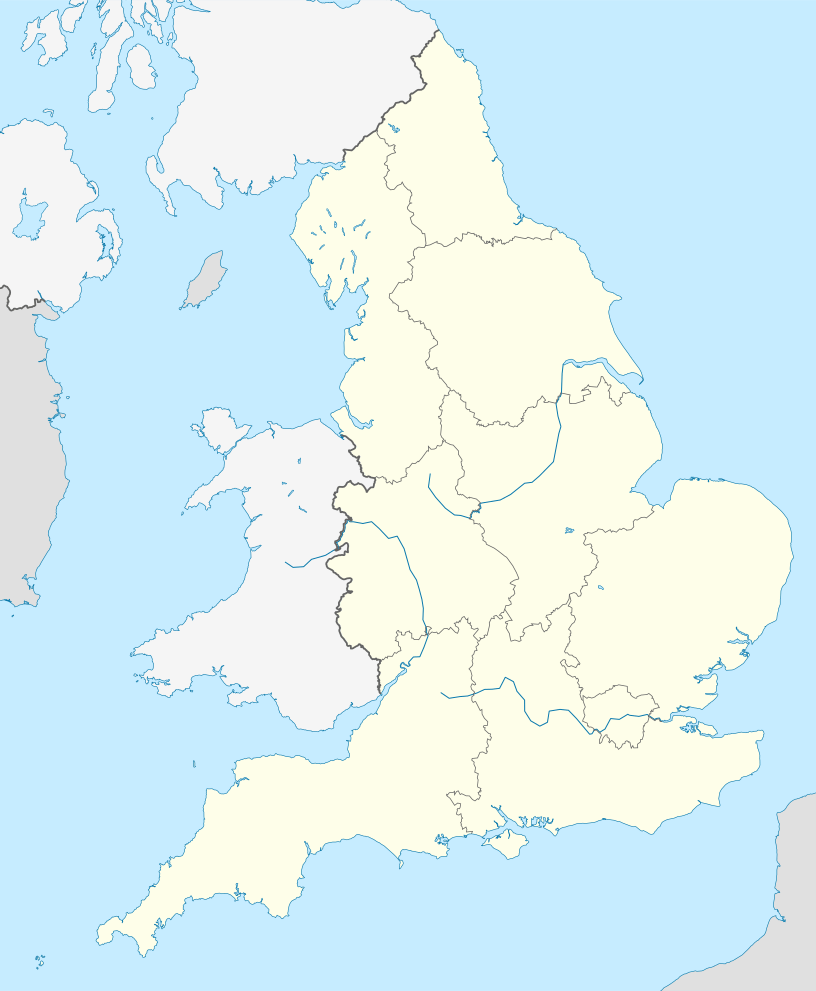
Cliffe, Hoo Peninsula, Kent · ME3 7SU

Dunlin · Grey Plover
Pinnacle Viewpoint · Pickles Way viewpoint beyond Black Barn · Second Pickles Way viewing point · River Thames public-path viewpoint
Check current access, hide closures and operator notices before travelling. Seasonal birds are possibilities, not promised sightings. Keep to authorised routes and give wildlife space.
Opening and charges checked 2026-10-18. Operator: https://www.rspb.org.uk/days-out/reserves/cliffe-pools
Full guide and current source links: https://aibirder.co.uk/reserves/rspb-cliffe-pools
EN 75 · RSPB reserve guide
Cliffe, Hoo Peninsula, Kent
Avocets, common terns and winter flocks of dunlins and lapwings
Decide if the visit fits.
Last checked 18 October 2026.
Opening and charges information · checked .
Stay nearby →Reserve overview
Avocets, common terns and winter flocks of dunlins and lapwings
Eight checks for a smoother visit.
Conditions change: check the operator and transport notices before travelling.
January: Typically winter ducks and waders make the pools the main focus. Use the Pickles Way viewing points for Shoveler, Dunlin and Grey Plover, with a scope for distant feeding edges. Plan parking within its shorter gate window rather than assuming the reserve's hours are the car park's hours.
February: Compare the two public Pickles Way views for Teal, Wigeon and Pintail, allowing time to scan each pool properly. Strong wind can make this exposed site hard work. Watch harriers and owls from the public viewpoints without seeking a resting site; a quieter public watch is preferable to chasing a distant shape across grassland.
March: The spring plan develops gradually rather than on a fixed arrival day. Start with the pool views for remaining winter ducks and assess whether Avocet activity has begun. The calendar in this guide does not turn a typical April bird into a guaranteed March sighting or grant early car-park access.
April: Typically spring Avocet and Common Tern interest builds on the saline pools, with Lapwing or Redshank on suitable wet ground. Use the official viewpoints and public tracks only. The Pinnacle gives a broad assessment but has a steep final climb, so choose the lower track views if that does not suit you.
May: Use the Pinnacle for the broad Avocet and Common Tern view, then compare Black Barn's pools for Shelduck or Pochard. Birds may favour a different water level from the one you expected. No nest directions or unofficial approach across lagoon banks is needed to make the visit worthwhile.
June: Summer terns and Avocets remain the operator-supported focus from public saline-pool views. Little Egret can add interest around feeding margins seen from Pickles Way. Take time at one angle before moving, keep to permitted tracks and leave any breeding island or field outside your route.
July: Typically return wader interest begins to strengthen. The Pickles Way views offer a sensible place to assess Black-tailed Godwit, with Greenshank or Ruff possible in suitable water. The older leaflet's large totals are not a current prediction; changing water level and management can alter the scene markedly.
August: Compare the two track viewpoints for summer-passage Black-tailed Godwit, Greenshank and Ruff. A telescope is particularly useful because the pools are broad and approaching a feeding flock is not part of the visitor route. Let visibility determine whether a longer exposed walk will add anything worthwhile.
September: Passage waders can still make the pool views rewarding, with Black-tailed Godwit, Ruff and Greenshank the established aims. Check the current county news before travelling for a particular individual. One-off rarities belong in reports, not in a guaranteed annual spectacle or a reason to cross a restricted bank.
October: Typically Dunlin and Grey Plover become more relevant as the winter assemblage develops. Assess the public Pickles Way views first, then choose the Thames route only if weather and remaining daylight allow. Tide can redistribute birds, but no fixed threshold or automatic high-water spectacle is claimed.
November: Winter duck watching can centre on the lower pool viewpoints for Wigeon, Teal, Shoveler and Pintail. A distant Lapwing or Dunlin flock can be rewarding without completing a long circuit. Check the current car-park closing time and leave enough margin to return along unsurfaced paths safely.
December: Use a compact Pickles Way watch for winter ducks and waders, choosing the public angle with less glare. Dunlin and Grey Plover may move with changing water and disturbance, so patient reassessment is useful. Confirm Christmas parking arrangements directly and do not infer ordinary dawn access from public-path existence.
Best conditions: Typically calmer, clear conditions make a scope watch across the broad pools easier. Use a safe lower viewpoint when the Pinnacle climb or exposure does not suit you. Glare can change which pool is readable; compare permitted public angles instead of approaching birds. Carry what you need because there is no staffed visitor centre.
Cliffe Pools suits a deliberate scan of a wide landscape. Begin with a public pool viewpoint, work through the birds you can identify and then decide whether another angle is worth the walk. The Pinnacle is useful for orientation, but its steep final climb is a real choice rather than an essential first stop. Lower views along Pickles Way can be the more practical option for a settled watch. Winter ducks and waders and summer passage birds need different amounts of patience, especially when water levels redistribute feeding edges. A telescope helps here because the correct response to distant birds is a better view from a permitted position, not walking towards them across a bank. Keep the Thames route as an optional exposed extension. The reserve calendar and car-park gates have different hours, so finish the route with enough time to get back. Bring supplies for an unstaffed site and let conditions decide the length of the visit.
Access times: Reserve: Current October 2026 calendar 09:00–17:00. Public rights of way are distinct; this does not establish unrestricted dawn access to every reserve track. · Hides: No visitor hide verified. Viewing mounds and open public-path views are exposed to weather. · Car park: 10:00–16:00, shorter than reserve hours; Christmas-period closure noted without an invented date range. · Dawn access: no. Operator opening information.
The signed routes weave around pools and saline lagoons, with several viewing mounds rather than a conventional hide circuit. Begin by scanning the nearest water to identify the most productive area, then choose a route that keeps the light useful. A distant line of waders can become easier to identify when a short walk changes the angle without bringing you any closer to the birds. Pinnacle Viewpoint gives the broadest sense of the lagoons and the Thames-side landscape. Another route reaches the River Thames, adding estuary views to the pool watch. The RSPB's published distances are inconsistent: it describes circular choices of less than a kilometre, but also puts the Thames viewpoint about 1.5km from the car park. Treat these as different route elements, use the actual map and signs, and do not assume the whole riverside outing is a one-kilometre circuit. Two-hour plan: take a short signed pool walk with a substantial stop at a comfortable viewpoint. Add the Pinnacle only when its climb suits the party, then revisit the nearer lagoons on the return. Leave the longer Thames extension for another visit if it would consume the time needed to watch birds properly. Full-day plan: combine the pool routes and, where conditions allow, the signed walk towards the Thames. Spend the morning comparing avocets, ducks or winter wader groups, have a packed-food break and use the afternoon for a second angle across the lagoons. Keep track of the route back to Salt Lane and return before the parking gate closes. Stay on the established paths throughout; shallow water and apparently empty shingle still form important wildlife habitat.
Use the linked reserve map and directions with current access notices. Species are typical seasonal targets. Light and telescope advice reflects our choice of viewpoint.
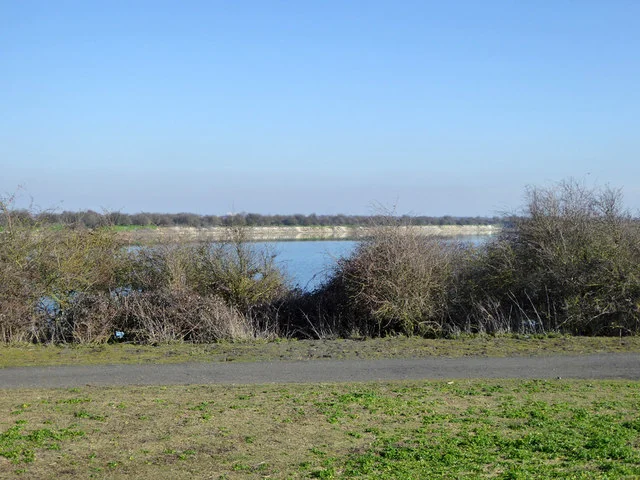
Reserve freshwater pools, saline lagoons and wider Thames landscape
Steep final incline up chalk pinnacle; do not call this viewpoint step-free.
Winter: Lapwing, Dunlin, Shoveler, Hen Harrier, Short-eared Owl
Spring: Avocet, Common Tern
Autumn: Hen Harrier, Short-eared Owl
Light: either. Scope: essential.
Black Barn lagoons and adjoining water
Stay on public track and marked viewing area; unsurfaced ground can be wet.
Spring: Shelduck, Pochard, Redshank
Summer: Black-tailed Godwit, Little Egret
Winter: Grey Plover, Dunlin, Shoveler
Light: either. Scope: essential.
Fresh and saline pools from the public track
Operator local-group account confirms two track viewpoints but does not give this one a proper name.
Spring: Avocet, Lapwing
Summer: Black-tailed Godwit, Greenshank, Ruff
Winter: Wigeon, Teal, Pintail, Gadwall
Light: either. Scope: essential.
River Thames and estuary from the public path
Exposed public river route; never enter mudflats or approach high-water resting birds.
Autumn: Dunlin
Winter: Dunlin, Grey Plover
Light: either. Scope: essential.
Tide: Typically rising water changes where birds rest; observe from the path and avoid disturbing flocks.
| Spot | Overlooks | Key species by season | Best light | Scope | Tide |
|---|---|---|---|---|---|
| Pinnacle ViewpointSteep final incline up chalk pinnacle; do not call this viewpoint step-free. | Reserve freshwater pools, saline lagoons and wider Thames landscape | Winter: Lapwing, Dunlin, Shoveler, Hen Harrier, Short-eared Owl Spring: Avocet, Common Tern Autumn: Hen Harrier, Short-eared Owl | either | essential | — |
| Pickles Way viewpoint beyond Black BarnStay on public track and marked viewing area; unsurfaced ground can be wet. | Black Barn lagoons and adjoining water | Spring: Shelduck, Pochard, Redshank Summer: Black-tailed Godwit, Little Egret Winter: Grey Plover, Dunlin, Shoveler | either | essential | — |
| Second Pickles Way viewing pointOperator local-group account confirms two track viewpoints but does not give this one a proper name. | Fresh and saline pools from the public track | Spring: Avocet, Lapwing Summer: Black-tailed Godwit, Greenshank, Ruff Winter: Wigeon, Teal, Pintail, Gadwall | either | essential | — |
| River Thames public-path viewpointExposed public river route; never enter mudflats or approach high-water resting birds. | River Thames and estuary from the public path | Autumn: Dunlin Winter: Dunlin, Grey Plover | either | essential | Typically rising water changes where birds rest; observe from the path and avoid disturbing flocks. |
Month chips show typical presence or our preferred viewing season. Choose birds that suit the time of your visit.
Compare exposed feeding ground with the rising tide from the public path. High water can bring birds onto lagoon resting areas, but no operator minimum height or fixed arrival interval verified. Keep away from mudflats and resting flocks.
The reserve paths are generally level but unsurfaced, with no steps or stiles on the main trail network. The RSPB describes motorcycle-restricting gates beside the car park as designed to permit foldable wheelchairs. That wording does not establish clearance for every powered chair or scooter, so check the actual equipment and route with the reserve before travelling. Pinnacle Viewpoint is a different proposition from the level pool paths: it lies at the top of a steep chalk incline. Its bench has neither back nor armrests. The Thames viewpoint also has a bench without those supports. Visitors who need a stable seated rest may therefore prefer a lower, shorter watch and should not rely on the name 'easy trail' to describe every part of the viewpoint approach. There are no reserve toilets; the RSPB directs visitors to Cliffe and Cooling. Establish an appropriate accessible facility before arrival if that is essential. Wet ground and exposure can change how comfortable an unsurfaced walk feels, so retain an early turning option rather than committing everyone to the farthest viewpoint.
Cliffe Pools has no staffed visitor centre, café, shop or toilets. The RSPB points visitors towards local villages and businesses for refreshments and public conveniences, so bring food and drinking water for the reserve portion of the day. The viewing points are exposed, with limited benches and no enclosed hide service advertised. Carry waterproof clothing, a warm layer and a bag for litter. Keep tripods out of narrow sections of path and avoid using gates as places to leave equipment.
The RSPB's wording conflicts: one line restricts dogs to the Saxon Shore Way, while another permits them on all public footpaths under close control. Use the narrower Saxon Shore Way rule until the reserve clarifies your intended route. Keep dogs out of every pool; assistance dogs are welcome throughout.
Arriva service 133 connects Chatham, Rochester, Strood, Cliffe Woods and Cliffe. The current operator route page lists Cliffe's Six Bells stop; the RSPB says the reserve is approximately a mile from the village bus stop. Plan that final walk using the signed local-road approach and allow additional time for the return to the bus, rather than treating the service as a reserve-gate drop-off. Higham is the RSPB's nearest railway station, approximately 2.5 miles away. A pre-booked taxi can cover the final leg, or a carefully mapped walk may suit someone already intending a longer day. Chatham, Rochester and Strood provide other rail-to-bus possibilities on the 133 corridor. Choose the actual travel-date service, because weekday and weekend patterns need not match. Keep a separate margin between leaving the reserve and the desired bus departure. A flock settling on another lagoon is not a reason to rush along an unsurfaced path or arrive at a rural stop after the last useful connection. Road estimates in the stay suggestions end at the Salt Lane visitor approach.
Useful bases for an early start.
Booking.com links are affiliate links: we may earn a commission at no extra cost to you. How these links work.
About 6.3 miles by road, roughly 17 minutes’ drive to the Salt Lane visitor car park (OSRM, measured 18 October 2026; estimate without live traffic).
Measured driving route · 18 October 2026. Map estimates exclude live traffic.
A base in Rochester suits a longer break that includes RSPB Cliffe Pools.Find places to stay in Rochester on Booking.comAbout 12.5 miles by road, roughly 24 minutes’ drive to the Salt Lane visitor car park (OSRM, measured 18 October 2026; estimate without live traffic).
Measured driving route · 18 October 2026. Map estimates exclude live traffic.
A base in Gravesend suits a longer break that includes RSPB Cliffe Pools.Find places to stay in Gravesend on Booking.comAbout 7.3 miles by road, roughly 19 minutes’ drive to the Salt Lane visitor car park (OSRM, measured 18 October 2026; estimate without live traffic).
Measured driving route · 18 October 2026. Map estimates exclude live traffic.
A base in Chatham suits a longer break that includes RSPB Cliffe Pools.Find places to stay in Chatham on Booking.comExplore Kent’s full guides and smaller birding sites
Use the RSPB Cliffe Pools visitor pages for the current calendar, route details and contact channels. The published visitor address is RSPB Cliffe Pools, Salt Lane, Rochester, Kent, ME3 7SU. Contact the reserve before travelling with a specific wheelchair, or to resolve the contradictory dog wording for an intended public-footpath route. Arriva's service 133 page supplies the separate bus timetable and stop information. Keep the reserve and transport questions distinct so that each is answered by the organisation responsible.
Check Kent Ornithological Society weekly bird observations. weekly; county-wide, summaries through October 2026 Reports show what has been seen, not what will be.
Follow the BTO Birders’ Code and give wildlife space.
RSPB Cliffe Pools: Free entry; parking tariff not published.
RSPB Cliffe Pools: The RSPB's wording conflicts: one line restricts dogs to the Saxon Shore Way, while another permits them on all public footpaths under close control.
RSPB Cliffe Pools: Winter waders and ducks; spring avocets and summer terns.
RSPB Cliffe Pools: The reserve paths are generally level but unsurfaced, with no steps or stiles on the main trail network.
RSPB Cliffe Pools: Arriva service 133 connects Chatham, Rochester, Strood, Cliffe Woods and Cliffe.
Shorter stops within 15 miles in a straight line. Use the operator’s arrival directions for the journey.
Stanford-le-Hope · Estuary mudflats, scrub and seawall
Mucking Wharf Road, Stanford-le-Hope · Reedbed, stream, marsh and rough grassland
Canvey Island · Grassland and scrub
Canvey Island · Grazing marsh, reedbeds, lagoons and saltmarsh
Pitsea Hall Lane, Pitsea · Tidal creek, fleet, reedbed, grassland and woodland
Bowers Gifford · Wetland and grassland
Vange · Freshwater and saline lagoons, reedbeds and grassland
Public island approach off Belton Way, Leigh-on-Sea · Thames Estuary mudflats, saltmarsh, saline lagoon, reedbed and rough grassland
Public foot access from Daws Heath Road, Thundersley · Woodland, meadows, hedges and acid grassland
Romford Road, Aveley, South Ockendon · Ancient and working woodland, meadows and lakes
The Avenue, Brentwood · Ancient woodland, birch, beech and pond
Squadrons Approach, Hornchurch, Havering · Freshwater reedbeds, river, open water, marsh, grassland and woodland
Nature Discovery Centre, Hawkswood Road, Downham · Reservoir, woodland, ponds and wetland margins
South Woodham Ferrers, River Crouch · Grazing marsh, borrow dykes and tidal riverside
Ferrers Road approach, South Woodham Ferrers · Saltmarsh, rough grassland, creek and scrub
Shoebury Common Road, Shoeburyness · Coastal grassland, pond, remnant dunes and estuary edge
Blue House Farm Chase, North Fambridge · Coastal grazing marsh, wet grassland and estuary
Nearby complete guides.
Stops with a purpose: use one as a contrasting habitat or weather-proof Plan B. Distances are straight-line estimates, not road journeys.