Short entry1.9 miles away
Kingfishers Bridge
Stretham Road, Wicken · Managed reedbed, lake, grassland and wetland
 the ai birderBirding near me
The AI Birder · one-page field sheet
Wicken near Ely, Cambridgeshire · CB7 5XP

Bittern · Wigeon · Hen Harrier · Marsh Harrier · Kingfisher · Cetti’s Warbler
Boardwalk Hide · Roger Clarke Hide · Verrall’s Hide · Tower Hide — summer route only · West Mere Hide · East Mere Hide · Charlie’s Hide · Baker’s Fen Hide
Check current access, hide closures and operator notices before travelling. Seasonal birds are possibilities, not promised sightings. Keep to authorised routes and give wildlife space.
Opening and charges checked 2026-10-18. Operator: https://www.nationaltrust.org.uk/visit/cambridgeshire/wicken-fen-national-nature-reserve
Full guide and current source links: https://aibirder.co.uk/reserves/wicken-fen
EN 85 · National Trust reserve guide
Wicken near Ely, Cambridgeshire
Fen birds, winter raptors and wider wetland walks
Decide if the visit fits.
Last checked 18 October 2026.
Opening and charges information · checked .
Stay nearby →Reserve overview
Fen birds, winter raptors and wider wetland walks
Eight checks for a smoother visit.
Conditions change: check the operator and transport notices before travelling.
January: January usually favours the wider wetland hides for Wigeon and Lapwing, with Baker’s Fen Hide and Charlie’s Hide offering public mapped outlooks where approaches are open. Boardwalk Hide adds Cetti’s Warbler listening within paidSedge Fen visitor hours. No winter Tower Hide plan is offered: its grass approach belongs to the summer-only trail.
February: In February, try West Mere Hide for waterbirds where the public approach is passable, and Roger Clarke Hide for Kingfisher on its small pools. The wider fen can be very muddy. Ask staff about current paths and make a shorter visit rather than pushing through floodwater or crossing a closed seasonal section.
March: March typically strengthens Bittern and Cetti’s Warbler interest from Boardwalk Hide, while Lapwing and Redshank can be watched from the wider public wetland hides. Chiffchaff becomes more vocal around Roger Clarke Hide and woodland edges. The historicSedge Fen has its own admission period;wider public paths do not extend its opening hours.
April: April usually brings Reed Warbler, Sedge Warbler and Cuckoo into the listening plan from Boardwalk Hide and the established public route. West Mere Hide offers another view over wetland birds. The longerSummer Nature Trail is still closed in April, so do not follow an older map towards Tower Hide or across fragile undrained peat.
May: May is our choice for slow listening from the Boardwalk route: Bittern, Cuckoo, Reed Warbler and Sedge Warbler may all contribute. Roger Clarke Hide adds a quieter Kingfisher watch. Grasshopper Warbler is more often heard than seen;stay on the public route and avoid playback or walking into vegetation to make it appear.
June: In June, the Summer Nature Trail usually becomes available from 1 June, subject to current conditions. Tower Hide can add an elevated Cuckoo and reedbed-bird watch, while Boardwalk Hide remains a shorter option. Check the operator’s route-map glitch warning with the welcome team before following numbered online stages beyond the boardwalk.
July: July usually combines Reed Warbler and Sedge Warbler around Boardwalk Hide with a quiet Roger Clarke Hide pool watch for Kingfisher. Tower Hide is a summer option only when the approach is open. Keep food-carrying birds undisturbed and make no attempt to find reedbed nests or follow sensitive raptors across the fen.
August: August typically rewards a patient public-pool watch at Roger Clarke Hide for Kingfisher, with Reed Bunting and late Reed Warbler around Boardwalk Hide. The longer summer route can offer Tower Hide while conditions permit. Take water and allow for an exposed return;the number of mapped hides is not a requirement to visit every one.
September: September usually brings increasing Wigeon interest to the wider wetland outlooks and Lapwing around Baker’s Fen Hide or Charlie’s Hide. Boardwalk Hide adds Reed Bunting and Cetti’s Warbler listening. Summer Nature Trail availability normally ends 30 September;do not assume a warm autumn day extends the grass route or Tower Hide access into October.
October: In October, the core Sedge Fen visit returns to Boardwalk and Woodland Walk, with Cetti’s Warbler from Boardwalk Hide and Kingfisher from Roger Clarke Hide. Wider wetland hides can add Wigeon and Golden Plover where the approach is safe. Watch harriers from the official public hides; ask staff about current viewing arrangements.
November: November usually favours Wigeon, Lapwing and Golden Plover from the wider public wetland hides, with Whooper Swan a seasonal reserve possibility rather than a promised flock at one pool. Charlie’s Hide and Baker’s Fen Hide are mapped options where open. Choose a clear daylight window and allow generous time for muddy return paths.
December: December is a month for flexible distance: Boardwalk Hide for Cetti’s Warbler and Bittern interest within paid-area hours, or a public wider-fen hide for Wigeon and Lapwing. The car park’s dawn-to-dusk status is separate fromSedge Fen admission. Do not use a late raptor report as permission to enter or remain in a closed area.
Best conditions: Choose a calm clear morning within the appropriate area’s access rules for reedbed listening, then allow a sustained public-hide watch rather than a rushed circuit. Binoculars suit small pools and songbirds;a scope helps with distant waders on wider wet grassland. Long grass routes can be muddy and have no shelter between hides. Use the accessible Boardwalk/Woodland Walk option where it suits the visitor, and keep the summer-only Tower Hide grass approach out of winter plans.
The National Trust manages Wicken Fen. Admission and practical details were checked on18 October 2026;reserve, core-area and parking hours are listed separately in Access times. The longer Summer Nature Trail is normally available June–September; the Boardwalk and Woodland Walk remain the core routes on Sedge Fen outside that period. The October 2026 standard Sedge Fen tariff is £11 for adults, £5.50 for children aged 5–17, £27.50 for two adults with up to three children, or £16.50 for one adult with up to three children; under-fives are free. Optional Gift Aid prices are higher. National Trust members enter free. Parking information conflicts: the main price table shows £3.50 per car, while facilities and directions still say £3.20. Confirm the current charge before travel; members park free after scanning their cards for a ticket. The wider reserve paths do not require Sedge Fen admission. Check the Trust's current calendar and notices before your journey.
Access times: Reserve: Current 19 October 2026 calendar: paidSedge Fen 9.30am–5pm;check actualdate. Wider public paths separate from paid core. Summer Nature Trail/Tower Hide only 1 June–30 September, subject to ground conditions. · Hides: Eight named map hides;Boardwalk/RogerClarke in core visitor area. Tower Hide summer approach only, not accessible. Other routes depend on current signs and conditions;no universal dawn-hide entitlement verified. · Car park: Dawn–dusk on current calendar. Paidcore entrance opens later. Accessible toilet nowLearning Centre;car park adapted facility no longer available per current main page. · Dawn access: partly. Operator opening information.
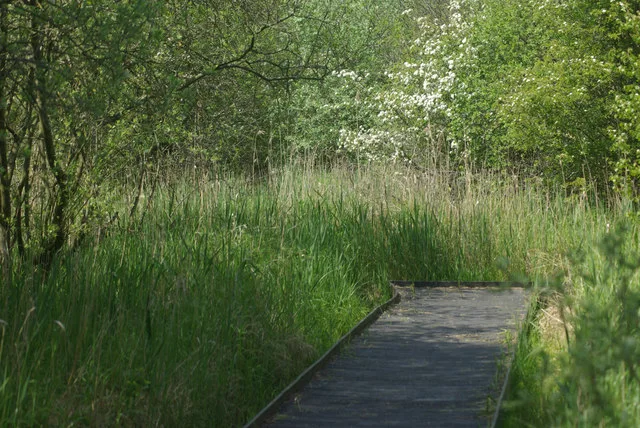
Wicken offers two complementary visits: the historic Sedge Fen and the wider landscape of recovering wetlands and grazing ground. Start by deciding which matters most to you. The Trust's 0.7-mile Boardwalk provides a compact introduction to the undrained fen, while the Woodland Walk changes the sound and structure of the surroundings. Look for small movements among the stems and listen through the wind before expecting a clear view of a bird. For a longer outing, the Adventurers' Trail is listed as 2.75 miles or 4.4 km. It introduces reedbeds, wet grassland and the Mere. The Four Lodes Trail extends the day further at four miles or 6.4 km, using waterways and official viewpoints to place the fen in its surrounding landscape. Take the current property map and follow local route notices rather than joining paths merely because they appear to lead towards water. Two-hour plan: choose Sedge Fen's Boardwalk and Woodland Walk, with a sustained pause at an open official hide. Compare birds using sedge, trees and water, then return through the visitor centre. This is a coherent short visit without squeezing a wider circuit into the same time. Full-day plan: spend the morning on the core fen, break for lunch, and walk the Adventurers' route in the afternoon if conditions and daylight suit. A fit walker can choose the Four Lodes alternative, but leave plenty of time for watching rather than treating the published mileage as a speed target. Grazing ponies and cattle are part of the wider conservation landscape: pass quietly, give them space and avoid placing yourself between animals.
Use the linked reserve map and directions with current access notices. Species are typical seasonal targets. Light and telescope advice reflects our choice of viewpoint.
Sedge fields and the broader undrained fen
Official year-round Boardwalk route, through paidSedge Fen entrance. Ask staff about any temporary access change.
Winter: Cetti’s Warbler, Reed Bunting, Bittern, Marsh Harrier
Spring: Cetti’s Warbler, Bittern, Sedge Warbler, Marsh Harrier, Hobby
Summer: Reed Warbler, Sedge Warbler, Reed Bunting, Marsh Harrier, Hobby
Autumn: Cetti’s Warbler, Reed Bunting, Marsh Harrier, Hobby
Light: either. Scope: useful.
Flooded former clay pits and small pools beside the woodland walk
Named by current operator route;on the Boardwalk/Woodland Walk area rather than a dawn-access promise.
Winter: Kingfisher, Cetti’s Warbler
Spring: Kingfisher, Chiffchaff
Summer: Kingfisher, Reed Warbler
Autumn: Kingfisher, Chiffchaff
Light: either. Scope: not needed.
Operator-mapped hide;current viewing aspect and species associations unverified
Official property map verifies name. Ask staff about current route, seasonal access and viewing conditions;no guessed birds or independent off-trail directions.
Light: either. Scope: useful.
TheMere, Adventurers Fen and cut Sedge Fen strips
Tower and grass approach are not accessible. Operator restricts Summer Nature Trail to 1 June–30 September, subject to conditions;no winter entry assumed.
Summer: Cuckoo, Reed Warbler, Sedge Warbler
Autumn: Cetti’s Warbler, Reed Bunting
Light: either. Scope: useful.
The west end of TheMere and island
Public Adventurers Trail approach with a squeeze gap;can be muddy and is not generally wheelchair suitable.
Winter: Wigeon, Lapwing
Spring: Lapwing, Redshank
Summer: Lapwing, Redshank
Autumn: Wigeon, Lapwing
Light: either. Scope: useful.
TheMere and adjoining wet fen
Operator-mapped hide;follow current signed route and ask staff about any seasonal restriction. No independent shortcut through grazing ground.
Winter: Wigeon, Lapwing
Spring: Lapwing, Redshank
Summer: Redshank, Reed Bunting
Autumn: Wigeon, Lapwing
Light: either. Scope: useful.
Baker Fen wet grassland and pools
Use only the current public approach shown on operator map and signs;close livestock gates and avoid flooded paths.
Winter: Wigeon, Lapwing, Golden Plover, Hen Harrier, Short-eared Owl, Barn Owl
Spring: Wigeon, Lapwing, Redshank, Hen Harrier, Short-eared Owl, Barn Owl
Summer: Lapwing, Redshank, Barn Owl
Autumn: Wigeon, Lapwing, Golden Plover, Hen Harrier, Short-eared Owl, Barn Owl
Light: either. Scope: useful.
Wet grassland and open fen habitats
Official property-map hide. Verify the current public route and conditions before choosing a longer out-and-back.
Winter: Wigeon, Lapwing, Golden Plover
Spring: Wigeon, Lapwing, Redshank
Summer: Lapwing, Redshank
Autumn: Wigeon, Lapwing, Golden Plover
Light: either. Scope: useful.
| Spot | Overlooks | Key species by season | Best light | Scope | Tide |
|---|---|---|---|---|---|
| Boardwalk HideOfficial year-round Boardwalk route, through paidSedge Fen entrance. Ask staff about any temporary access change. | Sedge fields and the broader undrained fen | Winter: Cetti’s Warbler, Reed Bunting, Bittern, Marsh Harrier Spring: Cetti’s Warbler, Bittern, Sedge Warbler, Marsh Harrier, Hobby Summer: Reed Warbler, Sedge Warbler, Reed Bunting, Marsh Harrier, Hobby Autumn: Cetti’s Warbler, Reed Bunting, Marsh Harrier, Hobby | either | useful | — |
| Roger Clarke HideNamed by current operator route;on the Boardwalk/Woodland Walk area rather than a dawn-access promise. | Flooded former clay pits and small pools beside the woodland walk | Winter: Kingfisher, Cetti’s Warbler Spring: Kingfisher, Chiffchaff Summer: Kingfisher, Reed Warbler Autumn: Kingfisher, Chiffchaff | either | not needed | — |
| Verrall’s HideOfficial property map verifies name. Ask staff about current route, seasonal access and viewing conditions;no guessed birds or independent off-trail directions. | Operator-mapped hide;current viewing aspect and species associations unverified | — | either | useful | — |
| Tower Hide — summer route onlyTower and grass approach are not accessible. Operator restricts Summer Nature Trail to 1 June–30 September, subject to conditions;no winter entry assumed. | TheMere, Adventurers Fen and cut Sedge Fen strips | Summer: Cuckoo, Reed Warbler, Sedge Warbler Autumn: Cetti’s Warbler, Reed Bunting | either | useful | — |
| West Mere HidePublic Adventurers Trail approach with a squeeze gap;can be muddy and is not generally wheelchair suitable. | The west end of TheMere and island | Winter: Wigeon, Lapwing Spring: Lapwing, Redshank Summer: Lapwing, Redshank Autumn: Wigeon, Lapwing | either | useful | — |
| East Mere HideOperator-mapped hide;follow current signed route and ask staff about any seasonal restriction. No independent shortcut through grazing ground. | TheMere and adjoining wet fen | Winter: Wigeon, Lapwing Spring: Lapwing, Redshank Summer: Redshank, Reed Bunting Autumn: Wigeon, Lapwing | either | useful | — |
| Charlie’s HideUse only the current public approach shown on operator map and signs;close livestock gates and avoid flooded paths. | Baker Fen wet grassland and pools | Winter: Wigeon, Lapwing, Golden Plover, Hen Harrier, Short-eared Owl, Barn Owl Spring: Wigeon, Lapwing, Redshank, Hen Harrier, Short-eared Owl, Barn Owl Summer: Lapwing, Redshank, Barn Owl Autumn: Wigeon, Lapwing, Golden Plover, Hen Harrier, Short-eared Owl, Barn Owl | either | useful | — |
| Baker’s Fen HideOfficial property-map hide. Verify the current public route and conditions before choosing a longer out-and-back. | Wet grassland and open fen habitats | Winter: Wigeon, Lapwing, Golden Plover Spring: Wigeon, Lapwing, Redshank Summer: Lapwing, Redshank Autumn: Wigeon, Lapwing, Golden Plover | either | useful | — |
Month chips show typical presence or our preferred viewing season. Choose birds that suit the time of your visit.
The Trust identifies the Boardwalk and Woodland Walk as accessible routes, including access to two hides. The Lodes Way path towards Adventurers' Fen is another accessible option, with a different setting from the enclosed core fen. Benches are more frequent around the Boardwalk than on the wider walking routes, an important distinction if you need regular resting places. Designated parking is provided in the main car park and there are two spaces near the visitor centre; dropping off in front of the building is possible. The adapted toilet in the car park is no longer available. Use the accessible facility in the Learning Centre behind the café instead. Level access is listed for the shop and food outlet, and the visitor facilities include an induction loop. Two wheelchairs suitable for the Boardwalk, Woodland Walk and Lodes Way can be borrowed. The Trust specifically notes that these lack brakes for the pushing attendant; an older style with brakes can be made available. Discuss which is appropriate before borrowing, and use the linked AccessAble information to match doorways, surfaces and facilities to your own requirements.
The Docky Hut Café provides light lunches, drinks and cakes, while the visitor-centre shop sells books, gifts and other items. Toilets are available in the car park and Learning Centre. The visitor centre's windows overlook the fen and its discovery area can help families settle on an achievable walk. The Trust also offers cycle hire and occasional separately organised activities. A listed boat or event is not automatically included in ordinary admission: use its own booking information when adding it to the day.
Only assistance dogs may enter Sedge Fen, including the Boardwalk, Woodland Walk and Summer Nature Trail. Other dogs under close control are welcome on Adventurers' Fen, the wider paths and in the visitor centre and shop. Pick the wider landscape route if your visit includes a pet dog.
The Trust identifies Ely and Soham as the nearest useful railway stations, giving road distances of nine and five miles respectively. Ely usually has taxis available; book a return transfer if relying on one. Visitors bringing bicycles can use National Cycle Network route 11 from Ely and the wider Lodes Way connections, keeping the cycling journey separate from pedestrian-only nature trails. Tiger on Demand serves Wicken Fen, according to the Trust's current directions. It operates as a bookable demand-responsive service, rather than a numbered fixed route, Monday–Saturday between 6.30am and 7pm. Trips may be requested up to 48 hours ahead through the service or on 01480 595440. Payment and availability need arranging before boarding: the Trust says drivers do not take cash or card payments. Build the return booking into the day's plan, especially if you intend a longer fen circuit and cannot simply leave at a fixed café closing time.
Useful bases for an early start.
Booking.com links are affiliate links: we may earn a commission at no extra cost to you. How these links work.
About 9.6 miles by road, roughly 16 minutes’ drive to the reserve visitor approach. OSRM measured the Ely journey for Wicken Fen on 18 October 2026; the estimate excludes live traffic.
Measured driving route · 18 October 2026. Map estimates exclude live traffic.
A rail-connected base north of Wicken for a wider fenland visit.Find places to stay in Ely on Booking.comAbout 4.3 miles by road, roughly 9 minutes’ drive to the reserve visitor approach. OSRM measured the Soham journey for Wicken Fen on 18 October 2026; the estimate excludes live traffic.
Measured driving route · 18 October 2026. Map estimates exclude live traffic.
A nearby town for keeping the Wicken transfer short.Find places to stay in Soham on Booking.comAbout 17.6 miles by road, roughly 32 minutes’ drive to the reserve visitor approach. OSRM measured the Cambridge journey for Wicken Fen on 18 October 2026; the estimate excludes live traffic.
Measured driving route · 18 October 2026. Map estimates exclude live traffic.
A city base for combining birdwatching with a longer Cambridgeshire visit.Find places to stay in Cambridge on Booking.comExplore Cambridgeshire’s full guides and smaller birding sites
Contact the National Trust at wickenfen@nationaltrust.org.uk or 01353 720274. The published address is Lode Lane, Wicken, Ely, Cambridgeshire, CB7 5XP. For questions about wheelchair loans, adapted facilities or the seasonal route, describe the equipment and distances you need rather than requesting only a general accessibility label. The Trust's live calendar is the place to resolve a particular day's hours; its activities pages provide separate details for cycle hire, boat trips and organised events.
Check Cambridgeshire Bird Club — actual county bird news. most days;reported news, not accepted annual records Reports show what has been seen, not what will be.
Follow the BTO Birders’ Code and give wildlife space.
Wicken Fen: Sedge Fen adult £11/child 5–17 £5.50; members free; parking £3.50/£3.20 conflict.
Wicken Fen: Only assistance dogs may enter Sedge Fen, including the Boardwalk, Woodland Walk and Summer Nature Trail.
Wicken Fen: All year; spring song and winter wildfowl.
Wicken Fen: The Trust identifies the Boardwalk and Woodland Walk as accessible routes, including access to two hides.
Wicken Fen: The Trust identifies Ely and Soham as the nearest useful railway stations, giving road distances of nine and five miles respectively.
Shorter stops within 15 miles in a straight line. Use the operator’s arrival directions for the journey.
Stretham Road, Wicken · Managed reedbed, lake, grassland and wetland
Brook Street approach, Soham · Traditional riverside hay meadow and hedgerows
Fordham Road, south of Isleham · Former railway cutting, chalk grassland and hedgerows
B1049, Wilburton near Ely · Small wet woodland with former fishponds
Cockfen Lane, Landbeach · Grazed meadow, hedgerows, ponds and plantation woodland
Chettisham village approach, north of Ely · Traditional hay meadow and thick hedgerows
Laxton Way and Discovery Way, Cambridge · Grassland, scrub and two small ponds
Oyster Row and Riverside, Cambridge · Riverside floodplain, chalk brook and grassland
Uphall Road and Barnwell Road, Cambridge · Grassland, scrub and a small pond
Coldham’s Lane and Barnwell Road, Cambridge · Chalky grassland, scrub, woodland and streams
Logan’s Way and Riverside footbridge, Cambridge · Riverbank, reedbed, backwaters and wet woodland
Stonebridge Lane, Fulbourn · Meadows, wet fen, woodland and hedges
Limekiln Road, Cambridge · Former chalk quarry, woodland and hilltop grassland
Earith · Reedbeds, open water and wet grassland
Wort’s Causeway, Cambridge · Mature beech and regenerating broadleaved woodland
Owlstone Road and Lammas Land, Cambridge · Wet woodland, marsh and riverbank
Tuddenham and Icklingham, River Lark · Breck heath, woodland and River Lark wetland
Footpath from Granham’s Road, Great Shelford · Chalk springs, woodland, scrub and grassland
Station Road between Swavesey and Over · Flooding grassland, ditches and ponds
Grantchester Road, Trumpington, Cambridge · Riverside meadow, hedgerows and woodland
Grantchester Road, Trumpington · River Cam, woodland and small ponds
Station Approach and lake entrance, Somersham · Lake, former railway land, woodland and grassland
Church-lane approach, Knapwell · Elm woodland and old oak trees
Nearby complete guides.
Stops with a purpose: use one as a contrasting habitat or weather-proof Plan B. Distances are straight-line estimates, not road journeys.