
Short entry4.7 miles away
Chettisham Meadow
Chettisham village approach, north of Ely · Traditional hay meadow and thick hedgerows
 the ai birderBirding near me
The AI Birder · one-page field sheet
Welches Dam, Cambridgeshire, England · PE15 0NF · PE15 0NF

Whooper Swan · Wigeon · Black-tailed Godwit · Garganey · Marsh Harrier · Crane
Welches Dam Hide · Rickwood Hide · Stockdales Hide · Cadbury Hide · Cottier Hide · Visitor centre viewing area
Check current access, hide closures and operator notices before travelling. Seasonal birds are possibilities, not promised sightings. Keep to authorised routes and give wildlife space.
Opening and charges checked 2026-10-18. Operator: https://www.rspb.org.uk/days-out/reserves/ouse-washes
Full guide and current source links: https://aibirder.co.uk/reserves/ouse-washes
EN 35 · RSPB reserve guide
Welches Dam, Cambridgeshire, England · PE15 0NF
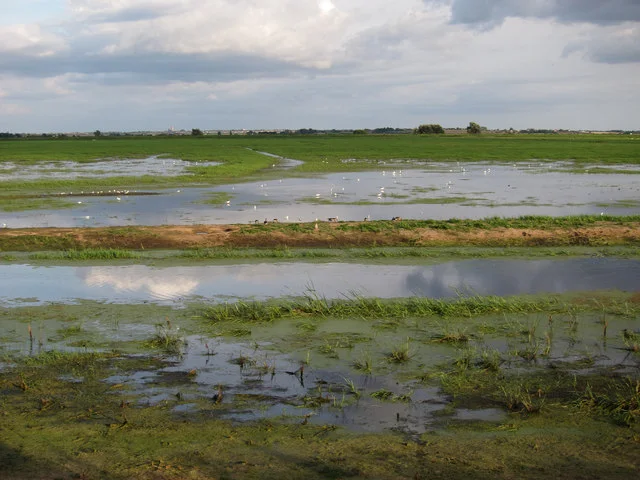
Winter whooper swans and wigeon across a working washland landscape.
Decide if the visit fits.
Last checked 18 October 2026.
Opening and charges information · checked .
Stay nearby →Reserve overview
Winter whooper swans and wigeon across a working washland landscape.
Eight checks for a smoother visit.
Conditions change: check the operator and transport notices before travelling.
January: typically scan Whooper Swan from Welches Dam Hide and Wigeon from Stockdales Hide, allowing time for distant identification. Winter flooding may alter which hide approach is sensible. February: Black-tailed Godwit passage can begin while Wigeon remains. Compare Rickwood Hide’s margins with the larger washland view from Stockdales Hide. March: Rickwood Hide is a useful public place to scan for Black-tailed Godwit and possible Water Pipit on suitable flood edges. Expect water levels to decide the best patch rather than a fixed position. April: look for Garganey from Stockdales Hide and Redshank from Rickwood Hide. The freshwater spring scene depends on the gradual withdrawal of floods. May: compare Avocet and passage Ruff from Cadbury Hide with possible Black Tern or Little Gull over the washes from Stockdales Hide. Spring easterly weather can bring brief tern passage, but never guarantees it. June: watch Redshank from Rickwood Hide and Marsh Harrier across the open washes from Cottier Hide. Keep breeding birds and their exact locations out of the route description. July: Cadbury Hide gives an authorised scan of suitable scrape margins for Ruff and Wood Sandpiper. On warmer days, allow extra time and water for the exposed bank walk. August: work between Cadbury Hide for Greenshank or Wood Sandpiper and Cottier Hide for Great White Egret. Scope visible pools instead of leaving the bank for a closer angle. September: Ruff and returning Black-tailed Godwit make Cadbury and Rickwood hides worth comparing. Cranes can occur in the wider wintering area, but no roost position is published. October: Stockdales Hide can offer Wigeon and late Garganey; Cottier Hide gives a broad Great White Egret and Marsh Harrier watch. Choose the actual open pools from current reports. November: typically start at Welches Dam Hide for Whooper Swan and then compare Wigeon from Stockdales Hide. The Visitor centre viewing area can add Tree Sparrow or Brambling when feeding conditions suit. December: use a short Welches Dam and Rickwood hide circuit for Whooper Swan, Black-tailed Godwit and Snipe if water and paths allow. A long northern walk is optional, not a requirement in poor weather.
Best conditions: Typically use calm, bright intervals for the long views across the washes; a scope makes distant ducks and waders much easier to identify. Flood depth and exposed margins matter more than sea tides. Strong wind makes the raised banks uncomfortable and harder to scan, so choose a shorter hide circuit. Spring easterly weather can bring passing Black Terns or Little Gulls, according to the county guide, but remains a possibility. Light varies with the chosen pool and hide window.
Prices checked 18 October 2026: the RSPB charges page lists free admission for adults and children, whether members or non-members. Non-members are requested to pay £3 for parking; members park free. The car park has 28 spaces, and visitors must not spill onto road verges or obstruct gateways. Group bookings are handled separately by the RSPB. The October visitor-centre calendar lists 9am–5pm, and toilets dawn–dusk. The facilities page describes the toilets as open at all times, so the official pages conflict; use the more restrictive calendar when planning. Check current reserve notices, flood conditions and your access roads before departure. The Welches Dam entrance is for RSPB Ouse Washes: WWT Welney is a separate visitor destination with its own admission arrangements.
Access times: Reserve: Published reserve access dawn–dusk; check flood and route conditions. · Hides: Current facilities page confirms the Welches Dam/Rickwood trail open. No individual hide-locking times are published; do not assume buildings are accessible outside reserve hours. · Car park: Dawn–dusk on the operator opening page. · Dawn access: yes. Operator opening information.
Use Welches Dam as the starting point for a hide-based visit. The RSPB currently identifies the trail to Welches Dam and Rickwood hides as open. These provide a sensible core itinerary without assuming that every more distant path is usable. Look first at the pattern of water, wet grass and exposed margins, then select a viewing direction. Birds can be spread over a broad landscape; constantly changing hide may be less effective than giving one position enough time. Two-hour plan, editorial suggestion: begin with the information at the centre, then settle at Welches Dam Hide for a broad scan of the washes. If the posted route and weather suit your party, add Rickwood before returning. Keep a substantial part of the visit for watching swans, identifying ducks or following the feeding movements of a wader flock. A short winter day is especially rewarding when you arrive ready to observe rather than expecting a long circular walk. Full-day plan, editorial suggestion: take a morning watch from the nearer hide, continue along the currently open visitor route and spend time comparing different water depths. Return for a packed lunch, then revisit the most promising view as the light changes. In winter, save enough time for a final swan and wildfowl watch, finishing the return before dusk. If floodwater or a signed closure restricts the route, shorten the walking and extend the stationary watches instead. This landscape is managed washland, receiving floodwater as part of a wider drainage system. Never enter a flooded path, cross a closure barrier or step down a bank to gain a closer view. Water can hide changes in ground level, and an apparently modest obstruction may have a different return condition. Keep to the public visitor route and do not approach feeding or resting flocks across the fields. For distant birds, increase viewing time or use a telescope rather than reducing your distance on foot. A useful identification approach is to work through a flock in small sections, noting bill shape, head pattern and feeding action before moving on.
Use the linked reserve map and directions with current access notices. Species are typical seasonal targets. Light and telescope advice reflects our choice of viewpoint.
Southern washland and flood edges
Slopes, gates and uneven ground; check flood conditions.
Winter: Whooper Swan, Snipe, Merlin, Water Rail, Crane, Hen Harrier, Short-eared Owl, Bewick’s Swan
Spring: Whooper Swan, Snipe, Merlin, Water Rail, Hen Harrier, Short-eared Owl
Summer: Snipe
Autumn: Whooper Swan, Snipe, Merlin, Water Rail, Crane, Hen Harrier, Short-eared Owl, Bewick’s Swan
Light: either. Scope: useful.
Nearby washland pools and wet grassland
Operator confirms the approach trail open; other hides generally have steps.
Winter: Black-tailed Godwit, Water Pipit, Spotted Redshank
Spring: Black-tailed Godwit, Redshank, Water Pipit, Spotted Redshank
Summer: Black-tailed Godwit, Redshank, Spotted Redshank
Autumn: Black-tailed Godwit, Water Pipit, Spotted Redshank
Light: either. Scope: useful.
Northern washland pools
Bank path and steps; confirm conditions.
Winter: Wigeon
Spring: Wigeon, Garganey, Black Tern, Little Gull, Arctic Tern
Summer: Garganey, Black Tern
Autumn: Wigeon, Garganey, Black Tern
Light: either. Scope: useful.
Northern scrape and seasonal wet grassland
Longer bank-path approach; steps.
Winter: Lapwing, Peregrine, Ruff
Spring: Lapwing, Peregrine, Ruff, Greenshank, Avocet, Wood Sandpiper
Summer: Lapwing, Ruff, Greenshank, Avocet, Wood Sandpiper
Autumn: Lapwing, Peregrine, Ruff, Greenshank, Avocet, Wood Sandpiper
Light: either. Scope: useful.
Northern washes towards the railway viaduct
Longer bank-path approach; steps.
Winter: Great White Egret, Marsh Harrier
Spring: Great White Egret, Marsh Harrier, Hobby
Summer: Great White Egret, Cattle Egret, Marsh Harrier, Hobby
Autumn: Great White Egret, Cattle Egret, Marsh Harrier, Hobby
Light: either. Scope: useful.
Visitor centre shrubs and feeding area
Unstaffed centre has separate opening hours.
Winter: Tree Sparrow, Brambling
Spring: Tree Sparrow, Brambling
Summer: Tree Sparrow
Autumn: Tree Sparrow, Brambling
Light: either. Scope: not needed.
| Spot | Overlooks | Key species by season | Best light | Scope | Tide |
|---|---|---|---|---|---|
| Welches Dam HideSlopes, gates and uneven ground; check flood conditions. | Southern washland and flood edges | Winter: Whooper Swan, Snipe, Merlin, Water Rail, Crane, Hen Harrier, Short-eared Owl, Bewick’s Swan Spring: Whooper Swan, Snipe, Merlin, Water Rail, Hen Harrier, Short-eared Owl Summer: Snipe Autumn: Whooper Swan, Snipe, Merlin, Water Rail, Crane, Hen Harrier, Short-eared Owl, Bewick’s Swan | either | useful | — |
| Rickwood HideOperator confirms the approach trail open; other hides generally have steps. | Nearby washland pools and wet grassland | Winter: Black-tailed Godwit, Water Pipit, Spotted Redshank Spring: Black-tailed Godwit, Redshank, Water Pipit, Spotted Redshank Summer: Black-tailed Godwit, Redshank, Spotted Redshank Autumn: Black-tailed Godwit, Water Pipit, Spotted Redshank | either | useful | — |
| Stockdales HideBank path and steps; confirm conditions. | Northern washland pools | Winter: Wigeon Spring: Wigeon, Garganey, Black Tern, Little Gull, Arctic Tern Summer: Garganey, Black Tern Autumn: Wigeon, Garganey, Black Tern | either | useful | — |
| Cadbury HideLonger bank-path approach; steps. | Northern scrape and seasonal wet grassland | Winter: Lapwing, Peregrine, Ruff Spring: Lapwing, Peregrine, Ruff, Greenshank, Avocet, Wood Sandpiper Summer: Lapwing, Ruff, Greenshank, Avocet, Wood Sandpiper Autumn: Lapwing, Peregrine, Ruff, Greenshank, Avocet, Wood Sandpiper | either | useful | — |
| Cottier HideLonger bank-path approach; steps. | Northern washes towards the railway viaduct | Winter: Great White Egret, Marsh Harrier Spring: Great White Egret, Marsh Harrier, Hobby Summer: Great White Egret, Cattle Egret, Marsh Harrier, Hobby Autumn: Great White Egret, Cattle Egret, Marsh Harrier, Hobby | either | useful | — |
| Visitor centre viewing areaUnstaffed centre has separate opening hours. | Visitor centre shrubs and feeding area | Winter: Tree Sparrow, Brambling Spring: Tree Sparrow, Brambling Summer: Tree Sparrow Autumn: Tree Sparrow, Brambling | either | not needed | — |
Month chips show typical presence or our preferred viewing season. Choose birds that suit the time of your visit.
Season: Typically November–February for winter swans and dense wildfowl flocks; numbers and viewing depend on water levels.. Arrival time: Editorial suggestion: settle into a currently accessible hide during the last part of the afternoon, leaving time to return before dusk.. Use the signed Welches Dam car park and allow additional time on busy winter days. Watch wild birds across the washes from an open hide; compare the separate WWT Welney programme if a scheduled swan-feeding session is your priority.
The operator describes the Welches Dam and Rickwood route as suitable for pushchairs and adventurous wheelchair users, rather than presenting the whole reserve as an easy step-free circuit. Welches Dam Hide is 500m from the car park, reached across uneven ground, gates and slopes up to 1:12. Other hides involve steps. Discuss the intended destination and your equipment with the reserve team before deciding how much of the site will suit you. Two Blue Badge spaces have a limestone surface finished with fine basalt dust. The centre is approximately 55m from the car park, approached by paved slopes, a small ramp and manually operated double doors. The RSPB does not provide an accessible toilet or dedicated baby-changing facility here; its published alternative public facilities are in March. This absence matters for a long hide session and may influence your choice of base or overall visit length. A companion may help with gates and doors, but the decision should follow your own transfer needs, chair capabilities and comfort on gradients. Read the linked AccessAble survey for more detailed measurements.
The unstaffed visitor centre provides reserve information and basic tea- and coffee-making facilities. There is no full café meal service, so bring food for a prolonged visit; the operator points to March for places to eat. A separate toilet block stands between the centre and car park. Picnics are welcome, with all litter taken away. Pack enough drink and insulating clothing for a long stationary watch, and keep food and loose wrappers secure inside a hide.
Dogs must remain under close control because cattle use the reserve. The RSPB specifically asks visitors to telephone before coming for advice about the animals and route. Visitors with assistance dogs are welcome at Ouse Washes. Keep a dog away from feeding flocks and leave enough room for other visitors at gates and hide entrances.
Manea is the relevant village and railhead. The RSPB places the station approximately 5km from the reserve, with the village about 4km away. For a rail visit, arrange a taxi for both directions or make that additional walk a deliberate part of your itinerary. The approach is a rural road connection, so consider daylight, weather and how comfortable you are walking alongside traffic before choosing it. Stagecoach route 56 links Wisbech, March and Manea; select a journey actually continuing to Manea rather than a shorter working. It does not deliver you to the hide or visitor centre. The RSPB location page prints example village bus times without a timetable date, so use Stagecoach's current timetable for your travel day instead. From Manea, follow the signed Welches Dam route opposite the Rose and Crown, then the next left. Drivers also approach through Manea to the signposted car park. When regional flooding affects roads, use the council's current closure information and do not follow navigation into standing water.
Useful bases for an early start.
Booking.com links are affiliate links: we may earn a commission at no extra cost to you. How these links work.
About 10.8 miles by road, roughly 25 minutes’ drive (OSRM estimate measured 18 October 2026).
Measured driving route · 18 October 2026. Map estimates exclude live traffic.
Rail connections and services north of the washes.Find places to stay in March on Booking.comAbout 18.8 miles by road, roughly 38 minutes’ drive (OSRM estimate measured 18 October 2026).
Measured driving route · 18 October 2026. Map estimates exclude live traffic.
Combining fenland birding with a city stay.Find places to stay in Ely on Booking.comAbout 8.1 miles by road, roughly 23 minutes’ drive (OSRM estimate measured 18 October 2026).
Measured driving route · 18 October 2026. Map estimates exclude live traffic.
A smaller town base south-west of Welches Dam.Find places to stay in Chatteris on Booking.comExplore Cambridgeshire’s full guides and smaller birding sites
The reserve telephone is 01354 680212 and its email address is ouse.washes@rspb.org.uk. Write to Ouse Washes, Manea, March, Cambridgeshire PE15 0NF. Before a trip requiring particular access arrangements, describe your intended hide, equipment and likely arrival time. The RSPB's reserve page, facilities information and opening calendar are linked below so that practical arrangements can be checked together. For a separate indoor swan-feeding experience, compare WWT Welney and its own programme before booking accommodation.
Check Cambridgeshire Bird Club What’s About — county reports. most days Reports show what has been seen, not what will be.
Follow the BTO Birders’ Code and give wildlife space.
Ouse Washes: Free admission; parking £3 non-members / free for RSPB members.
Ouse Washes: Dogs must remain under close control because cattle use the reserve.
Ouse Washes: Winter wildfowl · spring waders.
Ouse Washes: The operator describes the Welches Dam and Rickwood route as suitable for pushchairs and adventurous wheelchair users, rather than presenting the whole reserve as an easy step-free circuit.
Ouse Washes: Manea is the relevant village and railhead.
Shorter stops within 15 miles in a straight line. Use the operator’s arrival directions for the journey.
Chettisham village approach, north of Ely · Traditional hay meadow and thick hedgerows
B1049, Wilburton near Ely · Small wet woodland with former fishponds
Station Approach and lake entrance, Somersham · Lake, former railway land, woodland and grassland
Norwood Road, north of March railway station · Flooded railway borrow pit, marsh and scrub
Earith · Reedbeds, open water and wet grassland
Stretham Road, Wicken · Managed reedbed, lake, grassland and wetland
Twenty Foot Road, near March · Disused railway embankment, reedbeds, ponds and scrub
Brook Street approach, Soham · Traditional riverside hay meadow and hedgerows
Station Road between Swavesey and Over · Flooding grassland, ditches and ponds
Cockfen Lane, Landbeach · Grazed meadow, hedgerows, ponds and plantation woodland
Fordham Road, south of Isleham · Former railway cutting, chalk grassland and hedgerows
Downham Market · River, relief channel and riverside grassland
New Road, Whittlesey · Former clay pits, wetland, grassland and scrub
Upwood village, near Ramsey · Traditional clay meadows, hedges and dew ponds
Great Raveley Drain entrance west of Ramsey Heights · Fen, reedbed, wet woodland, meres and drainage channels
Nearby complete guides.
Stops with a purpose: use one as a contrasting habitat or weather-proof Plan B. Distances are straight-line estimates, not road journeys.