
Short entry6.3 miles away
Great Ouse and Relief Channel at Downham Market
Downham Market · River, relief channel and riverside grassland
 the ai birderBirding near me
The AI Birder · one-page field sheet
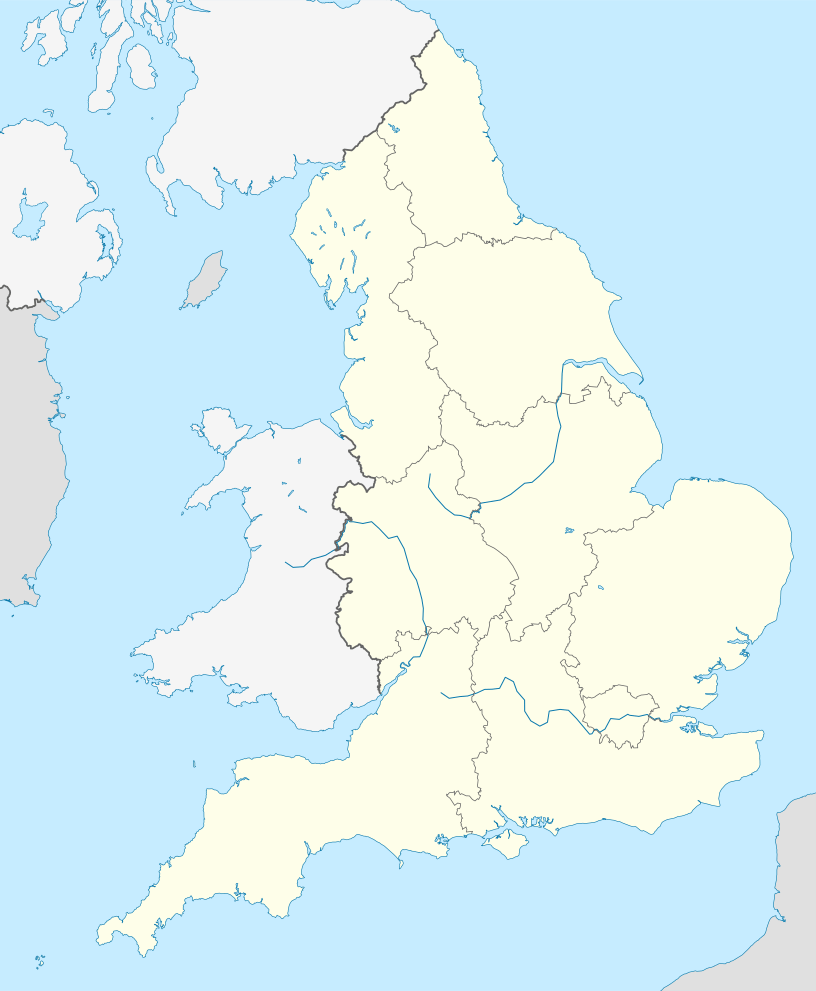
Hundred Foot Bank, Littleport, Ely, Norfolk, England · CB6 1UG · CB6 1UG

Current planning alert (2026-10-09): Welney’s Summer Walk normally runs June–October and Lady Fen walk July–February. The A1101 Wash Road can close when flooded; WWT’s alternative approach is from the A10 via Ely or Downham Market.
Whooper Swan · Wigeon · Crane · Teal · Pintail · Shoveler
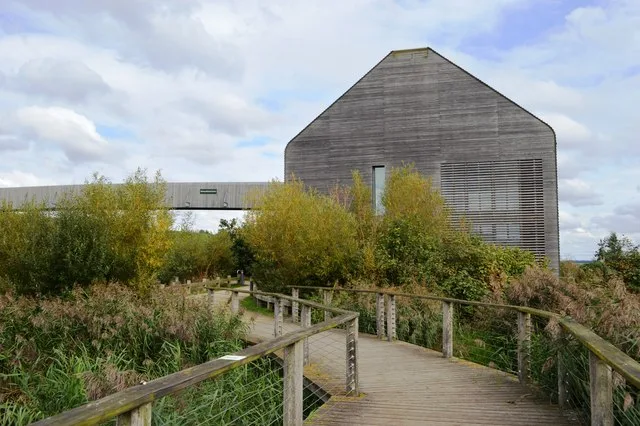
Main Observatory and wing hides · Reedbed Hide · Nelson-Lyle Hide · Lyle Hide · Allport Hide · Friends Hide · Lady Fen willow screen · Café veranda and bridge decking · Visitor centre feeding station
Check current access, hide closures and operator notices before travelling. Seasonal birds are possibilities, not promised sightings. Keep to authorised routes and give wildlife space.
Opening and charges checked 2026-10-18. Operator: https://www.wwt.org.uk/wetland-centres/welney
Full guide and current source links: https://aibirder.co.uk/reserves/wwt-welney
EN 14 · WWT reserve guide
Hundred Foot Bank, Littleport, Ely, Norfolk, England · CB6 1UG
A classic Fenland wetland where winter brings great flights of Whooper and Bewick's Swans, spring supports breeding Black-tailed Godwits and other waders, and autumn can gather Cranes over the Ouse Washes.
Decide if the visit fits.
Last checked 18 October 2026.
Welney’s Summer Walk normally runs June–October and Lady Fen walk July–February. The A1101 Wash Road can close when flooded; WWT’s alternative approach is from the A10 via Ely or Downham Market.
Opening and charges information · checked .
Stay nearby →Reserve overview
A classic Fenland wetland where winter brings great flights of Whooper and Bewick's Swans, spring supports breeding Black-tailed Godwits and other waders, and autumn can gather Cranes over the Ouse Washes.
Eight checks for a smoother visit.
Conditions change: check the operator and transport notices before travelling.
January: typically use Main Observatory and wing hides for Whooper Swan and possible Bewick’s Swan, then compare Wigeon from Nelson-Lyle Hide. Follow current WWT guidance for any managed feed. February: Pintail from Lyle Hide and Shoveler from Nelson-Lyle Hide are worth a patient scan. Check Tree Sparrow at the Visitor centre feeding station before leaving. March: Friends Hide becomes useful for Black-tailed Godwit and returning Redshank as suitable wet margins develop. Flooding can change both viewing and access. April: compare Black-tailed Godwit and Garganey from Friends Hide with Little Ringed Plover at Allport Hide. Watch breeding birds from the hides rather than pursuing them onto grassland. May: give Friends Hide time for Redshank and Black-tailed Godwit. Lady Fen can add Skylark and Yellow Wagtail from the public screen, veranda or bridge decking without entering closed breeding-season loops. June: Little Ringed Plover at Allport Hide and Gadwall from Reedbed Hide make a useful contrast. Use only the summer routes WWT has opened. July: Friends Hide suits returning Ruff and other waders; the Lady Fen willow screen can offer Grey Heron and Great White Egret. Daytime warmth also makes a slower insect watch worthwhile. August: watch Ruff and Black-tailed Godwit from Friends Hide and look over Lady Fen from the café veranda for Cattle Egret. Review current water and path conditions before choosing the longest circuit. September: typically compare passage Ruff from Friends Hide with Cattle Egret and Marsh Harrier over Lady Fen. Tree Sparrow at the feeding station remains worth a quiet stop. October: Whooper Swan arrivals begin shifting attention to Main Observatory, while returning Wigeon and Pintail favour Nelson-Lyle and Lyle hides. Bewick’s Swan needs a current arrival report rather than an assumed date. November: Main Observatory and wing hides are the managed public option for winter swans. Follow WWT’s current feed and evening-admission arrangements; daylight views from Lyle Hide can add Pintail. December: settle in Main Observatory for Whooper Swan and Teal, then choose a short hide circuit for Wigeon and Snipe. Weather and flooding can make a compact visit the better choice.
Best conditions: Typically favour clear, calm winter weather for distant wildfowl identification, using the heated observatory when rain or cold makes a long outside watch uncomfortable. Flood levels, not sea tides, determine the washland view; check the daily wildlife and access report. A scope is useful for far washland groups and Lady Fen, while the feeders are a binocular-distance stop. Choose the window or wing with less glare. Ordinary admission does not provide unrestricted dawn access.
2026 admission checked 18 October, without the optional Gift Aid addition: adults £6.75, juniors aged 3–17 £3.85, concessions and young adults aged 18–24 £5.80, and a two-adult/two-child family £19.25. Under-threes and carers assisting a disabled visitor enter free; WWT members have free entry. There is no visitor parking charge at WWT Welney. Christmas Day is closed. Buy admission online or at the entrance; the event panel explains the winter feeds. Check the official access and flood notices before travelling, since water levels can change both walking choices and road approaches. Keep a flexible order for your visit so a closed outer route does not leave you committed to an unnecessary long walk back to a particular hide.
Access times: Reserve: Ordinary admission from 9.30am; Sunday–Friday closes 5pm. Saturdays March–October 5pm, November–February 7pm. Last admission one hour before closing. Any special early visit needs its own operator arrangement. · Hides: General visitors use the open hide network within admission hours; flood conditions and seasonal paths can restrict access. Check the daily report. · Car park: Visitor car park serves centre visits; independent dawn gate hours were not verified. · Dawn access: no. Operator opening information.
Cross from the visitor centre to begin with the main observatory and its two wing hides, locating the waterline and the most active flocks before extending the walk. The Reedbed Hide looks towards the southern washes, reedbed and dragonfly ponds. In the other direction, Nelson-Lyle and Lyle overlook the middle reserve; Allport and Friends are the farther northern choices, described by WWT as around ten to fifteen minutes' walk from the observatory. A series of smaller hides adds intermediate viewpoints. Lady Fen offers willow-screen, bridge and café-veranda views, with perimeter loops of 3.6km or 4.6km opened outside the breeding season when conditions permit. These are additional options, not a route available regardless of the date or birds using it. The Summer Walk extends into the wider landscape, and current route availability should determine whether you include it. Two-hour plan, editorial suggestion: spend the first forty minutes with the observatory panorama, choose one neighbouring hide for a contrasting angle, then finish by scanning Lady Fen near the visitor centre. For a winter feed, anchor that shorter visit around the published arrival time rather than trying to fit an outer loop immediately beforehand. Full-day plan, editorial suggestion: examine the washes from several hides in the morning, return for lunch and use an open seasonal path or the ponds during the afternoon. End with a repeat watch at the most productive viewpoint, or the scheduled swan event on the relevant date. If flooding closes distant paths, concentrate on a detailed comparison of birds at the accessible open viewpoints. Watch how bill shape, posture and feeding depth separate species before relying on a distant patch of colour.
Use the linked reserve map and directions with current access notices. Species are typical seasonal targets. Light and telescope advice reflects our choice of viewpoint.
Main lagoon and Ouse Washes
Heated centre section and accessible wings; admission hours apply.
Winter: Whooper Swan, Bewick’s Swan, Teal, Crane
Spring: Whooper Swan, Teal
Autumn: Whooper Swan, Bewick’s Swan, Teal, Crane
Light: either. Scope: useful.
Southern washes, dragonfly ponds and reedbed
Accessible public hide.
Winter: Gadwall, Snipe, Cetti’s Warbler
Spring: Gadwall, Snipe, Cetti’s Warbler
Summer: Gadwall, Cetti’s Warbler
Autumn: Gadwall, Snipe, Cetti’s Warbler
Light: either. Scope: useful.
Middle section of the washes
Ramps and lowered windows; formerly Buxton Hide.
Winter: Wigeon, Shoveler
Spring: Wigeon, Shoveler
Autumn: Wigeon, Shoveler
Light: either. Scope: useful.
Middle washland
Ramps and lowered viewing windows.
Winter: Pintail, Lapwing
Spring: Pintail, Lapwing
Summer: Lapwing
Autumn: Pintail, Lapwing
Light: either. Scope: useful.
Northern washland pools and wet grassland
Not accessible to all; check route and steps before visiting.
Winter: Shelduck
Spring: Shelduck, Little Ringed Plover
Summer: Shelduck, Little Ringed Plover
Autumn: Shelduck
Light: either. Scope: useful.
Northern washes and summer wader habitat
Accessible hide at the far end of the signed hide path.
Winter: Black-tailed Godwit
Spring: Black-tailed Godwit, Ruff, Redshank, Garganey
Summer: Black-tailed Godwit, Ruff, Redshank, Garganey
Autumn: Black-tailed Godwit, Ruff, Garganey
Light: either. Scope: useful.
Pools near the visitor centre
Use public screen; wider loops open seasonally.
Winter: Great White Egret, Grey Heron
Spring: Great White Egret, Grey Heron, Skylark
Summer: Great White Egret, Grey Heron, Skylark
Autumn: Great White Egret, Grey Heron
Light: either. Scope: useful.
Lady Fen pools, scrapes and grassland
Visitor-centre opening hours govern access.
Winter: Marsh Harrier
Spring: Marsh Harrier, Yellow Wagtail
Summer: Marsh Harrier, Cattle Egret, Yellow Wagtail
Autumn: Marsh Harrier, Cattle Egret, Yellow Wagtail
Light: either. Scope: essential.
Shrubs and feeders beside the entrance footbridge
View from entrance foyer, pond room or café.
Winter: Reed Bunting, Tree Sparrow, House Sparrow, Goldfinch
Spring: Reed Bunting, Tree Sparrow, House Sparrow, Goldfinch
Summer: Reed Bunting, Tree Sparrow, House Sparrow, Goldfinch
Autumn: Reed Bunting, Tree Sparrow, House Sparrow, Goldfinch
Light: either. Scope: not needed.
| Spot | Overlooks | Key species by season | Best light | Scope | Tide |
|---|---|---|---|---|---|
| Main Observatory and wing hidesHeated centre section and accessible wings; admission hours apply. | Main lagoon and Ouse Washes | Winter: Whooper Swan, Bewick’s Swan, Teal, Crane Spring: Whooper Swan, Teal Autumn: Whooper Swan, Bewick’s Swan, Teal, Crane | either | useful | — |
| Reedbed HideAccessible public hide. | Southern washes, dragonfly ponds and reedbed | Winter: Gadwall, Snipe, Cetti’s Warbler Spring: Gadwall, Snipe, Cetti’s Warbler Summer: Gadwall, Cetti’s Warbler Autumn: Gadwall, Snipe, Cetti’s Warbler | either | useful | — |
| Nelson-Lyle HideRamps and lowered windows; formerly Buxton Hide. | Middle section of the washes | Winter: Wigeon, Shoveler Spring: Wigeon, Shoveler Autumn: Wigeon, Shoveler | either | useful | — |
| Lyle HideRamps and lowered viewing windows. | Middle washland | Winter: Pintail, Lapwing Spring: Pintail, Lapwing Summer: Lapwing Autumn: Pintail, Lapwing | either | useful | — |
| Allport HideNot accessible to all; check route and steps before visiting. | Northern washland pools and wet grassland | Winter: Shelduck Spring: Shelduck, Little Ringed Plover Summer: Shelduck, Little Ringed Plover Autumn: Shelduck | either | useful | — |
| Friends HideAccessible hide at the far end of the signed hide path. | Northern washes and summer wader habitat | Winter: Black-tailed Godwit Spring: Black-tailed Godwit, Ruff, Redshank, Garganey Summer: Black-tailed Godwit, Ruff, Redshank, Garganey Autumn: Black-tailed Godwit, Ruff, Garganey | either | useful | — |
| Lady Fen willow screenUse public screen; wider loops open seasonally. | Pools near the visitor centre | Winter: Great White Egret, Grey Heron Spring: Great White Egret, Grey Heron, Skylark Summer: Great White Egret, Grey Heron, Skylark Autumn: Great White Egret, Grey Heron | either | useful | — |
| Café veranda and bridge deckingVisitor-centre opening hours govern access. | Lady Fen pools, scrapes and grassland | Winter: Marsh Harrier Spring: Marsh Harrier, Yellow Wagtail Summer: Marsh Harrier, Cattle Egret, Yellow Wagtail Autumn: Marsh Harrier, Cattle Egret, Yellow Wagtail | either | essential | — |
| Visitor centre feeding stationView from entrance foyer, pond room or café. | Shrubs and feeders beside the entrance footbridge | Winter: Reed Bunting, Tree Sparrow, House Sparrow, Goldfinch Spring: Reed Bunting, Tree Sparrow, House Sparrow, Goldfinch Summer: Reed Bunting, Tree Sparrow, House Sparrow, Goldfinch Autumn: Reed Bunting, Tree Sparrow, House Sparrow, Goldfinch | either | not needed | — |
Month chips show typical presence or our preferred viewing season. Choose birds that suit the time of your visit.
Season: Winter 2026–27: daily 3.30pm swan feeds from 1 November 2026 to 28 February 2027, except Christmas Day. Floodlit feeds are at 6.30pm on Saturdays only, 14 November 2026–20 February 2027, in the main observatory.. Arrival time: For the afternoon feed, arrive at the centre by 3pm; for the floodlit feed, arrive by 6pm. These are WWT's published arrival instructions, allowing time to reach the hide.. The feed commentary is included with admission and free to WWT members. Buy an admission ticket; individual feed places do not require a separate reservation. Groups of twelve or more should arrange their visit with WWT. Choose an earlier arrival if you want an unhurried watch before commentary starts.
Welney's main access page describes mostly flat terrain, three designated accessible parking spaces, two standard-sized lifts from the visitor centre towards the reserve and two accessible toilets in the building. The lifts cannot accommodate Tramper scooters. Two manual wheelchairs are available to borrow, and two mobility scooters can be booked in advance. Hearing loops serve reception, the café and the observatory commentary area; enlarged maps can be requested before visiting. There are accessible picnic areas and a wheelchair pond-dipping platform. The general page says all hides have step-free access, but the more detailed hide description qualifies this: Allport is not accessible to everyone and several small two-person hides have ascending steps. Reedbed, Nelson-Lyle, Lyle and Friends are described as accessible options. Use that detailed distinction when choosing a circuit. The Summer Walk is also an exception to the mainly flat access. Discuss equipment dimensions and the intended route with the centre in advance, especially if the lift or a particular viewing opening is essential. Keep a comfortable margin for the return journey and avoid assuming that a path suitable in dry weather will feel the same after flooding.
The visitor centre has the Wigeon Café, a shop and toilets, giving a useful indoor break between exposed Fenland watches. Café hours are normally 9.30am–4.30pm, extended to 6.30pm on winter Saturdays, with changes possible according to demand. Picnic and pond-dipping areas add a different pace to a family visit. Pack warm layers for long periods sitting still, plus waterproof protection for optics while moving between viewpoints. A telescope helps on the broad washes, while binoculars are more comfortable for tracking flights and identifying birds close to a hide.
Pet dogs and other pets are not admitted because they may disturb wildlife. Trained assistance dogs are permitted on a lead and under control, with waste removed; the team may ask a handler to move if birds or animals react adversely. Arrange pet care before the outing, and do not leave an animal in a parked car while attending a feed or walking the reserve.
Littleport station on the Fen Line is the nearest rail connection identified by WWT, 7.6 miles from the centre, with direct services from London King's Cross via Ely. Book the final taxi leg and the return collection before travelling; WWT names Littleport Cabs as an option. Downham Market station, on the same line, is another choice at a published 10.4 miles and offers a quieter cycle approach. National Cycle Route 11 passes the reserve. WWT's Littleport cycling directions include a stretch of major road without a cycle lane, so choose the approach according to your confidence and equipment. No ordinary public bus to the entrance was established from the official directions. The A1101 between Welney village and Suspension Bridge can flood; when it does, WWT directs road arrivals from Ely or Downham Market via the A10. Save the named visitor-centre destination, Hundred Foot Bank, rather than routing simply to Welney village. For an evening event, arrange the collection time around its actual finish and give the driver the centre postcode so you are not relying on a dark rural walk.
Useful bases for an early start.
Booking.com links are affiliate links: we may earn a commission at no extra cost to you. How these links work.
About 6.6 miles by road, roughly 9 minutes' drive from the measured central base to the reserve; OSRM/OpenStreetMap estimate measured 18 October 2026, excluding live traffic and parking.
Measured driving route · 2026-10-18. Map estimates exclude live traffic.
Rail arrivals and the shortest measured road approach among these bases.Find places to stay in Littleport on Booking.comAbout 11.1 miles by road, roughly 17 minutes' drive from the measured central base to the reserve; OSRM/OpenStreetMap estimate measured 18 October 2026, excluding live traffic and parking.
Measured driving route · 2026-10-18. Map estimates exclude live traffic.
A Fenland city break with rail connections and a separate reserve day.Find places to stay in Ely on Booking.comAbout 10.1 miles by road, roughly 15 minutes' drive from the measured central base to the reserve; OSRM/OpenStreetMap estimate measured 18 October 2026, excluding live traffic and parking.
Measured driving route · 2026-10-18. Map estimates exclude live traffic.
An alternative rail base north of the reserve, with a quieter cycle option.Find places to stay in Downham Market on Booking.comExplore Norfolk’s full guides and smaller birding sites
Contact Welney on 01353 860711 or info.welney@wwt.org.uk. For a group, an equipment loan or a particular access need, explain the date and the route or event you intend to attend. WWT's dated sightings page is especially useful here because its notices can explain path availability as well as which birds have been seen. Read the current feed page when booking a winter trip; historic reports may describe different evening schedules. If an owl, crane flock or uncommon swan is your priority, retain enough flexibility to enjoy the wider wetland even if that bird has moved. Never approach a roost or breeding area beyond a closed path for a closer photograph.
Check WWT Welney daily wildlife sightings. most days Reports show what has been seen, not what will be.
Follow the BTO Birders’ Code and give wildlife space.
WWT Welney: Adult £6.75/junior 3–17 £3.85 without Gift Aid; WWT members free; parking free.
WWT Welney: Pet dogs and other pets are not admitted because they may disturb wildlife.
WWT Welney: Winter swans and wildfowl · spring breeding waders · autumn Cranes.
WWT Welney: Welney's main access page describes mostly flat terrain, three designated accessible parking spaces, two standard-sized lifts from the visitor centre towards the reserve and two accessible toilets in the building.
WWT Welney: Littleport station on the Fen Line is the nearest rail connection identified by WWT, 7.6 miles from the centre, with direct services from London King's Cross via Ely.
Shorter stops within 15 miles in a straight line. Use the operator’s arrival directions for the journey.
Downham Market · River, relief channel and riverside grassland
Chettisham village approach, north of Ely · Traditional hay meadow and thick hedgerows
Norwood Road, north of March railway station · Flooded railway borrow pit, marsh and scrub
Twenty Foot Road, near March · Disused railway embankment, reedbeds, ponds and scrub
Near Boughton and Stoke Ferry · Fen, reedbed and grassland
Shouldham · Coniferous woodland and clearings
B1049, Wilburton near Ely · Small wet woodland with former fishponds
Stretham Road, Wicken · Managed reedbed, lake, grassland and wetland
Pentney · Gravel-pit lakes and riverside
Brook Street approach, Soham · Traditional riverside hay meadow and hedgerows
Blackborough End · Gravel pits and woodland
Fordham Road, south of Isleham · Former railway cutting, chalk grassland and hedgerows
Nearby complete guides.
Stops with a purpose: use one as a contrasting habitat or weather-proof Plan B. Distances are straight-line estimates, not road journeys.