
Short entry2.5 miles away
Langstone Harbour
Stoke · Estuary, saltmarsh, shingle and lagoons
 the ai birderBirding near me
The AI Birder · one-page field sheet
Portsmouth, Hampshire · PO6 1UN

Current planning alert (2026-10-18): Hampshire & Isle of Wight Wildlife Trust reports habitat works for breeding waders. Follow any signed local diversions and keep clear of the working area.
Brent Goose · Avocet · Short-eared Owl · Wigeon · Teal · Redshank
The Lake seawall · The Stream path · Main Marsh perimeter · Point Field path · The Deeps seawall · The Bushes path
Check current access, hide closures and operator notices before travelling. Seasonal birds are possibilities, not promised sightings. Keep to authorised routes and give wildlife space.
Opening and charges checked 2026-10-18. Operator: https://www.hiwwt.org.uk/nature-reserves/farlington-marshes-nature-reserve
Full guide and current source links: https://aibirder.co.uk/reserves/farlington-marshes
EN 100 · Hampshire & Isle of Wight Wildlife Trust reserve guide
Portsmouth, Hampshire
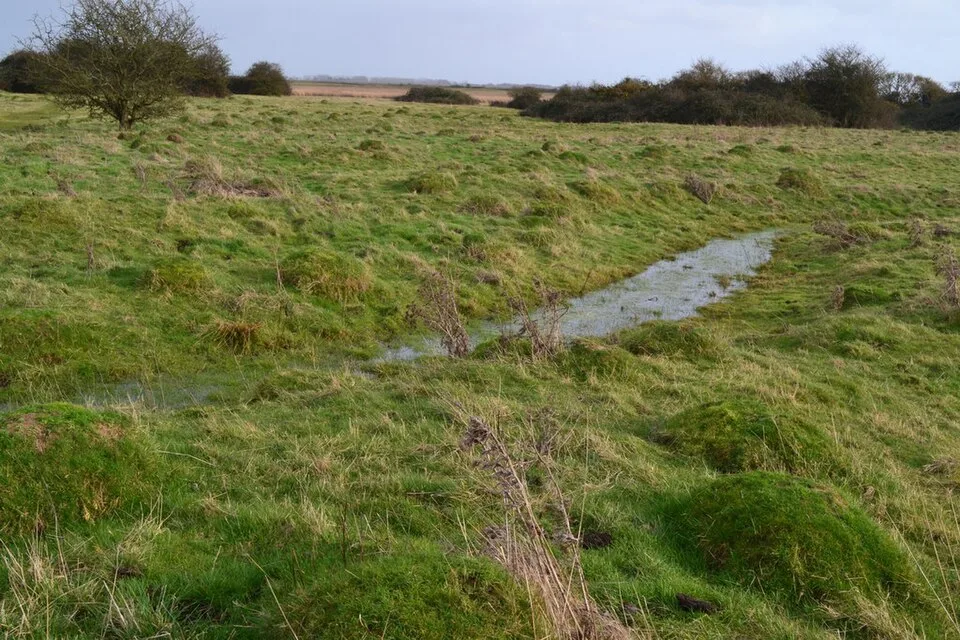
Winter Brent Geese and tide-driven wader movements on Portsmouth’s edge.
Decide if the visit fits.
Last checked 18 October 2026.
Hampshire & Isle of Wight Wildlife Trust reports habitat works for breeding waders. Follow any signed local diversions and keep clear of the working area.
Opening and charges information · checked .
Stay nearby →Reserve overview
Winter Brent Geese and tide-driven wader movements on Portsmouth’s edge.
Eight checks for a smoother visit.
Conditions change: check the operator and transport notices before travelling.
January: typically look for Brent Goose and Wigeon from Main Marsh perimeter. Use a high-water plan. Compare the grazing flock with nearby ducks before deciding whether the outer wall deserves more time. February: typically look for Dunlin and Avocet from The Lake seawall. Avoid approaching the birds. Let the scope settle between gusts; a hurried scan can turn distant feeding waders into anonymous shapes. March: typically look for Lapwing and Redshank from Main Marsh perimeter. Keep to the marked path. If birds begin alarm-calling or repeatedly circling you, move on along the established route. April: typically look for Wheatear from Point Field path. Compare the scrub and open turf. Pause where open turf meets cover, then work back through the visible ground rather than chasing movement. May: typically look for Reed Warbler and Sedge Warbler from The Stream path. Listen before scanning. A few quiet minutes are often more useful than walking continuously past calling birds. June: typically look for Skylark and Meadow Pipit from Main Marsh perimeter. Leave the grassland undisturbed. Look across the marsh from one position and allow birds to resume their normal behaviour. July: typically look for Avocet and Redshank from The Lake seawall. Follow any habitat-work diversion. A shorter circuit with time to compare feeding shapes can be more rewarding than covering every corner. August: typically look for Whinchat and Wheatear from Point Field path. Passage varies with weather. Scan exposed perches from a distance and allow a migrant to come into view itself. September: typically look for Curlew Sandpiper and Little Stint from The Lake seawall. Check recent county reports first. Work through common Dunlin first so an unfamiliar shape has a sensible point of comparison. October: typically look for Grey Plover from The Deeps seawall. Use a scope in good visibility. Check both feeding birds and open water from the public bank, without edging towards settled flocks. November: typically look for Wigeon and Teal from The Stream path. Choose shelter from strong winds. Use a sheltered pause to compare duck bills and head shapes before returning to the exposed wall. December: typically look for Brent Goose and Dunlin from The Lake seawall. Allow enough daylight for the return. Keep waterproofs accessible and turn back before fading light makes the rough return path harder to follow.
Best conditions: Our choice is a high-water visit in lighter winds, using the Lake and Stream for settled waders. Strong wind and spray make the outer wall harder to scan; use a scope without leaving the path.
The reserve is open at all times and donations are welcome. The operator describes three parking areas, with height barriers at entrances; high vehicles need to resolve clearance before setting off. There is western access from the Portsmouth-side A27/A2030 junction area and eastern access via Broadmarsh Coastal Park. Follow the official access instructions carefully because motorway slip roads make a missed turn more awkward than it looks on a small map. Check the Trust page before travelling for current management or access information. An unrestricted opening statement is not a recommendation to walk an exposed sea wall in darkness or dangerous weather. Our preference is a daylight arrival with time to return comfortably after the chosen tide.
Access times: Reserve: Operator says open at all times; local work restrictions still apply. · Hides: No enclosed public hide is shown on the operator map; watching is from exposed public paths. · Car park: Three car parks listed with height barriers. Independent gate hours are not published on the checked operator page. · Dawn access: yes. Operator opening information.
Our two-hour plan is a tide-led out-and-back from the western entrance. Walk to an open sea-wall view, stop and establish what the tide is doing. First identify where birds are feeding, then where they are moving as the water advances. Scan the pools and grazing fields from the path, keeping a generous distance from resting flocks. A quiet thirty minutes at a useful view is usually more valuable than a brisk perimeter lap. Turn back while the weather and energy still feel comfortable. A full day can include the operator’s roughly 2.5-mile outer sea-wall circuit, but it should be a choice rather than an obligation. Start on the side offering the best light and least uncomfortable wind. Use the first part for harbour waders, the middle for field and pool views, and the later section for another look at birds as the tide changes. Take a proper sheltered break away from the wildlife if you need to eat. With no routine indoor reserve refuge to rely on, shorten the circuit when conditions worsen. Read the marsh from the outside: wet hollows, grazed grass and harbour edges attract different birds, while the paths keep you out of sensitive feeding and breeding ground. A telescope is useful from a wide, safe stopping place, but narrow sections should remain clear for walkers. Never leave the sea wall to reach a photographic angle or use a phone report to pursue an owl into the interior. From an existing public viewpoint, watching a hunting bird move naturally across the landscape is a far better experience. The harbour mud has its own hazards and belongs outside a visitor walking plan. Use the reserve paths even when an apparently dry shoreline seems to offer a shortcut.
Use the linked reserve map and directions with current access notices. Species are typical seasonal targets. Light and telescope advice reflects our choice of viewpoint.
Lake, reedbed and harbour
Stay on the public perimeter path; obey temporary work signs.
Winter: Avocet, Redshank, Dunlin, Bearded Tit
Spring: Avocet, Redshank, Dunlin, Bearded Tit
Summer: Avocet, Redshank, Bearded Tit, Curlew Sandpiper, Little Stint
Autumn: Avocet, Redshank, Dunlin, Bearded Tit, Curlew Sandpiper, Little Stint
Light: either. Scope: useful.
Tide: High water brings harbour waders towards inland water; keep back from settled flocks.
Stream and reeds
Stay on the public perimeter path; obey temporary work signs.
Winter: Teal, Black-tailed Godwit, Cetti’s Warbler
Spring: Teal, Black-tailed Godwit, Reed Warbler, Sedge Warbler, Cetti’s Warbler
Summer: Reed Warbler, Sedge Warbler, Cetti’s Warbler
Autumn: Teal, Black-tailed Godwit, Reed Warbler, Sedge Warbler, Cetti’s Warbler
Light: either. Scope: useful.
Tide: High water brings harbour waders towards inland water; keep back from settled flocks.
Grazing marsh and wet fields
Stay on the public perimeter path; obey temporary work signs.
Winter: Brent Goose, Wigeon, Lapwing, Short-eared Owl
Spring: Brent Goose, Wigeon, Lapwing, Skylark, Short-eared Owl
Summer: Lapwing, Skylark
Autumn: Brent Goose, Wigeon, Lapwing, Skylark, Short-eared Owl
Light: either. Scope: useful.
Tide: High water brings harbour waders towards inland water; keep back from settled flocks.
Grassland and migrant scrub
Stay on the public perimeter path; obey temporary work signs.
Winter: Meadow Pipit
Spring: Meadow Pipit, Wheatear, Whinchat
Summer: Meadow Pipit, Wheatear, Whinchat
Autumn: Meadow Pipit, Wheatear, Whinchat
Light: either. Scope: useful.
Tide: High water brings harbour waders towards inland water; keep back from settled flocks.
Shallow pools and harbour
Stay on the public perimeter path; obey temporary work signs.
Winter: Grey Plover
Spring: Grey Plover
Autumn: Grey Plover
Light: either. Scope: useful.
Tide: High water brings harbour waders towards inland water; keep back from settled flocks.
Scrub beside the northern approach
Stay on the public perimeter path; obey temporary work signs.
Spring: Redstart, Spotted Flycatcher
Summer: Redstart, Spotted Flycatcher
Autumn: Redstart, Spotted Flycatcher
Light: either. Scope: useful.
Tide: High water brings harbour waders towards inland water; keep back from settled flocks.
| Spot | Overlooks | Key species by season | Best light | Scope | Tide |
|---|---|---|---|---|---|
| The Lake seawallStay on the public perimeter path; obey temporary work signs. | Lake, reedbed and harbour | Winter: Avocet, Redshank, Dunlin, Bearded Tit Spring: Avocet, Redshank, Dunlin, Bearded Tit Summer: Avocet, Redshank, Bearded Tit, Curlew Sandpiper, Little Stint Autumn: Avocet, Redshank, Dunlin, Bearded Tit, Curlew Sandpiper, Little Stint | either | useful | High water brings harbour waders towards inland water; keep back from settled flocks. |
| The Stream pathStay on the public perimeter path; obey temporary work signs. | Stream and reeds | Winter: Teal, Black-tailed Godwit, Cetti’s Warbler Spring: Teal, Black-tailed Godwit, Reed Warbler, Sedge Warbler, Cetti’s Warbler Summer: Reed Warbler, Sedge Warbler, Cetti’s Warbler Autumn: Teal, Black-tailed Godwit, Reed Warbler, Sedge Warbler, Cetti’s Warbler | either | useful | High water brings harbour waders towards inland water; keep back from settled flocks. |
| Main Marsh perimeterStay on the public perimeter path; obey temporary work signs. | Grazing marsh and wet fields | Winter: Brent Goose, Wigeon, Lapwing, Short-eared Owl Spring: Brent Goose, Wigeon, Lapwing, Skylark, Short-eared Owl Summer: Lapwing, Skylark Autumn: Brent Goose, Wigeon, Lapwing, Skylark, Short-eared Owl | either | useful | High water brings harbour waders towards inland water; keep back from settled flocks. |
| Point Field pathStay on the public perimeter path; obey temporary work signs. | Grassland and migrant scrub | Winter: Meadow Pipit Spring: Meadow Pipit, Wheatear, Whinchat Summer: Meadow Pipit, Wheatear, Whinchat Autumn: Meadow Pipit, Wheatear, Whinchat | either | useful | High water brings harbour waders towards inland water; keep back from settled flocks. |
| The Deeps seawallStay on the public perimeter path; obey temporary work signs. | Shallow pools and harbour | Winter: Grey Plover Spring: Grey Plover Autumn: Grey Plover | either | useful | High water brings harbour waders towards inland water; keep back from settled flocks. |
| The Bushes pathStay on the public perimeter path; obey temporary work signs. | Scrub beside the northern approach | Spring: Redstart, Spotted Flycatcher Summer: Redstart, Spotted Flycatcher Autumn: Redstart, Spotted Flycatcher | either | useful | High water brings harbour waders towards inland water; keep back from settled flocks. |
Month chips show typical presence or our preferred viewing season. Choose birds that suit the time of your visit.
High water is the operator’s recommendation for watching waders on the inland lakes. Stay on the seawall, never harbour mud, and check conditions before setting out.
Farlington requires a more specific access decision than a reserve with an indoor centre and smooth routes. The Trust describes a rough outer sea-wall path, exposed to wind and sea spray, with a RADAR key needed for disabled access. That means the presence of an accessible gate should not be taken as confirmation that the whole perimeter will suit every chair or walking aid. Ask about the surface and entrance you plan to use, and choose a modest out-and-back if a complete circuit would leave little energy in reserve. Conditions underfoot and wind strength can change the practical difficulty substantially. A firm standing point overlooking the pools can support excellent birdwatching without a long walk. The operator’s car-park height restriction also matters for adapted vehicles; resolve it with the Trust or relevant parking manager before departure. Bring any seating you require rather than assuming a bench at each useful viewpoint. For a visitor needing guaranteed accessible toilets and an indoor weather refuge, we would choose a different reserve day or combine a very short visit with facilities established elsewhere in advance.
Bring water, food and warm waterproof layers for a visit centred on outdoor paths and viewpoints. The official page does not list a visitor centre, café or toilets as routine on-reserve facilities, so plan those needs in Portsmouth or Havant before arriving. Bike racks are provided at the entrances, while cycling is not allowed on the reserve or sea wall. A compact scope and a small mat to keep a bag out of wet ground can be useful. Keep your kit together so other walkers can pass at narrow places.
Dogs are allowed on leads. Keep the lead short beside grazing livestock, feeding birds and pools, and take waste away in a bag. A dog at the end of an extended lead can disturb wildlife well beyond the path, so stay close together throughout the marsh walk.
Hilsea is the rail station identified by the reserve operator, which places it about a mile and a half from the reserve. Use South Western Railway or National Rail for current trains and plan the pedestrian approach through the proper crossings: the A27 is a serious barrier to an improvised walk. A taxi from Hilsea, Portsmouth or Havant can remove the longer road approach, with the driver given the western reserve entrance or Broadmarsh as appropriate. Book a return pickup rather than assuming a vehicle will wait at an unattended marsh. Use the current Portsmouth-area bus operator journey planner to choose the route and stop for your day, including the final pedestrian approach. Cycling to an entrance can also work via the Portsmouth–Havant route along the reserve’s northern edge; leave the bicycle at the racks. Stay-base drives below use OSRM measurements dated 18 October 2026, without congestion predictions.
Useful bases for an early start.
Booking.com links are affiliate links: we may earn a commission at no extra cost to you. How these links work.
About 5.6 miles by road, roughly 9 minutes’ drive from the western car park; OSRM estimate measured 18 October 2026, excluding traffic.
Measured driving route · 2026-10-18. Map estimates exclude live traffic.
A Portsmouth city-and-harbour stayFind places to stay in Portsmouth on Booking.comAbout 4.1 miles by road, roughly 6 minutes’ drive from the western car park; OSRM estimate measured 18 October 2026, excluding traffic.
Measured driving route · 2026-10-18. Map estimates exclude live traffic.
Rail connections and an eastern approachFind places to stay in Havant on Booking.comAbout 5.7 miles by road, roughly 9 minutes’ drive from the western car park; OSRM estimate measured 18 October 2026, excluding traffic.
Measured driving route · 2026-10-18. Map estimates exclude live traffic.
A coastal base east of HavantFind places to stay in Emsworth on Booking.comExplore Hampshire’s full guides and smaller birding sites
Use Hampshire & Isle of Wight Wildlife Trust’s Farlington Marshes page for the current access map and visitor notices. Its listed general contact number is 01489 774400. Explain which entrance and transport method you plan to use when asking about vehicle height or mobility access. The Trust works with Portsmouth City Council at this reserve. For a planned group walk, seek advice about a suitable route and tide rather than concentrating a large group beside a resting flock.
Check HOS county bird news. monthly county summaries Reports show what has been seen, not what will be.
Follow the BTO Birders’ Code and give wildlife space.
Farlington Marshes: Price not published by operator; donations welcome; parking tariff not stated.
Farlington Marshes: Dogs are allowed on leads.
Farlington Marshes: Winter geese and high-tide waders; spring and autumn passage.
Farlington Marshes: That means the presence of an accessible gate should not be taken as confirmation that the whole perimeter will suit every chair or walking aid.
Farlington Marshes: Hilsea is the rail station identified by the reserve operator, which places it about a mile and a half from the reserve.
Shorter stops within 15 miles in a straight line. Use the operator’s arrival directions for the journey.
Stoke · Estuary, saltmarsh, shingle and lagoons
West Stoke, near Chichester · Ancient yew woodland and chalk grassland
Near Warnford · Chalk grassland, scrub and woodland
Brading · Wetland and woodland
North of Newport, Medina estuary · Brackish creek, reedbeds, millpond and ancient woodland
Nearby complete guides.
Stops with a purpose: use one as a contrasting habitat or weather-proof Plan B. Distances are straight-line estimates, not road journeys.