Short entry7.0 miles away
Dodnor Creek and Dicksons Copse
North of Newport, Medina estuary · Brackish creek, reedbeds, millpond and ancient woodland
 the ai birderBirding near me
The AI Birder · one-page field sheet
Hill Head, Hampshire, England · PO14 3JT · PO14 3JT

Bearded Tit · Kingfisher · Black-tailed Godwit · Black-headed Gull · Teal · Shoveler
Meon Shore Hide · West Hide · Pumfrett Hide · Spurgin Hide · Suffern Hide — reopening not verified · Meadow Hide · Knights Bank Hide · Western entrance — public trail listening area
Check current access, hide closures and operator notices before travelling. Seasonal birds are possibilities, not promised sightings. Keep to authorised routes and give wildlife space.
Opening and charges checked 2026-10-18. Operator: https://www.hants.gov.uk/thingstodo/titchfield
Full guide and current source links: https://aibirder.co.uk/reserves/titchfield-haven-national-nature-reserve
EN 80 · Hampshire County Council reserve guide
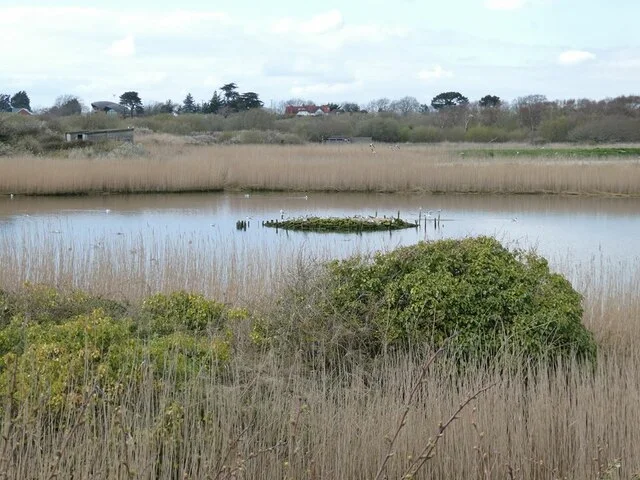
Hill Head, Hampshire, England · PO14 3JT
Scrape hides and an eastern boardwalk beside the River Meon.
Decide if the visit fits.
Last checked 18 October 2026.
Opening and charges information · checked .
Stay nearby →Reserve overview
Scrape hides and an eastern boardwalk beside the River Meon.
Eight checks for a smoother visit.
Conditions change: check the operator and transport notices before travelling.
January: January usually favours the western hides for winter waterbirds: Wigeon from Spurgin Hide, Teal from Meon Shore and Shoveler from West Hide. Listen for Bearded Tit from the official western entrance path in calm weather. The reserve opens after dawn, so the watch must fit current admission hours rather than a sunrise arrival.
February: In February, compare Teal, Shoveler and Wigeon across the western scrape-and-mere hides, with Snipe concealed along suitable muddy edges. The public entrance listening area can add Cetti’s Warbler or Bearded Tit. Strong wind can close the reserve completely;the council’s stated closure threshold takes priority over a sheltered-looking hide.
March: March typically brings more Avocet and gull activity at Meon Shore and Pumfrett Hides, while Black-tailed Godwits may show changing plumage. Look carefully at Mediterranean Gull alongside Black-headed Gull from the official building. Dates and numbers vary, and a colony view never justifies approaching islands or entering the scrape.
April: April usually offers Common Tern, Avocet and Mediterranean Gull from Meon Shore and Pumfrett, with Reed Warbler and Lesser Whitethroat audible near West Hide. The actual April 2026 trip supports those places and birds. It also records Suffern Hide closed for repairs;that historical observation is not proof the hide has since reopened.
May: May is our choice for Avocet and Common Tern from the western hides and Reed or Sedge Warbler listening from the official entrance path. If the eastern boardwalk is confirmed open, Meadow Hide adds Reed Bunting and wetland views. Ask about the day’s open route before committing to the farther Knights Bank Hide.
June: In June, give Meon Shore and Pumfrett time for Avocet and Common Tern, then listen for Reed Warbler at the established western trail edge. Cattle Egret and Reed Bunting are possible from Meadow Hide only where the eastern approach is open. Keep every watch within public facilities and leave food-carrying adults undisturbed.
July: July usually combines summer gull and tern watching at Pumfrett with the first returning Green Sandpipers on the western scrape margins. West Hide offers another angle without walking towards feeding birds. A mixed-age flock can be an excellent identification exercise;there is no need to turn every stop into a search for rarities.
August: August typically makes Green Sandpiper and returning Black-tailed Godwit useful western-scrape targets, with Common Tern still possible early in the month. Use Meon Shore and West Hides according to the actual water level and light. At rising tide, birds need resting space;do not leave the visitor route to improve a photograph.
September: September usually brings more Teal and Snipe to the western hide circuit, with Green Sandpiper still possible on exposed margins. Meadow Hide may add Stonechat and Cattle Egret when its approach is confirmed open. The county report establishes recent reserve occurrence, but a sighting from an earlier date is not a promise.
October: In October, watch Teal and Shoveler from West Hide and Wigeon from Spurgin, then listen for Bearded Tit at the official western entrance. A short, calm spell may be more useful than completing both sides of the reserve. Confirm eastern boardwalk availability rather than relying on an old unrestricted map.
November: November usually favours a deliberate Meon Shore and Pumfrett scan for Black-tailed Godwit, Lapwing and winter ducks. West Hide can add Snipe if water and cover suit. The council publishes a daytime admission period, so no after-dark or dawn hide access should be inferred from coastal birding reports.
December: December is a good month for learning Wigeon, Teal and Shoveler from the public western hides, with Bearded Tit a calm-weather listening possibility near the entrance. Choose an unhurried route that ends before closure. Check current holiday arrangements and weather notices independently rather than repeating older third-party opening calendars.
Best conditions: Choose a calm clear day for Bearded Tit listening and a scope-led scrape watch. Binoculars handle nearby gull comparisons;distant Knights Bank waterbirds usually benefit from a scope where access is confirmed. Shift between open public hides as light changes rather than leaving the trail. The western scrape route can be soft and uneven, while the eastern boardwalk has different access constraints. Forecast40 mph winds close the reserve;do not substitute your own sheltered-hide judgement for the operator’s closure rule.
Hampshire County Council manages Titchfield Haven National Nature Reserve. Current admission and practical details were checked on18 October 2026;use the Access times section for reserve hours. The council closes the reserve for safety when forecast wind reaches 40 mph or above. Buy tickets at the ticket office or through the council's online booking link. The displayed October 2026 admission is £6.50 adult, £5.50 senior citizen, £3.50 child aged 5–15, or £17 for two adults and two children. Six-month membership is also offered. Nearby Hove-To and Meon Shore are Fareham Borough Council pay-and-display car parks. The current council tariff is £1.10 an hour between 10am and 6pm, with a maximum stay of 12 hours. Check the reserve's current notices, weather decision and booking information before setting out, particularly for an organised group or a journey made specifically for the hides.
Access times: Reserve: Hampshire County Council current plan page: daily 9am–4pm. Closed when winds40 mph or faster are forecast. No dawn admission. · Hides: Within controlled reserve hours. Suffern Hide repair closure reportedApril 2026; reopening unverified. Check eastern boardwalk works and actual available hides with staff. · Car park: No reserve car park. Nearby Fareham Council public seafront/Hove-To parking is pay-and-display; separate gate/charging hours not verified here. · Dawn access: no. Operator opening information.
The river divides Titchfield Haven into two complementary visitor experiences. The western Scrapes trail provides the open-water perspectives associated with Meon Shore, Pumfrett and Spurgin hides. The eastern Boardwalk trail changes the emphasis towards reedbeds, ponds and the River Meon, including the Suffern outlook. Use the current council map and ticket-office advice to select the open hides and boardwalk sections, leaving enough time for an unhurried return to your entrance. Two-hour plan, editorial suggestion: choose one side of the reserve and give its hides proper attention. For waders and gulls, begin with the Scrapes trail, spending time at Meon Shore before moving to a second contrasting view. For a shorter mobility-led outing, use the eastern Boardwalk approach and a sustained reedbed or river watch. Include the return to the entrance within the two hours. Full-day plan, editorial suggestion: start on the scrape side, take a break outside the paid route and devote the afternoon to the Boardwalk and river outlooks. This changes both habitat and viewing angle while avoiding the feeling of retracing exactly the same session. If a hide is occupied, wait quietly or try the next legitimate view rather than standing in its doorway. The public canal-side path offers an additional landscape walk, but it is distinct from the ticketed reserve routes. Keep to signed access and leave the meadows and reedbed interior undisturbed. Even when a bird seems close beside a path, a stationary watch is preferable to pursuing it from one bank to another.
Use the linked reserve map and directions with current access notices. Species are typical seasonal targets. Light and telescope advice reflects our choice of viewpoint.
South Scrape and its shallow margins
Use public Scrapes West Trail. Council warns soft uneven ground currently affects some wheelchairs.
Winter: Black-tailed Godwit, Teal, Shoveler, Lapwing
Spring: Avocet, Black-headed Gull, Mediterranean Gull, Common Tern
Summer: Avocet, Common Tern, Black-headed Gull
Autumn: Green Sandpiper, Black-tailed Godwit, Lapwing
Light: either. Scope: useful.
Western scrape margins and adjacent scrub
Established western trail hide; no off-path approach around scrub or feeding birds.
Winter: Teal, Shoveler, Snipe
Spring: Reed Warbler, Lesser Whitethroat, Blackcap
Summer: Reed Warbler, Sedge Warbler
Autumn: Green Sandpiper, Teal, Snipe
Light: either. Scope: useful.
North Scrape and South Scrape
Established public hide; compare gulls from the building without approaching colony islands.
Winter: Black-tailed Godwit, Teal, Shoveler, Lapwing
Spring: Avocet, Black-headed Gull, Mediterranean Gull, Common Tern
Summer: Avocet, Common Tern, Black-headed Gull
Autumn: Green Sandpiper, Black-tailed Godwit, Lapwing
Light: either. Scope: useful.
Eleven Acre Mere
Northern public western-trail hide. No invented direct route across the mere.
Winter: Wigeon, Teal, Shoveler, Kingfisher
Spring: Avocet, Black-headed Gull, Mediterranean Gull, Kingfisher
Summer: Common Tern, Black-headed Gull, Kingfisher
Autumn: Lapwing, Teal, Green Sandpiper, Kingfisher
Light: either. Scope: useful.
River Meon margins and reed-lined water
April 2026 RSPB report says closed for repairs; no current reopening verified. Do not plan entry until operator confirms.
Winter: Water Rail
Spring: Water Rail
Summer: Water Rail
Autumn: Water Rail
Light: either. Scope: useful.
Meadow, reedbed and grazing wetland
On official eastern Boardwalk Trail; confirm current extent of boardwalk works and open access before choosing it.
Winter: Stonechat, Lapwing, Cormorant, Marsh Harrier
Spring: Reed Bunting, Cattle Egret, Stonechat, Marsh Harrier
Summer: Reed Bunting, Cattle Egret, Lapwing, Marsh Harrier
Autumn: Stonechat, Cattle Egret, Lapwing, Marsh Harrier
Light: either. Scope: useful.
Duck Bay, reedbed and meadow
Last hide on eastern public route; operator confirms location, but access past any current closure must be checked.
Winter: Lapwing, Cormorant, Stonechat
Spring: Lapwing, Cormorant, Reed Bunting
Summer: Lapwing, Cormorant, Reed Bunting
Autumn: Stonechat, Lapwing, Cormorant
Light: either. Scope: essential.
Reedbed beside the official western entrance
County guide explicitly recommends a calm winter listen here. Remain on public trail and avoid playback; no path into reeds.
Winter: Bearded Tit, Cetti’s Warbler
Spring: Bearded Tit, Reed Warbler, Sedge Warbler
Summer: Reed Warbler, Sedge Warbler
Autumn: Bearded Tit, Cetti’s Warbler
Light: either. Scope: not needed.
| Spot | Overlooks | Key species by season | Best light | Scope | Tide |
|---|---|---|---|---|---|
| Meon Shore HideUse public Scrapes West Trail. Council warns soft uneven ground currently affects some wheelchairs. | South Scrape and its shallow margins | Winter: Black-tailed Godwit, Teal, Shoveler, Lapwing Spring: Avocet, Black-headed Gull, Mediterranean Gull, Common Tern Summer: Avocet, Common Tern, Black-headed Gull Autumn: Green Sandpiper, Black-tailed Godwit, Lapwing | either | useful | — |
| West HideEstablished western trail hide; no off-path approach around scrub or feeding birds. | Western scrape margins and adjacent scrub | Winter: Teal, Shoveler, Snipe Spring: Reed Warbler, Lesser Whitethroat, Blackcap Summer: Reed Warbler, Sedge Warbler Autumn: Green Sandpiper, Teal, Snipe | either | useful | — |
| Pumfrett HideEstablished public hide; compare gulls from the building without approaching colony islands. | North Scrape and South Scrape | Winter: Black-tailed Godwit, Teal, Shoveler, Lapwing Spring: Avocet, Black-headed Gull, Mediterranean Gull, Common Tern Summer: Avocet, Common Tern, Black-headed Gull Autumn: Green Sandpiper, Black-tailed Godwit, Lapwing | either | useful | — |
| Spurgin HideNorthern public western-trail hide. No invented direct route across the mere. | Eleven Acre Mere | Winter: Wigeon, Teal, Shoveler, Kingfisher Spring: Avocet, Black-headed Gull, Mediterranean Gull, Kingfisher Summer: Common Tern, Black-headed Gull, Kingfisher Autumn: Lapwing, Teal, Green Sandpiper, Kingfisher | either | useful | — |
| Suffern Hide — reopening not verifiedApril 2026 RSPB report says closed for repairs; no current reopening verified. Do not plan entry until operator confirms. | River Meon margins and reed-lined water | Winter: Water Rail Spring: Water Rail Summer: Water Rail Autumn: Water Rail | either | useful | — |
| Meadow HideOn official eastern Boardwalk Trail; confirm current extent of boardwalk works and open access before choosing it. | Meadow, reedbed and grazing wetland | Winter: Stonechat, Lapwing, Cormorant, Marsh Harrier Spring: Reed Bunting, Cattle Egret, Stonechat, Marsh Harrier Summer: Reed Bunting, Cattle Egret, Lapwing, Marsh Harrier Autumn: Stonechat, Cattle Egret, Lapwing, Marsh Harrier | either | useful | — |
| Knights Bank HideLast hide on eastern public route; operator confirms location, but access past any current closure must be checked. | Duck Bay, reedbed and meadow | Winter: Lapwing, Cormorant, Stonechat Spring: Lapwing, Cormorant, Reed Bunting Summer: Lapwing, Cormorant, Reed Bunting Autumn: Stonechat, Lapwing, Cormorant | either | essential | — |
| Western entrance — public trail listening areaCounty guide explicitly recommends a calm winter listen here. Remain on public trail and avoid playback; no path into reeds. | Reedbed beside the official western entrance | Winter: Bearded Tit, Cetti’s Warbler Spring: Bearded Tit, Reed Warbler, Sedge Warbler Summer: Reed Warbler, Sedge Warbler Autumn: Bearded Tit, Cetti’s Warbler | either | not needed | — |
Month chips show typical presence or our preferred viewing season. Choose birds that suit the time of your visit.
Reserve scrapes are managed freshwater rather than a guaranteed high-tide performance. Tide can alter use of the adjacent shore;watch only from safe public ground and never approach a resting flock or cross exposed tidal mud. No operator minimum height or exact optimum for the reserve was verified.
The council currently identifies the eastern Boardwalk trail as suitable for all, including wheelchair users. Its western Scrapes trail has soft, uneven ground and is unsuitable for some wheelchairs. That distinction is more useful than a broad statement that the reserve is accessible: choose the side according to your mobility equipment and the recent weather. The operator describes the hides as having good wheelchair and pushchair access, with muddy surfaces possible in wetter months. Before booking, discuss any requirement for a particular viewing height, turning space or firm route from parking to the entrance. The public car parks and entrance approaches are outside a simple boardwalk description, so consider kerbs and crossing arrangements as part of the complete journey. Fareham's published coastal parking rules allow free parking with a valid displayed Blue Badge; this concerns the parking charge rather than reserve admission. A shorter eastern visit may provide a comfortable birdwatching session even when the ground towards the scrapes is unsuitable. Establish that plan with the team, then allow ample time to return without rushing along a shared boardwalk.
The ticket office supplies reserve information, wildlife books, identification guides and ice creams. There are no toilets within Titchfield Haven itself according to the current council visitor page. Public facilities are near the eastern entrance at Hove-To car park and near the western entrance by Meon Shore Chalets. This supersedes older tourism descriptions of toilets behind Haven House. Bring drinking water and food for a longer visit, use neighbouring public facilities before entering a lengthy hide session, and carry your rubbish out after a break.
Dogs are not allowed inside the reserve, apart from assistance or guide dogs. The council permits dog walking on the public path beside the canal, which is a separate route from the paid visitor trails. Keep animals controlled and clear of wildlife, gates and people using the narrow approach.
Fareham provides the rail connection. First's current service 21 links Fareham and Hill Head via Stubbington; plan the final pedestrian approach from a suitable Hill Head stop using the operator's timetable and map. Allow time to reach the reserve ticket office rather than treating the bus's advertised arrival as the start of your hide watch. At the 18 October 2026 review, First is publishing a temporary Hill Head diversion because building works make the Solent Road turn unsafe. Check that notice for the stops actually served on your chosen day; a historic route map can send you to a temporarily omitted stop. A station taxi booked to Titchfield Haven, Cliff Road, is an alternative where the walk or current diversion makes the bus awkward. Reserve a return collection if needed, giving the driver a precise public pickup point. Do not assume every Fareham-bound bus serves the railway station in the direction and at the time you require.
Useful bases for an early start.
Booking.com links are affiliate links: we may earn a commission at no extra cost to you. How these links work.
About 5.2 road miles, roughly 13 minutes by car; OSRM estimate measured 18 October 2026, excluding live traffic.
Measured driving route · 18 October 2026. Map estimates exclude live traffic.
Rail connections and a short road transfer to Hill Head.Find places to stay in Fareham on Booking.comAbout 1.6 road miles, roughly 4 minutes by car; OSRM estimate measured 18 October 2026, excluding live traffic.
Measured driving route · 18 October 2026. Map estimates exclude live traffic.
A nearby village base for repeated reserve visits.Find places to stay in Stubbington on Booking.comAbout 14.0 road miles, roughly 31 minutes by car; OSRM estimate measured 18 October 2026, excluding live traffic.
Measured driving route · 18 October 2026. Map estimates exclude live traffic.
A city base for rail travel and other Hampshire outings.Find places to stay in Southampton on Booking.comExplore Hampshire’s full guides and smaller birding sites
For Titchfield Haven contact Hampshire County Council's reserve team on 01329 662145 or titchfield.enquiries@hants.gov.uk. Use the operator's current Plan your visit page for tickets and any changed access arrangement. A useful mobility enquiry names the eastern or western trail and the aid you use. For a group birdwatching day, arrange the group visit through the council rather than sending everyone to the ticket office independently. Report damaged boardwalk sections or a safety concern to staff promptly so that other visitors can be advised.
Check Hampshire Ornithological Society — monthly county bird news. monthly retrospective;September 2026 review read Reports show what has been seen, not what will be.
Follow the BTO Birders’ Code and give wildlife space.
Titchfield Haven National Nature Reserve: Adult £6.50, child 5–15 £3.50; nearby council parking £1.10/hour 10am–6pm.
Titchfield Haven National Nature Reserve: Dogs are not allowed inside the reserve, apart from assistance or guide dogs.
Titchfield Haven National Nature Reserve: Birdwatching through the seasons.
Titchfield Haven National Nature Reserve: The council currently identifies the eastern Boardwalk trail as suitable for all, including wheelchair users.
Titchfield Haven National Nature Reserve: Fareham provides the rail connection.
Shorter stops within 15 miles in a straight line. Use the operator’s arrival directions for the journey.
North of Newport, Medina estuary · Brackish creek, reedbeds, millpond and ancient woodland
Town Lane, Newtown · Tidal creeks, saltmarsh, meadows and woodland
Brading · Wetland and woodland
Stoke · Estuary, saltmarsh, shingle and lagoons
Near Warnford · Chalk grassland, scrub and woodland
Yarmouth · Tidal estuary, wetland pools and reedbeds
West of Yarmouth · Solent coastline and coastal woodland
Nearby complete guides.
Stops with a purpose: use one as a contrasting habitat or weather-proof Plan B. Distances are straight-line estimates, not road journeys.