
Short entry7.8 miles away
Kingley Vale
West Stoke, near Chichester · Ancient yew woodland and chalk grassland
 the ai birderBirding near me
The AI Birder · one-page field sheet
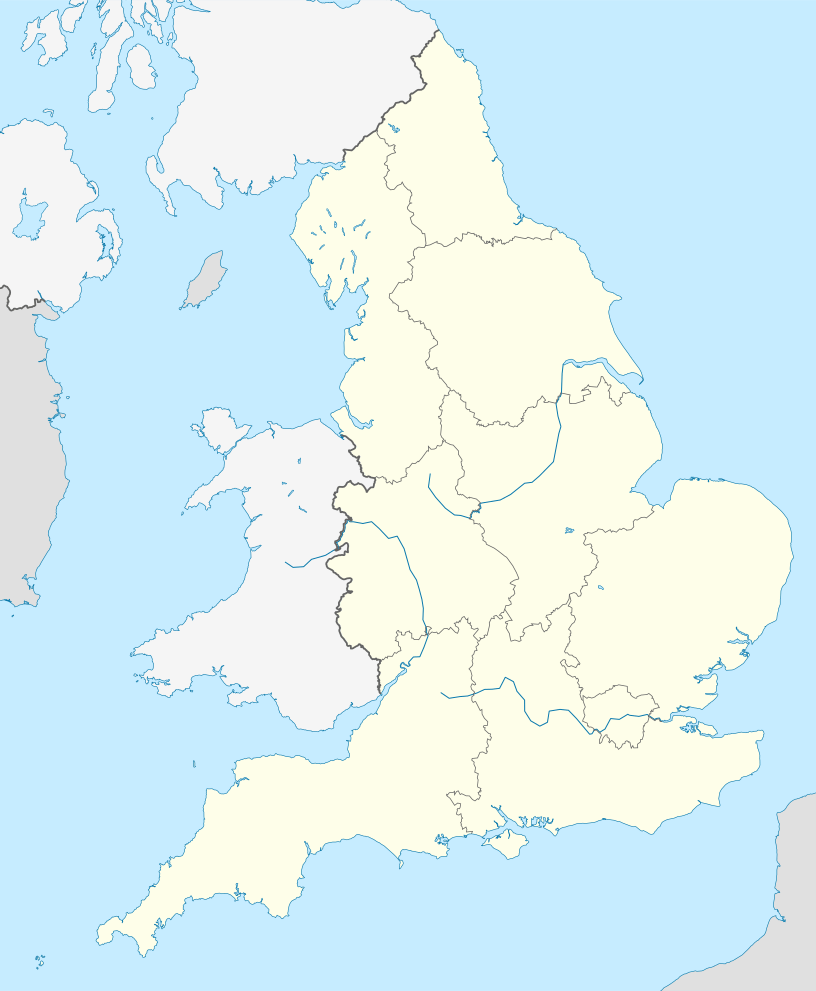
West Sussex, England · PO20 7NE · PO20 7NE

Brent Goose · Black-tailed Godwit · Redshank · Shelduck · Oystercatcher · Gadwall
Ferry Pool hide · Church Norton hide · Church Norton public beach viewpoint · North Wall public path · Long Pool path · Ferry Channel public path · Sidlesham Quay public viewpoint · Discovery Zone trail
Check current access, hide closures and operator notices before travelling. Seasonal birds are possibilities, not promised sightings. Keep to authorised routes and give wildlife space.
Opening and charges checked 2026-10-18. Operator: https://www.rspb.org.uk/days-out/reserves/pagham-harbour-local-nature-reserve
Full guide and current source links: https://aibirder.co.uk/reserves/pagham-harbour-local-nature-reserve
EN 54 · RSPB reserve guide
West Sussex, England · PO20 7NE
Winter waders and summer terns around an RSPB-managed tidal harbour.
Decide if the visit fits.
Last checked 18 October 2026.
Opening and charges information · checked .
Stay nearby →Reserve overview
Winter waders and summer terns around an RSPB-managed tidal harbour.
Eight checks for a smoother visit.
Conditions change: check the operator and transport notices before travelling.
January: Usually begin at Ferry Pool hide for Black-tailed Godwit, Redshank and Shelduck. North Wall public path provides a different winter view for Brent Goose and Wigeon. Keep distant birds as distant birds: a telescope is preferable to approaching feeding or resting flocks. February: Typically choose Church Norton public beach viewpoint for Grey Plover, Dunlin and Turnstone, then compare Black-tailed Godwit at Ferry Pool hide. The coast is exposed, so make the length of the walk fit the wind and leave time for a comfortable return. March: Usually let Ferry Pool hide lead the visit for Avocet, Black-tailed Godwit and Redshank. Church Norton public beach viewpoint can add winter-plumage shorebird comparisons. A report from March 2026 supports these views, but no individual bird or exact count is promised for another year. April: Typically combine Avocet and Little Ringed Plover at Ferry Pool hide with Whimbrel from Ferry Channel public path. Listen for returning Reed and Sedge Warblers along Long Pool path. Arrival timing varies; remain outside protected breeding areas regardless of whether birds are visible. May: Our choice is Church Norton public beach viewpoint for Sandwich, Common and Little Terns, with Ferry Pool hide as a contrasting Avocet watch. Ferry Channel public path can reward a Whimbrel scan. The public shore is the viewing place; Tern Island is not a destination. June: Usually give Church Norton public beach viewpoint time for terns and Mediterranean Gull, then return to Ferry Pool hide for Avocet and Oystercatcher. Use the safe hide approach rather than roadside watching. Seasonal fences and closures protect birds and must take priority over a familiar route. Cattle Egret is an established protected seasonal target here, supported by the RSPB’s reserve account and repeated operator visits. No colony or roost position is provided; use the existing public facilities and current operator advice. July: Typically alternate Ferry Pool hide for Avocet and Shelduck with Long Pool path for Reed and Sedge Warblers. The terns remain a possible reason to choose Church Norton public beach viewpoint. Avoid searching for nests, even where the operator describes breeding activity. August: Usually scan Ferry Channel public path for returning Black-tailed Godwit and Greenshank, while Church Norton public beach viewpoint offers late tern interest. Give each feeding area a settled session. A busy migration report describes a moment in time rather than a timetable for your visit. September: Typically compare Dunlin, Grey Plover and Turnstone from Church Norton public beach viewpoint, then check Ferry Pool hide for Black-tailed Godwit. Use binoculars to find movement and a telescope for detail. Stay on permitted landward routes as the tide changes. October: Usually make Ferry Pool hide the straightforward starting point for Redshank, Black-tailed Godwit and Shelduck. North Wall public path adds returning Wigeon and Brent Goose possibilities. Check daylight and weather before adding a second access point; the harbour is too large for a rushed circuit. November: Typically favour North Wall public path for Wigeon and dark-bellied Brent Goose, with a settled Ferry Pool hide watch before or afterwards. The operator describes winter evening movements, not a guaranteed daily performance. Never pursue a flock towards its resting or feeding field. December: Usually choose a short, comfortable Ferry Pool hide session for Black-tailed Godwit and Shelduck, or North Wall public path for Wigeon when conditions suit. High water may affect coastal approaches even though the reserve is open 24 hours. Retreat from a flooded path rather than testing it.
Best conditions: Our choice is a calm session that compares the public harbour edge as the tide changes with the separate Ferry Pool view. Typically strong coastal wind and glare make distant waders harder to identify; use a sheltered hide or change to another permitted angle. Light and scope ratings are editorial advice. Never cross the harbour entrance or continue along a flooded path.
Access and tariffs checked 18 October 2026: adult and child admission is free. The dedicated RSPB charges page lists non-member parking at £3 for up to four hours and £4 for over four hours; coaches, motorhomes and minibuses are £12. Parking at Pagham Harbour Local Nature Reserve is free for RSPB members and Blue Badge holders. However, the main and facilities pages still print £2/£3 car tariffs, and the visitor-centre entry also names free parking for Sussex Wildlife Trust members. These official descriptions conflict; confirm the tariff and any membership concession with the reserve before choosing a payment. PayByPhone is the published parking method. The October 2026 calendar gives the reserve and car park as open 24 hours, toilets 09:00–17:00 and visitor centre 10:00–16:00. Church Norton parking is very limited and has a 2.5-metre barrier; larger vehicles should use the visitor-centre car park. Ordinary visits need no advance booking. Check current reserve notices before travelling, particularly for coastal weather, high tides and seasonal protection areas.
Access times: Reserve: Checked October 2026 calendar lists 24-hour access, subject to protection zones and tidal-path restrictions. · Hides: Ferry Pool hide has a surfaced approach with ramp or steps; Church Norton hide uses a tidal path and steps. No separate daily locking timetable was verified. · Car park: Checked October 2026 calendar lists 24 hours; Church Norton parking has limited capacity and a 2.5 m barrier. Visitor centre 10:00–16:00; toilets 09:00–17:00. · Dawn access: partly. Operator opening information.
Pagham Harbour has several approaches rather than a single entrance leading to one complete circuit. Start at the Sidlesham visitor centre if you want an introduction to the reserve and a convenient look at Ferry Pool. Church Norton gives a different perspective towards the harbour mouth and Tern Island, while North Wall is the operator’s named position for watching winter geese and Wigeon pass towards the fields. The RSPB map distinguishes harbour paths, the Discovery Zone and links towards neighbouring Medmerry. Choose one main area and give it time; transferring between viewpoints can consume much of a short visit. A telescope is particularly useful where a wide stretch of mud or water separates the path from the birds. The shortest central loop and the longer coastal paths also offer different walking commitments, so use the map rather than estimating from the apparent closeness of places across the inlet. Two-hour plan — our suggestion: begin at the visitor centre, spend a settled session at Ferry Pool and its hide, then take a short permitted walk towards a harbour view. Return for a second pool scan before leaving. For a summer visit centred on terns, choose Church Norton instead and spend those two hours watching birds travel between the colony and feeding water from the shore. Full-day plan — our suggestion: use the morning around the visitor centre and Ferry Pool, break for a packed lunch, then choose a longer harbour walk or a separate Church Norton visit according to conditions. In winter, consider North Wall for the later afternoon if the return journey allows it. Resist combining every access point just to say that you have reached them all; feeding activity, light and tide should decide where you pause longest. Landing on the harbour’s islands is prohibited. Keep away from groups of breeding, feeding or resting birds and obey marked protection zones along the spit. The reserve warns against water sports because the tide is unpredictable and stranding is a risk. Follow the shore paths for birdwatching instead of stepping onto mud to shorten the walk or approach a flock.
Use the linked reserve map and directions with current access notices. Species are typical seasonal targets. Light and telescope advice reflects our choice of viewpoint.
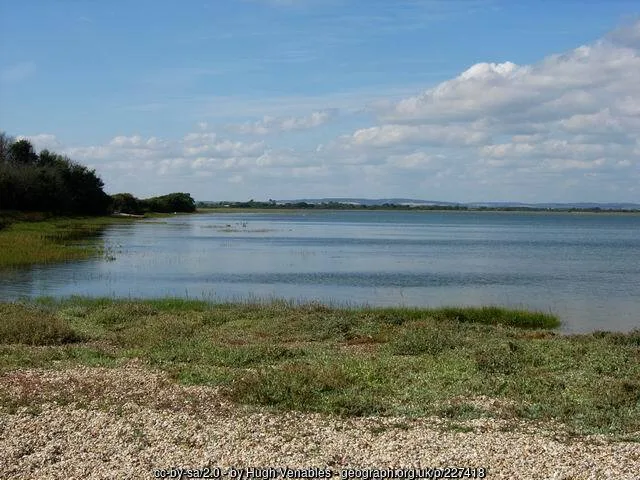
Ferry Pool, its islands and shallow margins
250 m from the visitor centre on a level surfaced path; ramp or steps into the hide. Use this safe outlook instead of the busy roadside.
Winter: Black-tailed Godwit, Redshank, Shelduck
Spring: Avocet, Little Ringed Plover, Gadwall
Summer: Avocet, Shelduck, Oystercatcher
Autumn: Black-tailed Godwit, Redshank
Light: either. Scope: useful.
Harbour and tidal shore from the official hide
Steep bank, steps, tidal footpath and boardwalk. The facilities page does not establish a step-free alternative.
Light: either. Scope: essential.
Tide: Approach uses a tidal path: check conditions before attempting the walk.
Harbour mouth and Tern Island from the authorised shore
Keep outside seasonal spit protection areas. No landing on islands and no approach to nesting or resting birds.
Winter: Grey Plover, Dunlin, Turnstone
Spring: Sandwich Tern, Common Tern, Mediterranean Gull
Summer: Little Tern, Sandwich Tern, Black-headed Gull
Autumn: Grey Plover, Dunlin, Turnstone
Light: either. Scope: essential.
Tide: Watch from the permitted shore as water changes; the harbour entrance must never be crossed.
Harbour, White’s Creek and distant grazing fields
An exposed outdoor path, not an enclosed hide; leave enough daylight for the return.
Winter: Brent Goose, Wigeon, Cattle Egret
Spring: Cattle Egret
Summer: Cattle Egret
Autumn: Brent Goose, Wigeon, Cattle Egret
Light: either. Scope: essential.
Tide: A changing tide changes the feeding view. Remain on the public wall and leave resting flocks undisturbed.
Reed fringe and water along the Long Pool
Listen from the established path; the operator area map identifies the reedbed watch without directing visitors into cover.
Spring: Reed Warbler, Sedge Warbler
Summer: Reed Warbler, Sedge Warbler
Autumn: Reed Warbler, Sedge Warbler
Light: either. Scope: not needed.
Ferry Channel mud and water from the public path
Keep to public routes; do not step onto the mud to shorten a walk.
Winter: Little Egret
Spring: Whimbrel, Greenshank, Black-tailed Godwit
Summer: Little Egret
Autumn: Greenshank, Black-tailed Godwit
Light: either. Scope: useful.
Tide: The May 2026 operator visit report describes feeding mud becoming visible as the tide ebbed; compare safely from the path.
Harbour from the established quay-side viewing area
A mapped access point, not permission to launch a birding expedition or cross the harbour.
Light: either. Scope: useful.
Tide: Harbour tides and soft mud are hazardous: stay on the public landward route.
The operator’s Discovery Zone trail habitats
Follow current signs; this trail is not a public right of way and permits assistance dogs only.
Light: either. Scope: not needed.
| Spot | Overlooks | Key species by season | Best light | Scope | Tide |
|---|---|---|---|---|---|
| Ferry Pool hide250 m from the visitor centre on a level surfaced path; ramp or steps into the hide. Use this safe outlook instead of the busy roadside. | Ferry Pool, its islands and shallow margins | Winter: Black-tailed Godwit, Redshank, Shelduck Spring: Avocet, Little Ringed Plover, Gadwall Summer: Avocet, Shelduck, Oystercatcher Autumn: Black-tailed Godwit, Redshank | either | useful | — |
| Church Norton hideSteep bank, steps, tidal footpath and boardwalk. The facilities page does not establish a step-free alternative. | Harbour and tidal shore from the official hide | — | either | essential | Approach uses a tidal path: check conditions before attempting the walk. |
| Church Norton public beach viewpointKeep outside seasonal spit protection areas. No landing on islands and no approach to nesting or resting birds. | Harbour mouth and Tern Island from the authorised shore | Winter: Grey Plover, Dunlin, Turnstone Spring: Sandwich Tern, Common Tern, Mediterranean Gull Summer: Little Tern, Sandwich Tern, Black-headed Gull Autumn: Grey Plover, Dunlin, Turnstone | either | essential | Watch from the permitted shore as water changes; the harbour entrance must never be crossed. |
| North Wall public pathAn exposed outdoor path, not an enclosed hide; leave enough daylight for the return. | Harbour, White’s Creek and distant grazing fields | Winter: Brent Goose, Wigeon, Cattle Egret Spring: Cattle Egret Summer: Cattle Egret Autumn: Brent Goose, Wigeon, Cattle Egret | either | essential | A changing tide changes the feeding view. Remain on the public wall and leave resting flocks undisturbed. |
| Long Pool pathListen from the established path; the operator area map identifies the reedbed watch without directing visitors into cover. | Reed fringe and water along the Long Pool | Spring: Reed Warbler, Sedge Warbler Summer: Reed Warbler, Sedge Warbler Autumn: Reed Warbler, Sedge Warbler | either | not needed | — |
| Ferry Channel public pathKeep to public routes; do not step onto the mud to shorten a walk. | Ferry Channel mud and water from the public path | Winter: Little Egret Spring: Whimbrel, Greenshank, Black-tailed Godwit Summer: Little Egret Autumn: Greenshank, Black-tailed Godwit | either | useful | The May 2026 operator visit report describes feeding mud becoming visible as the tide ebbed; compare safely from the path. |
| Sidlesham Quay public viewpointA mapped access point, not permission to launch a birding expedition or cross the harbour. | Harbour from the established quay-side viewing area | — | either | useful | Harbour tides and soft mud are hazardous: stay on the public landward route. |
| Discovery Zone trailFollow current signs; this trail is not a public right of way and permits assistance dogs only. | The operator’s Discovery Zone trail habitats | — | either | not needed | — |
Month chips show typical presence or our preferred viewing season. Choose birds that suit the time of your visit.
Use Pagham tide predictions to plan a shore-path watch, comparing an ebbing feeding view with Ferry Pool when harbour mud is covered. No universal arrival offset or minimum height is published. Church Norton’s approach includes a tidal path; obey closures and never cross the harbour entrance.
The RSPB describes a shorter 0.75-mile loop as level and wheelchair friendly, but notes that trails may become muddy or waterlogged. That is a useful starting point for choosing a visit, not a description of every coastal path around the harbour. Ask about the particular route and hide approach you depend on if recent rain, tidal conditions or ground firmness could decide whether it works for your party. At the visitor centre, the operator lists two accessible parking bays on level tarmac, a surfaced route towards the building and a separate accessible toilet block reached by a ramp. Additional parking uses an unmade surface. There is no formal drop-off point. Do not assume that the access arrangements at Church Norton are identical to those at the main visitor entrance. For a shorter outing, concentrate on a viewing position with enough space for your mobility aid and a clear, manageable return. Bring support for stationary watching as well as walking: wind across the harbour can make a long pause uncomfortable even when the distance is modest. Discuss doorways, seating and the immediate approach to a hide before travelling if those details are essential. A companion should know the intended turnaround point so that an interesting flock does not draw the day beyond your comfortable range.
The main visitor centre provides information, with toilets and baby-changing provision in a separate block. Bring a picnic and drinks for an extended harbour day rather than assuming that refreshments will be available beside every viewpoint. Keep a map, binoculars and weather protection with you; a telescope helps with distant waders. The RSPB prohibits barbecues and requires permission for drone take-off or landing. Take food waste away and keep tripods clear of narrow routes used by other walkers.
Dogs under close, effective control may use the designated public footpaths and bridleways. The Discovery Trail through the Discovery Zone excludes dogs except assistance dogs, which are welcome throughout. Slipe Field and Yeoman’s Field have dog-friendly exercise areas. Remove dog waste and do not let a dog approach a feeding or resting flock, including on the beach and tidal edge.
Stagecoach service 51 links Chichester and Selsey, and both the operator and RSPB identify it as the bus for Pagham Harbour. The reserve says it stops outside the visitor centre. Chichester railway station is the useful rail connection, with the bus station nearby; check the current service 51 timetable for your date and return journey before choosing a late finish. Tell a taxi driver that you want Pagham Harbour Visitor Centre on Selsey Road at Sidlesham. Pagham village lies on the opposite side of the harbour and is not the same arrival point. That distinction also matters when following a car navigation system. The RSPB’s driving directions use the B 2145 towards Selsey rather than the B 2166 towards Pagham village. Cycle route 88 links Chichester Canal Basin and the visitor centre, and a designated link continues towards Medmerry. Cycling is restricted to those designated cycle routes, with the public footpaths reserved for walking. Save the operator’s route map so that a cycling approach does not accidentally become a ride through a sensitive walking-only section.
Useful bases for an early start.
Booking.com links are affiliate links: we may earn a commission at no extra cost to you. How these links work.
About 5.7 miles by road, roughly 11 minutes’ drive; OSRM estimate measured 18 October 2026, without live traffic.
Measured driving route · 2026-10-18. Map estimates exclude live traffic.
A rail and bus base for an onward51 connection.Find places to stay in Chichester on Booking.comAbout 2.6 miles by road, roughly 5 minutes’ drive; OSRM estimate measured 18 October 2026, without live traffic.
Measured driving route · 2026-10-18. Map estimates exclude live traffic.
A coastal base south of the harbour for a separate shore day.Find places to stay in Selsey on Booking.comAbout 9.9 miles by road, roughly 20 minutes’ drive; OSRM estimate measured 18 October 2026, without live traffic.
Measured driving route · 2026-10-18. Map estimates exclude live traffic.
A different seaside town for combining Sussex birdwatching visits.Find places to stay in Bognor Regis on Booking.comExplore West Sussex’s full guides and smaller birding sites
The managing body is the RSPB. Contact the reserve at pagham.harbour@rspb.org.uk or 01243 641508, using Pagham Harbour Local Nature Reserve, Selsey Road, Sidlesham, West Sussex, PO 20 7 NE for the main visitor entrance. The RSPB page links maps, events and current notices. Mention your intended access point when asking about a visit, since the centre, North Wall and Church Norton offer different arrangements. If parking concessions affect your choice, request confirmation before paying because the published official tariff pages currently disagree.
Check RSPB Pagham Harbour — actual sightings update. irregular; checked update dated 4 July 2026 Reports show what has been seen, not what will be.
Follow the BTO Birders’ Code and give wildlife space.
Pagham Harbour Local Nature Reserve: Free entry; listed non-member parking £3/4h or £4/longer; RSPB members and Blue Badge free.
Pagham Harbour Local Nature Reserve: Dogs under close, effective control may use the designated public footpaths and bridleways.
Pagham Harbour Local Nature Reserve: Winter waders and geese · summer terns.
Pagham Harbour Local Nature Reserve: The RSPB describes a shorter 0.75-mile loop as level and wheelchair friendly, but notes that trails may become muddy or waterlogged.
Pagham Harbour Local Nature Reserve: Stagecoach service 51 links Chichester and Selsey, and both the operator and RSPB identify it as the bus for Pagham Harbour.
Shorter stops within 15 miles in a straight line. Use the operator’s arrival directions for the journey.
West Stoke, near Chichester · Ancient yew woodland and chalk grassland
Stoke · Estuary, saltmarsh, shingle and lagoons
Nearby complete guides.
Stops with a purpose: use one as a contrasting habitat or weather-proof Plan B. Distances are straight-line estimates, not road journeys.