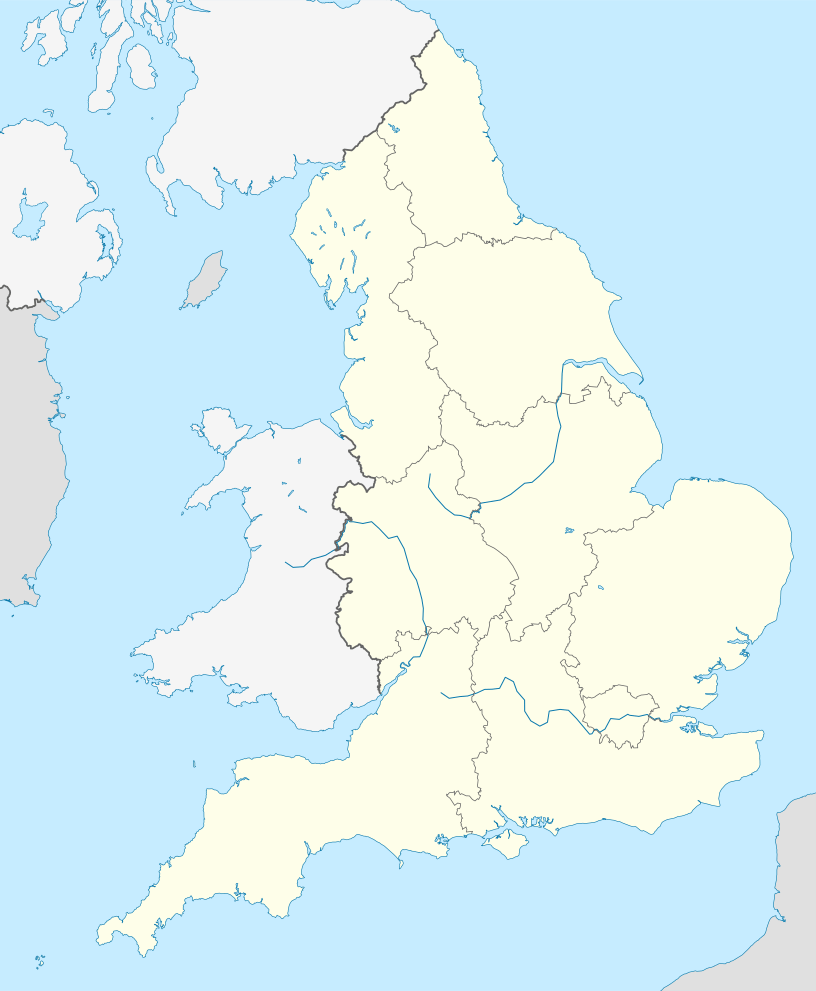
Short entry11.9 miles away
Adur Estuary
Shoreham-by-Sea · Estuary and saltmarsh
 the ai birderBirding near me
The AI Birder · one-page field sheet
Mill Road, Arundel, West Sussex, England · BN18 9PB · BN18 9PB

Kingfisher · Little Egret · Gadwall · Teal · Snipe · Water Rail
Ramsar Hide · Sand Martin Hide · Scrape Hide · Lapwing Hide · Discovery Hide · Reedbed viewing platform · Outlook-in · Woodland Lodge · Willow Sphere · Reedbed Boardwalk · Waterside Walk (seasonal)
Check current access, hide closures and operator notices before travelling. Seasonal birds are possibilities, not promised sightings. Keep to authorised routes and give wildlife space.
Opening and charges checked 2026-10-25. Operator: https://www.wwt.org.uk/wetland-centres/arundel
Full guide and current source links: https://aibirder.co.uk/reserves/wwt-arundel
EN 06 · WWT reserve guide
Mill Road, Arundel, West Sussex, England · BN18 9PB
Sand Martins, Kingfishers, Lapwings and Oystercatchers animate spring and summer, while autumn and winter bring Water Rails, Snipe, Teal, Shovelers, Marsh Harriers and peak Kingfisher activity.
Decide if the visit fits.
Last checked 18 October 2026.
Opening and charges information · checked .
Stay nearby →Reserve overview
Sand Martins, Kingfishers, Lapwings and Oystercatchers animate spring and summer, while autumn and winter bring Water Rails, Snipe, Teal, Shovelers, Marsh Harriers and peak Kingfisher activity.
Eight checks for a smoother visit.
Conditions change: check the operator and transport notices before travelling.
January: Typically winter brings the best contrast between open-water ducks and hidden reedbed birds. Use Scrape Hide for Teal or Snipe and Ramsar for the broad lagoon view. The centre does not provide ordinary dawn access, so leave roost watching to any separately confirmed official arrangement.
February: Start at Lapwing or Ramsar Hide for winter Lapwing and ducks, then spend a quieter spell at Scrape for Snipe. Kingfisher remains an operator-supported year-round possibility. Enter each hide slowly, settle before scanning and allow concealed birds to move into a view without changing their behaviour.
March: Spring usually changes the sound and flight activity of the visit. Watch from Sand Martin Hide for returning martins and use Ramsar or Lapwing for the wet grassland. Arrival timing varies, so a March plan should retain the lagoon ducks as a useful alternative rather than demand summer birds.
April: The official Sand Martin view and reedbed boardwalk make a useful spring pairing. Look for the returning martins, then listen for Reed and Sedge Warblers from the permitted route. Use the operator's facilities to watch breeding activity; no directions beyond official viewpoints or invitation to inspect a nest are given.
May: Typically singing warblers and Lapwing activity reward a patient spring watch. Choose the boardwalk for listening and Lapwing Hide for wet grassland, with Sand Martin Hide as another option. Any seasonal Waterside Walk access depends on signs, not on the fact that it appears on a map.
June: Use the official Sand Martin Hide and reedbed boardwalk for summer birds, keeping a quiet approach and avoiding playback. Discovery Hide supplies another permitted lagoon view for a Kingfisher possibility. The captive exhibits are interesting in their own right but do not become wild bird records in this guide.
July: Summer concealment can make a short, settled watch more productive than rushing between windows. Kingfisher is a year-round operator target and Sand Martin remains a summer aim from its official hide. Choose the sheltered public view that suits the weather and keep within the day's admission arrangements.
August: Sand Martin activity can continue into late summer, with the official hide offering the public vantage. For Kingfisher, compare Ramsar, Scrape and Discovery rather than assuming one fixed perch will be occupied. This is an observation plan, not a promise that a recent photograph can be repeated.
September: Actual operator September observations support Kingfisher across several hides. Start at Ramsar, then compare the Scrape for Gadwall and egrets if conditions suit. Autumn vegetation change may improve visibility, but the bird still chooses its position; there is no reason to follow it beyond the visitor route.
October: The October operator records provide a particularly useful comparison: Scrape for Great White, Cattle and Little Egrets with ducks, and the Willow Sphere Pond for Little Grebe. These are documented habitat associations rather than current sightings guarantees. Avoid publishing or following private resting-site directions from a report.
November: Typically winter duck numbers and concealed reedbed targets become more relevant. Use Scrape for Teal, Gadwall and the possibility of Snipe, then check Lapwing Hide's wet grassland. Watch raptors from the public hides, and an afternoon plan must still fit the centre's closing time.
December: A compact winter route can compare Ramsar, Lapwing and Scrape Hides for ducks, Lapwing and Snipe, with Kingfisher possible on the waterways. Check the Christmas opening arrangements directly before travelling. Do not assume a special dawn or late roost session is included in ordinary admission.
Best conditions: Typically calm conditions make reedbed listening easier. Compare sheltered hides rather than walking a fixed circuit in strong wind or heavy rain. Use light behind or to one side where the hide offers a choice; binoculars suit close channels and a scope helps on wider lagoons. Sensitive birds are watched only from normal public facilities.
Arundel works best when you separate a wild-bird watch from a tour of the collection. Begin with the broad lagoon and grassland views at Ramsar or Lapwing, then compare the Scrape if ducks and egrets are your priority. Sand Martin Hide and the reedbed boardwalk offer a different spring and summer focus, while Discovery gives another angle over Arun Riverlife. These public facilities let you watch closely without seeking a way into the birds’ cover. A Kingfisher is an excellent possibility rather than an appointment at a particular perch. Ask about current sightings and route restrictions on arrival, especially before using the seasonal Waterside Walk. The smaller viewing structures are included so you can understand the map, with bird associations left blank where the evidence is weak. Ordinary admission follows centre hours, so an early roost count in a report does not establish public dawn access.
Access times: Reserve: Current centre hours 10:00–16:30, last entry 15:30. Closed Christmas Day; Christmas Eve 10:00–14:00. Confirm date-specific notices. · Hides: Public hides follow centre access; no ordinary out-of-hours hide access verified. Waterside Walk is seasonal. · Car park: Parking for the duration of the centre visit only; no separate early-access gate schedule verified. · Dawn access: no. Operator opening information.
Use the official site map to choose a sequence through the wetland habitats. The main birdwatching areas include the reedbed boardwalk and its Willow Sphere, Scrape Hide, Sand Martin Hide, Ramsar Hide and Lapwing Hide; the Discovery and woodland viewing areas offer useful changes of scene. Follow the public paths and allow birds space at the nesting banks. The Sand Martin Hide's windows are closed in spring to give nesting birds privacy, so an apparently closed viewing opening should be respected rather than pushed aside. From Scrape Hide, first scan the obvious perches, then the far waterline and open lagoon. At Ramsar and Lapwing, compare grassland birds with those feeding at the water's edge; a slight change in viewpoint can reveal a bird concealed behind vegetation. Two-hour plan, editorial suggestion: begin with a short look over the entrance-area channels, spend forty minutes at Scrape Hide, follow the boardwalk at a listening pace, then finish at whichever lagoon viewpoint offers the best light. Leave the collection and longer detours for a return visit if quiet observation is your priority. Full-day plan, editorial suggestion: start with the reedbed and wild-bird hides, break for lunch, then explore the woodland and other wetland areas before revisiting your most productive hide. In winter, keep the last suitable portion of the afternoon for raptor watching while retaining time to leave before closure. In summer, take a second pass along the channels to compare insect activity with the cooler morning. An optional guided boat safari offers another perspective, but keep your walking itinerary flexible enough to accommodate its advertised departure and the conditions on the day.
Use the linked reserve map and directions with current access notices. Species are typical seasonal targets. Light and telescope advice reflects our choice of viewpoint.
Lagoon and wet grassland
Spring: Lapwing
Autumn: Kingfisher, Gadwall, Cormorant
Winter: Lapwing, Little Egret
Light: either. Scope: useful.
Large lagoon and official artificial-bank view
Spring: Sand Martin
Summer: Sand Martin
Autumn: Kingfisher, Little Grebe
Light: either. Scope: useful.
Scrape, reeds and pool margins
Winter: Snipe, Teal, Water Rail, Marsh Harrier
Autumn: Great White Egret, Cattle Egret, Little Egret, Shoveler, Mallard, Gadwall, Water Rail, Marsh Harrier
Light: either. Scope: useful.
Wet grassland and nearby reed edge
Spring: Lapwing
Autumn: Cetti's Warbler, Kingfisher
Winter: Lapwing
Light: either. Scope: useful.
Arun Riverlife lagoon from the official hide
Spring: Kingfisher
Autumn: Little Grebe, Tufted Duck
Light: either. Scope: not needed.
Reedbeds and nearby pond habitat
Autumn: Stonechat
Light: either. Scope: not needed.
Wetland Discovery visitor area
Mapped public structure; no precise seasonal association verified.
Light: either. Scope: not needed.
Woodland loop visitor area
Mapped lodge; no hide-specific bird list verified.
Light: either. Scope: not needed.
Willow Sphere Pond and reed margins
Autumn: Little Grebe, Coot, Mallard
Light: either. Scope: not needed.
Reedbed channels from the permitted boardwalk
Spring: Reed Warbler, Sedge Warbler, Cetti's Warbler
Light: either. Scope: not needed.
Seasonal wet grassland route
Seasonal path; use only when current signs permit.
Autumn: Mute Swan
Light: either. Scope: useful.
| Spot | Overlooks | Key species by season | Best light | Scope | Tide |
|---|---|---|---|---|---|
| Ramsar Hide | Lagoon and wet grassland | Spring: Lapwing Autumn: Kingfisher, Gadwall, Cormorant Winter: Lapwing, Little Egret | either | useful | — |
| Sand Martin Hide | Large lagoon and official artificial-bank view | Spring: Sand Martin Summer: Sand Martin Autumn: Kingfisher, Little Grebe | either | useful | — |
| Scrape Hide | Scrape, reeds and pool margins | Winter: Snipe, Teal, Water Rail, Marsh Harrier Autumn: Great White Egret, Cattle Egret, Little Egret, Shoveler, Mallard, Gadwall, Water Rail, Marsh Harrier | either | useful | — |
| Lapwing Hide | Wet grassland and nearby reed edge | Spring: Lapwing Autumn: Cetti's Warbler, Kingfisher Winter: Lapwing | either | useful | — |
| Discovery Hide | Arun Riverlife lagoon from the official hide | Spring: Kingfisher Autumn: Little Grebe, Tufted Duck | either | not needed | — |
| Reedbed viewing platform | Reedbeds and nearby pond habitat | Autumn: Stonechat | either | not needed | — |
| Outlook-inMapped public structure; no precise seasonal association verified. | Wetland Discovery visitor area | — | either | not needed | — |
| Woodland LodgeMapped lodge; no hide-specific bird list verified. | Woodland loop visitor area | — | either | not needed | — |
| Willow Sphere | Willow Sphere Pond and reed margins | Autumn: Little Grebe, Coot, Mallard | either | not needed | — |
| Reedbed Boardwalk | Reedbed channels from the permitted boardwalk | Spring: Reed Warbler, Sedge Warbler, Cetti's Warbler | either | not needed | — |
| Waterside Walk (seasonal)Seasonal path; use only when current signs permit. | Seasonal wet grassland route | Autumn: Mute Swan | either | useful | — |
Month chips show typical presence or our preferred viewing season. Choose birds that suit the time of your visit.
WWT describes most paths as level and paved, with frequent benches; wooden boardwalks have non-slip surfaces and raised edges or rails. The seasonal Waterside Walk has dirt and woodchip paths and is unsuitable for wheelchairs. Most hides have a lowered viewing window. Eight Blue Badge parking bays and an entrance-boardwalk drop-off support the arrival, while a Changing Places toilet in the visitor centre has an adjustable bench and ceiling-track hoist. There is also an accessible toilet there; the larger cubicle in Outlook-in has handrails but no alarm cord. Three manual wheelchairs are lent on a first-come basis and cannot be reserved; personal mobility scooters are permitted but not supplied. Sensory bags, a portable admissions hearing loop and large-print menus are available. For the boat safari, manual chairs must meet the operator's specified size limits, and water levels can change the boarding gradient. Describe your chair and transfer needs to the accessibility team in advance. Consult the detailed access guide for the particular route rather than assuming every path and activity has the same surface or turning space. Choose a comfortable circuit with rest stops and retain energy for the return journey.
Water's Edge Café provides indoor seating overlooking Arun Riverlife and an outdoor deck; WWT publishes café hours of 10am–4pm. The gift shop, picnic areas, play spaces and pond-dipping activities make it possible to combine concentrated hide watching with a family day. The guided electric boat safari currently costs £3 per person and lasts about twenty minutes. Its usual winter pattern is weekends in December and January, with daily trips during the Christmas holidays; other periods normally offer daily departures. Book that activity through admissions and carry a small bag that can be kept safely with you.
Pet dogs and other pets are excluded from the centre because of the effect on wildlife. Trained assistance dogs are permitted on a lead and under control, with waste removed; the team may redirect a handler if birds or other animals become distressed. Arrange appropriate pet care before the trip and never use a parked vehicle as a substitute while visiting the hides.
Arundel station is WWT's recommended rail arrival point, followed by its signed 1.3-mile walking route, estimated at twenty-five minutes. Follow the path towards town that avoids the A27, then Mill Road and the pedestrian bridge beside Mill Stream. The last two hundred yards are on the road, and sections are unlit, which matters for a winter return or anyone uncomfortable sharing space with vehicles. Arrange a station taxi if that approach does not suit your party. Stagecoach service 9 connects Littlehampton and Arundel town; Compass Travel's 85/85A connects Chichester and Arundel, with the operator timetable distinguishing journeys and operating days. Neither is a bus to the wetland entrance: the town arrival still leaves about a mile along the WWT walking directions. Check both outward and return services before fixing a long hide session. For a rail journey from Chichester or Brighton, use the rail planner to identify the required change rather than relying on a direct train. Cyclists can use the nearby National Cycle Route 2 connection described by WWT.
Useful bases for an early start.
Booking.com links are affiliate links: we may earn a commission at no extra cost to you. How these links work.
About 1.6 miles by road, roughly 5 minutes' drive from the measured town-centre point; OSRM/OpenStreetMap estimate measured 18 October 2026, excluding parking.
Measured driving route · 2026-10-18. Map estimates exclude live traffic.
Keeping the wetland day local while exploring the town between visits.Find places to stay in Arundel on Booking.comAbout 4.6 miles by road, roughly 11 minutes' drive from central Littlehampton; OSRM/OpenStreetMap estimate measured 18 October 2026, excluding live traffic.
Measured driving route · 2026-10-18. Map estimates exclude live traffic.
Combining freshwater birdwatching with a Sussex coastal stay and the route9 option.Find places to stay in Littlehampton on Booking.comAbout 12.3 miles by road, roughly 20 minutes' drive from central Chichester; OSRM/OpenStreetMap estimate measured 18 October 2026, excluding live traffic.
Measured driving route · 2026-10-18. Map estimates exclude live traffic.
A wider West Sussex break with rail and scheduled bus alternatives to driving.Find places to stay in Chichester on Booking.comExplore West Sussex’s full guides and smaller birding sites
For centre enquiries, telephone 01903 883355 or email info.arundel@wwt.org.uk. Send specific questions about mobility equipment, sensory needs or dietary requirements before travelling so the relevant staff can respond. The operator's dated sightings page is useful for deciding which hide deserves your first longer session; it should be read alongside the season and weather rather than as a guarantee. If organising a group, describe its size and purpose when contacting the centre. Photography for personal use is allowed, while commercial photography or filming requires prior agreement; WWT also prohibits drones. Keep lenses inside public viewing areas and let other visitors share an occupied window.
Check WWT Arundel latest wildlife sightings. usually weekly; dated through October 2026 Reports show what has been seen, not what will be.
Follow the BTO Birders’ Code and give wildlife space.
WWT Arundel: Adult £14.63 advance/£16.25 on day without Gift Aid; visitor parking free.
WWT Arundel: Pet dogs and other pets are excluded from the centre because of the effect on wildlife.
WWT Arundel: Spring migration · winter wildfowl · rewarding year-round.
WWT Arundel: WWT describes most paths as level and paved, with frequent benches; wooden boardwalks have non-slip surfaces and raised edges or rails.
WWT Arundel: Arundel station is WWT's recommended rail arrival point, followed by its signed 1.3-mile walking route, estimated at twenty-five minutes.
Shorter stops within 15 miles in a straight line. Use the operator’s arrival directions for the journey.
Shoreham-by-Sea · Estuary and saltmarsh
West Stoke, near Chichester · Ancient yew woodland and chalk grassland
Ebernoe, north of Petworth · Ancient wood pasture, glades, ponds and grassland
Horn Lane, south of Henfield · Lake, reedbeds, wetland scrapes, meadows and ancient woodland
Nearby complete guides.
Stops with a purpose: use one as a contrasting habitat or weather-proof Plan B. Distances are straight-line estimates, not road journeys.