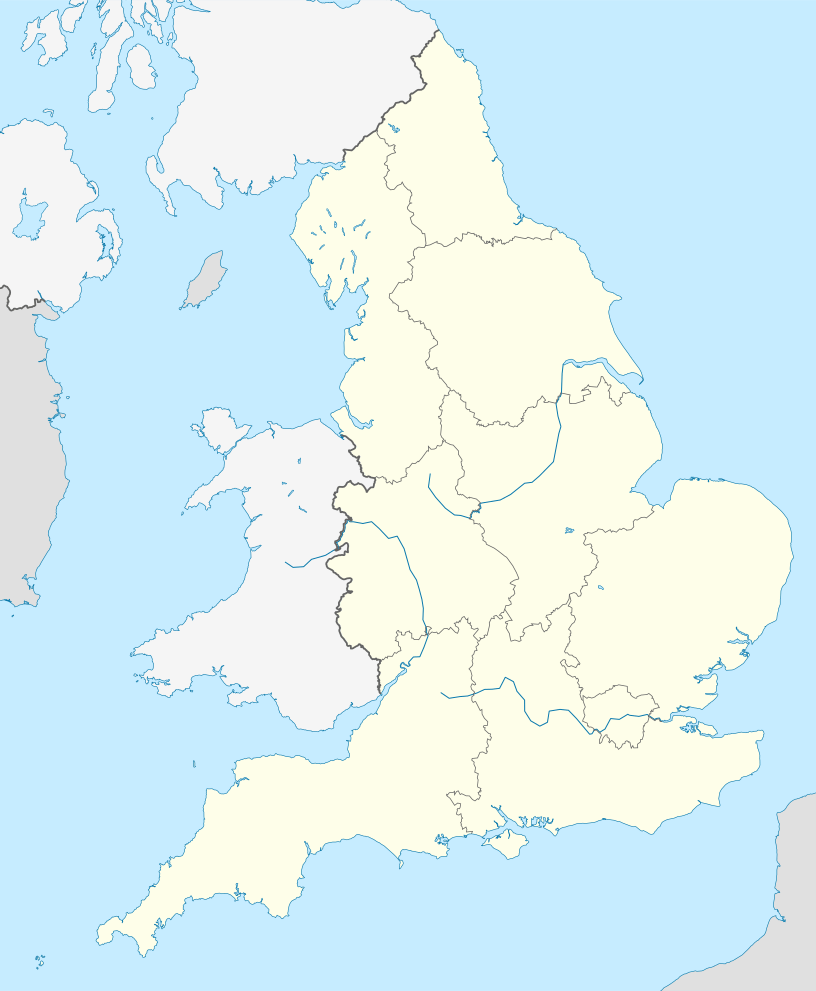
Short entry2.0 miles away
Wilstone Reservoir (Tring Reservoirs)
Wilstone, north-west of Tring · Reservoir, reedbed, bankside woodland and islands
 the ai birderBirding near me
The AI Birder · one-page field sheet
Bulbourne near Tring, Buckinghamshire · HP23 5QG

Lapwing · Wigeon · Teal · Shoveler · Gadwall · Pochard
Graham’s Hide · Fitter Hide · Castle Hide · June Ives Hide · Octagon Hide · Marsworth Hide · Woodell Hide · Tump Hide · Window in the Woods Hide
Check current access, hide closures and operator notices before travelling. Seasonal birds are possibilities, not promised sightings. Keep to authorised routes and give wildlife space.
Opening and charges checked 2026-10-18. Operator: https://www.bbowt.org.uk/nature-reserves/college-lake-nature-reserve
Full guide and current source links: https://aibirder.co.uk/reserves/college-lake
EN 88 · Berks, Bucks & Oxon Wildlife Trust reserve guide
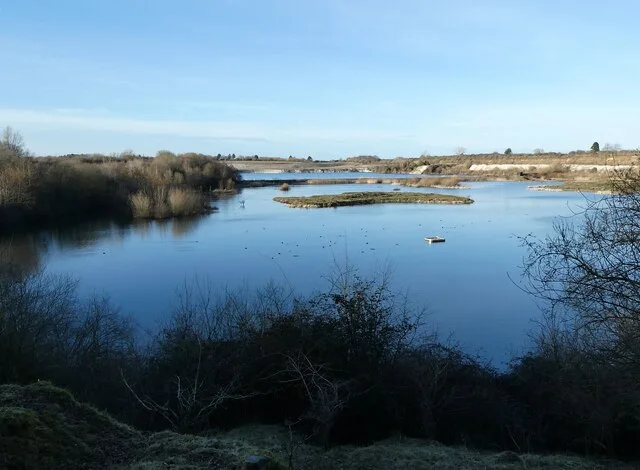
Bulbourne near Tring, Buckinghamshire
Lapwings, Redshanks, Common Terns and winter ducks
Decide if the visit fits.
Last checked 18 October 2026.
Opening and charges information · checked .
Stay nearby →Reserve overview
Lapwings, Redshanks, Common Terns and winter ducks
Eight checks for a smoother visit.
Conditions change: check the operator and transport notices before travelling.
January: January usually offers Wigeon and Pochard from Octagon Hide, with Teal and Snipe on the marsh from Graham’s or Fitter Hide. Woodland edges can add Redwing or Fieldfare. Choose a day the reserve is open: ordinary Mondays are closed, and a public map does not imply early-morning admission.
February: In February, compare Gadwall, Shoveler and Wigeon from the northern lake hides, then try Window in the Woods for Long-tailed Tit. Skylark song may increase over the rough grassland from Tump Hide as spring approaches. Keep to the public trail and do not enter grassland to locate a singing bird.
March: March typically brings more Great Crested Grebe activity on the lake and returning Little Ringed Plover or Redshank on suitable marsh habitat. Use Octagon Hide and the public Bird Trail hides for the different views. Weather affects arrival dates; an early March visit is not a guaranteed breeding-wader checklist.
April: April usually makes Fitter and June Ives hides worthwhile for Lapwing, Redshank and Little Ringed Plover. Sand Martin may feed over the lake from a public lakeside outlook. Scan existing islands and margins patiently without following an adult towards a concealed nest or leaving the hide approach.
May: May is our choice for Lapwing and Redshank from the marsh hides, Common Tern feeding over water from Castle Hide, and Skylark from Tump Hide. These are public viewing positions for broad habitat, not invitations to approach the place where an individual bird was reported on an earlier day.
June: In June, watch Common Tern from Castle Hide and Lapwing or Redshank from Fitter Hide, with Great Crested Grebe from Octagon. The wider walk adds Skylark over rough grassland. Give every bird space and avoid repeated movements along a fence or bank if adults begin alarming.
July: July usually combines Common Tern activity over the water with Gadwall and Great Crested Grebe from the lakeside hides. Tump Hide can add a different grassland watch. Birds with young should remain undisturbed, and a view from a public hide is sufficient even when a closer photograph looks tempting.
August: August typically shifts the visit towards changing flocks and learning waterbirds from Octagon, Marsworth and Woodell hides. Common Tern may remain, with Gadwall on suitable water and Lapwing on the marsh. Let the actual visible birds decide the stopping time rather than trying to complete every hide rapidly.
September: September usually brings returning Teal and Snipe into the marsh watch from Graham’s and Fitter hides. Compare Shoveler and Gadwall from the northern lake hides, with Long-tailed Tit near Window in the Woods. A county rarity report is evidence of a past observation, not a regular seasonal promise.
October: In October, Wigeon and Teal increasingly shape the wetland visit, with Snipe from Graham’s Hide and Fieldfare or Redwing along the wider trail. Recent county reports provide useful context, but the individual Whooper Swans or Jack Snipe recorded in October 2026 are not added as guaranteed repeat targets.
November: November usually rewards slow duck comparisons from Octagon and Marsworth hides: Wigeon, Pochard, Shoveler and Gadwall. The public woodland hide can add Long-tailed Tit, while Tump offers a broad winter-thrush outlook. Check the actual closing arrangements and avoid making a last-minute distant hide essential to the day.
December: December is a good month for a compact Bird Trail circuit: Snipe and Teal from Graham’s or Fitter Hide, then Wigeon and Great Crested Grebe from a comfortable lakeside outlook. Allow for short daylight and the Monday closure. A donation supports the reserve, but does not extend access beyond published hours.
Best conditions: Our choice is a clear calm daytime visit, starting with the shallow marsh before comparing ducks on the deeper northern lake. A scope is useful for distant islands and waterbirds; binoculars suit the woodland hide and grassland birds. The hides around the lake offer different light angles, so choose a public window with glare to one side rather than leaving the trail. Some paths are uneven; book a Tramper if needed and ask which hide approaches suit the individual user.
BBOWT's reserve page checked on 18 October 2026 describes entry as donation-supported rather than publishing a fixed admission tariff. It lists a surfaced car park with disabled parking, without a separate parking charge on that page. Reserve, car park and hide hours are listed in Access times, including Monday closure and last-entry arrangements. Use Upper Icknield Way, Bulbourne, near Tring, HP23 5QG for the visitor approach. The opening statement checked in October 2026 is not a dated 2027 calendar, so use the official page for the intended day's arrangements. Check that page before setting off, including any exceptional closure or revised seasonal hours. Ordinary entry and separately bookable events should be treated as different arrangements when planning a group or family activity.
Access times: Reserve: BBOWT current pages: Tuesday–Sunday10am–5pm, last entry4pm. Monday closed except Bank Holidays. Check seasonal/holiday changes before travel. · Hides: Within reserve opening; no separate early hide access verified. Public map has nine named bird hides. · Car park: Same published reserve opening on the visitor-centre page; no dawn access. Reserve and car park close together. · Dawn access: no. Operator opening information.
College Lake's circular Wildlife Walk is described by BBOWT as two miles, marked with Lapwing waymarkers. The route links the former quarry's wetland views with grassland, woodland and the arable-flower area. That habitat variety is the reason to walk the circuit slowly: the birds on the marsh, the deeper lake and the rough grassland use the landscape in different ways. The official hides provide the appropriate viewpoints for the waterbirds. Choose one facing suitable light and spend long enough to see feeding and interactions rather than simply recording a distant shape. In spring and summer, pay particular attention to birds using the islands, keeping all watching within visitor areas. The centre's view can also be useful for introducing children to the overall layout before a longer walk. Two-hour plan: begin with the main lake view and one comfortable hide stop, then sample the nearest contrasting habitat along the signed walk. Return while there is still time to compare what you saw with the reserve information. This shorter plan makes room for close observation instead of trying to finish the entire circuit at walking pace. Full-day plan: follow the complete Wildlife Walk in the morning with pauses at the open hides. Break for lunch, then revisit the marsh or lake as the afternoon light changes. In summer, give the grassland and cornfield-flower area their own part of the day; in winter, substitute a more sheltered woodland watch. The farming exhibition and geological story add context to the restored quarry. Choose a clear stopping point for the afternoon so that the final hide session does not leave a hurried walk to the exit.
Use the linked reserve map and directions with current access notices. Species are typical seasonal targets. Light and telescope advice reflects our choice of viewpoint.
The marsh, shallow islands and nearby water
Official mapped hide near the visitor centre; reserve entry and closing hours apply.
Winter: Snipe, Teal, Lapwing
Spring: Lapwing, Redshank, Little Ringed Plover
Summer: Lapwing, Redshank, Common Tern
Autumn: Snipe, Lapwing, Teal
Light: either. Scope: useful.
The marsh and its shallow margins
Use the public Bird Trail; some paths and hide approaches are uneven despite extensive surfacing.
Winter: Snipe, Teal, Lapwing
Spring: Lapwing, Redshank, Little Ringed Plover
Summer: Lapwing, Redshank, Common Tern
Autumn: Snipe, Lapwing, Teal
Light: either. Scope: useful.
Southern marsh and islands
Mapped public hide; watch breeding birds from the building without approaching islands.
Winter: Snipe, Teal, Lapwing
Spring: Lapwing, Redshank, Little Ringed Plover
Summer: Lapwing, Redshank, Common Tern
Autumn: Snipe, Lapwing, Teal
Light: either. Scope: useful.
Western marsh margins and open water
Official Bird Trail hide; select a route that fits current access and the return before closure.
Winter: Snipe, Teal, Lapwing
Spring: Lapwing, Redshank, Little Ringed Plover
Summer: Lapwing, Redshank, Common Tern
Autumn: Snipe, Lapwing, Teal
Light: either. Scope: useful.
The northern lake and its shoreline
Official mapped lakeside hide; ask staff about individual mobility needs rather than assuming all doors and ramps match.
Winter: Wigeon, Teal, Shoveler, Gadwall, Pochard
Spring: Great Crested Grebe, Gadwall
Summer: Great Crested Grebe, Gadwall
Autumn: Wigeon, Teal, Shoveler
Light: either. Scope: useful.
Western lake water and margins
Reached by the public outer trail; no unofficial shortcut across grassland or banks.
Winter: Wigeon, Teal, Shoveler, Gadwall, Pochard
Spring: Great Crested Grebe, Gadwall
Summer: Great Crested Grebe, Gadwall
Autumn: Wigeon, Teal, Shoveler
Light: either. Scope: useful.
The lake’s northern water and quarry-edge landscape
Current operator map spells the name Woodell. Use the established trail and confirm any temporary closure with staff.
Winter: Wigeon, Teal, Shoveler, Gadwall, Pochard
Spring: Great Crested Grebe, Gadwall
Summer: Great Crested Grebe, Gadwall
Autumn: Wigeon, Teal, Shoveler
Light: either. Scope: useful.
Rough grassland and the wild-bird-seed area
Elevated landscape/farmland outlook on the official trail. Bird watching is a broad habitat recommendation, not a nest-search route.
Winter: Fieldfare, Redwing, Kestrel, Barn Owl
Spring: Skylark, Kestrel, Barn Owl
Summer: Skylark, Kestrel, Barn Owl
Autumn: Fieldfare, Redwing, Kestrel, Barn Owl
Light: either. Scope: useful.
Woodland edge and vegetation near the courtyard
Official mapped woodland hide; stay within visitor facilities and keep the approach clear for other users.
Winter: Long-tailed Tit, Redwing
Spring: Long-tailed Tit
Summer: Long-tailed Tit
Autumn: Long-tailed Tit, Fieldfare
Light: either. Scope: not needed.
| Spot | Overlooks | Key species by season | Best light | Scope | Tide |
|---|---|---|---|---|---|
| Graham’s HideOfficial mapped hide near the visitor centre; reserve entry and closing hours apply. | The marsh, shallow islands and nearby water | Winter: Snipe, Teal, Lapwing Spring: Lapwing, Redshank, Little Ringed Plover Summer: Lapwing, Redshank, Common Tern Autumn: Snipe, Lapwing, Teal | either | useful | — |
| Fitter HideUse the public Bird Trail; some paths and hide approaches are uneven despite extensive surfacing. | The marsh and its shallow margins | Winter: Snipe, Teal, Lapwing Spring: Lapwing, Redshank, Little Ringed Plover Summer: Lapwing, Redshank, Common Tern Autumn: Snipe, Lapwing, Teal | either | useful | — |
| Castle HideMapped public hide; watch breeding birds from the building without approaching islands. | Southern marsh and islands | Winter: Snipe, Teal, Lapwing Spring: Lapwing, Redshank, Little Ringed Plover Summer: Lapwing, Redshank, Common Tern Autumn: Snipe, Lapwing, Teal | either | useful | — |
| June Ives HideOfficial Bird Trail hide; select a route that fits current access and the return before closure. | Western marsh margins and open water | Winter: Snipe, Teal, Lapwing Spring: Lapwing, Redshank, Little Ringed Plover Summer: Lapwing, Redshank, Common Tern Autumn: Snipe, Lapwing, Teal | either | useful | — |
| Octagon HideOfficial mapped lakeside hide; ask staff about individual mobility needs rather than assuming all doors and ramps match. | The northern lake and its shoreline | Winter: Wigeon, Teal, Shoveler, Gadwall, Pochard Spring: Great Crested Grebe, Gadwall Summer: Great Crested Grebe, Gadwall Autumn: Wigeon, Teal, Shoveler | either | useful | — |
| Marsworth HideReached by the public outer trail; no unofficial shortcut across grassland or banks. | Western lake water and margins | Winter: Wigeon, Teal, Shoveler, Gadwall, Pochard Spring: Great Crested Grebe, Gadwall Summer: Great Crested Grebe, Gadwall Autumn: Wigeon, Teal, Shoveler | either | useful | — |
| Woodell HideCurrent operator map spells the name Woodell. Use the established trail and confirm any temporary closure with staff. | The lake’s northern water and quarry-edge landscape | Winter: Wigeon, Teal, Shoveler, Gadwall, Pochard Spring: Great Crested Grebe, Gadwall Summer: Great Crested Grebe, Gadwall Autumn: Wigeon, Teal, Shoveler | either | useful | — |
| Tump HideElevated landscape/farmland outlook on the official trail. Bird watching is a broad habitat recommendation, not a nest-search route. | Rough grassland and the wild-bird-seed area | Winter: Fieldfare, Redwing, Kestrel, Barn Owl Spring: Skylark, Kestrel, Barn Owl Summer: Skylark, Kestrel, Barn Owl Autumn: Fieldfare, Redwing, Kestrel, Barn Owl | either | useful | — |
| Window in the Woods HideOfficial mapped woodland hide; stay within visitor facilities and keep the approach clear for other users. | Woodland edge and vegetation near the courtyard | Winter: Long-tailed Tit, Redwing Spring: Long-tailed Tit Summer: Long-tailed Tit Autumn: Long-tailed Tit, Fieldfare | either | not needed | — |
Month chips show typical presence or our preferred viewing season. Choose birds that suit the time of your visit.
BBOWT describes gentle slopes, benches and a route network that is approximately 90 per cent surfaced, while warning that some paths are uneven. Gates occur on the reserve. Some wheelchair access includes hides, but that does not mean every part of the two-mile circuit has identical gradients or surfaces. Use the current access information to select a suitable section rather than relying on the proportion of surfacing alone. Two Tramper mobility vehicles are available by booking through the reserve. Discuss the intended route, equipment and any assistance required when reserving one. The published page gives 01442 826774 and collegelake@bbowt.org.uk for those arrangements. Do not assume a vehicle will be available without the booking. The facilities list includes accessible toilets, baby-changing provision and disabled parking. A visit centred on a reachable hide and the centre can offer substantial wildlife watching without completing the whole perimeter. If access depends on a particular doorway width, viewing shelf or transfer point, request that detail in advance. Allow enough energy for the return across any sloping ground, especially after a prolonged stop.
A visitor centre, shop, café, toilets and picnic area are listed by BBOWT. The farming exhibition explains older land-management practices and the quarry's geology gives the wetland setting an additional story. Families can combine a hide visit with those quieter interests rather than expecting children to remain still through every watch. Take water on the circuit, carry litter back to the designated facilities and keep food away from viewing ledges where it could attract birds.
Only assistance dogs are permitted at College Lake. The restriction applies to the nature reserve rather than depending on a pet being kept on a lead. If you are travelling with an ordinary dog, arrange a separate walk instead of bringing it onto the Wildlife Walk.
Tring station offers a rail connection for College Lake, followed by a prebooked taxi to the visitor entrance on Upper Icknield Way. Specify the BBOWT reserve at Bulbourne, because a station arrival does not put you directly at the lake. Organise the return collection as part of the outward booking if your visit depends on it. A current operator timetable establishing a direct bus journey into the reserve was not found in the sources used for this guide. The realistic car-free plan is therefore rail plus taxi, rather than an invented route number or an unassessed roadside walk from a nearby stop. Aylesbury and Berkhamsted are additional accommodation bases with rail connections in the wider area; their measured drives below are estimates to this reserve, not taxi quotes. If arriving by bicycle, establish parking arrangements with the centre and keep the walking trail separate from the transport approach.
Useful bases for an early start.
Booking.com links are affiliate links: we may earn a commission at no extra cost to you. How these links work.
About 1.9 miles by road, roughly 5 minutes’ drive to the reserve visitor approach. OSRM measured the Tring journey for College Lake on 18 October 2026; the estimate excludes live traffic.
Measured driving route · 18 October 2026. Map estimates exclude live traffic.
The closest of these town bases for a College Lake-focused visit.Find places to stay in Tring on Booking.comAbout 6.1 miles by road, roughly 12 minutes’ drive to the reserve visitor approach. OSRM measured the Berkhamsted journey for College Lake on 18 October 2026; the estimate excludes live traffic.
Measured driving route · 18 October 2026. Map estimates exclude live traffic.
A separate rail-connected base south-east of College Lake.Find places to stay in Berkhamsted on Booking.comAbout 9.1 miles by road, roughly 17 minutes’ drive to the reserve visitor approach. OSRM measured the Aylesbury journey for College Lake on 18 October 2026; the estimate excludes live traffic.
Measured driving route · 18 October 2026. Map estimates exclude live traffic.
A larger town base west of the reserve for a Buckinghamshire stay.Find places to stay in Aylesbury on Booking.comExplore Buckinghamshire’s full guides and smaller birding sites
Contact the reserve on 01442 826774 or collegelake@bbowt.org.uk. BBOWT's College Lake page is the primary source for opening, donation-supported entry, the Wildlife Walk and accessible equipment. Include the date of your visit when discussing a Tramper, group or particular hide, so staff can consider the relevant arrangements. For seasonal family activities, follow the event's own booking page instead of assuming an ordinary nature-reserve visit includes the additional activity.
Check Buckinghamshire Going Birding — actual College Lake sightings. irregular dated reports, with multiple October 2026 entries Reports show what has been seen, not what will be.
Follow the BTO Birders’ Code and give wildlife space.
College Lake: Price not published by operator; donation-supported entry; parking tariff not stated.
College Lake: Only assistance dogs are permitted at College Lake.
College Lake: All year; spring waders and winter wildfowl.
College Lake: Some wheelchair access includes hides, but that does not mean every part of the two-mile circuit has identical gradients or surfaces.
College Lake: Tring station offers a rail connection for College Lake, followed by a prebooked taxi to the visitor entrance on Upper Icknield Way.
Shorter stops within 15 miles in a straight line. Use the operator’s arrival directions for the journey.
Wilstone, north-west of Tring · Reservoir, reedbed, bankside woodland and islands
Near Aston Clinton, south-east of Aylesbury · Mixed Chiltern woodland, chalk grassland and clearings
Weston Turville, near Aylesbury · Reservoir margins, fen, reedbeds and wet woodland
Castle Hill Road, Totternhoe · Chalk quarry grassland, scrub, green lanes and hillside
Wendover · Chalk grassland, scrub and woodland
Half Moon Lane, Dunstable · Chalk grassland, scrub, quarry slopes and old drove roads
Near Quainton and Edgcott · Ancient woodland, rides and meadow
Rickmansworth Aquadrome · Gravel-pit lake, wooded islands, reeds and alder
Nearby complete guides.
Stops with a purpose: use one as a contrasting habitat or weather-proof Plan B. Distances are straight-line estimates, not road journeys.