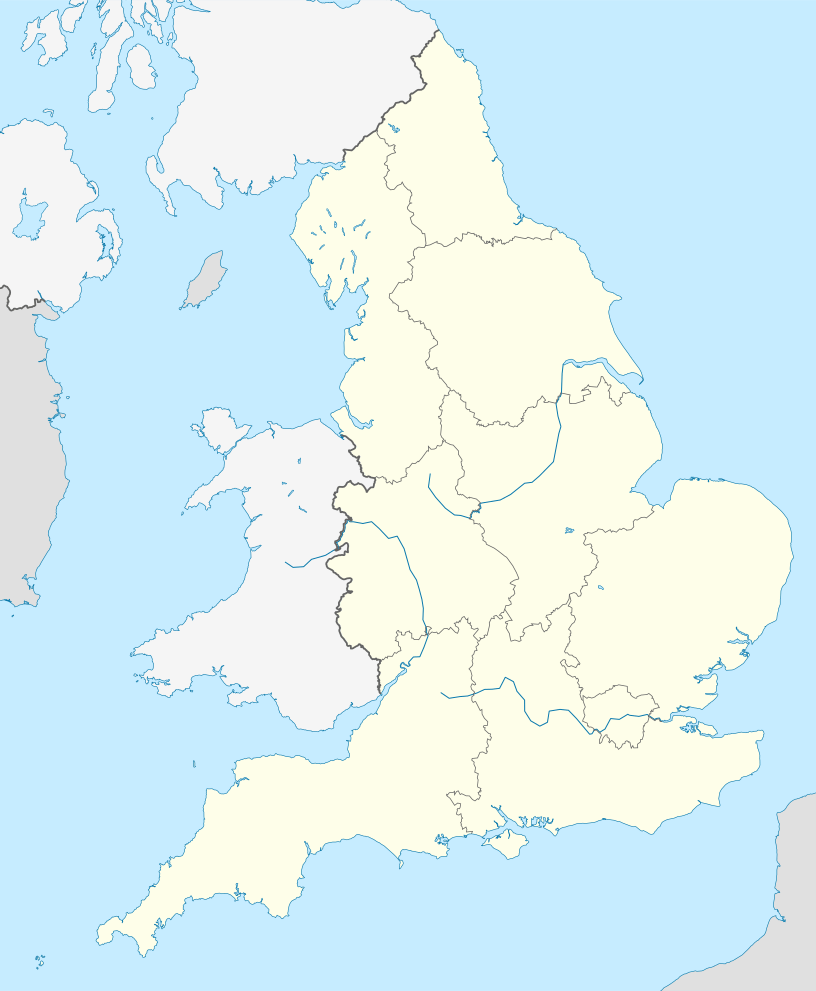
Short entry2.0 miles away
Sydlings Copse
North-east of Oxford · Ancient woodland, limestone grassland, heath, reedbed and fen
 the ai birderBirding near me
The AI Birder · one-page field sheet
Beckley, Oxfordshire, England · OX3 9TD · OX3 9TD

Lapwing · Redshank · Golden Plover · Bittern · Marsh Harrier · Snipe
Wetlands Watch lookout · First reedbed viewing screen · Second reedbed viewing screen · Visitor trail hedgerows and main track
Check current access, hide closures and operator notices before travelling. Seasonal birds are possibilities, not promised sightings. Keep to authorised routes and give wildlife space.
Opening and charges checked 2026-10-18. Operator: https://www.rspb.org.uk/days-out/reserves/otmoor
Full guide and current source links: https://aibirder.co.uk/reserves/rspb-otmoor
EN 16 · RSPB reserve guide
Beckley, Oxfordshire, England · OX3 9TD
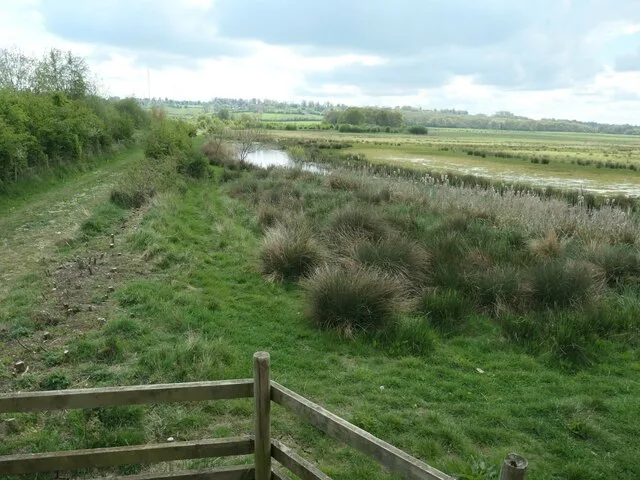
Displaying Lapwings, drumming Snipe and breeding Redshanks animate the spring marshes; autumn hedgerows and reedbeds attract migrants, while winter brings Golden Plovers, Wigeon, Marsh Harriers and Peregrines to one of England's largest inland wetland complexes.
Decide if the visit fits.
Last checked 18 October 2026.
Opening and charges information · checked .
Stay nearby →Reserve overview
Displaying Lapwings, drumming Snipe and breeding Redshanks animate the spring marshes; autumn hedgerows and reedbeds attract migrants, while winter brings Golden Plovers, Wigeon, Marsh Harriers and Peregrines to one of England's largest inland wetland complexes.
Eight checks for a smoother visit.
Conditions change: check the operator and transport notices before travelling.
January: typically look for Wigeon from Wetlands Watch lookout. Allow a patient watch from the public route and return before dusk. Watch raptors and Bittern from the public lookout, screens or main track; do not follow a flight into restricted wetland. February: typically look for Golden Plover from Wetlands Watch lookout. Allow a patient watch from the public route and return before dusk. Watch raptors and Bittern from the public lookout, screens or main track; do not follow a flight into restricted wetland. March: typically look for Curlew from Wetlands Watch lookout. Allow a patient watch from the public route and return before dusk. Watch raptors and Bittern from the public lookout, screens or main track; do not follow a flight into restricted wetland. April: typically look for Lapwing from Wetlands Watch lookout. Allow a patient watch from the public route and return before dusk. Watch raptors and Bittern from the public lookout, screens or main track; do not follow a flight into restricted wetland. May: typically look for Sedge Warbler from Visitor trail hedgerows and main track. Allow a patient watch from the public route and return before dusk. Watch raptors and Bittern from the public lookout, screens or main track; do not follow a flight into restricted wetland. June: typically look for Common Tern from Second reedbed viewing screen. Allow a patient watch from the public route and return before dusk. Watch raptors and Bittern from the public lookout, screens or main track; do not follow a flight into restricted wetland. July: typically look for Reed Warbler from First reedbed viewing screen. Allow a patient watch from the public route and return before dusk. Watch raptors and Bittern from the public lookout, screens or main track; do not follow a flight into restricted wetland. Crane is an established protected seasonal target on Otmoor, supported by operator history and the county’s 2026 review. No breeding-field or roost position is published; follow the reserve team’s advice from existing public facilities. August: typically look for Kingfisher from First reedbed viewing screen. Allow a patient watch from the public route and return before dusk. Watch raptors and Bittern from the public lookout, screens or main track; do not follow a flight into restricted wetland. September: typically look for Cattle Egret from Wetlands Watch lookout. Allow a patient watch from the public route and return before dusk. Watch raptors and Bittern from the public lookout, screens or main track; do not follow a flight into restricted wetland. October: typically look for Redwing from Visitor trail hedgerows and main track. Allow a patient watch from the public route and return before dusk. Watch raptors and Bittern from the public lookout, screens or main track; do not follow a flight into restricted wetland. November: typically look for Fieldfare from Visitor trail hedgerows and main track. Allow a patient watch from the public route and return before dusk. Watch raptors and Bittern from the public lookout, screens or main track; do not follow a flight into restricted wetland. December: typically look for Snipe from Wetlands Watch lookout. Allow a patient watch from the public route and return before dusk. Watch raptors and Bittern from the public lookout, screens or main track; do not follow a flight into restricted wetland.
Best conditions: Usually choose a calm, bright spell for reedbed listening and distant wildfowl, with an early quiet stop for warbler song in spring. Wind and flooding can make exposed tracks uncomfortable or muddy. Keep the return from the second screen inside published dawn–dusk access; an evening bird movement does not extend opening.
Admission is free in the RSPB tariff checked 18 October 2026. Parking costs £2 for non-members and is free for members and Blue Badge holders. The charges page still describes cash-only payment, while the current main reserve page announces PayByPhone as an additional method, location 811972, with cash retained. Carry cash if you need a reliable fallback and follow the current displayed instructions. The thirty-space car park is at the end of Otmoor Lane; if it is full, do not park along the lane because emergency access must remain clear. Check the reserve's operating notices before travelling and choose a daylight visit with enough margin to walk back. Avoid treating the end of civil twilight as extra viewing time beyond the published access day.
Access times: Reserve: RSPB October 2026 calendar: dawn–dusk; seasonal paths and signed restrictions apply. · Hides: Wetlands Watch lookout and screens dawn–dusk; no later roost-watch access implied. · Car park: Dawn–dusk. Thirty spaces; do not park on Otmoor Lane if full. · Dawn access: yes. Operator opening information.
The visitor route runs towards the Wetlands Watch lookout and two reedbed viewing screens, with the Oxfordshire Way following the southern reserve edge. The official access guide places the lookout about 1.1km from the car park, the first screen at 1.6km and the second at 2.4km; reaching the second screen and returning totals about 4.88km. Plan pauses as part of that distance rather than judging the outing by walking speed alone. July's Meadow and a short seasonal route provide additional options when open; signs should determine which paths you include. From the lookout, scan the grassland in narrow bands and inspect any flock that settles after flying. At a screen, stay still for a few minutes before deciding an apparently empty reed edge has nothing to offer. Listen for calls and watch where birds cross a channel rather than repeatedly walking back and forth. Two-hour plan, editorial suggestion: concentrate on the lookout and the most promising adjacent section of the visitor trail, leaving the second screen for a longer outing. This allows a sustained watch and a calm return instead of racing to the farthest point. Full-day plan, editorial suggestion: begin with the grassland birds, progress to both screens if conditions and access suit, then take a break and revisit whichever area gave the best combination of birds and light. In spring, reserve a quiet early session for calls; in winter, arrange the later watch around the limited daylight while retaining the return walk. The value of the longer day is seeing how birds use the same habitats at different times, not accumulating distance across every available route.
Use the linked reserve map and directions with current access notices. Species are typical seasonal targets. Light and telescope advice reflects our choice of viewpoint.
Wet grassland, grazing marsh and scrapes
About 1.1km from parking; use signed lookout.
Winter: Wigeon, Golden Plover, Lapwing, Snipe, Marsh Harrier, Peregrine, Barn Owl
Spring: Lapwing, Redshank, Curlew, Marsh Harrier, Peregrine, Barn Owl
Summer: Redshank, Cattle Egret, Oystercatcher, Marsh Harrier, Barn Owl
Autumn: Lapwing, Snipe, Little Egret, Marsh Harrier, Peregrine, Barn Owl
Light: either. Scope: essential.
Reedbed water and margins
About 1.6km from parking; wet/uneven path possible.
Winter: Kingfisher, Wigeon, Bittern
Spring: Reed Bunting, Common Tern, Bittern
Summer: Common Tern, Reed Warbler, Bittern
Autumn: Kingfisher, Reed Bunting, Bittern
Light: either. Scope: useful.
Farther reedbed water and channels
About 2.4km from parking; allow return before dusk.
Winter: Kingfisher, Wigeon
Spring: Common Tern, Reed Bunting
Summer: Common Tern, Reed Warbler
Autumn: Kingfisher, Reed Bunting
Light: either. Scope: essential.
Hedgerows, scrub and adjacent public-track wetland views
Keep to visitor route; dog restrictions differ from public rights of way.
Winter: Fieldfare, Redwing, Reed Bunting
Spring: Sedge Warbler, Willow Warbler, Reed Bunting, Hobby
Summer: Sedge Warbler, Reed Warbler, Reed Bunting, Hobby
Autumn: Redwing, Fieldfare, Hobby
Light: either. Scope: not needed.
| Spot | Overlooks | Key species by season | Best light | Scope | Tide |
|---|---|---|---|---|---|
| Wetlands Watch lookoutAbout 1.1km from parking; use signed lookout. | Wet grassland, grazing marsh and scrapes | Winter: Wigeon, Golden Plover, Lapwing, Snipe, Marsh Harrier, Peregrine, Barn Owl Spring: Lapwing, Redshank, Curlew, Marsh Harrier, Peregrine, Barn Owl Summer: Redshank, Cattle Egret, Oystercatcher, Marsh Harrier, Barn Owl Autumn: Lapwing, Snipe, Little Egret, Marsh Harrier, Peregrine, Barn Owl | either | essential | — |
| First reedbed viewing screenAbout 1.6km from parking; wet/uneven path possible. | Reedbed water and margins | Winter: Kingfisher, Wigeon, Bittern Spring: Reed Bunting, Common Tern, Bittern Summer: Common Tern, Reed Warbler, Bittern Autumn: Kingfisher, Reed Bunting, Bittern | either | useful | — |
| Second reedbed viewing screenAbout 2.4km from parking; allow return before dusk. | Farther reedbed water and channels | Winter: Kingfisher, Wigeon Spring: Common Tern, Reed Bunting Summer: Common Tern, Reed Warbler Autumn: Kingfisher, Reed Bunting | either | essential | — |
| Visitor trail hedgerows and main trackKeep to visitor route; dog restrictions differ from public rights of way. | Hedgerows, scrub and adjacent public-track wetland views | Winter: Fieldfare, Redwing, Reed Bunting Spring: Sedge Warbler, Willow Warbler, Reed Bunting, Hobby Summer: Sedge Warbler, Reed Warbler, Reed Bunting, Hobby Autumn: Redwing, Fieldfare, Hobby | either | not needed | — |
Month chips show typical presence or our preferred viewing season. Choose birds that suit the time of your visit.
Season: Winter starling roost: RSPB's 2026 reserve account confirms the seasonal reedbed roost. No precise 2026–27 start date, nightly count or fixed display time is promised here; roost location and use change.. Arrival time: Editorial planning suggestion: be on the permitted viewing route well before dusk, allowing about an hour and a half before sunset for the walk and settling in. Typical starling gathering is towards evening; leave in accordance with the dawn-to-dusk access rule.. The small car park can reach capacity. Leave Otmoor Lane clear, share viewing space quietly and follow any instructions from reserve staff. A dedicated roost journey should follow confirmation from RSPB that the birds are currently using the reserve.
RSPB describes a mixture of flat and undulating paths, with uneven surfaces, mud after rain and kissing gates. The car park is level but its compacted limestone can be uneven; the detailed guide identifies a drop-off with a dropped kerb, without reserved Blue Badge bays. The entrance gate clearance is about 130cm. The lookout has a permanent ramp, a 110cm doorway and low windows, but its approach distance is substantial. The path towards the screens narrows to around 60cm in places. The first screen has either an unrailed ramp or four steps with handrails; the second also uses an unrailed ramp. Benches provide resting opportunities, although not all have back or arm support. Discuss the precise route with the reserve before bringing a mobility aid, as an accessible viewing opening does not establish that its full approach suits every chair. Allow time for gates, slopes and turning around on narrow ground. A shorter route can be the better birdwatching choice if fatigue would otherwise make the return difficult. Carry essential personal supplies because there is no accessible toilet at the reserve.
There is no visitor centre or reception at Otmoor, so bring your food, water and any equipment you need for the full outing. The hide and screens provide viewing cover, with benches at intervals along the route. RSPB identifies Headington, around 4.5 miles away, for the nearest public toilets; plan that stop before starting. Cycle racks are available in the car park. Keep litter secured in a bag and take it home, and avoid occupying seats with equipment when other visitors need a place to sit.
Pet dogs may use the public footpaths and bridleways under close, effective control, but are excluded from the visitor trail, other permissive paths and the fields. Read the gate signs and choose the correct route before bringing a dog. Visitors with assistance dogs are welcome at RSPB Otmoor, including throughout its visitor routes. A public right of way beside a reserve should not be interpreted as permission for a pet to enter its separate birdwatching trail.
Islip is the nearest station identified by RSPB, with a published 2.1-mile walking approach via the Oxfordshire Way. Chiltern Railways manages the station and provides its live timetable information. Check the actual services for your day and allow for the reserve walk as well as the station approach before choosing a return train. An evening roost outing requires particular care with fading light: arrange a taxi collection if the return footpath does not suit your party after dusk. The official reserve directions do not identify a public bus to the car park, so a station journey should include a planned final leg. For drivers, approach Beckley from the B4027 and follow Otmoor Lane beside the Abingdon Arms to its very end. Some navigation systems lead towards Lower Farm; remain on Otmoor Lane instead of entering the farm's private driveway. Bridleways link neighbouring villages for cyclists, who should also leave enough time for the onward journey. Save the correct entrance location so a pre-booked driver collects you from the reserve rather than a similarly named farm.
Useful bases for an early start.
Booking.com links are affiliate links: we may earn a commission at no extra cost to you. How these links work.
About 10.5 miles by road, roughly 25 minutes' drive from the measured central base to the main reserve entrance; OSRM/OpenStreetMap estimate measured 18 October 2026, excluding live traffic and parking.
Measured driving route · 2026-10-18. Map estimates exclude live traffic.
A city base with a wider choice of accommodation and onward regional travel.Find places to stay in Oxford on Booking.comAbout 13.6 miles by road, roughly 26 minutes' drive from the measured central base to the main reserve entrance; OSRM/OpenStreetMap estimate measured 18 October 2026, excluding live traffic and parking.
Measured driving route · 2026-10-18. Map estimates exclude live traffic.
A northern Oxfordshire base for a dedicated reserve day.Find places to stay in Bicester on Booking.comAbout 13.5 miles by road, roughly 27 minutes' drive from the measured central base to the main reserve entrance; OSRM/OpenStreetMap estimate measured 18 October 2026, excluding live traffic and parking.
Measured driving route · 2026-10-18. Map estimates exclude live traffic.
A small-town stay west of Otmoor with a separate road approach.Find places to stay in Woodstock on Booking.comExplore Oxfordshire’s full guides and smaller birding sites
Telephone 01865 351163 or email otmoor.admin@rspb.org.uk for reserve enquiries. For a roost-focused visit, contact RSPB before travelling to establish whether birds are currently using a publicly viewable area. The reserve website also recommends the Oxon Birding Blog and a county Facebook group for sightings; those reports remain community observations rather than operator confirmations. Explain any distance, gate-width or surface requirement when asking about access, so advice addresses your intended viewpoint. If arranging a group, give its size and purpose in advance. Remain on the signed visitor routes and follow staff instructions if wildlife protection or maintenance affects the usual circuit.
Check RSPB StAlbans actual 28 June 2026 Otmoor observations. dated outing report, updated 18 July 2026 Reports show what has been seen, not what will be.
Follow the BTO Birders’ Code and give wildlife space.
RSPB Otmoor: Free entry; non-member parking £2; members and Blue Badge holders free.
RSPB Otmoor: Pet dogs may use the public footpaths and bridleways under close, effective control, but are excluded from the visitor trail, other permissive paths and the fields.
RSPB Otmoor: Spring breeding waders · autumn migration · winter wildfowl and raptors.
RSPB Otmoor: The car park is level but its compacted limestone can be uneven; the detailed guide identifies a drop-off with a dropped kerb, without reserved Blue Badge bays.
RSPB Otmoor: Islip is the nearest station identified by RSPB, with a published 2.1-mile walking approach via the Oxfordshire Way.
Shorter stops within 15 miles in a straight line. Use the operator’s arrival directions for the journey.
North-east of Oxford · Ancient woodland, limestone grassland, heath, reedbed and fen
Cumnor Road, Farmoor · Reservoir open water, wetland and reserve paths
Dry Sandford · Fen, reedbed, limestone grassland and woodland
Calvert, east of Bicester · Former clay pit lake, shallows and scrub
Near Quainton and Edgcott · Ancient woodland, rides and meadow
Beacon Hill, near Stokenchurch · Chalk grassland, beech woodland and juniper
Nearby complete guides.
Stops with a purpose: use one as a contrasting habitat or weather-proof Plan B. Distances are straight-line estimates, not road journeys.