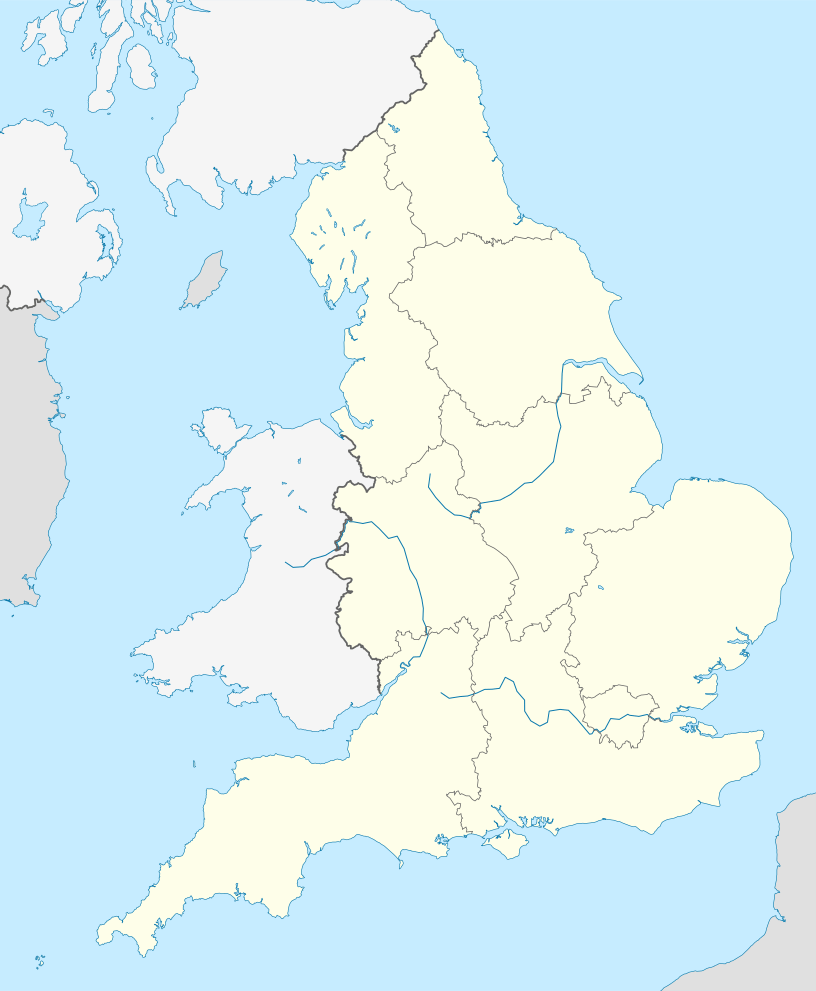

Short entry5.1 miles away
Newbold Quarry
Egerton Close approach, Newbold-on-Avon, Rugby · Flooded limestone quarry, lake-edge vegetation and woodland
 the ai birderBirding near me
The AI Birder · one-page field sheet
Kites Hardwick, Warwickshire · CV23 8AB

Current planning alert (2026-10-18): The reservoir circular route is closed for dam upgrades. Open sections require out-and-back walks; no route passes through the works. Completion is expected late 2026, not confirmed. Severn Trent currently lists a temporary £3.50 all-day car tariff from 13 October.
Great Crested Grebe · Tufted Duck · Gadwall · Mallard · Coot · Moorhen
Toft bird hide · Farborough Bank and Toft Bank — public reservoir path · Visitor Hub — open public reservoir-path outlook · Woodland Walk — signed public woodland section
Check current access, hide closures and operator notices before travelling. Seasonal birds are possibilities, not promised sightings. Keep to authorised routes and give wildlife space.
Opening and charges checked 2026-10-18. Operator: https://www.stwater.co.uk/our-visitor-sites/draycote-water/
Full guide and current source links: https://aibirder.co.uk/reserves/draycote-water
EN 103 · Severn Trent Water reserve guide
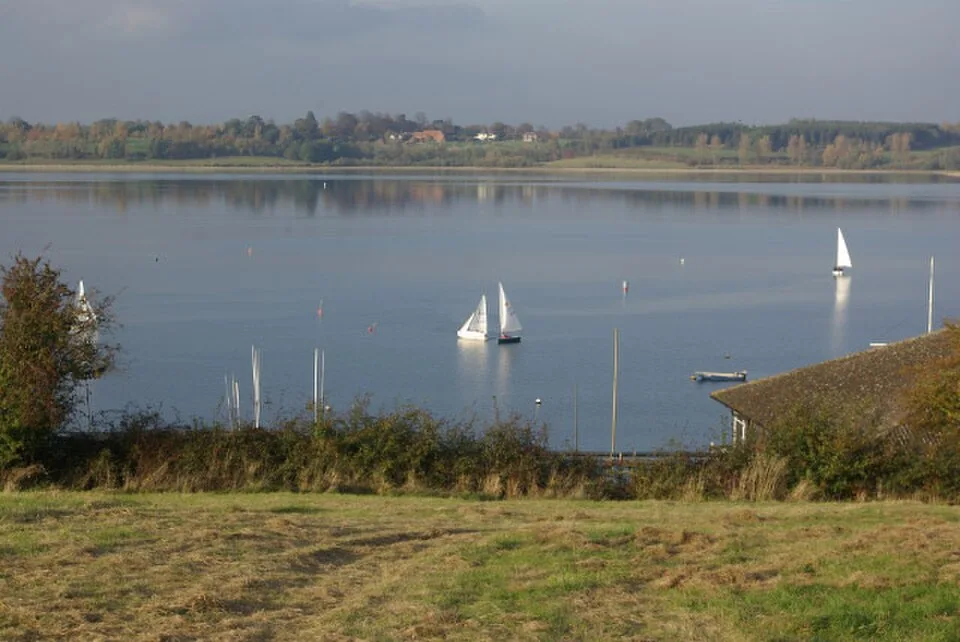
Kites Hardwick, Warwickshire
Broad reservoir views and a firm public path for patient wildfowl watching.
Decide if the visit fits.
Last checked 18 October 2026.
The reservoir circular route is closed for dam upgrades. Open sections require out-and-back walks; no route passes through the works. Completion is expected late 2026, not confirmed. Severn Trent currently lists a temporary £3.50 all-day car tariff from 13 October.
Opening and charges information · checked .
Stay nearby →Reserve overview
Broad reservoir views and a firm public path for patient wildfowl watching.
Eight checks for a smoother visit.
Conditions change: check the operator and transport notices before travelling.
January: January usually suits a patient open-water scan from the Visitor Hub’s open public reservoir-path outlook for Great Crested Grebe, Tufted Duck and a possible Great Northern Diver. County records support winter divers, but none is promised. Work only the signed open paths: the dam works prevent a complete reservoir circuit.
February: In February, compare Goldeneye and Tufted Duck from Toft bird hide only after confirming that its approach is open. Otherwise use the Visitor Hub public-path outlook for Great Crested Grebe and Cormorant. A telescope helps across this wide reservoir, especially when birds are beyond comfortable binocular range.
March: March typically brings more obvious Great Crested Grebe courtship, watched from the Visitor Hub public-path outlook. Search open water slowly before moving. Goldeneye may linger around Toft Bay, but current works can change the usable route to the hide. The woodland walk, if open, adds a sheltered listening session for Chiffchaff.
April: In April, try the signed Woodland Walk for Chiffchaff and Blackcap if its approach is accessible. From the Visitor Hub public-path outlook compare Mallard, Coot and Great Crested Grebe, with Common Tern typically returning during spring. Keep all viewing on the public side of barriers and leave nesting birds alone.
May: May usually combines Common Tern over the main water with Chiffchaff and Blackcap on the signed Woodland Walk. Use the Visitor Hub public-path outlook as the straightforward waterbird stop. The county’s Draycote team recorded a broad May list, but that historic event does not establish a particular day’s sightings.
June: June is a useful month to study how Coot, Mallard and Great Crested Grebe feed, from the Visitor Hub public reservoir-path outlook. Look for Common Tern over the same water. If the signed Woodland Walk is open, add a quieter listening circuit; there is no need to enter vegetation for a closer view.
July: In July, Common Tern remains a useful open-water target from the Visitor Hub public-path outlook. Pied Wagtails and passing Common Sandpiper can be searched for from an open signed section of Farborough or Toft Bank, but only where works allow. Do not step down onto reservoir structures or exposed shore.
August: August typically offers a changing mix of Tufted Duck, Coot and Cormorant from the Visitor Hub public-path outlook. An open Farborough or Toft Bank section can add Common Sandpiper along suitable margins. Shore conditions vary, and a public path does not grant access to the reservoir bed.
September: September usually suits a comparison of Tufted Duck and Gadwall from Toft bird hide if its approach is open. Use the Visitor Hub public-path outlook as the fallback for Great Crested Grebe and Cormorant. Check the current closure map before deciding how much walking fits between concentrated watching stops.
October: In October, watch the Visitor Hub public-path outlook for Great Crested Grebe and gathering wildfowl, then use an open Woodland Walk section for Goldfinch and Robin. Clear, relatively calm conditions usually give better distant identification than a windy circuit. Leave enough time to return before the current vehicle-gate closure.
November: November brings the possibility of Scaup and Great Northern Diver among the wider open-water mix. Scan from the Visitor Hub public-path outlook; county records describe winter occurrences, not guaranteed annual birds at a fixed point. Toft bird hide, if accessible, offers a separate view of Tufted Duck and Goldeneye.
December: December usually rewards fewer, longer watches: compare Great Crested Grebe, Cormorant and Tufted Duck from the Visitor Hub public-path outlook and look carefully for a winter diver. Use Toft bird hide only with a confirmed open approach. If wind makes the scope unstable, shorten the exposed part of the visit.
Best conditions: Our choice is a dry, relatively calm day when a telescope can remain steady on the open-water views. Choose a signed open bank with light behind or beside you, rather than persisting into glare. The public woodland route can offer shelter when its approach is open. Check Severn Trent’s current works map first: a complete circuit is unavailable and construction barriers are turning points, not shortcuts. Confirm the gate timetable for dawn or evening plans.
Severn Trent Water manages the reservoir and country park. Use the current gate information for your date rather than assuming a dawn-to-dusk right through vehicle access. There is no separate general walking admission advertised on the operator page; drivers pay parking charges. Parking uses automatic number-plate recognition, with payment at a terminal or online. Blue Badge holders also pay. The current tariff is subject to a temporary operator notice, so use the linked parking page for the amount applying to your visit. Check Severn Trent’s site information before leaving for any changes affecting access. The visitor entrance is at Kites Hardwick, CV23 8AB.
Access times: Reserve: Open daily except Christmas Day; the complete circular route is currently closed for dam upgrade works. Only signed open out-and-back sections are available. · Hides: Toft bird hide has level access in the operator guide; separate opening/locking hours and current approach availability during works were not verified. · Car park: Current opening and closing times were not exposed in the operator page’s empty timetable. The 2020 leaflet says 7.30am opening, but this is not asserted as the current gate time. Ask the visitor team before an early or late visit. · Dawn access: partly. Operator opening information.
For two hours, start at the visitor hub and choose one direction along the reservoir path. Keep the first walk short enough to return without hurrying, allowing most of the time for watching. At a safe stopping place clear of cyclists and runners, scan nearby water before the far shore. Find a grebe, watch it dive and see where it returns; then compare the shape and behaviour of the ducks around it. Walk on only after giving the view a proper chance. A return by the same path gives a second look in changing light and avoids turning an introductory visit into an endurance walk. Our full-day plan is a longer reservoir-path outing chosen from Severn Trent’s trail map, with two or three substantial watching sessions and a proper break. Decide the distance from daylight, wind and the group’s ability, not from a desire to close a loop. Start on the side with the most comfortable viewing conditions, take your lunch break near appropriate facilities and use a later session to compare another part of the lake. Open water can look empty between flocks, but careful scanning teaches you how birds distribute themselves according to wind and feeding opportunities. The country park offers a different setting for a relaxed family pause. If someone in the group wants a dog walk, follow the designated Country Park and Hensborough routes, keeping that plan separate from the reservoir circuit. Stay aware of shared-use traffic: a tripod placed across a smooth path creates an obstacle even when the birder is concentrating on something distant. Keep children beside you near the water and leave banks, service structures and any exposed mud alone. A photograph showing a bird within its reservoir habitat is a worthwhile result; reaching the shoreline is unnecessary.
Use the linked reserve map and directions with current access notices. Species are typical seasonal targets. Light and telescope advice reflects our choice of viewpoint.
Toft Bay, its quieter shallows and the conservation-area water
Official hide has level/ramped entry and low viewing windows. Confirm that the approach is open during dam works before walking to it.
Winter: Tufted Duck, Goldeneye, Gadwall, Pochard
Spring: Great Crested Grebe, Mallard, Coot
Summer: Moorhen, Grey Heron
Autumn: Tufted Duck, Cormorant
Light: either. Scope: useful.
South-eastern open water and Toft Bay
Only use the currently open signed section. These banks form the operator’s phase-1 works area; no through route or reopened status assumed.
Winter: Great Northern Diver, Great Crested Grebe, Scaup
Spring: Great Crested Grebe, Common Sandpiper
Summer: Common Tern, Pied Wagtail
Autumn: Tufted Duck, Common Sandpiper
Light: either. Scope: essential.
The main reservoir from the visitor-hub end of the signed path
Keep the access to the hub and shared path clear; stop before any construction barrier.
Winter: Great Crested Grebe, Tufted Duck, Cormorant, Goldeneye
Spring: Mute Swan, Mallard, Canada Goose
Summer: Common Tern, Coot
Autumn: Cormorant, Gadwall
Light: either. Scope: useful.
Trees, hedges and meadow margins behind the Toft shore
Only if the current signed approach is open; the operator describes loose terrain and more rugged wheelchair access, not an all-weather level circuit.
Winter: Goldfinch, Robin, Blackbird
Spring: Chiffchaff, Blackcap, Goldfinch
Summer: Chiffchaff, Blackcap
Autumn: Goldfinch, Robin
Light: either. Scope: not needed.
| Spot | Overlooks | Key species by season | Best light | Scope | Tide |
|---|---|---|---|---|---|
| Toft bird hideOfficial hide has level/ramped entry and low viewing windows. Confirm that the approach is open during dam works before walking to it. | Toft Bay, its quieter shallows and the conservation-area water | Winter: Tufted Duck, Goldeneye, Gadwall, Pochard Spring: Great Crested Grebe, Mallard, Coot Summer: Moorhen, Grey Heron Autumn: Tufted Duck, Cormorant | either | useful | — |
| Farborough Bank and Toft Bank — public reservoir pathOnly use the currently open signed section. These banks form the operator’s phase-1 works area; no through route or reopened status assumed. | South-eastern open water and Toft Bay | Winter: Great Northern Diver, Great Crested Grebe, Scaup Spring: Great Crested Grebe, Common Sandpiper Summer: Common Tern, Pied Wagtail Autumn: Tufted Duck, Common Sandpiper | either | essential | — |
| Visitor Hub — open public reservoir-path outlookKeep the access to the hub and shared path clear; stop before any construction barrier. | The main reservoir from the visitor-hub end of the signed path | Winter: Great Crested Grebe, Tufted Duck, Cormorant, Goldeneye Spring: Mute Swan, Mallard, Canada Goose Summer: Common Tern, Coot Autumn: Cormorant, Gadwall | either | useful | — |
| Woodland Walk — signed public woodland sectionOnly if the current signed approach is open; the operator describes loose terrain and more rugged wheelchair access, not an all-weather level circuit. | Trees, hedges and meadow margins behind the Toft shore | Winter: Goldfinch, Robin, Blackbird Spring: Chiffchaff, Blackcap, Goldfinch Summer: Chiffchaff, Blackcap Autumn: Goldfinch, Robin | either | not needed | — |
Month chips show typical presence or our preferred viewing season. Choose birds that suit the time of your visit.
Severn Trent identifies smooth surfaced paths suitable for wheelchairs and pushchairs. Its walking page says most trails are surfaced, with waymarkers showing the routes. Those surfaces make a modest out-and-back a useful first choice, because you can stop at an open view and return without committing to a long circuit. The site is exposed, so wind and the effort of holding position can matter even when the path itself feels straightforward. A Changing Places facility is located beside the country park and requires a RADAR key; it is available during car-park opening hours. Confirm the approach and other toilet requirements with the visitor team if they determine your day. The car-parking charge applies to Blue Badge holders, a practical detail to include in the budget. Choose a comfortable viewing height for a scope or binocular support before leaving the hub area. Bring something warm for observation stops and allow a generous return margin. For a specific mobility or sensory need, describe the intended route to the operator so advice concerns the part of Draycote you will actually use.
The visitor hub and country-park area provide the practical base for a day at Draycote. The Waterside Restaurant publishes its own food-service information; check that separately if you are relying on a meal rather than carrying lunch. Bring water, snacks and warm layers for the reservoir path, where a long scan can feel much colder than the initial walk. Toilets and the Changing Places facility make the hub area a useful place to plan a break. A downloaded trail map also helps mixed groups agree a clear meeting point instead of relying on phone reception around the water.
Dogs are not permitted around the reservoir, except guide dogs under the operator’s published rule. The Country Park and Hensborough Trail are the designated alternatives for dog walking. Choose those routes if travelling with a pet and keep dogs out of the reservoir and away from waterbirds.
Rugby is the straightforward rail gateway, with current trains available through Avanti West Coast, West Midlands Railway and National Rail. Arrange a taxi to Draycote Water’s visitor entrance at Kites Hardwick and agree a return pickup before arrival. A station transfer is a more dependable plan for a first visit than assuming a bus stops at the country-park gate. Use a current journey planner if investigating local buses, allowing for any final road walk and the time of the last return. For drivers, enter CV23 8AB and follow visitor signs, keeping the angling and sailing arrangements distinct from general access. Cyclists should consult the official trail map and shared-use rules, then give pedestrians ample space on reservoir paths. The accommodation road journeys below were measured with OSRM on 18 October 2026. They exclude congestion, time spent parking and the walk from the hub to your chosen viewpoint.
Useful bases for an early start.
Booking.com links are affiliate links: we may earn a commission at no extra cost to you. How these links work.
About 4.9 miles by road, roughly 12 minutes’ drive from the visitor entrance; OSRM estimate measured 18 October 2026, excluding traffic.
Measured driving route · 2026-10-18. Map estimates exclude live traffic.
Rail connections and a short station transferFind places to stay in Rugby on Booking.comAbout 2 miles by road, roughly 5 minutes’ drive from the visitor entrance; OSRM estimate measured 18 October 2026, excluding traffic.
Measured driving route · 2026-10-18. Map estimates exclude live traffic.
Keeping the reserve journey shortFind places to stay in Dunchurch on Booking.comAbout 13.8 miles by road, roughly 26 minutes’ drive from the visitor entrance; OSRM estimate measured 18 October 2026, excluding traffic.
Measured driving route · 2026-10-18. Map estimates exclude live traffic.
Combining reservoir visits with a town breakFind places to stay in Royal Leamington Spa on Booking.comExplore Warwickshire’s full guides and smaller birding sites
The visitor-team contact published on Severn Trent’s parking page is 01788 811107 or draycotewatervisitorcentre@severntrent.co.uk. Use that team for questions about gate access, facilities and a planned visit. The main Severn Trent Draycote page links walking and parking information, which should be read together if arriving by car. Sailing-club or fishing contacts serve their own activities and should not be treated as the source for general visitor entry.
Check West Midland Bird Club NEWS — actual regional bird notes. quarterly publication; linked issue Spring 2025, not a live feed Reports show what has been seen, not what will be.
Follow the BTO Birders’ Code and give wildlife space.
Draycote Water: Parking charges apply; confirm current tariff on the operator parking page.
Draycote Water: Dogs are not permitted around the reservoir, except guide dogs under the operator’s published rule.
Draycote Water: Winter wildfowl; spring grebes; autumn passage on open water.
Draycote Water: Severn Trent identifies smooth surfaced paths suitable for wheelchairs and pushchairs.
Draycote Water: Rugby is the straightforward rail gateway, with current trains available through Avanti West Coast, West Midlands Railway and National Rail.
Shorter stops within 15 miles in a straight line. Use the operator’s arrival directions for the journey.
Egerton Close approach, Newbold-on-Avon, Rugby · Flooded limestone quarry, lake-edge vegetation and woodland
Brownsover Lane approach, north of Rugby · River, wetland pools, disused canal, pasture, hedgerows and woodland
Ufton Fields lane, near Southam · Former limestone quarry with pools, marsh, grassland, scrub and woodland
Mayflower Drive, Coventry · Subsidence pool, reed and willow marsh, grassland and woodland
Aldermans Green Road, Coventry · Pool margins, marsh and reed vegetation
Mantles Heath Wood approach, near Daventry · Ancient coppiced woodland and acidic meadow
Woodland entrance off the B4087 near Bishop’s Tachbrook · Conifer plantation on an ancient woodland site, broadleaf trees and scrub
Nearby complete guides.
Stops with a purpose: use one as a contrasting habitat or weather-proof Plan B. Distances are straight-line estimates, not road journeys.