
Short entry5.0 miles away
Dibbinsdale Nature Reserve and Brotherton Park
Woodslee Cottages, Spital Road, Bromborough, Wirral · Ancient oak woodland, river valley, reed swamp, meadow and historic parkland
 the ai birderBirding near me
The AI Birder · one-page field sheet
Parkgate, Cheshire · CH64 6RL

Pintail · Teal · Shelduck · Mallard · Oystercatcher · Dunlin
Old Baths car-park public viewpoint · The Parade public seawall · Wirral Way public-path hedgerows
Check current access, hide closures and operator notices before travelling. Seasonal birds are possibilities, not promised sightings. Keep to authorised routes and give wildlife space.
Opening and charges checked 2026-10-18. Operator: https://www.rspb.org.uk/days-out/reserves/dee-estuary-parkgate
Full guide and current source links: https://aibirder.co.uk/reserves/rspb-dee-estuary-parkgate
EN 67 · RSPB reserve guide
Parkgate, Cheshire
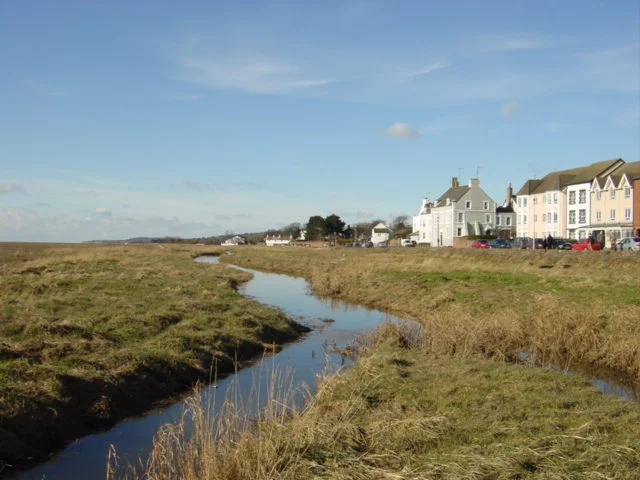
Winter wildfowl and raptors over flooded saltmarsh on the highest spring tides
Decide if the visit fits.
Last checked 18 October 2026.
Opening and charges information · checked .
Stay nearby →Reserve overview
Winter wildfowl and raptors over flooded saltmarsh on the highest spring tides
Eight checks for a smoother visit.
Conditions change: check the operator and transport notices before travelling.
January: High tide is the operator's recommended choice. Settle at the Old Baths public viewpoint for Pintail, Teal, Knot and Curlew, with a telescope for distant birds. The car park's winter closing time matters independently of the reserve's open-access listing.
February: Use Old Baths for a patient wildfowl scan, or The Parade for Redshank and Shelduck. Watch Hen Harrier and Short-eared Owl from the public viewpoints without seeking a roost. Follow current official watch instructions rather than assuming any ordinary high tide will cover the marsh.
March: Typically winter wildfowl overlap with the first signs of breeding activity. Try Old Baths for Pintail and Teal, then The Parade for Skylark or Lapwing. Wind and pressure affect actual water levels, so a predicted tide height cannot promise close birds.
April: If distant marsh birds are hard work, take the public Wirral Way path and listen for Willow Warbler, Chiffchaff and Blackcap. Return to The Parade for Skylark and Redshank. Keep to the public route and leave adjoining golf-course and field habitats undisturbed.
May: The public-path hedgerows can provide Whitethroat, Blackcap, Linnet and Goldfinch watching. The Parade gives a broad view towards Skylark and Shelduck habitat. Do not leave the promenade to approach a bird in the saltmarsh, especially during the breeding season.
June: Use the Wirral Way public hedgerows for summer songbirds and The Parade for marsh Redshank, Lapwing and Skylark. A quiet short watch is a better choice than searching the grass for birds. Every target here describes habitat watching, never a nest-finding route.
July: Typically summer birds remain the more realistic focus than a winter-style high-tide spectacle. Check the public-path hedges for Goldfinch and Linnet and listen for Skylark from The Parade. Be prepared for distant views and keep the promenade clear for other visitors.
August: Take a short public-promenade watch rather than assuming a summer marsh is empty. Mallard and Redshank are verified local birds visible from The Parade's general habitat view. Consult actual sightings before making a special journey, and avoid importing Burton Mere-only records into Parkgate.
September: Early autumn is a good time to assess the changing marsh from Old Baths and The Parade. Redshank and Mallard are regular local aims, but the winter flock is not promised on a fixed arrival date. Use current reports to decide whether a longer wait is worthwhile.
October: Typically wildfowl become central again. Try Old Baths for Teal, Pintail and Curlew. The operator's actual early-October 2026 report also confirms Spoonbill at Parkgate, but that is an observation rather than a guarantee. A telescope helps when the tide leaves birds far out.
November: Compare the Old Baths marsh view with the public Wirral Way hedgerows. Pintail and Teal are winter wetland aims; Redwing and Fieldfare offer an inland alternative. Watch harriers and owls from the official public viewpoints; do not follow them towards a roost.
December: Choose useful daylight and a safe high-tide watch from Old Baths or The Parade for winter ducks and waders. Grey weather can make distant identification difficult. Keep the car-park closing time in mind and use the public path rather than trying to follow the retreating water.
Best conditions: The operator recommends high tide. A stronger onshore wind and pressure changes can alter how far the water reaches, so no tide height promises a flooded marsh. Choose useful daylight, a scope and a sheltered position on the public promenade. Face the available light from a safe public stance; do not enter the marsh to improve the angle.
Parkgate is a long-distance saltmarsh watch from a public waterfront, so the important decision is whether the tide and visibility make a patient scan worthwhile. Begin at the Old Baths viewpoint and assess how far away the feeding edges are before unpacking a telescope. On a productive high tide, the wider scene can change quickly, but a predicted figure is never a promise that the water will reach the wall. The Parade provides another public perspective, while the Wirral Way offers a different visit through hedgerows and open field views. Keep these habitats separate in your expectations: a warbler walk does not depend on a dramatic marsh flood. Harriers and owls can be watched responsibly from public positions, without seeking roost locations. Leave room for other people, stay off the marsh and return before your chosen car park closes.
Access times: Reserve: RSPB calendar lists reserve open 24 hours; watching is from public promenade and paths, with local restrictions. · Hides: RSPB facilities currently state hides closed. Use the public car-park/promenade viewpoints instead. · Car park: Old Baths shared council car park closes at 17:00 in winter and 20:00 in summer. Opening time not verified. · Dawn access: partly. Operator opening information.
Parkgate is strongest as a place to stand and watch. Start at Old Baths and look across the pools and branching creeks before deciding how far to walk along the promenade. Follow a flock as the water moves it between feeding areas; curlews, redshanks and ducks use different depths, so a settled watch can reveal more than repeatedly changing position. Use the public land behind the sea wall throughout. The RSPB identifies a three-mile circuit on local public footpaths, rather than a managed reserve trail. The Wirral Way offers a different, more enclosed walk behind the former shoreline, useful for woodland-edge birds between marsh watches. Take a current footpath map and choose only signed public connections. The RSPB does not manage the surrounding paths, and there is no reason to enter a field or cross the saltmarsh to complete a bird list. Two-hour plan: spend the first part of the visit at Old Baths, locating channels, resting ducks and any hunting raptors. Walk a comfortable section of the promenade, then return to the original viewpoint for the rising water. If a very high tide is forecast, shorten the walk and give the main watch the larger share of the visit. Staying in one place also makes it easier to notice a bird lifting out of cover. Full-day plan: begin with the Wirral Way and public-path circuit in the morning, leaving plenty of room for a longer promenade watch around the selected daytime tide. Break in Parkgate, then return to Old Baths for a second scan in different light. The contrast between the sheltered former railway and open marsh makes a satisfying day without travelling between reserves. Keep the end of the outing within the car park's gate arrangements and leave the public edge clear for other users.
Use the linked reserve map and directions with current access notices. Species are typical seasonal targets. Light and telescope advice reflects our choice of viewpoint.
Saltmarsh, tidal creeks and distant estuary
Council car park closes at 17:00 in winter and 20:00 in summer; no working hide is promised.
Winter: Pintail, Teal, Shelduck, Dunlin, Knot, Curlew, Marsh Harrier, Hen Harrier, Short-eared Owl, Peregrine
Spring: Hen Harrier, Short-eared Owl, Peregrine
Autumn: Spoonbill, Teal, Curlew, Hen Harrier, Short-eared Owl, Peregrine
Light: either. Scope: essential.
Tide: High tide is the operator’s recommended viewing state; ordinary high water may not flood the marsh.
Nearer marsh and pools viewed from the public promenade
Remain on the public promenade; do not descend into the marsh.
Winter: Mallard, Redshank, Oystercatcher
Spring: Skylark, Lapwing, Redshank
Summer: Skylark, Lapwing, Shelduck
Light: either. Scope: essential.
Tide: Watch rising water from the landward public route and keep the road and access clear.
Public-path hedges, grass and adjoining field views
Public path only; no entry onto the golf course or fields is implied.
Winter: Redwing, Fieldfare
Spring: Willow Warbler, Chiffchaff, Blackcap, Whitethroat
Summer: Goldfinch, Linnet
Light: either. Scope: not needed.
| Spot | Overlooks | Key species by season | Best light | Scope | Tide |
|---|---|---|---|---|---|
| Old Baths car-park public viewpointCouncil car park closes at 17:00 in winter and 20:00 in summer; no working hide is promised. | Saltmarsh, tidal creeks and distant estuary | Winter: Pintail, Teal, Shelduck, Dunlin, Knot, Curlew, Marsh Harrier, Hen Harrier, Short-eared Owl, Peregrine Spring: Hen Harrier, Short-eared Owl, Peregrine Autumn: Spoonbill, Teal, Curlew, Hen Harrier, Short-eared Owl, Peregrine | either | essential | High tide is the operator’s recommended viewing state; ordinary high water may not flood the marsh. |
| The Parade public seawallRemain on the public promenade; do not descend into the marsh. | Nearer marsh and pools viewed from the public promenade | Winter: Mallard, Redshank, Oystercatcher Spring: Skylark, Lapwing, Redshank Summer: Skylark, Lapwing, Shelduck | either | essential | Watch rising water from the landward public route and keep the road and access clear. |
| Wirral Way public-path hedgerowsPublic path only; no entry onto the golf course or fields is implied. | Public-path hedges, grass and adjoining field views | Winter: Redwing, Fieldfare Spring: Willow Warbler, Chiffchaff, Blackcap, Whitethroat Summer: Goldfinch, Linnet | either | not needed | — |
Month chips show typical presence or our preferred viewing season. Choose birds that suit the time of your visit.
High tide is recommended by RSPB. Its Liverpool group quotes over 9.8 m for marsh-covering events, but the sentence does not state a datum: this is not a minimum height guarantee. Use Liverpool Gladstone Dock predictions and current RSPB watch advice; allow for wind, pressure and the time water takes to reach Parkgate.
UKHO EasyTide: Liverpool (Gladstone Dock) · RNLI tide safety
Season: The highest spring tides, particularly in autumn and winter, can flood the saltmarsh. Wind and atmospheric pressure affect the outcome; an ordinary high tide may leave the birds distant.. Arrival time: Choose a daytime rising tide and establish a public promenade viewing position well before high water. Do not go onto the marsh to follow retreating birds.. 2026/27 organised-watch dates and meeting arrangements need confirmation through the RSPB Dee Estuary events page or reserve team before travel. A tide prediction is not an event booking, and past local-group outings must not be reused as future dates. Arrive with time to find a legal parking space, keep the waterfront access clear and share the public promenade with other visitors.
The RSPB describes the seafront beside Old Baths as suitable for pushchairs. This is the most practical place to begin when the aim is a short watch with limited walking. The viewpoint is open to wind and rain, however, so consider how long someone can remain comfortable while stationary and whether a vehicle or nearby indoor break is needed. The longer public-footpath circuit is generally flat and described as having good surfaces, but it includes two kissing gates. The RSPB records no stiles on that circuit. Those details do not establish that every gate has enough turning space for a particular wheelchair or mobility scooter. Speak to the Dee Estuary team about the intended route and the equipment being used before committing to it. No accessible toilet is provided at the reserve itself. The nearest accessible facilities are in Parkgate; establish the location and availability of a suitable facility as part of the day plan. The public promenade and the rural circuit are different outings, and choosing the shorter option still allows a worthwhile view of the marsh.
A picnic area sits beside the car park. Parkgate has independent places to eat and drink, and the RSPB directs visitors to the village for toilets and baby changing. Reserve facilities information lists the hides as temporarily closed and describes the principal watch as an open view from the car park, so plan for an outdoor visit. Bring binoculars, a telescope if available and enough warm clothing for a stationary winter watch. Keep bags and tripod legs away from the walking line.
The RSPB welcomes assistance dogs and other dogs under close control. Keep a dog beside you along the public promenade and away from any birds using the edge of the marsh. A short lead is a sensible choice when the walkway is busy with telescopes, families and other dogs.
Neston station on the Borderlands railway is the RSPB's rail approach, approximately two miles from the reserve. The final section can be walked using a mapped public route, or covered by a taxi arranged in advance. Do not treat the station's name as meaning that the observation point is immediately outside it. Merseytravel's current service 22 timetable connects Chester, Neston, Parkgate and West Kirby. It lists stops on The Parade including Mostyn Square, Bevyl Road and Boat House, making it a useful bus approach to the public waterfront. The 22, 22A and X22 have different journey patterns: select a journey that actually serves the desired Parkgate stop and check the return for the chosen weekday. Merseytravel also lists a timetable change from 25 October 2026, so use the travel date rather than saving an undated departure time. For cyclists, the RSPB identifies National Cycle Network route 56 and the Wirral Way nearby. Dismount where necessary around a crowded tide watch and keep the promenade available to pedestrians.
Useful bases for an early start.
Booking.com links are affiliate links: we may earn a commission at no extra cost to you. How these links work.
About 2.5 miles by road, roughly 6 minutes’ drive to the coastal arrival point (OSRM, measured 18 October 2026; an estimate without live traffic).
Measured driving route · 18 October 2026. Map estimates exclude live traffic.
A nearby town for the Dee shoreFind places to stay in Neston on Booking.comAbout 13.6 miles by road, roughly 25 minutes’ drive to the coastal arrival point (OSRM, measured 18 October 2026; an estimate without live traffic).
Measured driving route · 18 October 2026. Map estimates exclude live traffic.
A city base with railway connectionsFind places to stay in Chester on Booking.comAbout 3.4 miles by road, roughly 10 minutes’ drive to the coastal arrival point (OSRM, measured 18 October 2026; an estimate without live traffic).
Measured driving route · 18 October 2026. Map estimates exclude live traffic.
The northern side of the DeeFind places to stay in Heswall on Booking.comExplore Cheshire’s full guides and smaller birding sites
The RSPB Dee Estuary team publishes deeestuary@rspb.org.uk and 0151 353 2720 for Parkgate enquiries. Its address for this watch is Old Baths car park, North Parade, Parkgate, Cheshire, CH64 6RL. Use the reserve pages for visiting information and the official Dee Estuary events link for any organised watch. A local-group excursion and a reserve-run event may have different meeting arrangements, so use the contact supplied by the organiser of the particular outing you intend to attend.
Check RSPB Dee Estuary sightings, including Parkgate Spoonbill. weekly list; explicit Parkgate mention in October 2026 Reports show what has been seen, not what will be.
Follow the BTO Birders’ Code and give wildlife space.
RSPB Dee Estuary – Parkgate: Free entry; council parking tariff not published by RSPB.
RSPB Dee Estuary – Parkgate: The RSPB welcomes assistance dogs and other dogs under close control.
RSPB Dee Estuary – Parkgate: Winter wildfowl and spring-tide watches; raptors through autumn and winter.
RSPB Dee Estuary – Parkgate: Those details do not establish that every gate has enough turning space for a particular wheelchair or mobility scooter.
RSPB Dee Estuary – Parkgate: Neston station on the Borderlands railway is the RSPB's rail approach, approximately two miles from the reserve.
Shorter stops within 15 miles in a straight line. Use the operator’s arrival directions for the journey.
Woodslee Cottages, Spital Road, Bromborough, Wirral · Ancient oak woodland, river valley, reed swamp, meadow and historic parkland
Stanley Road and the shore south of Hoylake, Wirral · Coastal sand dunes, reedbed and marsh
North Parade beside Hoylake Lifeboat Station, Wirral · Intertidal sandflats, mudflats and a high-tide wader roost
Main reserve car park at Hendre · Ancient semi-natural woodland, wet woodland and hay meadow
Talacre, opposite side of the Estuary to the parent site · Saltmarsh and sand dunes
Gronant · Reedbed, pool and wet woodland
Ruthin Road, near Mold · Limestone valley, river, woodland and grassland
Public arrival at Prestatyn railway station; walking connection to the dunes · Protected coastal dunes, shingle beach, marsh and reedbed
Nearby complete guides.
Stops with a purpose: use one as a contrasting habitat or weather-proof Plan B. Distances are straight-line estimates, not road journeys.