Short entry3.7 miles away
Lunt Meadows
Lunt Road, Thornton, Sefton · Wet grassland, reedbeds, pools, ponds and flood-storage wetland
 the ai birderBirding near me
The AI Birder · one-page field sheet
Royal Seaforth Docks, Liverpool, Merseyside, England · L21 1JD · L21 1JD

Teal · Pochard · Tufted Duck · Goldeneye · Redshank · Oystercatcher
Freshwater lagoon hides · Main path beside the reedbed · Grassland beside the established paths
Check current access, hide closures and operator notices before travelling. Seasonal birds are possibilities, not promised sightings. Keep to authorised routes and give wildlife space.
Opening and charges checked 2026-10-18. Operator: https://www.lancswt.org.uk/nature-reserves/seaforth-nature-reserve
Full guide and current source links: https://aibirder.co.uk/reserves/seaforth-nature-reserve
EN 105 · Lancashire Wildlife Trust reserve guide
Royal Seaforth Docks, Liverpool, Merseyside, England · L21 1JD
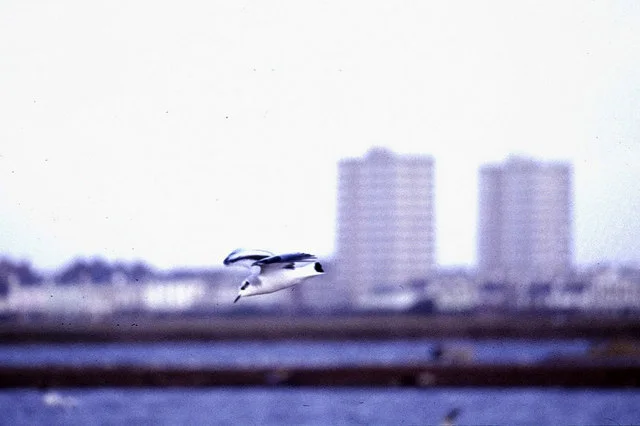
A permit-only lagoon watch inside the Port of Liverpool, with spring gull passage and winter ducks.
Decide if the visit fits.
Last checked 18 October 2026.
Opening and charges information · checked .
Stay nearby →Reserve overview
A permit-only lagoon watch inside the Port of Liverpool, with spring gull passage and winter ducks.
Eight checks for a smoother visit.
Conditions change: check the operator and transport notices before travelling.
January: Usually begin at Freshwater lagoon hides for Teal, Pochard and Goldeneye. Use a telescope to compare diving ducks without leaving the viewing area. An approved port pass comes before any birding plan; year-round reserve access does not replace security permission. February: Typically give Freshwater lagoon hides time for Tufted Duck, Pochard and winter gulls. Main path beside the reedbed adds a quiet Snipe scan when safe and permitted. Do not assume the reeds are empty simply because a concealed bird fails to show. March: Usually scan Freshwater lagoon hides for the first spring Little Gull passage alongside Redshank and Oystercatcher. Numbers depend on migration and weather. Check the tide before travel and keep a winter-duck comparison available if the expected passage does not materialise. April: Our choice is Freshwater lagoon hides for Little Gull, comparing its size and flight with Black-headed Gull. Grassland beside the established paths can add Yellow Wagtail on passage. Keep the itinerary within your authorised port entry and the reserve officer’s instructions. May: Typically alternate Freshwater lagoon hides for Common Tern and Swift with Grassland beside the established paths for migrant wagtails. The season changes quickly, so read actual reports without treating them as a booking guarantee. Remain clear of nesting and resting habitat. June: Usually make Freshwater lagoon hides the focus for Common Tern and feeding Swift. Watch their flight over the pool rather than trying to reach islands or rafts. The industrial setting is still a working port, with access limited to the route approved for visitors. July: Typically compare Common Tern with the familiar Black-headed Gull from Freshwater lagoon hides. Swift adds a different feeding style over the same water. Take enough time for repeated views; a close photograph never justifies approaching the protected lagoon margin. August: Usually keep Freshwater lagoon hides for Common Tern and returning Dunlin, then scan Grassland beside the established paths for Yellow Wagtail and Whinchat. Passage possibilities vary from day to day. Do not transfer mainland reports into a claim that a bird is here. September: Typically combine Dunlin and Curlew from Freshwater lagoon hides with Meadow Pipit along Grassland beside the established paths. A rising tide can alter the wetland view, but resting flocks need space. Stay at authorised viewing places and let the birds settle. October: Usually return to Freshwater lagoon hides for Teal and Pochard as winter waterbirds become more prominent. Main path beside the reedbed offers a Snipe possibility. Shortening daylight makes advance permission and a simple return plan especially useful. November: Typically prioritise Goldeneye, Pochard and Tufted Duck from Freshwater lagoon hides. Compare them slowly rather than assuming every grey bird is the same species. The operator’s broad winter overview is seasonal guidance, not a current count or a promise of Scaup. December: Usually choose Freshwater lagoon hides for Teal, winter gulls and Oystercatcher, with only a brief outdoor path scan if conditions suit. Warm clothing matters during a static watch. Confirm your pass and follow port-security instructions even when the reserve itself lists unrestricted hours.
Best conditions: Our choice is a clear, calm session from the authorised lagoon hides, comparing the rising-tide wetland view with the freshwater pool. Typically strong wind and glare make distant gulls and diving ducks harder to identify, so use the most comfortable permitted angle. Light and scope ratings are editorial advice. Permission, security instructions and generous space for resting birds take priority over an attractive tide.
Port entry arrangements checked 18 October 2026: Lancashire Wildlife Trust requires a day pass for visitors entering the Port of Liverpool. Apply through the request form on its reserve page, preferably at least a week ahead; the Trust forwards the application to the port police. The form requests the full names of everyone visiting and details of the vehicles. Wait for confirmation before setting out. Trust members can apply for an annual port pass through ISPS@peelports.co.uk; the advertised cost is £35 a year. The reserve page describes opening as unrestricted, but this does not override security clearance or instructions issued with your pass. A day-pass charge is not stated on the page. Check the reserve information and your access confirmation before travel, because security and site arrangements can change.
Access times: Reserve: Trust lists open at all times, year-round, but admission is controlled by Port of Liverpool security. Submit the day-pass request preferably at least a week ahead and wait for confirmation. · Hides: Three unnamed freshwater-lagoon hides are described by RSPB Liverpool; no current individual opening or locking timetable was verified. Ask the reserve officer. · Car park: Only use the authorised port route and parking instructions supplied with your approved pass; unrestricted public vehicle entry is not implied. · Dawn access: partly. Operator opening information.
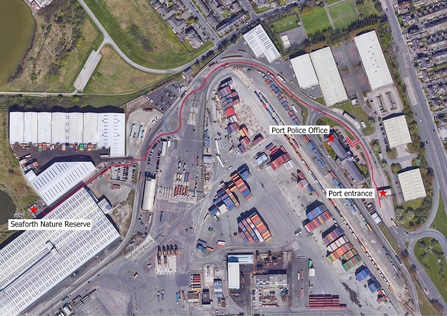
The pools and hides provide the visit's structure. Use the Trust's port-access map, supplied from its reserve page, to reach the reserve through the working dock estate. Once there, remain on the basic reserve footpaths and use the hides to scan across the water. Port roads, quays and operational land are not additional birding routes. Start by distinguishing the freshwater pool from the more tidal coastal setting, then make a patient scan of the margins before working across the open water. A telescope is particularly useful for gulls and distant ducks; binoculars are easier for following terns changing direction. Two-hour plan, our suggestion: spend the first part of your permitted visit understanding the viewing layout and watching the nearest pool. Allow a substantial middle session in a hide, comparing the common gulls or ducks until you are comfortable with them. Finish by checking the adjacent authorised viewpoint and making a short note of the tide and conditions. Leave enough time for the required exit route through the port. Full-day plan, our suggestion: start with the freshwater pool in good morning light, take a packed-lunch break without leaving equipment unattended, and return to the hides as the tide changes outside. Watch how the mix of birds differs rather than aiming for a large tally. If you leave the port during the day, establish with the issuing team whether re-entry is covered. A shorter productive watch is preferable to improvising a route through dock traffic. For gull identification, choose one familiar individual first and notice its size, leg colour and wing pattern before examining a less familiar bird beside it. This is easier than starting with the most distant pale shape. With ducks, wait for a complete side view and observe how the bird feeds. Keep a few notes about the pool watched and the conditions, then compare the same view after a break. Seaforth's combination of sheltered water and industrial surroundings rewards attention to the birds' behaviour: a quiet stretch can change when gulls begin feeding, while a busy moment may settle again without any need to move.
Use the linked reserve map and directions with current access notices. Species are typical seasonal targets. Light and telescope advice reflects our choice of viewpoint.
Freshwater lagoon and the birds using its water and margins
Three unnamed freshwater-lagoon hides are described by RSPB Liverpool. Ask the reserve officer which are open and suitable for your access needs; no unverified individual names are invented.
Winter: Teal, Pochard, Tufted Duck, Goldeneye
Spring: Little Gull, Ringed Plover, Redshank
Summer: Common Tern, Swift, Oystercatcher
Autumn: Dunlin, Curlew, Black-headed Gull
Light: either. Scope: essential.
Tide: RSPB Liverpool group describes waders gathering2–3 hours before high water. Stay inside the authorised hides without approaching resting birds.
Reed fringe viewed from the existing path
Basic paths; watch from the permitted route and do not enter reeds or approach resting birds.
Winter: Snipe
Light: either. Scope: useful.
Grassland and low vegetation beside the public reserve route
Keep inside the approved reserve route; the surrounding working port is not a birding route.
Winter: Meadow Pipit
Spring: Meadow Pipit, Yellow Wagtail, Whinchat
Summer: Meadow Pipit
Autumn: Yellow Wagtail, Whinchat, Meadow Pipit
Light: either. Scope: useful.
| Spot | Overlooks | Key species by season | Best light | Scope | Tide |
|---|---|---|---|---|---|
| Freshwater lagoon hidesThree unnamed freshwater-lagoon hides are described by RSPB Liverpool. Ask the reserve officer which are open and suitable for your access needs; no unverified individual names are invented. | Freshwater lagoon and the birds using its water and margins | Winter: Teal, Pochard, Tufted Duck, Goldeneye Spring: Little Gull, Ringed Plover, Redshank Summer: Common Tern, Swift, Oystercatcher Autumn: Dunlin, Curlew, Black-headed Gull | either | essential | RSPB Liverpool group describes waders gathering2–3 hours before high water. Stay inside the authorised hides without approaching resting birds. |
| Main path beside the reedbedBasic paths; watch from the permitted route and do not enter reeds or approach resting birds. | Reed fringe viewed from the existing path | Winter: Snipe | either | useful | — |
| Grassland beside the established pathsKeep inside the approved reserve route; the surrounding working port is not a birding route. | Grassland and low vegetation beside the public reserve route | Winter: Meadow Pipit Spring: Meadow Pipit, Yellow Wagtail, Whinchat Summer: Meadow Pipit Autumn: Yellow Wagtail, Whinchat, Meadow Pipit | either | useful | — |
Month chips show typical presence or our preferred viewing season. Choose birds that suit the time of your visit.
RSPB Liverpool describes waders gathering2–3 hours before high tide. Plan a hide watch in that period if your authorised entry permits; never approach resting flocks or enter port foreshore. No minimum tide height is sourced.
UKHO EasyTide: Liverpool (Gladstone Dock) · RNLI tide safety
The Trust describes basic footpaths and bird hides, but its reserve page does not provide a detailed step-free access statement. Contact the reserve before applying for a pass if you use a wheelchair, mobility scooter or walking aid. Ask about the surface between parking and each hide, any thresholds or steps, the width of entrances, seating and suitable viewing heights. Explain whether you need to remain beside a vehicle or avoid soft ground; these are useful practical questions in a working port. Do not assume a short map distance means an easy transfer between the gate and the reserve. Check whether your chosen vehicle and any accompanying helper need to be included in the pass application. For a visitor who tires when standing, a single hide session with a clear return plan may suit better than a complete circuit. Wet weather can make basic paths less comfortable, while exposed lagoon edges can be windy. Binoculars used from a stable seated position can be more rewarding than carrying a heavy telescope over a surface you find difficult. Discuss assistance-dog requirements separately because the published reserve rule excludes dogs.
Bird hides are the main advertised visitor facility. Bring drinking water, food, warm layers and whatever you need for an independent watch; a dockside location should not be treated as a conventional visitor centre with a café. Confirm toilet availability with the reserve when arranging access. Keep food wrappers and lens cloths secured in coastal wind, and carry everything out. Leave the hide quiet enough for other people to hear approaching birds.
The published rule is no dogs. Make another arrangement for a pet before requesting a pass, rather than bringing it into the dock estate in the car. Discuss an assistance dog with the reserve and port-access team in advance so the agreed arrangement is clear.
Merseyrail's Northern line provides a rail approach to the Seaforth area, but reaching a nearby station does not grant pedestrian access through the port. Use Merseyrail's current journey planner for Seaforth & Litherland, then agree the final transfer with the reserve team as part of the pass application. If travelling by taxi, establish how the driver and vehicle registration can be included and whether a separate collection vehicle needs its own permission. Do this before buying travel around a fixed arrival time. Drivers should use the reserve's own port map and the route confirmed with the pass, rather than following a satnav towards the nearest pool. Large freight vehicles have priority in an active industrial estate. For a car-free visitor, an organised visit with confirmed group access may be easier to arrange than an improvised final walk. Keep your return journey flexible enough to leave by the specified security route.
Useful bases for an early start.
Booking.com links are affiliate links: we may earn a commission at no extra cost to you. How these links work.
About 4 miles by road, roughly 19 minutes’ drive to the public visitor approach. OSRM measured the Crosby journey for Seaforth Nature Reserve on 18 October 2026; the estimate excludes live traffic.
Measured driving route · 2026-10-18. Map estimates exclude live traffic.
A nearby Crosby base for an unhurried start at Seaforth Nature Reserve.Find places to stay in Crosby on Booking.comAbout 6.3 miles by road, roughly 22 minutes’ drive to the public visitor approach. OSRM measured the Liverpool journey for Seaforth Nature Reserve on 18 October 2026; the estimate excludes live traffic.
Measured driving route · 2026-10-18. Map estimates exclude live traffic.
Compare stays in Liverpool if this measured approach fits your wider route.Find places to stay in Liverpool on Booking.comAbout 17.6 miles by road, roughly 42 minutes’ drive to the public visitor approach. OSRM measured the Southport journey for Seaforth Nature Reserve on 18 October 2026; the estimate excludes live traffic.
Measured driving route · 2026-10-18. Map estimates exclude live traffic.
Consider Southport when its location suits the other places in your itinerary.Find places to stay in Southport on Booking.comExplore Merseyside’s full guides and smaller birding sites
The reserve page lists ahampson@lancswt.org.uk and 07740 419187 for reserve enquiries. Use the day-pass form for permission requests, providing the party and vehicle details requested there. For an annual member pass, the published port contact is ISPS@peelports.co.uk. Explain any mobility needs before your application is processed and retain the eventual confirmation with your travel documents. Send a correction about a changed access procedure to the Trust rather than relying on an old birding report.
Check RSPB Sutton Coldfield — Seaforth observations, March 2026. dated visit report Reports show what has been seen, not what will be.
Follow the BTO Birders’ Code and give wildlife space.
Seaforth Nature Reserve: Price not published by operator; day-pass charge unstated; member annual port pass £35.
Seaforth Nature Reserve: The published rule is no dogs.
Seaforth Nature Reserve: Year-round · spring gull passage · winter wildfowl.
Seaforth Nature Reserve: The Trust describes basic footpaths and bird hides, but its reserve page does not provide a detailed step-free access statement.
Seaforth Nature Reserve: Merseyrail's Northern line provides a rail approach to the Seaforth area, but reaching a nearby station does not grant pedestrian access through the port.
Shorter stops within 15 miles in a straight line. Use the operator’s arrival directions for the journey.
Lunt Road, Thornton, Sefton · Wet grassland, reedbeds, pools, ponds and flood-storage wetland
North Parade beside Hoylake Lifeboat Station, Wirral · Intertidal sandflats, mudflats and a high-tide wader roost
Montagu Road approach from Freshfield station, Formby, Sefton · Lowland dune heath, acidic grassland, scrub, birch and pine woodland
Stanley Road and the shore south of Hoylake, Wirral · Coastal sand dunes, reedbed and marsh
Woodslee Cottages, Spital Road, Bromborough, Wirral · Ancient oak woodland, river valley, reed swamp, meadow and historic parkland
Talacre, opposite side of the Estuary to the parent site · Saltmarsh and sand dunes
Holmeswood Road, near Rufford · Lakes · reedbed · woodland · wet meadow
Nearby complete guides.
Stops with a purpose: use one as a contrasting habitat or weather-proof Plan B. Distances are straight-line estimates, not road journeys.