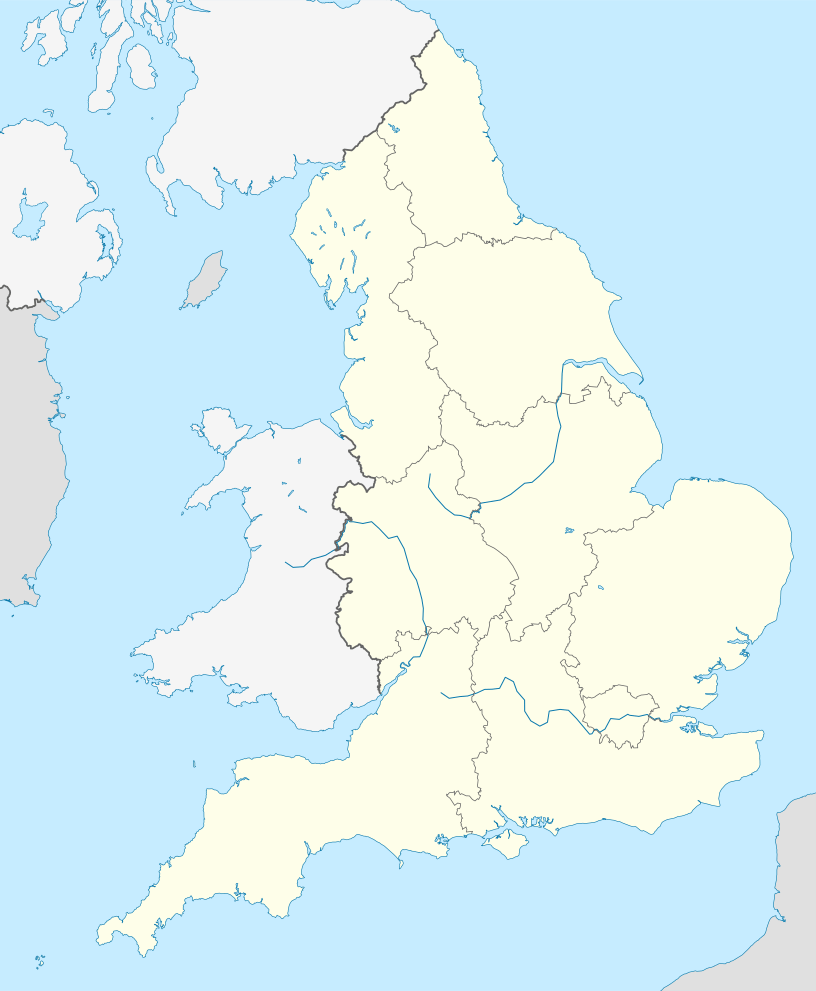
Short entry8.4 miles away
Stodmarsh
Stodmarsh village, near Canterbury · Reedbeds, lakes, grazing marsh and wet woodland
 the ai birderBirding near me
The AI Birder · one-page field sheet
Sandwich Bay, Kent, England · CT13 9PF

Goldcrest · Firecrest · Short-eared Owl · Lapwing · Greenshank · Ruff
Restharrow Scrape old hide · Restharrow Scrape new hide · The Elms public route · Restharrow Dunes permitted public route · Field Centre visitor area · Jubilee Field public nature trail · Dragonfly Pond Field public nature trail
Check current access, hide closures and operator notices before travelling. Seasonal birds are possibilities, not promised sightings. Keep to authorised routes and give wildlife space.
Opening and charges checked 2026-10-18. Operator: https://sbbot.org.uk/
Full guide and current source links: https://aibirder.co.uk/reserves/sandwich-bay-bird-observatory
EN 64 · Sandwich Bay Bird Observatory Trust reserve guide
Sandwich Bay, Kent, England
Study migration and wetland birds from the Observatory’s public reserves.
Decide if the visit fits.
Last checked 18 October 2026.
Opening and charges information · checked .
Stay nearby →Reserve overview
Study migration and wetland birds from the Observatory’s public reserves.
Eight checks for a smoother visit.
Conditions change: check the operator and transport notices before travelling.
January: Winter is a good reason to start with the two Restharrow Scrape hides. Typically Teal, Shoveler and Gadwall provide the waterfowl focus, with Lapwing and Golden Plover in nearby fields. Scan from the established facilities rather than entering the banks or using a convenient private track.
February: Use the old and new Scrape hides to compare the winter duck flock in changing light. The operator supports Teal, Shoveler and Gadwall as winter birds, while Lapwing and Golden Plover add a field-watch option. A slow scan usually reveals more than repeated short stops at each window.
March: Typically spring interest builds around the Scrape islands, with Lapwing, Oystercatcher and Black-headed Gull prominent in the operator account. The old and new hides provide the appropriate public watching places. Keep any breeding behaviour within that distant view, without entering banks or moving closer to a territorial bird.
April: Choose a Scrape hide watch for the spring mix of Avocet, Lapwing, Tufted Duck and Coot. A separate walk on the permitted dune route can add Wheatear or Yellow Wagtail in the local seasonal account. Keep the two habitats distinct rather than assuming every migrant will appear on the water.
May: Typically May rewards time in the old or new Scrape hide for Little Grebe, Avocet and possible Hobby. Listen for Cuckoo along permitted paths, without seeking a nest or following a bird into cover. The Field Centre can help with the day's observations during its published visitor hours.
June: Use the two Scrape hides for the operator-supported summer Little Grebe and Lapwing interest, keeping family behaviour distant and undisturbed. Hobby is a possibility rather than a scheduled appearance. The accessible new hide offers a useful alternative perspective, with its lower slots and movable benches left available to those who need them.
July: The actually read county summer visit records Teal, Shoveler and Gadwall at Restharrow Scrape, while the operator describes autumn wader movement beginning around mid-July. The precise mix varies. Start from the old or new hide and choose your next step after watching what is actually present.
August: Typically late-summer wader movement makes a substantial Scrape hide watch worthwhile. Common and Green Sandpipers and Greenshank are among the operator's seasonal possibilities. Work slowly around margins and islands from the public windows, allowing birds to move into view instead of attempting a closer approach along the banks.
September: Use a Scrape hide for autumn Greenshank and Ruff, then consider a separate permitted public walk at The Elms for Goldcrest and Firecrest. These are different watching methods, one involving patient open-water scanning and the other quiet listening. Stay outside ringing lanes and any signed restricted parts.
October: Typically October can combine The Elms crest interest with an autumn Scrape wader watch. Greenshank and Ruff are supported seasonal targets from the public hides. An old county owl record is not a reason to seek a resting place; watch Short-eared Owl only from the permitted public route.
November: The operator describes wader passage continuing into mid-November, while winter Teal, Shoveler and Gadwall give the Scrape hides a second focus. Golden Plover and Lapwing can also be part of the nearby field scene. Treat the seasonal overlap as a reason to scan carefully, not a guarantee of a long list.
December: Choose the old or new Scrape hide for a manageable winter watch of Teal, Shoveler and Gadwall, with Lapwing and possible Golden Plover beyond. Check actual visitor and estate access arrangements before setting out. The published Field Centre clock does not establish a separate dawn opening time for every hide.
Best conditions: Typically lighter winds help listening around The Elms, while the Scrape suits a settled scope watch with glare behind or to one side. Use the two public hides to compare angles without approaching birds. Autumn wader visits work best when actual water levels and recent local reports are checked first; no preferred tide height is invented for this artificial wetland.
Visit information checked 18 October 2026: the Observatory's current visit page lists the Field Centre as open 10am–4pm, seven days a week. Its own page takes precedence over older tourism listings that show shorter sessions. Visitors should use the car park, keeping the access track clear for emergency and farm vehicles.
For non-members driving to the Observatory, the private estate charges a discretionary £1 access fee. Enter and leave through the same estate entrance; the concession does not buy general seafront or through-estate motoring. The operator describes payment at the main toll booth or online before the end of the day when unstaffed. Registered members use their agreed vehicle-sticker arrangements. The wider estate publishes separate motoring tariffs, so tell the toll team that your destination is the Observatory. Restharrow's current public information does not list a separate hide ticket tariff. Check the Observatory's latest notices, access arrangements and any event booking before travelling.
Access times: Reserve: Operator confirms public access to its managed reserve areas, with restricted parts in the wider recording area. No universal reserve gate clock verified. · Hides: Two Restharrow Scrape hides confirmed by retained operator page checked 18 October 2026; no independent hide opening clock stated. Field Centre is 10am–4pm daily. · Car park: Use Observatory car park and keep access track clear. Estate vehicle access/payment rules apply; no separate parking gate clock verified. · Dawn access: no. Operator opening information.
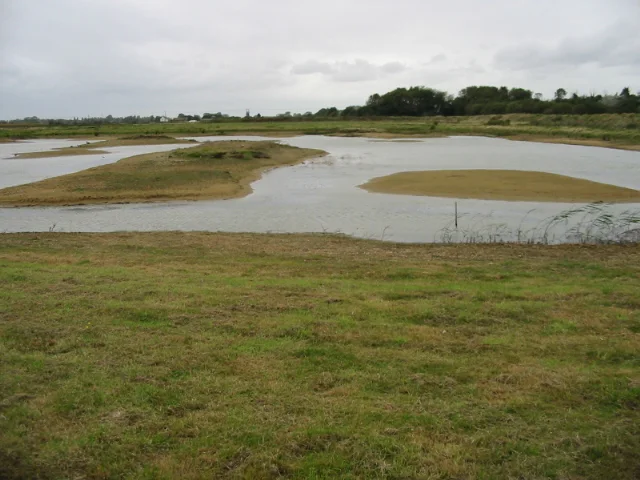
Start with the Field Centre's map rather than treating the entire Observatory recording area as unrestricted reserve land. Its public reserves include Restharrow Scrape, Restharrow Dunes, Dragonfly Pond and Jubilee Field, with other areas carrying different access arrangements. A recording area is the landscape over which observations are collected; it does not make every field or track a public route. Restharrow Scrape has two hides overlooking an artificial wetland, providing a particularly useful introduction to ducks, gulls and waders. Two-hour plan, editorial suggestion: collect the current map during the centre session, go to Restharrow Scrape and spend most of your outing in the hides. Compare the view from each without disturbing birds between them. If time remains, add a short public-route watch around The Elms before returning. This is a better first visit than trying to fit every named area into a short circuit. Full-day plan, editorial suggestion: begin with a quiet migrant watch on the authorised woodland routes, spend the middle of the morning at the scrape, and return to the Field Centre for a break. Continue to the public nature-trail and pond areas in the afternoon, then revisit the scrape to see whether the feeding edges or bird movements have changed. Build around any booked Observatory activity while leaving generous time for the walk between destinations. An observatory is a working conservation and monitoring organisation. Ringing takes place under licence, so join only an advertised or expressly invited demonstration and follow the leaders' directions. Stay away from nets, traps and work areas, and avoid following volunteers into habitat that is outside the public route. In a hide, give newcomers a turn at the best viewing position and keep bags below the windows. If a flock starts watching you intently or moves away from your approach, stop and increase your distance. The site's fascination lies as much in repeated observations and changes across the day as in a long list of unusual species.
Use the linked reserve map and directions with current access notices. Species are typical seasonal targets. Light and telescope advice reflects our choice of viewpoint.
Restharrow Scrape water and islands from established visitor hide
Spring: Avocet, Lapwing, Black-headed Gull, Oystercatcher, Tufted Duck, Coot
Summer: Little Grebe, Hobby, Lapwing
Autumn: Greenshank, Common Sandpiper, Green Sandpiper, Ruff
Winter: Teal, Shoveler, Gadwall, Lapwing, Golden Plover
Light: either. Scope: useful.
Restharrow Scrape from its second reported public hide
Sliding door, lower viewing slots, movable benches and wheelchair leg room; accessible approach and entry gate described by operator.
Spring: Avocet, Lapwing, Black-headed Gull, Oystercatcher, Tufted Duck, Coot
Summer: Little Grebe, Hobby, Lapwing
Autumn: Greenshank, Common Sandpiper, Green Sandpiper, Ruff
Winter: Teal, Shoveler, Gadwall, Lapwing, Golden Plover
Light: either. Scope: useful.
Migrant woodland along the permitted public route
Use the permitted public route, keeping out of ringing lanes and any signed restricted sections.
Autumn: Goldcrest, Firecrest
Light: either. Scope: not needed.
Dune and grassland birds from permitted paths
Public route only; do not cross golf-course playing areas or enter managed breeding habitat.
Spring: Wheatear, Yellow Wagtail, Skylark, Stonechat, Corn Bunting, Grey Partridge
Autumn: Short-eared Owl
Light: either. Scope: useful.
Visitor facilities and publicly permitted observation area
Field Centre visitor opening 10am–4pm daily, according to operator receipt checked 18 October 2026.
Light: either. Scope: not needed.
Public nature-trail habitat managed mainly for invertebrates
Operator confirms public access; follow the mapped nature trail and current signs.
Light: either. Scope: not needed.
Public nature-trail habitat managed mainly for invertebrates
Operator confirms public access; follow the mapped nature trail and current signs.
Light: either. Scope: not needed.
| Spot | Overlooks | Key species by season | Best light | Scope | Tide |
|---|---|---|---|---|---|
| Restharrow Scrape old hide | Restharrow Scrape water and islands from established visitor hide | Spring: Avocet, Lapwing, Black-headed Gull, Oystercatcher, Tufted Duck, Coot Summer: Little Grebe, Hobby, Lapwing Autumn: Greenshank, Common Sandpiper, Green Sandpiper, Ruff Winter: Teal, Shoveler, Gadwall, Lapwing, Golden Plover | either | useful | — |
| Restharrow Scrape new hideSliding door, lower viewing slots, movable benches and wheelchair leg room; accessible approach and entry gate described by operator. | Restharrow Scrape from its second reported public hide | Spring: Avocet, Lapwing, Black-headed Gull, Oystercatcher, Tufted Duck, Coot Summer: Little Grebe, Hobby, Lapwing Autumn: Greenshank, Common Sandpiper, Green Sandpiper, Ruff Winter: Teal, Shoveler, Gadwall, Lapwing, Golden Plover | either | useful | — |
| The Elms public routeUse the permitted public route, keeping out of ringing lanes and any signed restricted sections. | Migrant woodland along the permitted public route | Autumn: Goldcrest, Firecrest | either | not needed | — |
| Restharrow Dunes permitted public routePublic route only; do not cross golf-course playing areas or enter managed breeding habitat. | Dune and grassland birds from permitted paths | Spring: Wheatear, Yellow Wagtail, Skylark, Stonechat, Corn Bunting, Grey Partridge Autumn: Short-eared Owl | either | useful | — |
| Field Centre visitor areaField Centre visitor opening 10am–4pm daily, according to operator receipt checked 18 October 2026. | Visitor facilities and publicly permitted observation area | — | either | not needed | — |
| Jubilee Field public nature trailOperator confirms public access; follow the mapped nature trail and current signs. | Public nature-trail habitat managed mainly for invertebrates | — | either | not needed | — |
| Dragonfly Pond Field public nature trailOperator confirms public access; follow the mapped nature trail and current signs. | Public nature-trail habitat managed mainly for invertebrates | — | either | not needed | — |
Month chips show typical presence or our preferred viewing season. Choose birds that suit the time of your visit.
Restharrow Scrape is an artificial wetland rather than a safe route onto tidal flats. For a separate seafront watch consult Ramsgate predictions; no operator local height or arrival threshold verified.
Restharrow Scrape's newer hide has a sliding door, lower viewing slots, space beneath the windows for wheelchair users and movable benches. The operator describes a path suitable for wheels, with benches and perches along it. Two disabled parking spaces and an accessible entrance gate are provided near the scrape. This gives a more specific accessible destination than assuming every route across the wider dunes and fields has equivalent surfaces. Members with recognised mobility needs can apply for the limited vehicle permission allowing a drive to the scrape; that arrangement uses a different estate sticker from ordinary Observatory access. Discuss eligibility and the intended vehicle before travelling. A mobility scooter is available from the Field Centre by booking, with operating information supplied by the team; the listed hire fee checked in October 2026 is £5. Explain which routes you want to explore and your confidence using that equipment. The surrounding beach and dunes are a different proposition from the prepared scrape path, so choose the day around the facilities and viewing positions that meet your own requirements.
The Field Centre provides a wildlife reference library, a small shop and kitchen facilities for making a drink. It also hosts talks, courses and other organised activities, making it worth combining independent birdwatching with an advertised event. Bring food for a full day rather than expecting a restaurant meal service. Self-catering accommodation is available in the building, including rooms with shared facilities and a separate apartment; use the operator's current booking page to choose the arrangement that suits your party.
The accommodation terms exclude pets, while trained disability guide dogs can be arranged with the operator. A complete route-by-route pet-dog policy for the public reserves is not published on the visitor pages examined; contact the Observatory before planning a dog-accompanied visit. Keep any permitted dog away from monitoring work and feeding flocks.
Sandwich is the nearest practical railhead for the Field Centre, with Southeastern providing station and journey information. Arrange a taxi for the last section if you do not want to add the walk through the local road network. Give the driver the Observatory's Guilford Road address and make the return arrangement before leaving town, particularly for an early or late birdwatching session. Stagecoach route 43 connects Canterbury with Sandwich, providing another way to reach the town before the final walk or taxi. The operator changed its Thanet and Dover network from 20 September 2026, including related 43A and 44 workings, so plan against the current service rather than a saved historical timetable. No direct Observatory-gate bus was confirmed. Drivers follow the Observatory's estate-access instructions and the toll concession in the entry section. A stay at the Field Centre removes the road transfer on birdwatching mornings; Sandwich, Deal and Ramsgate offer distinct town bases for a longer coastal trip.
Useful bases for an early start.
Booking.com links are affiliate links: we may earn a commission at no extra cost to you. How these links work.
About 2.2 miles by road, roughly 7 minutes’ drive to the Field Centre (OSRM estimate measured 18 October 2026).
Measured driving route · 18 October 2026. Map estimates exclude live traffic.
The nearest town base for Observatory visits.Find places to stay in Sandwich on Booking.comAbout 3.8 miles by road, roughly 11 minutes’ drive to the Field Centre (OSRM estimate measured 18 October 2026).
Measured driving route · 18 October 2026. Map estimates exclude live traffic.
A separate coastal stay south of the bay.Find places to stay in Deal on Booking.comAbout 9.0 miles by road, roughly 18 minutes’ drive to the Field Centre (OSRM estimate measured 18 October 2026).
Measured driving route · 18 October 2026. Map estimates exclude live traffic.
A harbour-town base north of Sandwich.Find places to stay in Ramsgate on Booking.comOn site: no road transfer to the Field Centre.
Official on-site accommodation · 18 October 2026. No road transfer is needed.
Early birdwatching and Observatory activities; self-catering rooms with shared facilities or The Roost apartment. The operator requires advance booking.Book this accommodation with its operatorExplore Kent’s full guides and smaller birding sites
Telephone the Observatory on 01304 617341 or email info@sbbot.org.uk. The address is Sandwich Bay Bird Observatory Trust, Guilford Road, Sandwich Bay, Sandwich, Kent CT13 9PF. Accommodation enquiries use rooms@sbbot.org.uk. Describe the date, public areas you hope to explore and any access equipment when making arrangements. The current visit, facilities and accommodation pages below provide the operator's practical details, while its sightings pages can help you choose where to spend an unhurried watch.
Check Kent Ornithological Society local summer observations. dated summer 2026 report; heading/URL month discrepancy noted Reports show what has been seen, not what will be.
Follow the BTO Birders’ Code and give wildlife space.
Sandwich Bay Bird Observatory: Non-member vehicle access to Observatory £1 estate concession; separate hide tariff not published.
Sandwich Bay Bird Observatory: The accommodation terms exclude pets, while trained disability guide dogs can be arranged with the operator.
Sandwich Bay Bird Observatory: Spring and autumn migration · winter wildfowl.
Sandwich Bay Bird Observatory: Restharrow Scrape's newer hide has a sliding door, lower viewing slots, space beneath the windows for wheelchair users and movable benches.
Sandwich Bay Bird Observatory: Sandwich is the nearest practical railhead for the Field Centre, with Southeastern providing station and journey information.
Shorter stops within 15 miles in a straight line. Use the operator’s arrival directions for the journey.
Stodmarsh village, near Canterbury · Reedbeds, lakes, grazing marsh and wet woodland
Rough Common · Woodland
Nearby complete guides.
Stops with a purpose: use one as a contrasting habitat or weather-proof Plan B. Distances are straight-line estimates, not road journeys.