
Short entry8.1 miles away
Rye Harbour Nature Reserve
Rye Harbour village · Coastal pools, shingle, saltmarsh and reedbeds
 the ai birderBirding near me
The AI Birder · one-page field sheet
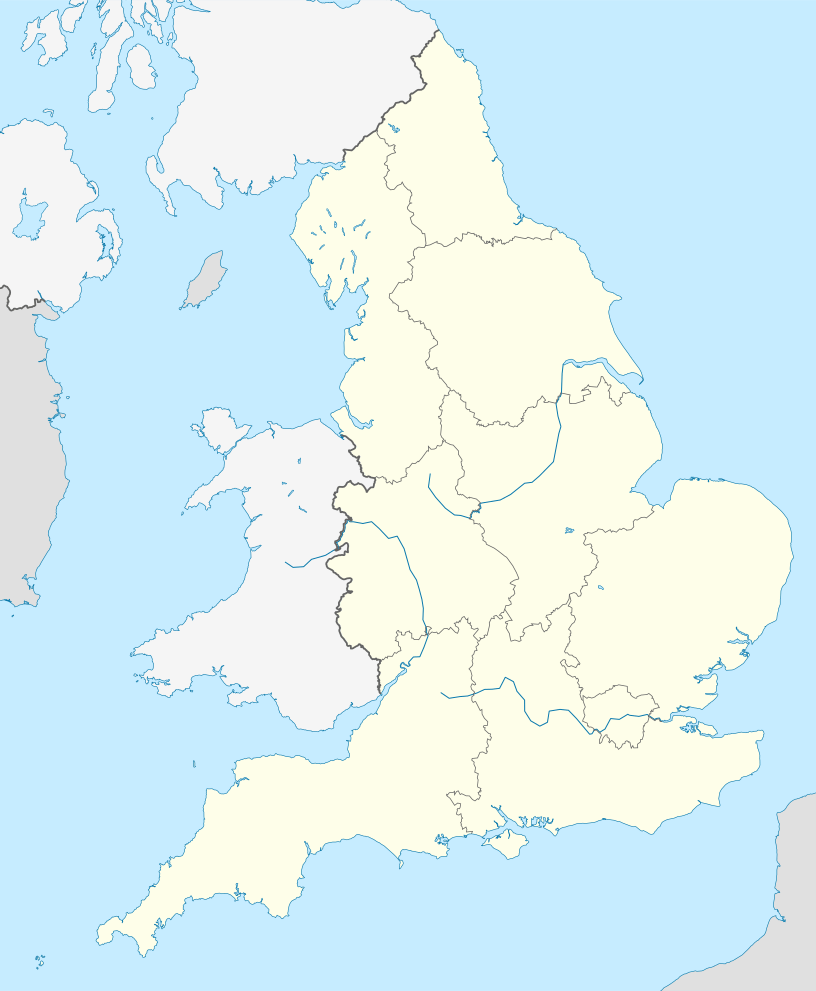
Lydd, Kent, England · TN29 9PN · TN29 9PN

Marsh Harrier · Wigeon · Teal · Shoveler · Pochard · Tufted Duck
Dennis’s viewpoint · Firth lookout · Shirley Coward Hide · Scott lookout · Christmas Dell hide · Denge Marsh hide · Hanson hide · Axell viewpoint · New Diggings viewpoint · ARC viewing screen · Boulderwall trail
Check current access, hide closures and operator notices before travelling. Seasonal birds are possibilities, not promised sightings. Keep to authorised routes and give wildlife space.
Opening and charges checked 2026-10-09. Operator: https://www.rspb.org.uk/days-out/reserves/dungeness
Full guide and current source links: https://aibirder.co.uk/reserves/rspb-dungeness
EN 09 · RSPB reserve guide
Lydd, Kent, England · TN29 9PN
Spring and autumn bring Swallows, Swifts, martins and passage waders, with Hobbies hunting in summer and Bitterns, wildfowl and occasional swans adding winter interest.
Decide if the visit fits.
Last checked 9 October 2026.
Opening and charges information · checked .
Stay nearby →Reserve overview
Spring and autumn bring Swallows, Swifts, martins and passage waders, with Hobbies hunting in summer and Bitterns, wildfowl and occasional swans adding winter interest.
Eight checks for a smoother visit.
Conditions change: check the operator and transport notices before travelling.
January: Typically start at Dennis’s viewpoint for Wigeon, Pochard and Goldeneye on Burrowes Pit. Work slowly through the rafts, then compare Gadwall and Tufted Duck from Hanson hide at ARC. Sheltered viewing is usually more productive than an exposed long walk in strong wind. February: Goldeneye and Pintail usually remain worthwhile targets from Dennis’s viewpoint and Firth lookout. At Denge Marsh hide, watch for hunting Marsh Harriers over the reeds. Choose an open viewing window with the sun behind you and allow a patient scan before moving. March: Listen for Bittern from Denge Marsh hide and look for Lapwing and Redshank from the Boulderwall trail. Typically spring song begins before winter ducks have all departed, making Hanson hide useful for comparing Gadwall with remaining Goldeneye. Keep all reedbed listening on the marked route. April: Cuckoo usually becomes a listening target around Axell viewpoint and the Willow trail. Check Burrowes from Firth lookout for Ringed Plover and watch ARC from Hanson hide for Common Tern. Early arrivals vary with weather; give the pools another look later in the visit. May: Our choice is Denge Marsh hide for Hobby, Marsh Harrier and a quiet Bittern listen. Hobbies typically hunt more visibly as the day warms. Add a Hanson hide session for Common Tern and look across Boulderwall’s wet grassland for Redshank without leaving the trail. June: Usually combine Hobby watching above Denge Marsh with Common Terns over ARC from Hanson hide. Scan the Boulderwall trail fields for Lapwing and Redshank, keeping a respectful distance from alarm-calling adults. Use hides for a sustained watch rather than seeking birds in the reeds. July: Common Tern and Cormorant offer a starting point at Hanson hide and Scott lookout. Typically returning Common Sandpipers begin using pit edges, so check Firth lookout before moving on. A warm spell may suit Hobby watching, but heat shimmer can spoil distant telescope views. August: Give Firth lookout time for Ringed Plover, Common Sandpiper and passage Greenshank. Compare ARC’s margins from Hanson hide; typically different water levels favour different feeding birds. On the signed New Diggings route, watch for Wheatear while keeping clear of the protected shingle. September: Usually alternate the Boulderwall trail for Whinchat and Cattle Egret with Firth lookout for passage waders. Redstarts can occur in scrub around the Discovery circuit, including Christmas Dell. The best stop is the one with usable light and wet margins, rather than the longest list of recent reports. October: Scan Boulderwall for feeding Cattle Egret and Great White Egret, then Dennis’s viewpoint for returning Wigeon and Pintail. Typically Goldcrests become useful scrub targets around Christmas Dell. A telescope helps separate the distant ducks; compare another Burrowes viewpoint if glare hides their markings. November: Wigeon, Teal, Shoveler and Pochard usually become the main Burrowes targets from Dennis’s viewpoint and Shirley Coward Hide. Hanson hide supplies a second open-water view. Fit a Denge Marsh hide watch for Marsh Harrier around the remaining daylight and the reserve’s exit time. December: Typically choose a shorter route linking Dennis’s viewpoint, Firth lookout and the nearest sheltered watch for Goldeneye and winter ducks. Search nearby scrub for Goldcrest and occasional Firecrest without entering vegetation. If wind makes the circuit uncomfortable, spend longer at one productive viewpoint.
Best conditions: Our advice: typically pick a bright, calm day for pit scanning and a quiet early part of the open day for reedbed listening. Warm late mornings can suit Hobby hunting. Strong coastal wind and heat shimmer shorten useful viewing range. Light and scope ratings are editorial interpretations of the operator map; change windows or viewpoints when glare develops.
Dungeness now charges by vehicle rather than imposing an additional per-person reserve entry fee. The current official table lists non-member car parking at £6, with free parking for members and Blue Badge holders; coach parking is £15. Members should display their membership card face down on the dashboard. Parking can be paid by the methods listed on the official reserve page, including PayByPhone and the centre's card machine when staffed. The visitor centre normally operates Wednesday–Sunday and bank holidays, 10:00–16:00; it is closed on ordinary Mondays and Tuesdays. Trails and toilets remain available seven days a week. No overnight parking or camping is permitted. Factor the final exit time into longer routes rather than treating this inland reserve as an unrestricted seafront walk.
Access times: Reserve: October 2026 calendar: 09:00–17:00; check the chosen date. Public footpaths have separate access. · Hides: Main-reserve hides and lookouts are visited within the reserve day; no separate hide timetable is published on the checked calendar. · Car park: October 2026: 09:00–17:00; overnight parking prohibited. · Dawn access: partly. Operator opening information.
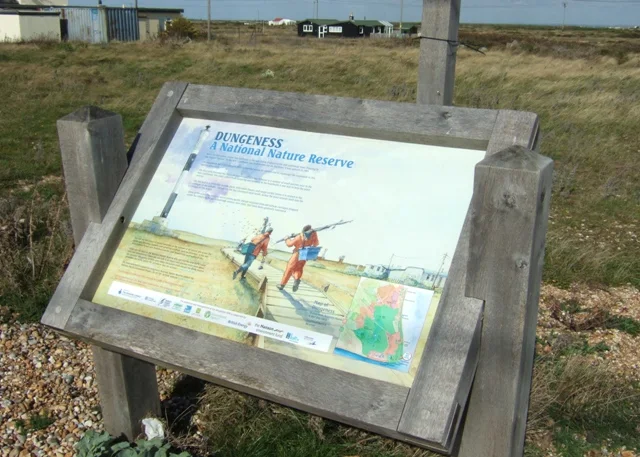
Dungeness combines the main Burrowes and Denge Marsh circuit with ARC across the road. The official map names Dennis's viewpoint, Scott and Firth lookouts, Christmas Dell and Denge Marsh hides, Hanson Hide, the Axell viewpoint and New Diggings viewpoint. The map also marks the ARC viewing screen. Shirley Coward Hide has replaced Makepeace; use its current name even though the downloadable map still marks the new hide as forthcoming. Burrowes is a large pit: changing viewpoint can reveal birds hidden behind an island or awkward light. Two-hour plan: make the Discovery circuit your main outing. Start by scanning Burrowes at Dennis's, continue towards Christmas Dell and Denge Marsh, and pause at the reedbed before returning. The current map labels this route 1.7 miles and suggests about one and a half hours walking; a two-hour birding visit leaves only modest stop time. If mobility or weather makes the circuit unsuitable, use a smaller number of viewpoints for a slower watch instead. Full-day plan: give Burrowes and the Discovery circuit the morning, carry lunch, then add Hanson Hide and ARC for a different set of water levels and birds. Alternatively take the mapped Boulderwall extension for wet grassland views. The map lists Boulderwall at 2.2 miles, Walkers Outland at 3.1 miles and Water Tower at four miles; these are alternatives with overlap, not distances to add into one compulsory itinerary. The facilities page retains different trail lengths, so follow the actual map and signs. Crossing to ARC involves the public road: keep the crossing deliberate and allow time for the return journey. These are suggested self-led plans, not a booked tour.
Use the linked reserve map and directions with current access notices. Species are typical seasonal targets. Light and telescope advice reflects our choice of viewpoint.
Burrowes Pit and its islands
Winter: Wigeon, Pochard, Goldeneye
Spring: Gadwall, Shoveler
Summer: Common Tern, Cormorant
Autumn: Teal, Pintail
Light: afternoon. Scope: useful.
Burrowes Pit margins and adjacent scrub
Winter: Goldeneye, Firecrest
Spring: Ringed Plover
Summer: Common Sandpiper, Common Tern
Autumn: Greenshank, Ringed Plover
Light: afternoon. Scope: useful.
Burrowes Pit from the replacement for Makepeace Hide
Use the opened Shirley Coward Hide; the downloadable map still labels this location “coming soon”.
Winter: Wigeon, Tufted Duck
Spring: Shoveler, Gadwall
Summer: Common Tern
Autumn: Teal, Pochard
Light: afternoon. Scope: useful.
A different angle over Burrowes Pit
Winter: Goldeneye, Gadwall
Spring: Shoveler
Summer: Cormorant
Autumn: Teal
Light: either. Scope: useful.
Christmas Dell water, reeds and adjoining scrub
Winter: Goldcrest
Spring: Cuckoo
Summer: Hobby
Autumn: Redstart, Goldcrest
Light: afternoon. Scope: useful.
Denge Marsh reedbed, pools and wet grassland
Winter: Marsh Harrier
Spring: Bittern, Redshank
Summer: Hobby, Marsh Harrier
Autumn: Marsh Harrier, Little Egret
Light: morning. Scope: useful.
ARC Pit, islands and exposed edges
Reach from the separate ARC parking area; cross the road carefully if combining with the main reserve.
Winter: Goldeneye, Gadwall
Spring: Garganey, Common Tern
Summer: Common Tern, Common Sandpiper
Autumn: Garganey, Teal
Light: afternoon. Scope: useful.
ARC Pit and the Willow trail reed and scrub edge
Winter: Gadwall
Spring: Cuckoo
Summer: Common Tern
Autumn: Teal
Light: either. Scope: useful.
New Diggings open water and the signed shingle trail
Winter: Pochard, Tufted Duck
Spring: Wheatear
Summer: Cormorant
Autumn: Wheatear
Light: afternoon. Scope: useful.
ARC Pit from the Water Tower trail screen
Winter: Gadwall, Tufted Duck
Spring: Garganey
Summer: Common Tern
Autumn: Teal, Common Sandpiper
Light: either. Scope: useful.
Grazed fields, wet grassland and ditches from the marked trail
Winter: Little Egret, Great White Egret
Spring: Lapwing, Redshank
Summer: Little Egret, Hobby
Autumn: Cattle Egret, Whinchat
Light: either. Scope: useful.
| Spot | Overlooks | Key species by season | Best light | Scope | Tide |
|---|---|---|---|---|---|
| Dennis’s viewpoint | Burrowes Pit and its islands | Winter: Wigeon, Pochard, Goldeneye Spring: Gadwall, Shoveler Summer: Common Tern, Cormorant Autumn: Teal, Pintail | afternoon | useful | — |
| Firth lookout | Burrowes Pit margins and adjacent scrub | Winter: Goldeneye, Firecrest Spring: Ringed Plover Summer: Common Sandpiper, Common Tern Autumn: Greenshank, Ringed Plover | afternoon | useful | — |
| Shirley Coward HideUse the opened Shirley Coward Hide; the downloadable map still labels this location “coming soon”. | Burrowes Pit from the replacement for Makepeace Hide | Winter: Wigeon, Tufted Duck Spring: Shoveler, Gadwall Summer: Common Tern Autumn: Teal, Pochard | afternoon | useful | — |
| Scott lookout | A different angle over Burrowes Pit | Winter: Goldeneye, Gadwall Spring: Shoveler Summer: Cormorant Autumn: Teal | either | useful | — |
| Christmas Dell hide | Christmas Dell water, reeds and adjoining scrub | Winter: Goldcrest Spring: Cuckoo Summer: Hobby Autumn: Redstart, Goldcrest | afternoon | useful | — |
| Denge Marsh hide | Denge Marsh reedbed, pools and wet grassland | Winter: Marsh Harrier Spring: Bittern, Redshank Summer: Hobby, Marsh Harrier Autumn: Marsh Harrier, Little Egret | morning | useful | — |
| Hanson hideReach from the separate ARC parking area; cross the road carefully if combining with the main reserve. | ARC Pit, islands and exposed edges | Winter: Goldeneye, Gadwall Spring: Garganey, Common Tern Summer: Common Tern, Common Sandpiper Autumn: Garganey, Teal | afternoon | useful | — |
| Axell viewpoint | ARC Pit and the Willow trail reed and scrub edge | Winter: Gadwall Spring: Cuckoo Summer: Common Tern Autumn: Teal | either | useful | — |
| New Diggings viewpoint | New Diggings open water and the signed shingle trail | Winter: Pochard, Tufted Duck Spring: Wheatear Summer: Cormorant Autumn: Wheatear | afternoon | useful | — |
| ARC viewing screen | ARC Pit from the Water Tower trail screen | Winter: Gadwall, Tufted Duck Spring: Garganey Summer: Common Tern Autumn: Teal, Common Sandpiper | either | useful | — |
| Boulderwall trail | Grazed fields, wet grassland and ditches from the marked trail | Winter: Little Egret, Great White Egret Spring: Lapwing, Redshank Summer: Little Egret, Hobby Autumn: Cattle Egret, Whinchat | either | useful | — |
Month chips show typical presence or our preferred viewing season. Choose birds that suit the time of your visit.
The freshwater pits are set back from the sea: choose pit water levels and light rather than timing a visit to high water. For any separate coastal walk, check the sea forecast and tide before leaving the reserve paths.
The visitor centre is on the ground floor with level, step-free entry. The main car park uses hard-packed shingle with occasional potholes; it has four Blue Badge spaces, three near the centre and one beside the accessible toilet. ARC's separate small car park has no designated Blue Badge bays. Four hide locations are described by the RSPB as having a Blue Badge parking space. The main Discovery route is level but uses hard-packed shingle or gravel, with loose stones in places. Adapted wheelchair viewing spaces are provided in hides. Eight viewpoints are listed, four reachable by car; the route to Discovery Viewpoint can become muddy in winter and restrict wheelchair access. A level route on a map therefore does not guarantee an effortless surface for every chair or pushchair. A free Tramper or mobility scooter is available by arrangement, requiring at least three days' notice. Telephone or email to reserve it and establish which routes suit the user's needs. Accessible toilets and baby changing are opposite the centre across the car park. Picnic seating includes wheelchair spaces, and benches provide resting opportunities along parts of the network.
The visitor centre supplies hot and cold drinks and simple snacks, including crisps and ice creams; bring lunch for a full day rather than expecting a restaurant. Its retail shop has closed. Picnic tables are available around the centre and Dennis's area, and binocular hire is offered on staffed days. Before starting the circuit, organise food, drinking water and spare layers so that a long watch remains comfortable. Bicycle racks are opposite the main centre doors; cycling is not permitted on the nature trails. Take litter away with you.
Dogs may enter the visitor centre and walk on a lead in the car park, but only assistance dogs may use Discovery, Hanson and the viewing hides. For other dogs use the signed public footpaths and bridleway from ARC, with close lead control around wildlife and livestock. Bring waste bags and take waste home; there are no dog waste bins.
The main entrance is off Dungeness Road, about a mile outside Lydd; the visitor centre is a further mile along the access track. Stagecoach 511, 511A and 511B connect Ashford with Lydd and New Romney, and the RSPB lists request stops at the reserve entrance on Monday–Saturday. Ask for Boulderwall Farm or the RSPB entrance, not the distant lighthouse. The remaining track walk is part of the journey, including the walk back to catch the bus. The 511 family is the practical numbered bus connection from Ashford International. Its variants and school-day journeys differ, so select the actual outward and return journeys rather than assuming every bus follows the same branch. The RSPB also mentions limited 102 journeys from Lydd or Folkestone, but this is not a dependable promise of a direct entrance stop on every service. For Sunday travel its named alternatives are Lydd or The Pilot Inn at Lydd-on-Sea, followed by a longer walk or a booked taxi. The Romney, Hythe & Dymchurch Railway runs seasonally to Dungeness village: it is a separate coastal attraction, not a station beside the reserve centre.
Useful bases for an early start.
Booking.com links are affiliate links: we may earn a commission at no extra cost to you. How these links work.
About 2.5 miles by road, roughly 10 minutes’ drive from Lydd to the visitor arrival point. Check the final approach to your accommodation in Lydd.
Measured driving route · 2026-10-09. Map estimates exclude live traffic.
Choose Lydd for the earliest start and local self-catering or coastal holiday lets.Find places to stay in Lydd on Booking.comAbout 4.0 miles by road, roughly 15 minutes’ drive from Dungeness to the visitor arrival point. Check the final approach to your accommodation in Dungeness.
Measured driving route · 2026-10-09. Map estimates exclude live traffic.
Choose Dungeness for the earliest start and local self-catering or coastal holiday lets.Find places to stay in Dungeness on Booking.comAbout 6.0 miles by road, roughly 15 minutes’ drive from New Romney to the visitor arrival point. Check the final approach to your accommodation in New Romney.
Measured driving route · 2026-10-09. Map estimates exclude live traffic.
Best for B&Bs, hotels and holiday parks with a memorable rail option.Find places to stay in New Romney on Booking.comAbout 14.9 miles by road, roughly 35 minutes’ drive from Hythe to the visitor arrival point. Check the final approach to your accommodation in Hythe.
Measured driving route · 2026-10-09. Map estimates exclude live traffic.
Choose Hythe for a wider choice of hotels and a longer Kent coast break.Find places to stay in Hythe on Booking.comAbout 26.1 miles by road, roughly 45 minutes’ drive from Folkestone to the visitor arrival point. Check the final approach to your accommodation in Folkestone.
Measured driving route · 2026-10-09. Map estimates exclude live traffic.
Choose Folkestone for a wider choice of hotels and a longer Kent coast break.Find places to stay in Folkestone on Booking.comExplore Kent’s full guides and smaller birding sites
Telephone 01797 320588 or email dungeness@rspb.org.uk. The reserve address is Boulderwall Farm, Dungeness Road, Lydd, Kent, TN29 9PN. The official map and location page distinguish the main site, ARC and the access track, which is important when arranging taxis or mobility equipment. Reserve the Tramper at least three days ahead. The official Dungeness social feed is the current sightings route identified by the RSPB; Sound Mirror visits are organised events, not ordinary open access.
Check Kent Ornithological Society: Dungeness and wider county reports. as submitted; newest seven days require membership Reports show what has been seen, not what will be.
Follow the BTO Birders’ Code and give wildlife space.
RSPB Dungeness: Non-member parking £6 per car; members and Blue Badge holders free; no additional per-person admission.
RSPB Dungeness: Dogs may enter the visitor centre and walk on a lead in the car park, but only assistance dogs may use Discovery, Hanson and the viewing hides.
RSPB Dungeness: Spring & autumn migration · winter.
RSPB Dungeness: The visitor centre is on the ground floor with level, step-free entry.
RSPB Dungeness: The main entrance is off Dungeness Road, about a mile outside Lydd; the visitor centre is a further mile along the access track.
Shorter stops within 15 miles in a straight line. Use the operator’s arrival directions for the journey.
Rye Harbour village · Coastal pools, shingle, saltmarsh and reedbeds
Nearby complete guides.
Stops with a purpose: use one as a contrasting habitat or weather-proof Plan B. Distances are straight-line estimates, not road journeys.