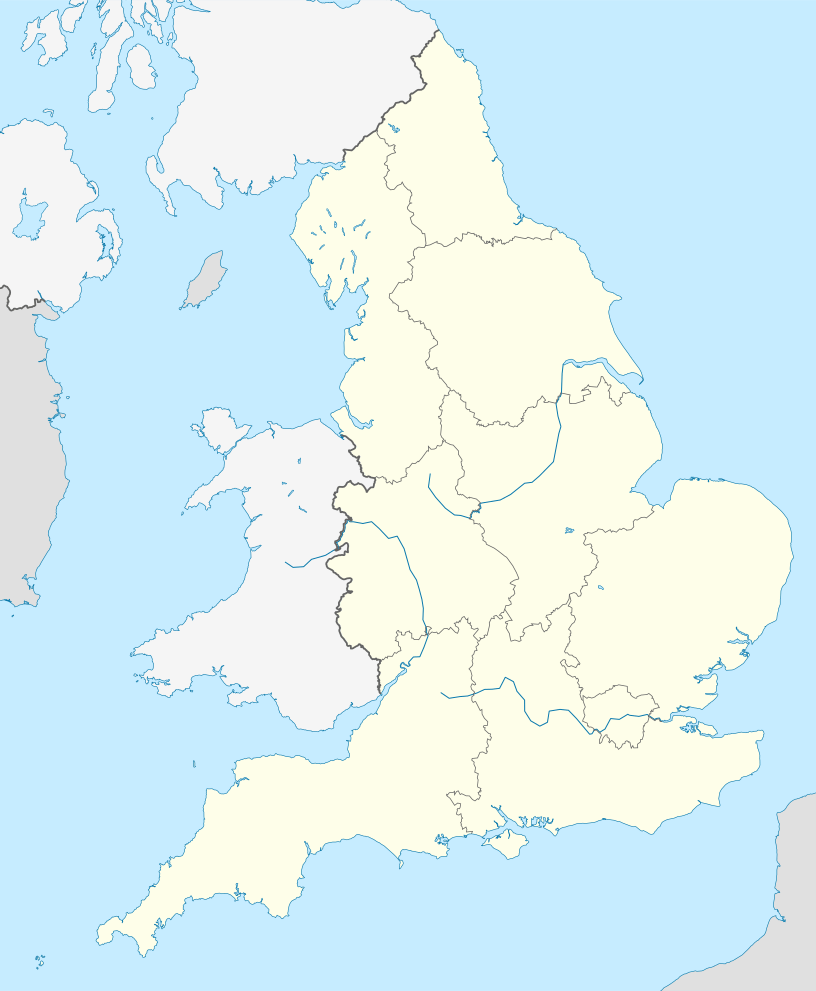

Short entry4.6 miles away
Scolt Head Island National Nature Reserve
Off Burnham Overy Staithe · coast · wetland
 the ai birderBirding near me
The AI Birder · one-page field sheet
Holkham, Norfolk, England · NR23 1RG · NR23 1RG

Pink-footed Goose · Brent Goose · Marsh Harrier · Wigeon · Teal · Cattle Egret
Joe Jordan Hide · George Washington Hide · Lady Anne’s Drive (marsh-side public approach) · The Lookout (outside viewing area) · Salts Hole (public path) · Coastal Path west of Abraham’s Bosom · West Pines (public viewpoint) · Holkham Bay (public beach approach) · Gun Hill (public coastal route)
Check current access, hide closures and operator notices before travelling. Seasonal birds are possibilities, not promised sightings. Keep to authorised routes and give wildlife space.
Opening and charges checked 2026-10-18. Operator: https://www.holkham.co.uk/visit/holkham-beach-nature-reserve/
Full guide and current source links: https://aibirder.co.uk/reserves/holkham-national-nature-reserve
EN 26 · Natural England reserve guide
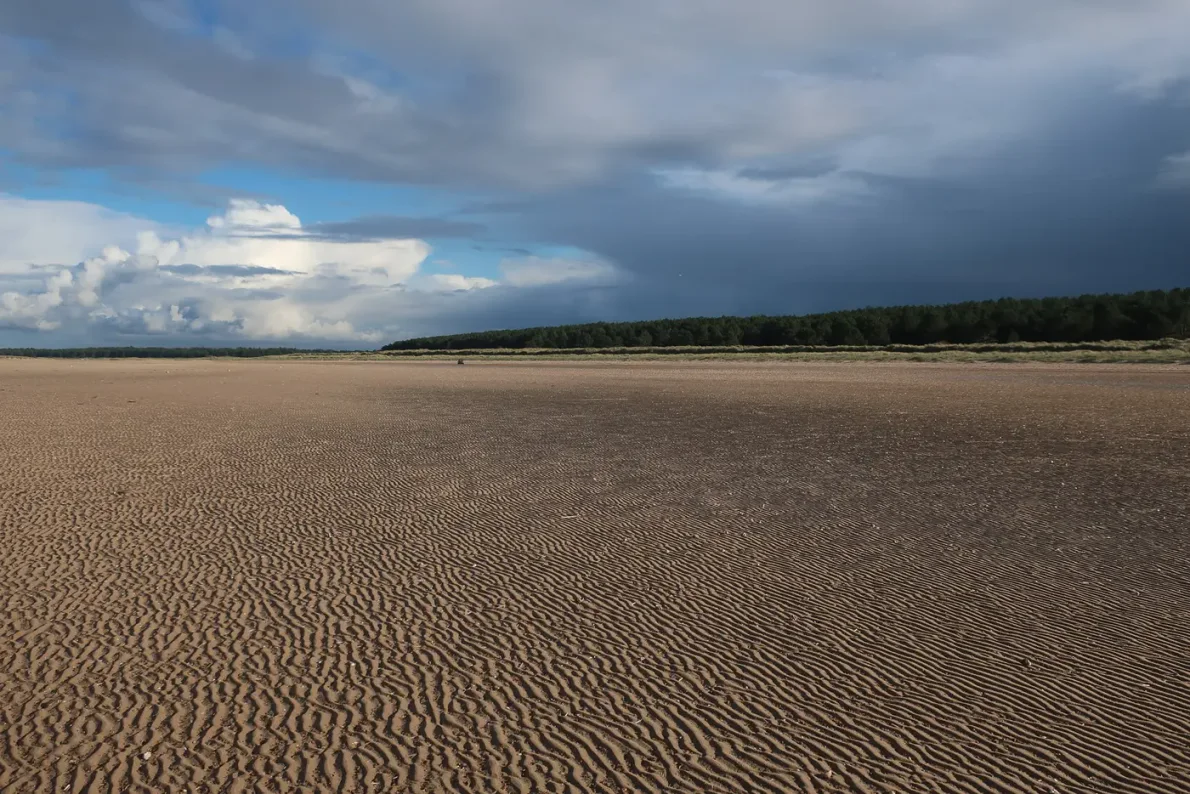
Holkham, Norfolk, England · NR23 1RG
Winter Pink-footed Goose flights above grazing marsh, with Spoonbills and breeding waders in the warmer months.
Decide if the visit fits.
Last checked 18 October 2026.
Opening and charges information · checked .
Stay nearby →Reserve overview
Winter Pink-footed Goose flights above grazing marsh, with Spoonbills and breeding waders in the warmer months.
Eight checks for a smoother visit.
Conditions change: check the operator and transport notices before travelling.
January: typically start with Wigeon and Teal beside Lady Anne’s Drive, then use Joe Jordan Hide to sort Pink-footed and White-fronted Geese at a distance. Salts Hole adds a more sheltered search for Goldeneye. A scope helps across the fields without moving towards resting flocks.
February: usually keep winter geese in the plan from Joe Jordan Hide while watching for the first returning Spoonbills. George Washington Hide is another marsh view for Lapwing and Teal. The seasonal change is gradual: mild weather can move birds on before the calendar suggests.
March: typically give George Washington Hide time for Marsh Harriers, displaying Lapwings and a listen for booming Bittern. Try Salts Hole afterwards for Gadwall and Little Grebe. Listen from the public route and never investigate reedbed calls by leaving the path.
April: usually watch Redshank and Lapwing from the marsh-side Lady Anne’s Drive approach before continuing to Joe Jordan Hide for feeding Spoonbills and Little Egrets. The hides are observation points, not routes to the colony. Choose a quieter pause rather than looking for nests.
May: typically combine Spoonbills and Cattle Egrets from Joe Jordan Hide with Treecreepers and Coal Tits along the Coastal Path west of Abraham’s Bosom. Little Terns may be present on the reserve; respect all beach enclosures and use operator advice without seeking a nest location.
June: usually inspect the marsh pools from George Washington Hide for Shoveler and Gadwall, then make a different sort of watch at Salts Hole for Little Grebe. A short woodland return can be more comfortable than crossing the whole bay in hot, glaring conditions.
July: typically check George Washington Hide for returning Ruff, Black-tailed Godwit and Green Sandpiper on any remaining shallow margins. Joe Jordan Hide supplies the wider Spoonbill and egret watch. During a dry summer the useful water can shift, so read the operator’s conservation report before deciding the route.
August: usually repeat the marsh circuit for passage Ruff and Green Sandpipers from George Washington Hide, with feeding Spoonbills from Joe Jordan Hide. Keep a separate sheltered woodland interval along the Coastal Path. Do not turn a reported bird into a reason to cross a managed field.
September: typically watch Lady Anne’s Drive for returning Pink-footed Geese, Wigeon and Teal, and give the inland Coastal Path time for Goldcrests. The operator notes that autumn arrivals depend on weather. East winds may bring migrants, but a good forecast still cannot promise a fall.
October: usually combine Pink-footed Geese over the grazing marsh with a Goldcrest search along the Coastal Path west of Abraham’s Bosom. Holkham Bay can offer Brent Geese and Sanderling as the winter assemblage builds. Leave sufficient daylight to return inland rather than finishing on a distant sandbank.
November: typically make Joe Jordan Hide a long goose watch for Pink-footed and White-fronted Geese. If the bay is safe, look from permitted paths for Shore Larks and Snow Buntings without pushing them across the saltmarsh. A distant settled flock is preferable to a close flushed one.
December: usually favour Wigeon and Teal near The Lookout’s outside viewing area, then choose between Goldeneye at Salts Hole and Brent Geese in Holkham Bay. Check the separately listed car-park hours. A short marsh-and-woodland visit can be better than an exposed full coastal circuit.
Best conditions: Typically use calm weather for the bay and for listening along the pinewood edge; the marsh-facing hides provide a more practical watch when the shore is exposed. Goose flights are most rewarding around dawn or dusk where permitted access and transport allow. The south-facing marsh views can be glary around midday: choose a side-lit window or a softer-light interval. Light and scope ratings are editorial advice based on the mapped habitats. The operator notes easterly winds can bring autumn migrants, without guaranteeing arrivals.
Reserve access is free; Holkham’s advertised Lady Anne’s Drive parking prices, checked 18 October 2026, are £3.80 up to two hours, £7.20 up to four hours and £14 for more than four hours/all day. Cash and card are accepted. The all-day ticket also permits parking in Holkham Park on the same day during its visitor season. The general visit overview still says parking starts at £3.60, so its summary and the detailed tariff conflict; budget from the detailed page and inspect the payment machine before paying. The Lookout’s current October listing is 10 am–5 pm. Check the dated opening information and reserve notices before travelling; winter goose watching may fall outside a building’s hours. The operator also notes that parking hours can change seasonally.
Access times: Reserve: Use public paths and the beach outside signed wildlife cordons; the reserve is separate from Holkham Park and its attraction hours. · Hides: Joe Jordan and George Washington hides are signed from Lady Anne’s Drive; separate hide locking times are not published in the operator pages checked. · Car park: Lady Anne’s Drive and Wells Beach car parks: currently 6am–9pm daily; the operator says seasonal hours may vary. · Dawn access: partly. Operator opening information.
The core birding route begins at the top of Lady Anne’s Drive and follows the track west behind the pines towards the marsh-facing hides. Joe Jordan Hide looks towards the old marshes and Decoy Wood; George Washington Hide provides another perspective on the wetland. Between them, pause at gaps in the vegetation and scan the ditch edges before moving on. A quiet interval can reveal a bird that stayed hidden through the previous group’s visit. The pinewoods and Salts Hole provide a useful contrast to the exposed grassland, while the boardwalk north from the entrance leads through the trees towards Holkham Bay. Two-hour plan, editorial suggestion: spend the first twenty minutes examining the marsh beside the approach, then follow the west track to a hide for a sustained watch. Use the final part of your visit to return through the pinewood edge, listening for small birds and looking back across the wet grassland. This short itinerary favours observation over distance; it does not attempt to reach every dune or beach viewpoint. Full-day plan, editorial suggestion: begin with the marsh and hides, take a food break near the starting point, then devote the middle of the day to the pinewoods and a clearly marked beach approach. Return inland for the late session instead of ending far out on the sand. Allow more time in a hide if feeding or display is developing, and shorten the beach walk if visibility deteriorates. The landward route and the open bay offer different experiences: decide which matters most before committing to a long out-and-back walk. Keep to marked tracks and respect habitat cordons; a broad-looking landscape is not an invitation to cross grazing fields or enter the nesting wood.
Use the linked reserve map and directions with current access notices. Species are typical seasonal targets. Light and telescope advice reflects our choice of viewpoint.
Old grazing marshes and feeding pools
Use the signed west track from Lady Anne’s Drive; remain inside the public hide.
Winter: Pink-footed Goose, White-fronted Goose, Barn Owl
Spring: Spoonbill, Grey Heron, Barn Owl
Summer: Spoonbill, Little Egret, Cattle Egret, Great White Egret, Barn Owl
Autumn: Cattle Egret, Pink-footed Goose, Barn Owl
Light: either. Scope: essential.
Reedbed, marsh pools and wet grassland south of the pines
Signed from Lady Anne’s Drive; consult the current operator access guide for the route and entry arrangements.
Winter: Wigeon, Teal, Lapwing
Spring: Bittern, Marsh Harrier, Lapwing
Summer: Marsh Harrier, Shoveler, Gadwall
Autumn: Ruff, Black-tailed Godwit, Green Sandpiper
Light: either. Scope: essential.
Grazing marsh and wet fields on the approach to the pines
Watch from the permitted approach without blocking vehicles or stepping into grazing fields.
Winter: Wigeon, Teal, Pink-footed Goose
Spring: Lapwing, Redshank
Summer: Marsh Harrier, Grey Heron
Autumn: Pink-footed Goose, Wigeon
Light: either. Scope: useful.
Freshwater grazing marsh beside the main visitor starting point
The outside starting point is distinct from the café, toilets and interpretation building.
Winter: Wigeon, Teal, White-fronted Goose
Spring: Lapwing, Redshank
Summer: Grey Heron, Marsh Harrier
Autumn: Wigeon, Teal
Light: either. Scope: useful.
Saline lagoon within the pinewood edge
Watch from the established path; do not enter the lagoon margin.
Winter: Goldeneye, Gadwall, Little Grebe
Spring: Gadwall, Coot
Summer: Little Grebe, Coot
Autumn: Little Grebe, Kingfisher
Light: either. Scope: not needed.
Pinewood and deciduous scrub along the inland woodland track
Stay on public woodland paths and leave dense scrub undisturbed.
Winter: Coal Tit, Treecreeper, Goldcrest
Spring: Coal Tit, Treecreeper
Summer: Treecreeper, Coal Tit
Autumn: Goldcrest
Light: either. Scope: not needed.
A wide view across grazing marsh, dunes and the bay
Use the operator’s named public viewing place; keep to the established route through sensitive dunes.
Winter: Pink-footed Goose, Brent Goose
Spring: Marsh Harrier, Lapwing
Summer: Marsh Harrier, Redshank
Autumn: Pink-footed Goose
Light: either. Scope: essential.
Foreshore, tidal feeding edge and pioneer saltmarsh viewed from permitted routes
Stay outside all wildlife cordons; watch feeding flocks from the established beach approach.
Winter: Brent Goose, Shore Lark, Snow Bunting, Sanderling
Spring: Ringed Plover, Sanderling
Summer: Oystercatcher, Ringed Plover
Autumn: Brent Goose, Sanderling
Light: either. Scope: useful.
Tide: The operator says leave sandbanks at least four hours before high tide; never use a channel crossing as a shortcut.
Shingle and dune edge at the western end of the reserve
Use the signed/public coastal route only; do not approach protected beach enclosures.
Spring: Ringed Plover, Oystercatcher
Summer: Oystercatcher, Ringed Plover
Autumn: Sanderling
Light: either. Scope: useful.
Tide: Check Wells predictions before an extended shore walk and retreat inland while the route remains clear.
| Spot | Overlooks | Key species by season | Best light | Scope | Tide |
|---|---|---|---|---|---|
| Joe Jordan HideUse the signed west track from Lady Anne’s Drive; remain inside the public hide. | Old grazing marshes and feeding pools | Winter: Pink-footed Goose, White-fronted Goose, Barn Owl Spring: Spoonbill, Grey Heron, Barn Owl Summer: Spoonbill, Little Egret, Cattle Egret, Great White Egret, Barn Owl Autumn: Cattle Egret, Pink-footed Goose, Barn Owl | either | essential | — |
| George Washington HideSigned from Lady Anne’s Drive; consult the current operator access guide for the route and entry arrangements. | Reedbed, marsh pools and wet grassland south of the pines | Winter: Wigeon, Teal, Lapwing Spring: Bittern, Marsh Harrier, Lapwing Summer: Marsh Harrier, Shoveler, Gadwall Autumn: Ruff, Black-tailed Godwit, Green Sandpiper | either | essential | — |
| Lady Anne’s Drive (marsh-side public approach)Watch from the permitted approach without blocking vehicles or stepping into grazing fields. | Grazing marsh and wet fields on the approach to the pines | Winter: Wigeon, Teal, Pink-footed Goose Spring: Lapwing, Redshank Summer: Marsh Harrier, Grey Heron Autumn: Pink-footed Goose, Wigeon | either | useful | — |
| The Lookout (outside viewing area)The outside starting point is distinct from the café, toilets and interpretation building. | Freshwater grazing marsh beside the main visitor starting point | Winter: Wigeon, Teal, White-fronted Goose Spring: Lapwing, Redshank Summer: Grey Heron, Marsh Harrier Autumn: Wigeon, Teal | either | useful | — |
| Salts Hole (public path)Watch from the established path; do not enter the lagoon margin. | Saline lagoon within the pinewood edge | Winter: Goldeneye, Gadwall, Little Grebe Spring: Gadwall, Coot Summer: Little Grebe, Coot Autumn: Little Grebe, Kingfisher | either | not needed | — |
| Coastal Path west of Abraham’s BosomStay on public woodland paths and leave dense scrub undisturbed. | Pinewood and deciduous scrub along the inland woodland track | Winter: Coal Tit, Treecreeper, Goldcrest Spring: Coal Tit, Treecreeper Summer: Treecreeper, Coal Tit Autumn: Goldcrest | either | not needed | — |
| West Pines (public viewpoint)Use the operator’s named public viewing place; keep to the established route through sensitive dunes. | A wide view across grazing marsh, dunes and the bay | Winter: Pink-footed Goose, Brent Goose Spring: Marsh Harrier, Lapwing Summer: Marsh Harrier, Redshank Autumn: Pink-footed Goose | either | essential | — |
| Holkham Bay (public beach approach)Stay outside all wildlife cordons; watch feeding flocks from the established beach approach. | Foreshore, tidal feeding edge and pioneer saltmarsh viewed from permitted routes | Winter: Brent Goose, Shore Lark, Snow Bunting, Sanderling Spring: Ringed Plover, Sanderling Summer: Oystercatcher, Ringed Plover Autumn: Brent Goose, Sanderling | either | useful | The operator says leave sandbanks at least four hours before high tide; never use a channel crossing as a shortcut. |
| Gun Hill (public coastal route)Use the signed/public coastal route only; do not approach protected beach enclosures. | Shingle and dune edge at the western end of the reserve | Spring: Ringed Plover, Oystercatcher Summer: Oystercatcher, Ringed Plover Autumn: Sanderling | either | useful | Check Wells predictions before an extended shore walk and retreat inland while the route remains clear. |
Month chips show typical presence or our preferred viewing season. Choose birds that suit the time of your visit.
Use the permitted foreshore approach to watch feeding birds as shore is exposed, without following them across channels. Holkham explicitly says to be off sandbanks at least four hours before high tide. Check predictions and weather before a long beach walk; the freshwater grazing marsh is an alternative independent of sea-tide state.
Season: Winter Pink-footed Goose flights are confirmed by Holkham’s own goose-flight experiences and January wildlife guidance; numbers and roost choices vary.. Arrival time: The estate’s guided experience collects guests half an hour before sunrise and an hour before sunset. For an independent watch, use those as planning guides rather than a scheduled performance and select a permitted marsh-side position.. Use designated parking and paths; never stop a vehicle where it blocks the drive. Avoid using headlights, flash or close approaches towards a settled flock. Give passing walkers room, keep your tripod compact and leave nesting or roosting areas undisturbed.
Holkham identifies designated accessible parking at the top of Lady Anne’s Drive, close to the visitor starting point. Its current access page links to independently surveyed AccessAble guides rather than describing every outdoor route as accessible. Consult those detailed measurements for the particular facility you need, especially if turning space, door width or toilet transfer arrangements determine whether the visit works. Describe your equipment and the distance you can comfortably cover when contacting the estate. The boardwalk approach is a different surface from the loose beach sand beyond it. A route that works as far as the edge of the trees need not remain suitable all the way to the water. Treat rain, windblown sand and the return journey as part of the decision; choose a turning point while you still have a comfortable margin. Do not assume that both hides offer identical entry arrangements or viewing heights simply because they share the same track. Request the relevant current survey before selecting one as your essential destination. A marsh watch close to the entrance can be a worthwhile shorter visit, with binoculars or a supported telescope, without needing to traverse the bay.
The Lookout supplies light snacks and refreshments, information about the reserve and an indoor starting point for understanding the habitats outside. Toilets are inside that building, with another option in Holkham village opposite the Adnams store. Carry drinking water and a spare warm layer for a stationary watch. A telescope is especially helpful across the marsh, while binoculars are easier to use beneath the trees. Pack a bag for your own litter and keep food secured from scavenging wildlife.
Dogs are welcome, with seasonal lead restrictions protecting ground-nesting birds in designated areas. The operator’s main page gives conflicting end dates of 30 and 31 August; use the more protective 1 April–31 August period and follow the posted zones. Keep dogs away from wildlife cordons and prevent them entering the grazing marsh or chasing winter flocks.
Lynx Coastliner 36 links King’s Lynn, Hunstanton, Burnham Market, Holkham, Wells-next-the-Sea and Fakenham. The operator’s timetable names The Victoria stops at Holkham, beside the southern end of the Lady Anne’s Drive approach. Check the direction-specific stop and plan the walk along the drive separately from the bus journey; the stop is not at the hides. King’s Lynn is the practical rail connection for the western end of the service, using the rail operator’s journey planner for your date. Choose a return departure before you start the woodland walk, then work backwards from it. Dusk goose flights can finish after the bus you need, especially in changing seasonal timetables; a daytime marsh visit is still worthwhile when the late session does not fit. For that session, a pre-arranged taxi or a nearby overnight base can be more practical. Carry a saved timetable and the correct stop name so you are not relying on a weak mobile signal after a long day outside.
Useful bases for an early start.
Booking.com links are affiliate links: we may earn a commission at no extra cost to you. How these links work.
About 2.2 miles by road, roughly 7 minutes’ drive to The Lookout; OSRM/OpenStreetMap estimate measured 18 October 2026, excluding traffic, parking and walking.
Measured driving route · 2026-10-18. Map estimates exclude live traffic.
A nearby coastal town with time for a relaxed marsh visit.Find places to stay in Wells-next-the-Sea on Booking.comAbout 4.8 miles by road, roughly 11 minutes’ drive to The Lookout; OSRM/OpenStreetMap estimate measured 18 October 2026, excluding traffic, parking and walking.
Measured driving route · 2026-10-18. Map estimates exclude live traffic.
A village base inland from the coast.Find places to stay in Burnham Market on Booking.comAbout 12.8 miles by road, roughly 22 minutes’ drive to The Lookout; OSRM/OpenStreetMap estimate measured 18 October 2026, excluding traffic, parking and walking.
Measured driving route · 2026-10-18. Map estimates exclude live traffic.
An inland market-town base for a wider Norfolk trip.Find places to stay in Fakenham on Booking.comExplore Norfolk’s full guides and smaller birding sites
Holkham Visitor Reception publishes 01328 713111 and info@holkham.co.uk for visit questions. Specify that you mean the National Nature Reserve rather than admission to the Hall, and name your proposed access point when discussing a route. For a group outing, explain the party size and whether a guided experience or a particular facility is essential. Consult the estate’s conservation updates for the context behind habitat work and seasonal bird activity. Report a disturbance concern with a clear location while keeping your own distance from the birds.
Check Holkham Conservation: monthly wildlife reports. approximately monthly; some months are combined or omitted Reports show what has been seen, not what will be.
Follow the BTO Birders’ Code and give wildlife space.
Holkham National Nature Reserve: Free reserve access; Lady Anne’s Drive £3.80/2h, £7.20/4h or £14/day.
Holkham National Nature Reserve: Dogs are welcome, with seasonal lead restrictions protecting ground-nesting birds in designated areas.
Holkham National Nature Reserve: Winter wildfowl · spring breeding birds · autumn migration.
Holkham National Nature Reserve: Holkham identifies designated accessible parking at the top of Lady Anne’s Drive, close to the visitor starting point.
Holkham National Nature Reserve: Lynx Coastliner 36 links King’s Lynn, Hunstanton, Burnham Market, Holkham, Wells-next-the-Sea and Fakenham.
Shorter stops within 15 miles in a straight line. Use the operator’s arrival directions for the journey.
Off Burnham Overy Staithe · coast · wetland
Stiffkey · coast · wetland
Brancaster and Brancaster Staithe · coast · wetland · grassland
Morston · coast · wetland
Blakeney · wetland · grassland · scrub
Sculthorpe, near Fakenham · wetland · woodland · grassland
Near Little Snoring, northeast of Fakenham · Woodland · Heathland
South of Syderstone village, west Norfolk · Heathland · Woodland · Lakes
Northeast of Fakenham, beside the A148 · Woodland
Near Fakenham · wetland · woodland · grassland
Between Cley-next-the-Sea and Salthouse · woodland · scrub · coast
Holme-next-the-Sea · coast · wetland · scrub
Holme-next-the-Sea, near Hunstanton · Coast · Grassland · Woodland
Thornage, near Holt · grassland · woodland · wetland
Briningham · grassland · woodland
Holme-next-the-Sea · wetland · grassland
Between Ringstead and Hunstanton · Grassland · Woodland
West Raynham · Lake, parkland, reedbed and grazing fields
Meadow Lane approach from Kelling village · Coastal grazing marsh, pool, hedges and shingle shore
Holt · Woodland
Holt, reached through Holt Country Park · Heathland · Woodland
Kelling · woodland · heathland · coast
Near Kelling and Weybourne · heathland · woodland · scrub
Lower Bodham, between High Kelling and Hempstead · wetland · woodland
Edgefield · wetland · grassland · woodland
Weybourne Hope · coast · grassland
Between Weybourne station and Sheringham Park · woodland · heathland
Flitcham · Wetland and farmland
Nearby complete guides.
Stops with a purpose: use one as a contrasting habitat or weather-proof Plan B. Distances are straight-line estimates, not road journeys.